
 Deutschland
 France
 Nederland
 Great Britain
 Sverige
 Norge
Norge Danmark
 Suomi
Suomi Italia
 Polska
 España
VS
Audi A7 vs Hyundai IONIQ 6 - Differences and prices compared
Compare performance (630 HP vs 650 HP), boot space and price (55000 £ vs 37600 £ ) at a glance. Find out which car is the better choice for you – Audi A7 or Hyundai IONIQ 6?
A7
Costs and Efficiency:
Looking at overall running costs, both models reveal some interesting differences in everyday economy.
Hyundai IONIQ 6 has a convincingly advantage in terms of price – it starts at 37600 £ , while the Audi A7 costs 55000 £ . That’s a price difference of around 17400 £.
As for electric range, the Hyundai IONIQ 6 performs convincingly better – achieving up to 614 km, about 546 km more than the Audi A7.
IONIQ 6
Engine and Performance:
Under the bonnet, it becomes clear which model is tuned for sportiness and which one takes the lead when you hit the accelerator.
When it comes to engine power, the Hyundai IONIQ 6 has a hardly perceptible edge – offering 650 HP compared to 630 HP. That’s roughly 20 HP more horsepower.
In acceleration from 0 to 100 km/h, the Hyundai IONIQ 6 is slight quicker – completing the sprint in 3.20 s, while the Audi A7 takes 3.40 s. That’s about 0.20 s faster.
In terms of top speed, the Audi A7 performs barely noticeable better – reaching 280 km/h, while the Hyundai IONIQ 6 tops out at 257 km/h. The difference is around 23 km/h.
There’s also a difference in torque: Audi A7 pulls barely noticeable stronger with 850 Nm compared to 770 Nm. That’s about 80 Nm difference.
Ad · Affiliate
As an Amazon Associate, we earn from qualifying purchases.
A7
Space and Everyday Use:
Beyond pure performance, interior space and usability matter most in daily life. This is where you see which car is more practical and versatile.
Seats: Hyundai IONIQ 6 offers slightly more seating capacity – 5 vs 4.
In curb weight, Audi A7 is barely noticeable lighter – 1770 kg compared to 1850 kg. The difference is around 80 kg.
In terms of boot space, the Audi A7 offers evident more room – 535 L compared to 401 L. That’s a difference of about 134 L.
When it comes to payload, Audi A7 noticeable takes the win – 600 kg compared to 430 kg. That’s a difference of about 170 kg.
Who comes out on top?
Overall, the Hyundai IONIQ 6 shows itself to be leaves the rival little chance and secures the title of DriveDuel Champion.
It convinces with the more balanced overall package and proves to be the more versatile choice for everyday use.
from about £37,600
Hyundai IONIQ 6
Audi A7
Hyundai IONIQ 6
Costs and Consumption
View detailed analysis
View detailed analysis
Engine and Performance
View detailed analysis
View detailed analysis
Dimensions and Body
View detailed analysis
View detailed analysis
Audi A7
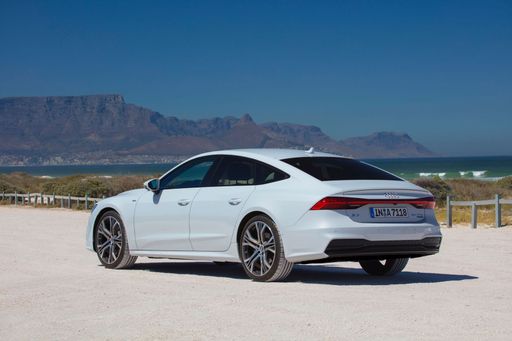
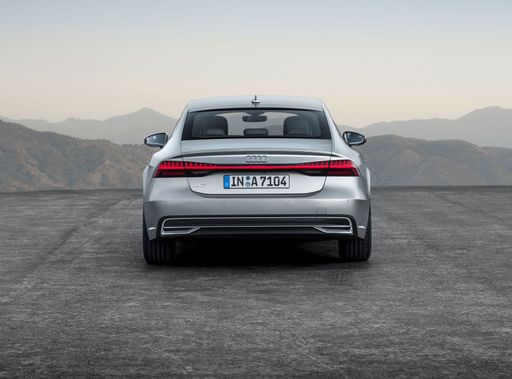
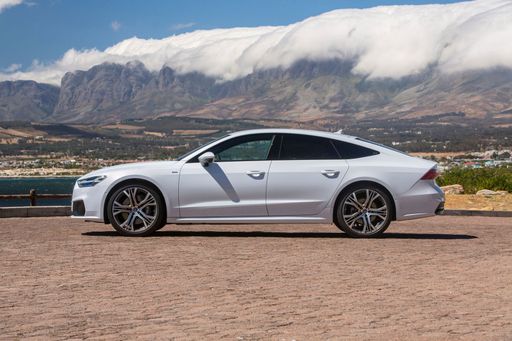
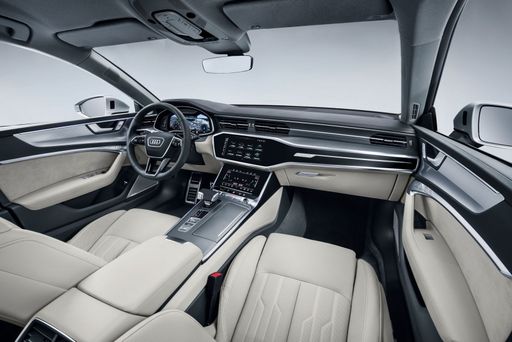
The Audi A7 wraps elegant fastback lines around a sumptuous, tech-packed cabin that turns everyday drives into something a bit more special. It strikes a polished balance between relaxed comfort and engaging poise, so you’ll enjoy long cruises and spirited backroad runs while arriving in unmistakable style.
details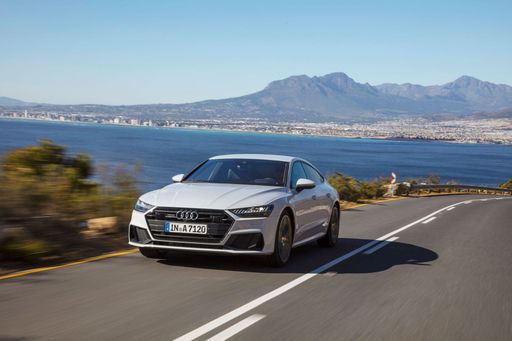
Hyundai IONIQ 6
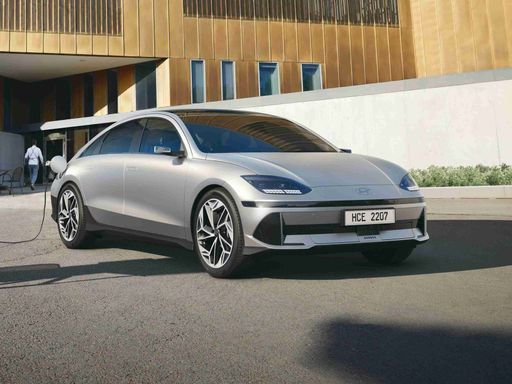
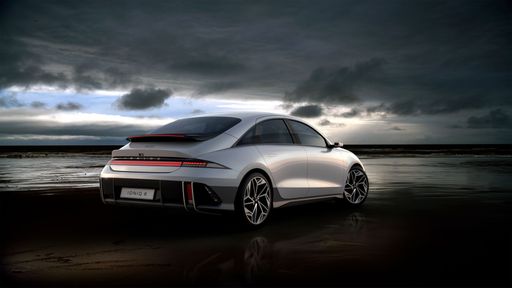
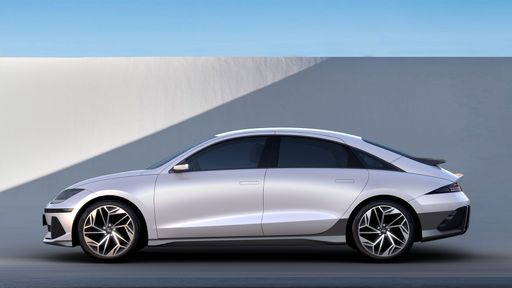
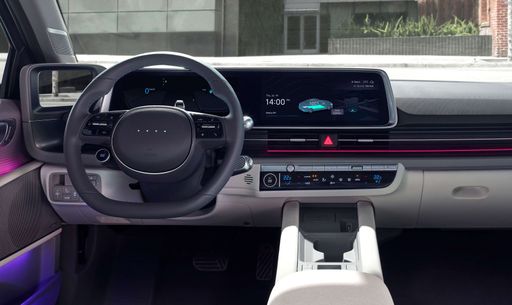
The Hyundai IONIQ 6 glides down the road with a poise that feels more runway model than commuter car, its sleek silhouette promising efficiency without trying too hard. Inside, a calm, minimalist cabin packed with clever, usable tech makes it a compelling choice for buyers who want electric motoring that's smart, stylish and quietly practical.
details
Audi A7
Hyundai IONIQ 6
Costs and Consumption |
|
|---|---|
|
Price
55000 - 117900 £
|
Price
37600 - 64300 £
|
|
Consumption L/100km
1.2 - 12.2 L
|
Consumption L/100km
-
|
|
Consumption kWh/100km
-
|
Consumption kWh/100km
13.9 - 15.1 kWh
|
|
Electric Range
67 - 68 km
|
Electric Range
429 - 614 km
|
|
Battery Capacity
14.40 kWh
|
Battery Capacity
53 - 84 kWh
|
|
co2
28 - 276 g/km
|
co2
0 g/km
|
|
Fuel tank capacity
52 - 73 L
|
Fuel tank capacity
-
|
Dimensions and Body |
|
|---|---|
|
Body Type
Hatchback
|
Body Type
Hatchback
|
|
Seats
4
|
Seats
5
|
|
Doors
5
|
Doors
4
|
|
Curb weight
1770 - 2150 kg
|
Curb weight
1850 - 2095 kg
|
|
Trunk capacity
380 - 535 L
|
Trunk capacity
401 L
|
|
Length
4969 - 5009 mm
|
Length
4855 - 4935 mm
|
|
Width
1908 - 1950 mm
|
Width
1880 - 1940 mm
|
|
Height
1422 - 1424 mm
|
Height
1495 mm
|
|
Max trunk capacity
1235 - 1390 L
|
Max trunk capacity
-
|
|
Payload
510 - 600 kg
|
Payload
425 - 430 kg
|
Engine and Performance |
|
|---|---|
|
Engine Type
Diesel MHEV, Petrol MHEV, Plugin Hybrid
|
Engine Type
Electric
|
|
Transmission
Automatic
|
Transmission
Automatic
|
|
Transmission Detail
Dual-Clutch Automatic, Automatic Gearbox
|
Transmission Detail
Reduction Gearbox
|
|
Drive Type
All-Wheel Drive, Front-Wheel Drive
|
Drive Type
Rear-Wheel Drive, All-Wheel Drive
|
|
Power HP
204 - 630 HP
|
Power HP
151 - 650 HP
|
|
Acceleration 0-100km/h
3.4 - 8.1 s
|
Acceleration 0-100km/h
3.2 - 8.8 s
|
|
Max Speed
245 - 280 km/h
|
Max Speed
185 - 257 km/h
|
|
Torque
370 - 850 Nm
|
Torque
350 - 770 Nm
|
|
Number of Cylinders
4 - 8
|
Number of Cylinders
-
|
|
Power kW
150 - 463 kW
|
Power kW
111 - 478 kW
|
|
Engine capacity
1968 - 3996 cm3
|
Engine capacity
-
|
General |
|
|---|---|
|
Model Year
2023 - 2024
|
Model Year
2022 - 2025
|
|
CO2 Efficiency Class
E, F, B, G
|
CO2 Efficiency Class
A
|
|
Brand
Audi
|
Brand
Hyundai
|
What drivetrain options does the Audi A7 have?
Available configurations include All-Wheel Drive or Front-Wheel Drive.
The prices shown are estimates based on German list prices, adjusted for local VAT. Local registration taxes (e.g. NoVA, BPM or CO2 malus) are not included. This information is not legally binding.