VW Caddy Compact Van Cargo Van, starting at 25800 £

The VW Caddy Compact Van Cargo Van impresses with 150 HP 120 km and an attractive starting price of 25800 £ . Here are all the details at a glance.

from about £25,800
Caddy Compact Van

VW Caddy Compact Van

  • Engine Type : Petrol, Diesel, Plugin Hybrid
  • Transmission : Manuel, Automatic
  • Drive Type : Front-Wheel Drive, All-Wheel Drive
  • Power HP : 102 - 150 HP
  • Consumption L/100km : 0.5 - 6.8 L
  • Electric Range : 117 - 120 km

Street Stance and Workman’s Style

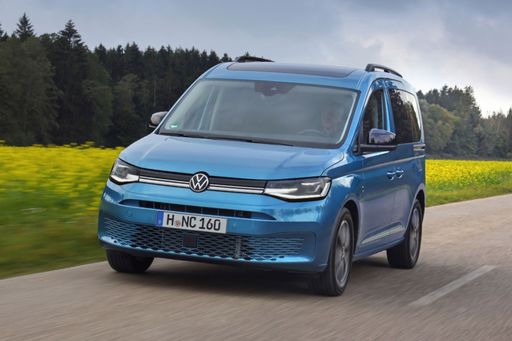
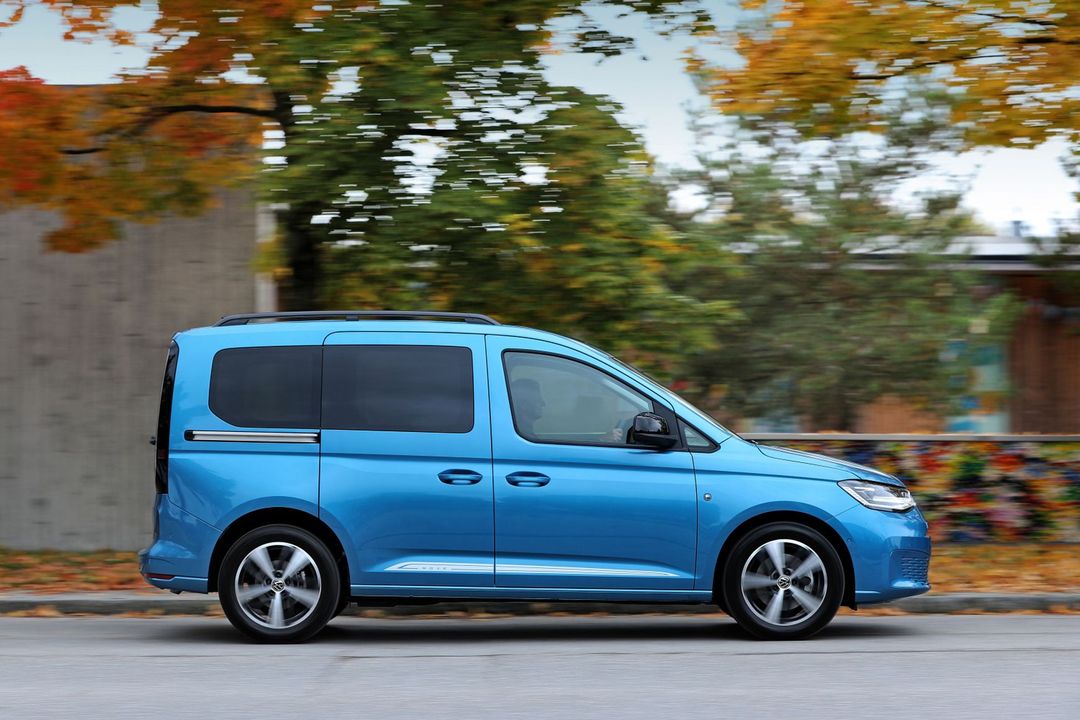
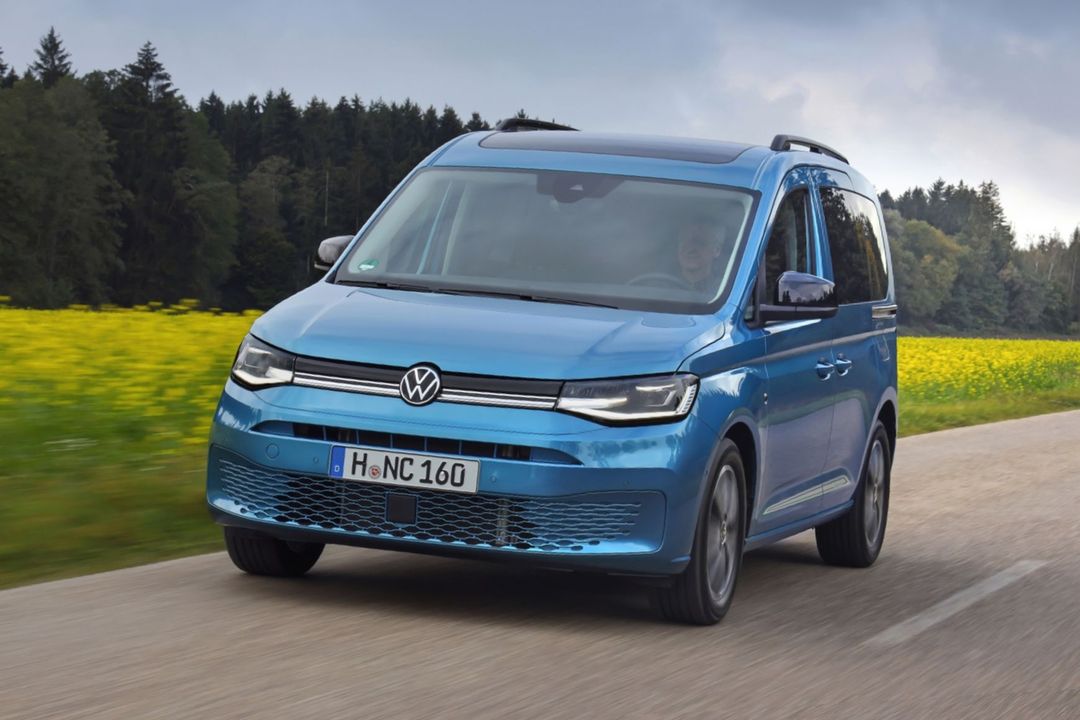
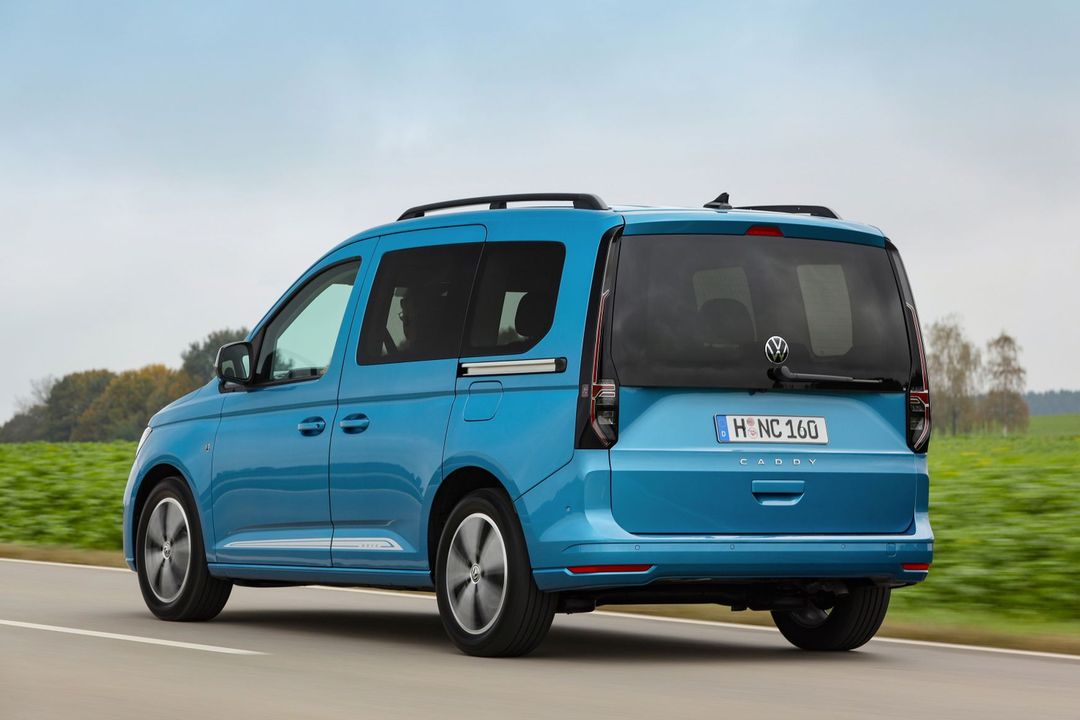
The Caddy Compact Van keeps Volkswagen’s pragmatic design language but with a tidy, modern face that feels less utilitarian than a decade ago and more like a small commercial car than an old-school box on wheels. Its compact footprint — roughly 4,500 to 4,853 mm depending on the wheelbase — makes it easy to park in tight city streets while the squared-off rear still screams practicality. Visual cues are conservative rather than flashy, which suits buyers who want a professional, low-drama presence on the road.
Cab That Works

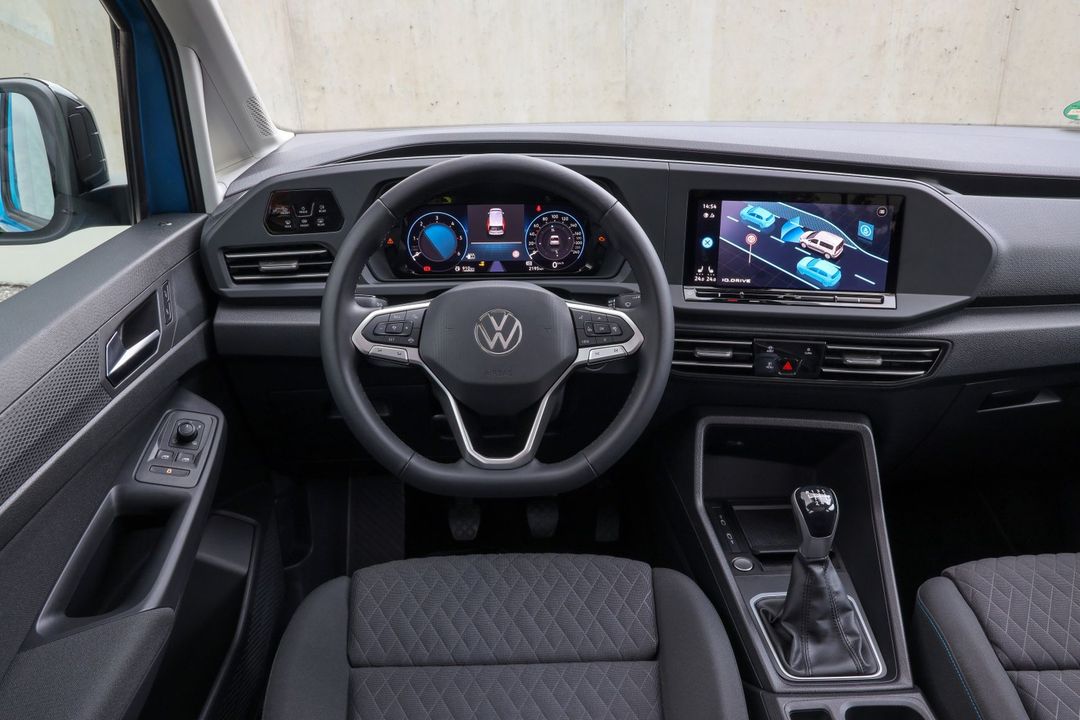
Inside, the Caddy’s cabin is focused on durability and logic: hard-wearing plastics where it matters, sensible switches and a driving position that prioritises visibility and comfort for long shifts. Storage cubbies, cupholders and an intuitive dash layout keep small tools and paperwork within reach, and the two-seat cargo spec keeps things uncluttered for tradespeople. Materials and fit feel closer to passenger-car standards than to bargain-basement vans, so daily use doesn’t feel like punishment.

Load It Up

The Caddy’s cargo area is where it earns its money: maximum load volume ranges from about 3,100 to 3,700 litres depending on the model, with payload capacities approaching the 700–760 kg band on the stronger specs, which covers a wide range of trade needs. That capacity swallows building materials, larger pieces of furniture or a week’s worth of deliveries without constant trips back to the depot. Practical touches such as sliding side doors, multiple tie-down points and a low load sill make loading and unloading faster and safer in real-world work cycles.

Not Just a Mule

Under the hood the Caddy offers a spread of engines to match how the van will be used, from a 116 hp 1.5 TSI petrol through 102–122 hp 2.0 TDI diesels up to a peppier 150 hp 1.5 TSI eHybrid plug-in, and there are manual and dual‑clutch automatic options plus front- and some all‑wheel drive variants. On the road the setup favours comfort and predictability: steering is light at low speeds for urban manoeuvres yet composed on the motorway, and the diesel choices provide stronger pulling power under load. The plug‑in hybrid adds electric drive for city trips, while the diesels remain the sensible choice for sustained motorway or heavily laden work.

Fuel Bills and Electric Short Trips

Real-world consumption depends on engine and duty cycle: petrols are quoted around 6.5–6.8 L/100 km, diesels roughly 5.3–5.6 L/100 km, and the plug‑in hybrid can report a combined figure as low as 0.5 L/100 km when regularly charged, thanks to an electric range of about 117–120 km and a 19.7 kWh battery. For high-mileage users the diesel trims deliver the lowest per‑kilometre fuel cost and consistent range, while the eHybrid is ideal for urban fleets or tradespeople who can plug in overnight and do most daily runs on electric power. The Caddy’s roughly 50 L fuel tank keeps range practical for mixed use without constant refuelling stops.

Tech That Keeps the Day Moving

Infotainment and safety tech follow VW’s familiar formula: touchscreen systems with smartphone mirroring, clear operator menus and a useful suite of driver aids such as lane assist, adaptive cruise and parking sensors that reduce fatigue on long shifts. The systems aren’t overcomplicated, which suits commercial users who need reliability and quick access rather than flashy graphics. Optional extras give fleet managers choice on connected services and assistance packs to suit the intensity of daily operations.

Who Should Sign the Order?

The Caddy Compact Van targets small businesses, contractors and urban delivery operators who need a compact footprint without sacrificing genuine load capacity and payload — essentially anyone needing a versatile, work-ready van that drives closer to a car than a truck. Choose the petrol for lower purchase cost and mixed urban/motorway use, diesel for long-distance or heavy-load efficiency, and the plug‑in hybrid if most work is local and charging is available. With pragmatic design, useful cargo space up to 3,700 litres and flexible driveline choices, it’s a sensible pick for fleets and sole traders who value reliability and low operating fuss.

Costs and Consumption

Price
25800 - 42300 £
Consumption L/100km
0.5 - 6.8 L
Consumption kWh/100km
-
Electric Range
117 - 120 km
Battery Capacity
19.70 kWh
co2
11 - 154 g/km
Fuel tank capacity
50 L

Dimensions and Body

Body Type
Cargo Van
Seats
2
Doors
4 - 5
Curb weight
1442 - 1818 kg
Trunk capacity
-
Length
4500 - 4853 mm
Width
1855 mm
Height
1819 - 1823 mm
Max trunk capacity
3100 - 3700 L
Payload
628 - 759 kg

Engine and Performance

Engine Type
Petrol, Diesel, Plugin Hybrid
Transmission
Manuel, Automatic
Transmission Detail
Manual Gearbox, Dual-Clutch Automatic
Drive Type
Front-Wheel Drive, All-Wheel Drive
Power HP
102 - 150 HP
Acceleration 0-100km/h
-
Max Speed
175 - 186 km/h
Torque
220 - 320 Nm
Number of Cylinders
4
Power kW
75 - 110 kW
Engine capacity
1498 - 1968 cm3

General

Model Year
2024
CO2 Efficiency Class
E, B
Brand
VW
Is the VW Caddy Compact Van offered with different drivetrains?

The VW Caddy Compact Van is available as Front-Wheel Drive or All-Wheel Drive.

The prices shown are estimates based on German list prices, adjusted for local VAT. Local registration taxes (e.g. NoVA, BPM or CO2 malus) are not included. This information is not legally binding.