
 Deutschland
 France
 Nederland
 Great Britain
 Sverige
 Danmark
 Suomi
Suomi Italia
 Polska
 Česko
Česko España
VS
Audi Q8 vs Hyundai IONIQ 6 comparison
Compare performance (640 HP vs 650 HP), boot space and price (77,300 £ vs 39,000 £ ) at a glance. Find out which car is the better choice for you – Audi Q8 or Hyundai IONIQ 6?
Audi Q8 vs Hyundai IONIQ 6: Key differences
Q8
Costs and Efficiency:
Looking at overall running costs, both models reveal some interesting differences in everyday economy.
Hyundai IONIQ 6 is significantly cheaper – starting at 39,000 £ , while the Audi Q8 costs 77,300 £ . That’s a price difference of around 38,272 £.
As for electric range, the Hyundai IONIQ 6 offers significantly more range – reaching up to 680 km, about 600 km more than the Audi Q8.
IONIQ 6
Engine and Performance:
Power, torque and acceleration are the classic benchmarks for car enthusiasts – and here, some clear differences start to show.
When it comes to engine power, the Hyundai IONIQ 6 offers barely more power – delivering 650 HP compared to 640 HP. That’s roughly 10 HP more horsepower.
When accelerating from 0 to 100 km/h, the Hyundai IONIQ 6 is very slightly quicker – completing the sprint in 3.3 s, while the Audi Q8 takes 3.6 s. That’s about 0.3 s quicker.
There’s also a difference in torque: the Audi Q8 delivers very slightly more torque with 850 Nm compared to 770 Nm. That’s about 80 Nm more.
Q8
Space and Everyday Use:
Beyond pure performance, interior space and usability matter most in daily life. This is where you see which car is more practical and versatile.
Both vehicles offer seating for 5 people.
In terms of curb weight, Hyundai IONIQ 6 is slightly lighter – 1,892 kg compared to 2,175 kg. The difference is around 283 kg.
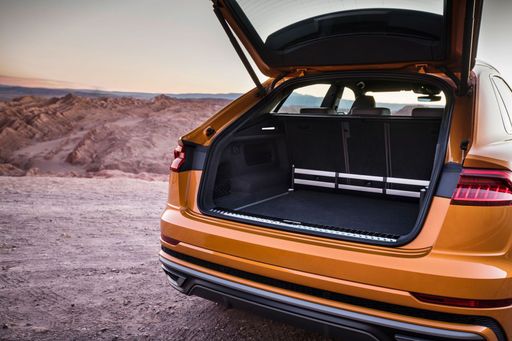
Looking at boot space, the Audi Q8 offers visibly more boot space – 605 L compared to 401 L. That’s a difference of about 204 L.
When it comes to payload, the Audi Q8 carries clearly more – 665 kg compared to 438 kg. That’s a difference of about 227 kg.
Who wins the race in the data check?
The Hyundai IONIQ 6 stands well ahead of its rival in the objective data comparison.
This result only shows which model scores more points on paper – not which of the two cars feels right for you.
from £39,000
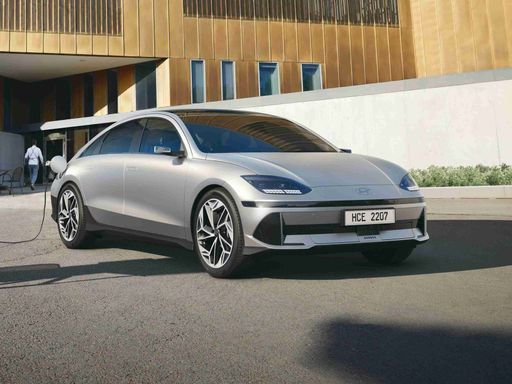
Hyundai IONIQ 6
Audi Q8
Hyundai IONIQ 6
Costs and Consumption
View detailed analysis
View detailed analysis
Engine and Performance
View detailed analysis
View detailed analysis
Dimensions and Body
View detailed analysis
View detailed analysis
Audi Q8
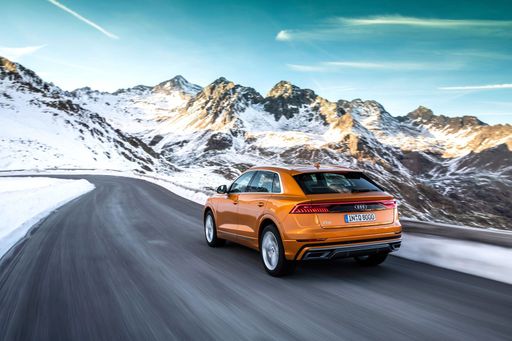
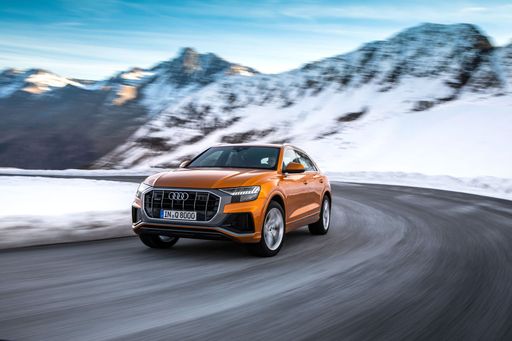
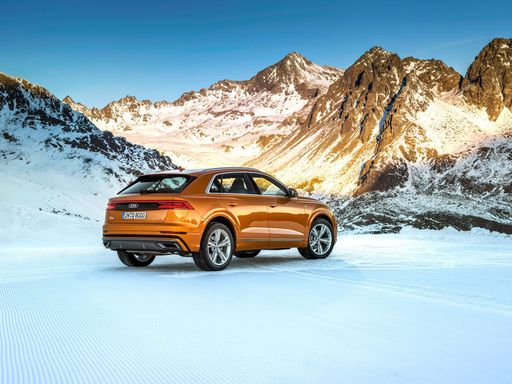
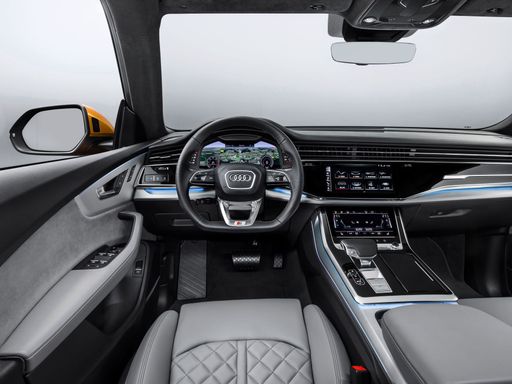
The Audi Q8 wraps coupe-like flair around a burly SUV stance, serving up a cabin dressed in premium materials and smart tech that puts comfort and swagger front and center. It’s composed and comfortable on long runs yet happy to play when asked, making it a tempting choice for buyers who want head-turning looks without surrendering everyday practicality.
details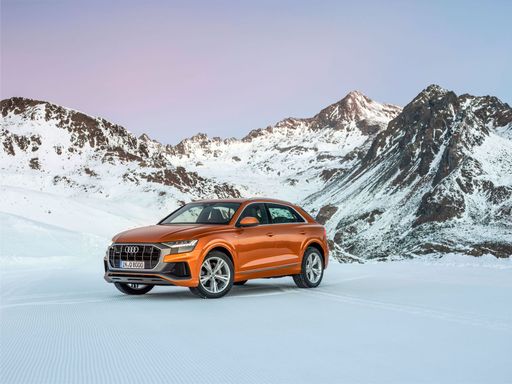

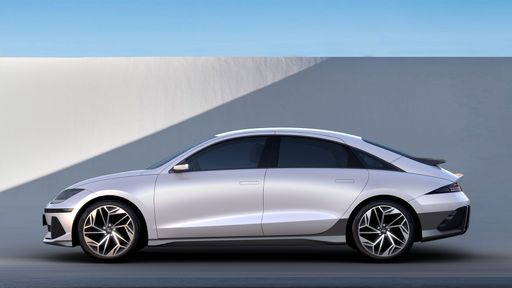
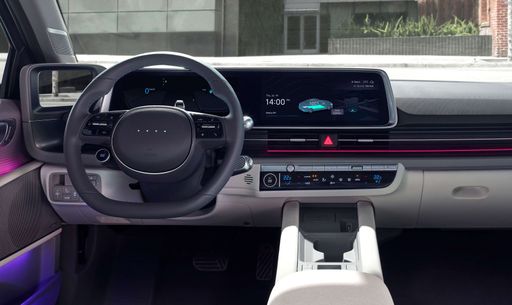
Hyundai IONIQ 6
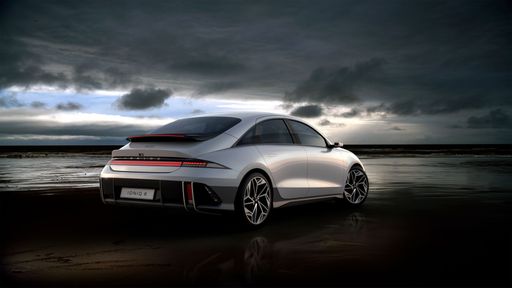
The Hyundai IONIQ 6 glides down the road with a poise that feels more runway model than commuter car, its sleek silhouette promising efficiency without trying too hard. Inside, a calm, minimalist cabin packed with clever, usable tech makes it a compelling choice for buyers who want electric motoring that's smart, stylish and quietly practical.
details
Audi Q8
Hyundai IONIQ 6
Costs and Consumption |
|
|---|---|
|
Price
77,300 - 137,100 £
|
Price
39,000 - 65,100 £
|
|
Consumption L/100km
3.9 - 13.1 L/100km
|
Consumption L/100km
-
|
|
Consumption kWh/100km
-
|
Consumption kWh/100km
13.4 - 18.7 kWh/100km
|
|
Electric Range
80 km
|
Electric Range
487 - 680 km
|
|
Battery Capacity
-
|
Battery Capacity
-
|
|
co2
88 - 297 g/km
|
co2
0 g/km
|
|
Fuel tank capacity
-
|
Fuel tank capacity
-
|
Dimensions and Body |
|
|---|---|
|
Body Type
SUV
|
Body Type
Hatchback
|
|
Seats
5
|
Seats
5
|
|
Doors
-
|
Doors
-
|
|
Curb weight
2,175 - 2,490 kg
|
Curb weight
1,892 - 2,241 kg
|
|
Trunk capacity
439 - 605 L
|
Trunk capacity
371 - 401 L
|
|
Length
-
|
Length
-
|
|
Width
1,995 - 2,007 mm
|
Width
1,880 - 1,940 mm
|
|
Height
-
|
Height
-
|
|
Max trunk capacity
-
|
Max trunk capacity
-
|
|
Payload
620 - 665 kg
|
Payload
386 - 438 kg
|
Engine and Performance |
|
|---|---|
|
Engine Type
Petrol MHEV, Diesel MHEV, Petrol, Plugin Hybrid
|
Engine Type
Electric
|
|
Transmission
Automatic
|
Transmission
Automatic
|
|
Transmission Detail
Automatic Gearbox
|
Transmission Detail
Reduction Gearbox
|
|
Drive Type
All-Wheel Drive
|
Drive Type
All-Wheel Drive, Rear-Wheel Drive
|
|
Power HP
231 - 640 HP
|
Power HP
170 - 650 HP
|
|
Acceleration 0-100km/h
3.6 - 7.1 s
|
Acceleration 0-100km/h
3.3 - 8.3 s
|
|
Max Speed
-
|
Max Speed
-
|
|
Torque
500 - 850 Nm
|
Torque
350 - 770 Nm
|
|
Number of Cylinders
6 - 8
|
Number of Cylinders
-
|
|
Power kW
170 - 471 kW
|
Power kW
125 - 478 kW
|
|
Engine capacity
2,967 - 3,996 cm3
|
Engine capacity
-
|
General |
|
|---|---|
|
Model Year
2025
|
Model Year
2026
|
|
CO2 Efficiency Class
G, B
|
CO2 Efficiency Class
A
|
|
Brand
Audi
|
Brand
Hyundai
|
DriveDuel uses data analysis and artificial intelligence to evaluate vehicle data and create content. Content is regularly reviewed and improved.
The displayed prices are estimates based on German list prices, adjusted to the respective country’s VAT. Country-specific registration taxes are not included. This information is not legally binding.