VS

BMW 4 Series Gran Coupe vs Volvo S90 comparison

Compare performance (392 HP vs 455 HP), boot space and price (45,700 £ vs 62,200 £ ) at a glance. Find out which car is the better choice for you – BMW 4 Series Gran Coupe or Volvo S90?

BMW 4 Series Gran Coupe vs Volvo S90: Key differences

BMW 4 Series Gran Coupe

  • noticeably cheaper
  • barely quicker 0–100 km/h
  • slightly lighter
  • marginally more trunk space

Volvo S90

  • a bit more power
  • substantially more efficient
4 Series Gran Coupe

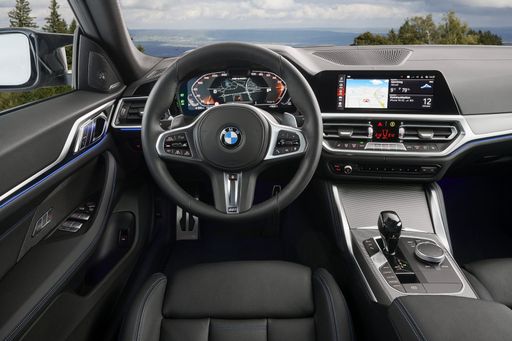
Design Elegance: BMW 4er Gran Coupe vs. Volvo S90

In the realm of modern luxury vehicles, the BMW 4er Gran Coupe and the Volvo S90 emerge as two formidable contenders, each reflecting its brand's unique blend of style, technology, and performance. Both cars cater to the discerning driver who seeks not only the thrill of driving but also an edge in comfort and innovation. Let's dive into the specifications and features that make these cars stand out.
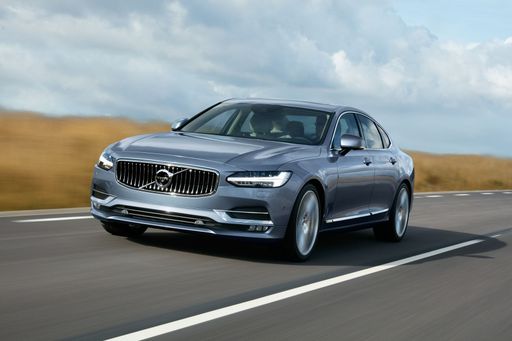
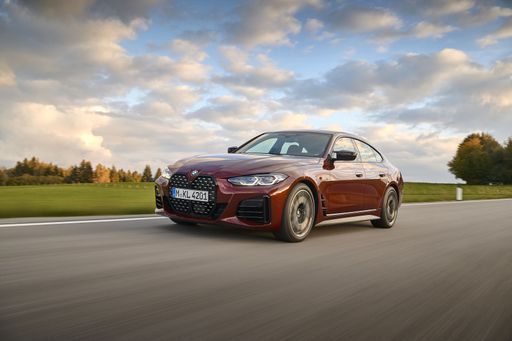
S90

Under the Hood: Engine and Performance

The BMW 4er Gran Coupe offers a variety of engine types, including Diesel MHEV (Mild Hybrid Electric Vehicle), Petrol, and Petrol MHEV, which can churn out a range between 184 to 374 horsepower. It's available in both rear-wheel and all-wheel drive, offering drivers a choice between traditional rear-wheel dynamics and the tenacity of AWD traction. With an acceleration range from 4.7 to 7.9 seconds for 0-100 km/h, the 4er Gran Coupe provides a sporty driving experience.

On the other hand, the Volvo S90 aims to balance power and eco-friendliness with its Diesel MHEV and Plug-in Hybrid options. The S90 can produce 235 to an impressive 455 horsepower and boasts an acceleration from 4.7 to 7 seconds. Its Plug-in Hybrid model impresses with a commendable electric range of up to 89 km, making it a solid choice for reducing carbon footprints and offering efficient city commuting.

4 Series Gran Coupe

Exterior and Interior Design

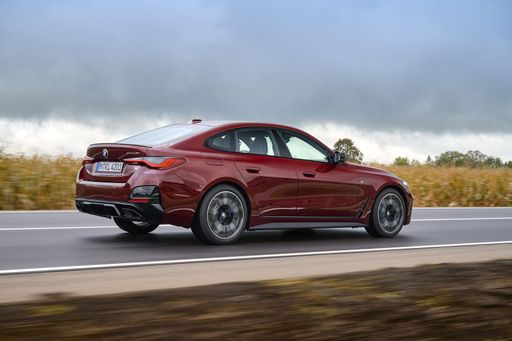
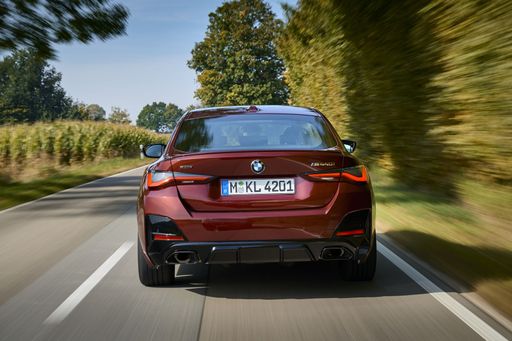
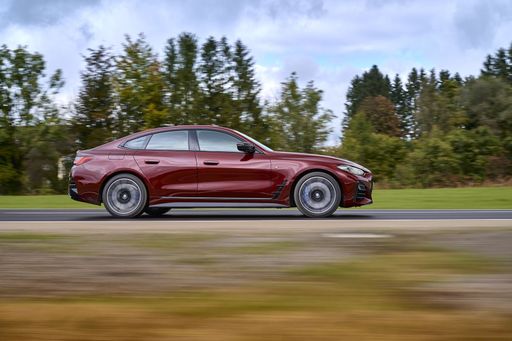
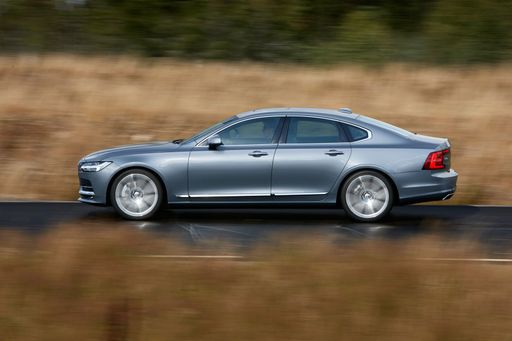
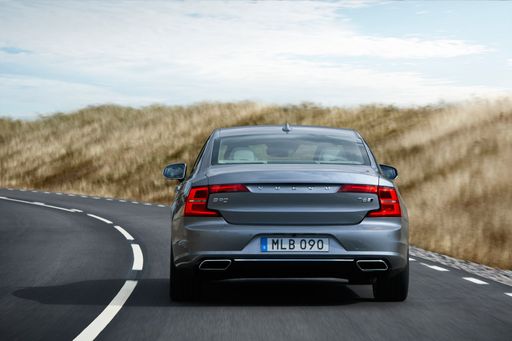
The BMW 4er Gran Coupe's sleek hatchback design emphasizes sports appeal with dimensions of 4783 mm in length, 1852 mm in width, and a height of 1442 mm. Its design ethos speaks to those who appreciate a sporty yet elegant aesthetic. Meanwhile, the Volvo S90’s sedan stance speaks luxury with sophistication, measuring 4969 mm in length, 1879 mm in width, and a height of 1440 mm. The S90 exemplifies Scandinavian minimalism blended with premium finishes.

S90

Comfort and Space

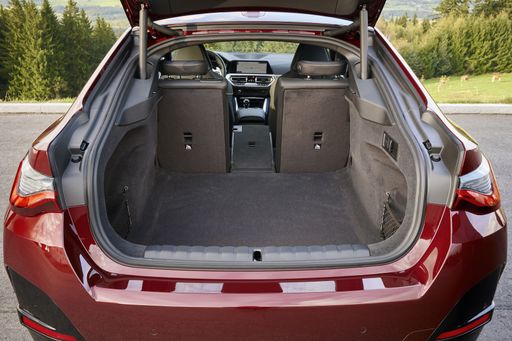
Inside, the BMW 4er Gran Coupe is tailored to seat four passengers, offering a slightly more driver-focused cabin. While the trunk capacity is a generous 470 liters, ensuring it meets practical needs, it caters more to sporty luxury seekers with its dynamic contouring and technology-focused cockpit.

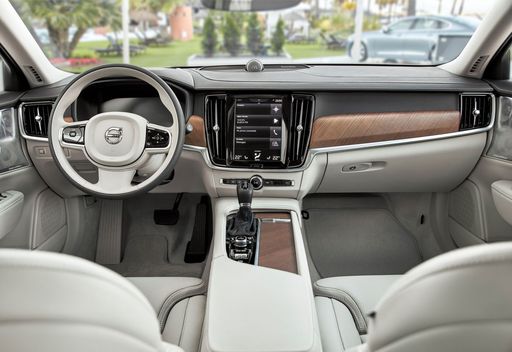
The Volvo S90, on the other hand, offers seating for five, appealing to families and couples who prioritize spacious comfort. Its trunk space ranges from 431 to 453 liters, slightly less than the BMW, but compensates with upscale seating comfort and a serene cabin environment filled with state-of-the-art connectivity and safety technologies.

4 Series Gran Coupe

Efficiency and Environmental Considerations

In terms of efficiency, the BMW 4er Gran Coupe's petrol and hybrid models present a consumption range from 5 to 8.2 L/100 km, with CO2 emissions from 131 to 186 g/km. These figures reflect a traditional focus on performance with environmental considerations.

The Volvo S90 steps up with its Plug-in Hybrid model that boasts a consumption rate as low as 0.8 L/100 km and CO2 emissions as low as 17 g/km, marking it as a leader in efficiency. This emphasis on sustainability resonates with eco-conscious consumers.

S90

Conclusion: Choosing Between Power and Eco-conscious Luxury

Deciding between the BMW 4er Gran Coupe and Volvo S90 extends beyond choosing a car; it’s about selecting a lifestyle. The BMW proposes a more performance-oriented ride with luxurious undertones, ideal for those who crave driving engagement. The Volvo, conversely, offers a refined yet sustainable approach, perfect for the eco-conscious driver with an appreciation for Scandinavian sophistication. Both vehicles represent the pinnacle of automotive ingenuity, each embodying distinct philosophies that appeal to different facets of modern driving desires.

Here’s where it gets real: The technical differences in detail

4 Series Gran Coupe

Costs and Efficiency:

Price and efficiency are often the first things buyers look at. Here it becomes clear which model has the long-term edge – whether at the pump, the plug, or in purchase price.

BMW 4 Series Gran Coupe is noticeably cheaper – starting at 45,700 £ , while the Volvo S90 costs 62,200 £ . That’s a price difference of around 16,543 £.

Fuel consumption also shows a difference: the Volvo S90 uses 0.8 L/100km and is substantially more efficient than the BMW 4 Series Gran Coupe with 5 L/100km. The difference is about 4.2 L/100km.

S90

Engine and Performance:

Power, torque and acceleration say a lot about how a car feels on the road. This is where you see which model delivers more driving dynamics.

When it comes to engine power, the Volvo S90 offers a bit more power – delivering 455 HP compared to 392 HP. That’s roughly 63 HP more horsepower.

When accelerating from 0 to 100 km/h, the BMW 4 Series Gran Coupe is barely quicker – completing the sprint in 4.6 s, while the Volvo S90 takes 4.7 s. That’s about 0.1 s quicker.

Looking at top speed, the BMW 4 Series Gran Coupe is clearly faster – reaching 250 km/h, while the Volvo S90 tops out at 180 km/h. The difference is around 70 km/h.

There’s also a difference in torque: the Volvo S90 delivers marginally more torque with 709 Nm compared to 650 Nm. That’s about 59 Nm more.

4 Series Gran Coupe

Space and Everyday Use:

Whether family car or daily driver – which one offers more room, flexibility and comfort?

Both vehicles offer seating for 5 people.

In terms of curb weight, BMW 4 Series Gran Coupe is slightly lighter – 1,695 kg compared to 1,912 kg. The difference is around 217 kg.

Looking at boot space, the BMW 4 Series Gran Coupe offers marginally more boot space – 470 L compared to 453 L. That’s a difference of about 17 L.

When it comes to payload, the Volvo S90 carries only slightly more – 518 kg compared to 480 kg. That’s a difference of about 38 kg.

Who wins the race in the data check?

The Volvo S90 is clearly superior overall in the objective data comparison.
This result only shows which model scores more points on paper – not which of the two cars feels right for you.

from £62,200
S90

Volvo S90

  • Engine Type : Diesel MHEV, Plugin Hybrid
  • Transmission : Automatic
  • Drive Type : All-Wheel Drive
  • Power HP : 235 - 455 HP
  • Consumption L/100km : 0.8 - 5.7 L/100km
  • Electric Range : 89 km
BMW 4 Series Gran Coupe
Volvo S90

Costs and Consumption

View detailed analysis

Engine and Performance

View detailed analysis

Dimensions and Body

View detailed analysis

BMW 4 Series Gran Coupe

The BMW 4 Series Gran Coupe marries coupe-like drama with hatchback practicality, offering a sloping roofline that still lets you load bags without a wrestling match. It steers with familiar BMW poise, so buyers after sporty looks and everyday usability get the best of both worlds—and a car that makes the commute feel a bit more glamorous.

details

Volvo S90

The Volvo S90 is a composed, elegant luxury sedan that dresses Scandinavian restraint in a quietly imposing package. It prioritises serene highway manners and a calm, tech‑savvy cabin, making it a car that suggests you deserve the nicer things in life without ever raising its voice.

details
BMW 4 Series Gran Coupe
Volvo S90

Costs and Consumption

Price
45,700 - 68,800 £
Price
62,200 - 70,500 £
Consumption L/100km
5 - 7.8 L/100km
Consumption L/100km
0.8 - 5.7 L/100km
Consumption kWh/100km
-
Consumption kWh/100km
-
Electric Range
-
Electric Range
89 km
Battery Capacity
-
Battery Capacity
14.7 kWh
co2
131 - 179 g/km
co2
17 - 149 g/km
Fuel tank capacity
59 L
Fuel tank capacity
60 L

Dimensions and Body

Body Type
Hatchback
Body Type
Sedan
Seats
5
Seats
5
Doors
5
Doors
4
Curb weight
1,695 - 1,935 kg
Curb weight
1,912 - 2,119 kg
Trunk capacity
470 L
Trunk capacity
431 - 453 L
Length
4,783 mm
Length
4,969 mm
Width
1,852 mm
Width
1,879 mm
Height
1,442 mm
Height
1,440 mm
Max trunk capacity
1,290 L
Max trunk capacity
-
Payload
480 kg
Payload
451 - 518 kg

Engine and Performance

Engine Type
Diesel MHEV, Petrol, Petrol MHEV
Engine Type
Diesel MHEV, Plugin Hybrid
Transmission
Automatic
Transmission
Automatic
Transmission Detail
Automatic Gearbox
Transmission Detail
Automatic Gearbox
Drive Type
Rear-Wheel Drive, All-Wheel Drive
Drive Type
All-Wheel Drive
Power HP
184 - 392 HP
Power HP
235 - 455 HP
Acceleration 0-100km/h
4.6 - 7.9 s
Acceleration 0-100km/h
4.7 - 7 s
Max Speed
233 - 250 km/h
Max Speed
180 km/h
Torque
300 - 650 Nm
Torque
480 - 709 Nm
Number of Cylinders
4 - 6
Number of Cylinders
4
Power kW
135 - 288 kW
Power kW
173 - 335 kW
Engine capacity
1,995 - 2,998 cm3
Engine capacity
1,969 cm3

General

Model Year
2,024 - 2,025
Model Year
2,022 - 2,024
CO2 Efficiency Class
D, E, F, G
CO2 Efficiency Class
E, B
Brand
BMW
Brand
Volvo
DriveDuel uses data analysis and artificial intelligence to evaluate vehicle data and create content. Content is regularly reviewed and improved. The displayed prices are estimates based on German list prices, adjusted to the respective country’s VAT. Country-specific registration taxes are not included. This information is not legally binding.