VS

BMW i5 vs Audi A6 e-tron Sportback comparison

Compare performance (601 HP vs 551 HP), boot space and price (60,800 £ vs 53,800 £ ) at a glance. Find out which car is the better choice for you – BMW i5 or Audi A6 e-tron Sportback?

BMW i5 vs Audi A6 e-tron Sportback: Key differences

BMW i5

  • only slightly more power
  • only slightly quicker 0–100 km/h
details

Audi A6 e-tron Sportback

  • somewhat cheaper
  • marginally more efficient
  • somewhat more electric range
  • marginally lighter
  • marginally more trunk space
details

By Achim Sedelmaier

i5

A Battle of Electric Elegance: Audi A6 e-tron Sportback vs BMW i5

In the ever-evolving realm of electric vehicles, 2023-2024 has seen the introduction of two exceptional contenders vying for dominance: the Audi A6 e-tron Sportback and the BMW i5. Both vehicles epitomize the future of luxurious electric driving, imbued with cutting-edge technology and impeccable design. Let’s delve into these electrifying masterpieces and see what sets them apart.
A6 e-tron Sportback

Design and Exterior Dimensions

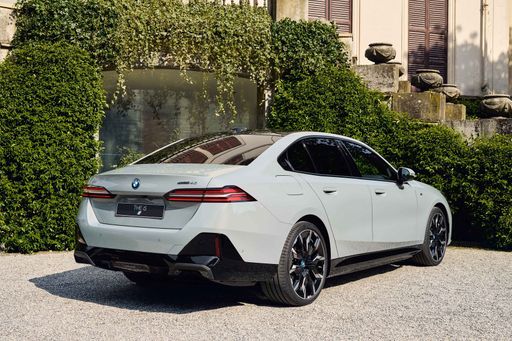
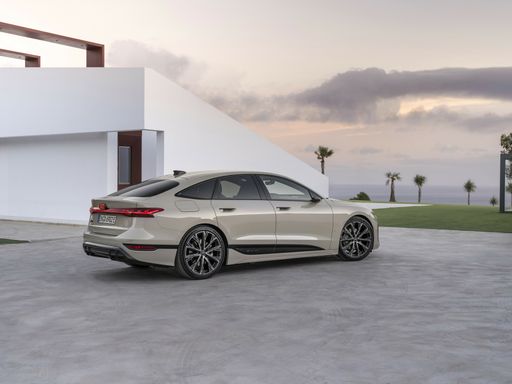
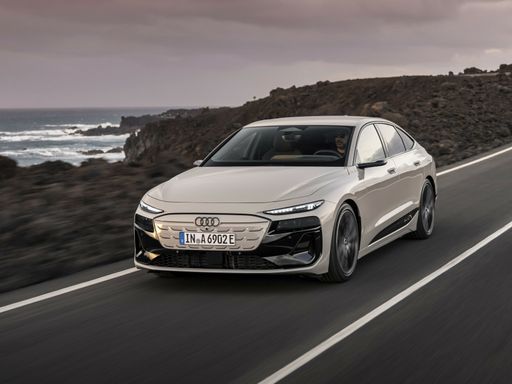
The Audi A6 e-tron Sportback and BMW i5 both sport distinctive designs that reflect their brand’s aesthetics and philosophy. The Audi A6 e-tron exemplifies the Sportback style, a hatchback silhouette with a sleek profile, measuring 4,928 mm in length. It commands attention with its sharp lines and an aerodynamic finesse that hints at its electric prowess.

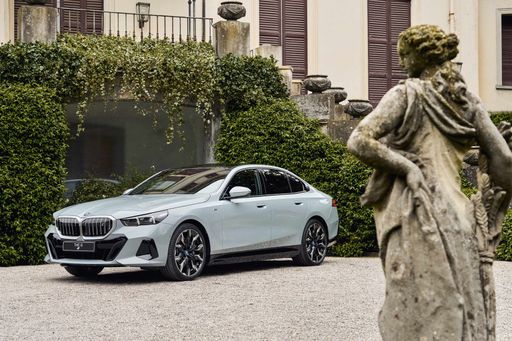
In contrast, the BMW i5 presents itself as a classic sedan, stretching 5,060 mm long. Its design exudes a sense of understated elegance, maintaining BMW's tradition of combining performance and poise. The smooth lines and balanced proportions speak to its luxurious yet sporty intentions.

i5

Performance and Efficiency

Under the hood, or rather, where the engine would traditionally lie, both vehicles offer electric powertrains characterized by potency and efficiency. The A6 e-tron Sportback provides a range of horsepower options from 326 to an impressive 551 HP, with torque reaching up to 855 Nm. The acceleration on this Audi model ranges from 3.9 to 6 seconds for 0 to 100 km/h, catering to those with a need for speed.

The BMW i5 closely matches with its horsepower range from 340 to 601 HP and torque maxing out at 820 Nm. It offers slightly different acceleration dynamics, with figures between 3.8 to 6 seconds for the same sprint. Both vehicles have been engineered to deliver exhilarating acceleration, a hallmark of electric vehicles.

A6 e-tron Sportback

Electric Range and Consumption

The Audi A6 e-tron Sportback showcases an electric range between 572 km and an outstanding 754 km on a single charge, depending on driving conditions and model variant. This tremendous range, coupled with consumption figures from 13.7 to 16.3 kWh/100 km, highlights Audi's commitment to efficiency.

BMW's i5, meanwhile, offers a range of 511 km to 582 km, with energy consumption ranging between 15.9 and 18.4 kWh/100 km. While slightly less than Audi's offering, these figures are indicative of BMW's balanced approach between performance and economy.

i5

Battery and Charging

The A6 e-tron Sportback is equipped with choices like a 94.9 kWh battery that delivers its stellar range. BMW i5, on the other hand, is powered by an 81.2 kWh battery. Both cars are designed to minimize charging times and maximize journey durations, showcasing advanced charging infrastructure capabilities that will become standard in future electric vehicles.

A6 e-tron Sportback

Interior and Comfort

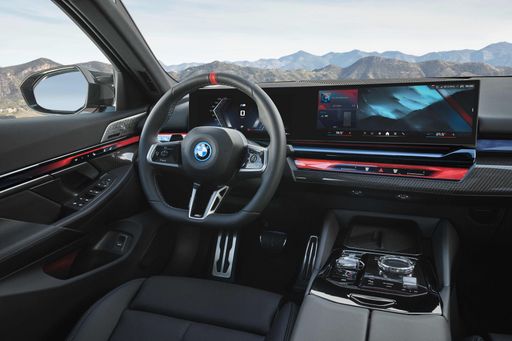
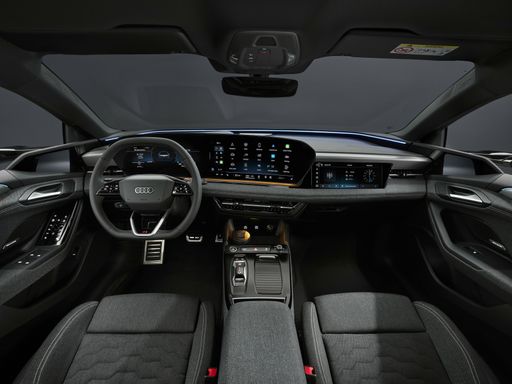
Both models offer lavish interiors that comfortably accommodate up to five passengers. The Audi includes a 502-liter trunk capacity, slightly edging out the BMW's 490 liters. Each car provides a premium in-cabin experience, with both models featuring state-of-the-art infotainment systems, driver aids, and connectivity features that redefine modern automotive luxury.

Conclusion

Choosing between the Audi A6 e-tron Sportback and BMW i5 is no easy feat, as both present compelling arguments in their own right. The Audi excels in range and efficiency, ideal for those who prize extended journeys with minimal charging interruptions. Conversely, the BMW i5 offers dynamic performance and classic sedan appeal for enthusiasts who value traditional elegance fused with electric innovation.

Ultimately, the best choice will depend on individual preferences, be it Audi's avant-garde allure or BMW's timeless sophistication. Whichever side of the debate one falls on, it’s clear that the future of electric luxury is in capable hands, ready to define a new era of driving pleasure.

Here’s where it gets real: The technical differences in detail

i5

Costs and Efficiency:

Price and efficiency are often the first things buyers look at. Here it becomes clear which model has the long-term edge – whether at the pump, the plug, or in purchase price.

Audi A6 e-tron Sportback is somewhat cheaper – starting at 53,800 £ , while the BMW i5 costs 60,800 £ . That’s a price difference of around 6,943 £.

In terms of energy consumption, the Audi A6 e-tron Sportback is marginally more efficient: consuming 13.7 kWh/100km compared to 14.7 kWh/100km for the BMW i5. That’s a difference of about 1 kWh/100km.

As for electric range, the Audi A6 e-tron Sportback offers somewhat more range – reaching up to 754 km, about 127 km more than the BMW i5.

A6 e-tron Sportback

Engine and Performance:

Power, torque and acceleration say a lot about how a car feels on the road. This is where you see which model delivers more driving dynamics.

When it comes to engine power, the BMW i5 offers only slightly more power – delivering 601 HP compared to 551 HP. That’s roughly 50 HP more horsepower.

When accelerating from 0 to 100 km/h, the BMW i5 is only slightly quicker – completing the sprint in 3.8 s, while the Audi A6 e-tron Sportback takes 3.9 s. That’s about 0.1 s quicker.

There’s also a difference in torque: the Audi A6 e-tron Sportback delivers only slightly more torque with 855 Nm compared to 820 Nm. That’s about 35 Nm more.

i5

Space and Everyday Use:

Whether family car or daily driver – which one offers more room, flexibility and comfort?

Both vehicles offer seating for 5 people.

In terms of curb weight, Audi A6 e-tron Sportback is marginally lighter – 2,175 kg compared to 2,195 kg. The difference is around 20 kg.

Looking at boot space, the Audi A6 e-tron Sportback offers marginally more boot space – 502 L compared to 490 L. That’s a difference of about 12 L.

When it comes to payload, the BMW i5 carries barely more – 545 kg compared to 500 kg. That’s a difference of about 45 kg.

Who wins the race in the data check?

The Audi A6 e-tron Sportback is barely ahead in the objective data comparison.
This result only shows which model scores more points on paper – not which of the two cars feels right for you.

from £53,800
A6 e-tron Sportback

Audi A6 e-tron Sportback

  • Engine Type : Electric
  • Transmission : Automatic
  • Drive Type : Rear-Wheel Drive, All-Wheel Drive
  • Power HP : 326 - 551 HP
  • Consumption kWh/100km : 13.7 - 16.3 kWh/100km
  • Electric Range : 572 - 754 km
BMW i5
Audi A6 e-tron Sportback

Costs and Consumption

View detailed analysis

Engine and Performance

View detailed analysis

Dimensions and Body

View detailed analysis

BMW i5

The BMW i5 swaps predictable executive-car manners for a confident electric vibe, marrying refined comfort with surprisingly engaging steering. It’s a practical choice that doesn’t feel dull, offering the kind of clean, premium experience that makes commuting feel like a small indulgence.

details

Audi A6 e-tron Sportback

The Audi A6 e-tron Sportback wraps futuristic electric technology in elegant, coupe-like proportions, so you arrive looking sharp without shouting for attention. Inside, refined materials and a calm, driver-focused layout make it a convincing choice for buyers who want quiet, effortless performance with a dash of everyday practicality — the kind of car that raises eyebrows without saying a word.

details
BMW i5
Audi A6 e-tron Sportback

Costs and Consumption

Price
60,800 - 85,900 £
Price
53,800 - 98,700 £
Consumption L/100km
-
Consumption L/100km
-
Consumption kWh/100km
14.7 - 17.1 kWh/100km
Consumption kWh/100km
13.7 - 16.3 kWh/100km
Electric Range
540 - 627 km
Electric Range
572 - 754 km
Battery Capacity
-
Battery Capacity
75.8 - 94.9 kWh
co2
0 g/km
co2
0 g/km
Fuel tank capacity
-
Fuel tank capacity
-

Dimensions and Body

Body Type
Sedan
Body Type
Hatchback
Seats
5
Seats
5
Doors
-
Doors
5
Curb weight
2,195 - 2,370 kg
Curb weight
2,175 - 2,400 kg
Trunk capacity
490 L
Trunk capacity
502 L
Length
-
Length
4,928 mm
Width
1,900 mm
Width
1,923 mm
Height
-
Height
1,465 - 1,487 mm
Max trunk capacity
-
Max trunk capacity
1,330 L
Payload
525 - 545 kg
Payload
470 - 500 kg

Engine and Performance

Engine Type
Electric
Engine Type
Electric
Transmission
Automatic
Transmission
Automatic
Transmission Detail
Reduction Gearbox
Transmission Detail
Reduction Gearbox
Drive Type
Rear-Wheel Drive, All-Wheel Drive
Drive Type
Rear-Wheel Drive, All-Wheel Drive
Power HP
340 - 601 HP
Power HP
326 - 551 HP
Acceleration 0-100km/h
3.8 - 6 s
Acceleration 0-100km/h
3.9 - 6 s
Max Speed
-
Max Speed
210 - 240 km/h
Torque
430 - 820 Nm
Torque
435 - 855 Nm
Number of Cylinders
-
Number of Cylinders
-
Power kW
250 - 442 kW
Power kW
240 - 405 kW
Engine capacity
-
Engine capacity
-

General

Model Year
2,023 - 2,024
Model Year
2024
CO2 Efficiency Class
A
CO2 Efficiency Class
A
Brand
BMW
Brand
Audi
DriveDuel uses data analysis and artificial intelligence to evaluate vehicle data and create content. Content is regularly reviewed and improved. The displayed prices are estimates based on German list prices, adjusted to the respective country’s VAT. Country-specific registration taxes are not included. This information is not legally binding.