
 Deutschland
 France
 Nederland
 Great Britain
 Sverige
 Danmark
 Suomi
Suomi Italia
 Polska
 Česko
Česko España
VS
Lexus LS vs VW Crafter comparison
Compare performance (359 HP vs 177 HP), boot space and price (112,300 £ vs 47,100 £ ) at a glance. Find out which car is the better choice for you – Lexus LS or VW Crafter?
Lexus LS vs VW Crafter: Key differences
LS
Costs and Efficiency:
Price and efficiency are key factors when choosing a car – and this is often where the real differences emerge.
VW Crafter is substantially cheaper – starting at 47,100 £ , while the Lexus LS costs 112,300 £ . That’s a price difference of around 65,153 £.
Fuel consumption also shows a difference: the VW Crafter uses 8.4 L/100km and is a bit more efficient than the Lexus LS with 9.6 L/100km. The difference is about 1.2 L/100km.
Crafter
Engine and Performance:
Power, torque and acceleration say a lot about how a car feels on the road. This is where you see which model delivers more driving dynamics.
When it comes to engine power, the Lexus LS offers substantially more power – delivering 359 HP compared to 177 HP. That’s roughly 182 HP more horsepower.
Looking at top speed, the Lexus LS is noticeably faster – reaching 250 km/h, while the VW Crafter tops out at 165 km/h. The difference is around 85 km/h.
LS
Space and Everyday Use:
Whether family car or daily driver – which one offers more room, flexibility and comfort?
Seats: Lexus LS offers more seats – 4 vs 2.
In terms of curb weight, VW Crafter is a bit lighter – 2,072 kg compared to 2,345 kg. The difference is around 273 kg.
When it comes to payload, the VW Crafter carries considerably more – 2,994 kg compared to 455 kg. That’s a difference of about 2,539 kg.
Who wins the race in the data check?
The Lexus LS holds a narrow overall lead in the objective data comparison.
This result only shows which model scores more points on paper – not which of the two cars feels right for you.
from £112,300
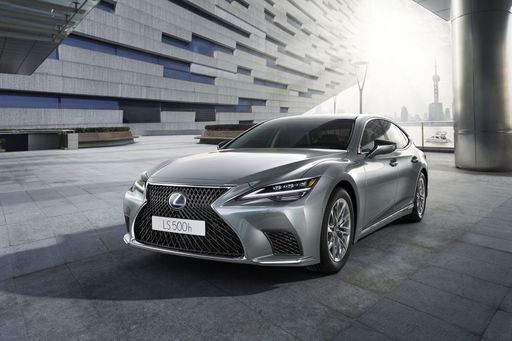
Lexus LS
Lexus LS
VW Crafter
Costs and Consumption
View detailed analysis
View detailed analysis
Engine and Performance
View detailed analysis
View detailed analysis
Dimensions and Body
View detailed analysis
View detailed analysis
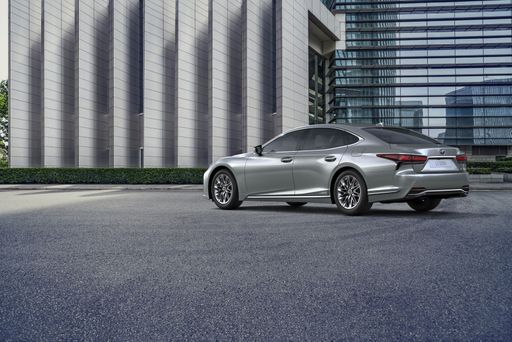
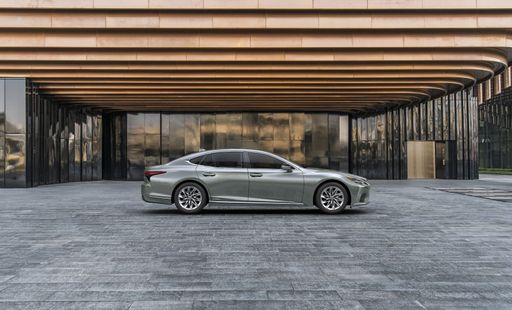
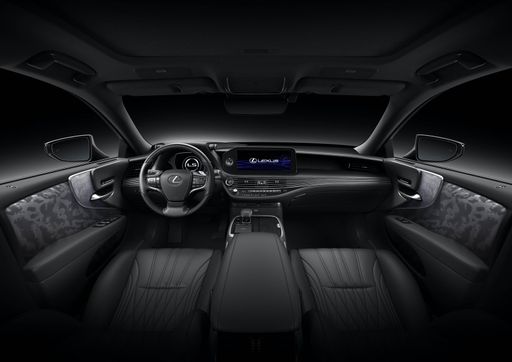
Lexus LS
The Lexus LS is a quietly opulent flagship that wraps cutting-edge tech in a calm, Zen-like cabin, turning gridlock into a spa appointment. Buyers after polished refinement and faultless build quality will love its hushed ride and diplomatic road manners, even if it never cries out for attention.
details
VW Crafter
The VW Crafter is a no-nonsense workhorse that makes hauling and running a mobile business feel almost civilized, with a cabin built for long days and smart storage where you need it. It may not turn heads for glamour, but its sturdy build, straightforward tech and reliable manners mean fewer headaches for owners — a van that prefers to earn your trust rather than demand attention.
details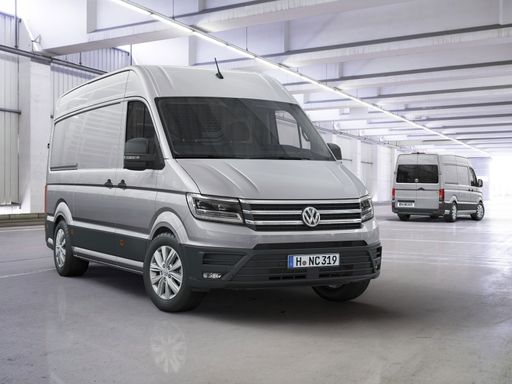
Lexus LS
VW Crafter
Costs and Consumption |
|
|---|---|
|
Price
112,300 - 131,100 £
|
Price
47,100 - 68,800 £
|
|
Consumption L/100km
9.6 L/100km
|
Consumption L/100km
8.4 - 13.1 L/100km
|
|
Consumption kWh/100km
-
|
Consumption kWh/100km
-
|
|
Electric Range
-
|
Electric Range
-
|
|
Battery Capacity
-
|
Battery Capacity
-
|
|
co2
216 g/km
|
co2
220 - 342 g/km
|
|
Fuel tank capacity
82 L
|
Fuel tank capacity
75 L
|
Dimensions and Body |
|
|---|---|
|
Body Type
Sedan
|
Body Type
Cargo Van
|
|
Seats
4
|
Seats
2
|
|
Doors
4
|
Doors
4
|
|
Curb weight
2,345 kg
|
Curb weight
2,072 - 2,810 kg
|
|
Trunk capacity
430 L
|
Trunk capacity
-
|
|
Length
5,235 mm
|
Length
5,986 - 7,391 mm
|
|
Width
1,900 mm
|
Width
2,040 - 2,069 mm
|
|
Height
1,460 mm
|
Height
2,355 - 2,830 mm
|
|
Max trunk capacity
-
|
Max trunk capacity
9,300 - 18,400 L
|
|
Payload
455 kg
|
Payload
1,037 - 2,994 kg
|
Engine and Performance |
|
|---|---|
|
Engine Type
Full Hybrid
|
Engine Type
Diesel
|
|
Transmission
Automatic
|
Transmission
Manuel, Automatic
|
|
Transmission Detail
Automatic Gearbox
|
Transmission Detail
Manual Gearbox, Automatic Gearbox
|
|
Drive Type
All-Wheel Drive
|
Drive Type
Rear-Wheel Drive, Front-Wheel Drive, All-Wheel Drive
|
|
Power HP
359 HP
|
Power HP
140 - 177 HP
|
|
Acceleration 0-100km/h
5.5 s
|
Acceleration 0-100km/h
-
|
|
Max Speed
250 km/h
|
Max Speed
90 - 165 km/h
|
|
Torque
-
|
Torque
360 - 410 Nm
|
|
Number of Cylinders
6
|
Number of Cylinders
4
|
|
Power kW
264 kW
|
Power kW
103 - 130 kW
|
|
Engine capacity
3,456 cm3
|
Engine capacity
1,968 cm3
|
General |
|
|---|---|
|
Model Year
2023
|
Model Year
2,017 - 2,023
|
|
CO2 Efficiency Class
G
|
CO2 Efficiency Class
G
|
|
Brand
Lexus
|
Brand
VW
|
DriveDuel uses data analysis and artificial intelligence to evaluate vehicle data and create content. Content is regularly reviewed and improved.
The displayed prices are estimates based on German list prices, adjusted to the respective country’s VAT. Country-specific registration taxes are not included. This information is not legally binding.