VS

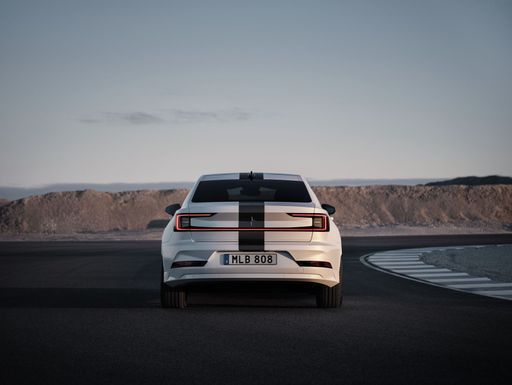
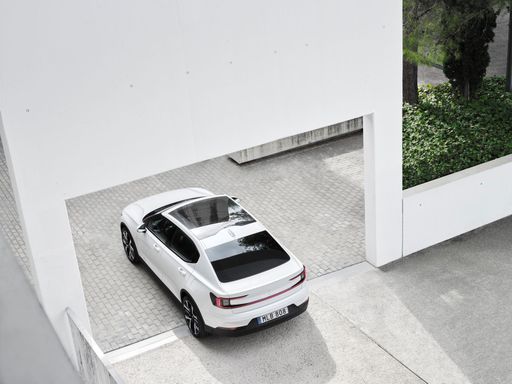
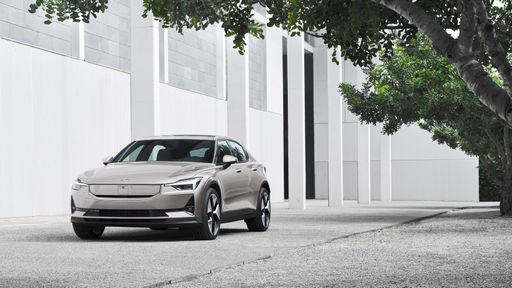
Polestar 2 vs ZEEKR X comparison

Compare performance (476 HP vs 428 HP), boot space and price (42,000 £ vs 34,300 £ ) at a glance. Find out which car is the better choice for you – Polestar 2 or ZEEKR X?

Polestar 2 vs ZEEKR X: Key differences

Polestar 2

5 (1 Reviews)
rate
  • a bit more power
  • moderately more efficient
  • markedly more electric range
  • slightly more trunk space

ZEEKR X

  • noticeably cheaper
  • moderately quicker 0–100 km/h
  • only slightly lighter
2

Introducing the New Electric Contenders: Polestar 2 vs. ZEEKR X

The electric vehicle market continues to expand with dynamic new offerings, and 2024 has brought us two compelling models to consider: the Polestar 2 and the ZEEKR X. Both vehicles offer a unique take on electric mobility, blending cutting-edge technology with sophisticated design elements. But when it comes down to the technical details, performance, and innovations, how do they truly compare?
X

Performance and Power

At the heart of the Polestar 2 lies its impressive powertrain options, offering up to 476 HP with its high-performance variant. It boasts a swift acceleration from 0 to 100 km/h in 4.2 seconds, making it a formidable challenger on the road. Whether you opt for the all-wheel or rear-wheel drive, you won't sacrifice power thanks to its twin and single motor configurations. The car offers a maximum torque of 740 Nm, delivering robust driving dynamics. Notably, its top speed peaks at 205 km/h.

In contrast, the ZEEKR X doesn’t lag far behind with options that provide up to 428 HP and a brisk acceleration time of 3.8 seconds. Though slightly slower than the Polestar 2, the ZEEKR X showcases its prowess with a torque of 543 Nm, ensuring a nimble and engaging driving experience. Its maximum speed is slightly more conservative at 180 km/h, emphasizing a balance between performance and efficiency.

2

Range and Efficiency

When it comes to electric range, the Polestar 2 takes a slight edge with a maximum range of 659 km on a single charge, thanks to its 78 kWh battery capacity. Additionally, the efficiency is highlighted by its consumption of 14.7 to 16.8 kWh per 100 km depending on the variant.

The ZEEKR X, fitted with a 64 kWh battery, offers a respectable range of up to 445 km. Its consumption ranges from 16.5 to 17.5 kWh per 100 km. While its range might not reach the Polestar 2's figures, it's by no means inadequate, especially considering the vehicle's focus on delivering peak performance.

Dimensions and Design

In terms of size, the Polestar 2, classified as a hatchback, measures 4606 mm in length, 1859 mm in width, and a height of either 1479 mm or 1473 mm depending on the variant. Its contemporary design boasts elegance with a minimalist approach, placing practicality and aesthetics at the forefront. The hatchback features a trunk capacity of 405 liters, ensuring functional space for daily use.

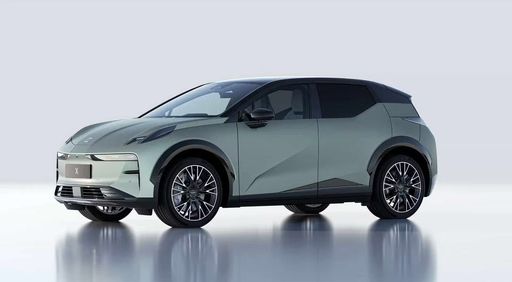
The ZEEKR X, an SUV, is slightly shorter and wider with dimensions of 4432 mm in length and 1836 mm in width, and it stands taller at a height of 1566 mm. With a trunk capacity of 362 liters, it offers ample room but is more compact in design, emphasizing agility and urban-friendly dimensions. Its distinct and bold styling sets it apart, with innovative use of space and materials enhancing its premium feel.

Technology and Innovation

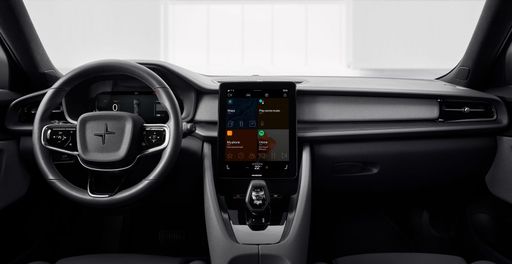
Both vehicles are at the forefront of the technology spectrum, equipped with advanced driver-assistance systems, seamless infotainment integrations, and high-end in-car entertainment. The Polestar 2 particularly focuses on sustainability, featuring a vegan interior with eco-friendly materials without compromising luxury.

The ZEEKR X equally impresses with state-of-the-art technology that includes intuitive control systems and interactive displays tailored for a futuristic experience, maximizing both comfort and connectivity for passengers.

Final Thoughts

Choosing between the Polestar 2 and the ZEEKR X ultimately depends on driver preference and lifestyle needs. The Polestar 2 edges slightly ahead with its superior electric range and performance-oriented specs, making it appealing to those who seek unyielding power and efficiency. Meanwhile, the ZEEKR X offers strong competitiveness, especially for those who prioritize innovative design and technology-focused driving, making it an ideal companion for urban dwellers.

As new technology emerges and consumer demands evolve, these electric contenders continue to push the boundaries of what is possible in the world of sustainable transportation.

Here’s where it gets real: The technical differences in detail

2

Costs and Efficiency:

When it comes to price and running costs, the biggest differences usually appear. This is often where you see which car fits your budget better in the long run.

ZEEKR X is noticeably cheaper – starting at 34,300 £ , while the Polestar 2 costs 42,000 £ . That’s a price difference of around 7,714 £.

In terms of energy consumption, the Polestar 2 is moderately more efficient: consuming 14.8 kWh/100km compared to 16.3 kWh/100km for the ZEEKR X. That’s a difference of about 1.5 kWh/100km.

As for electric range, the Polestar 2 offers markedly more range – reaching up to 659 km, about 213 km more than the ZEEKR X.

X

Engine and Performance:

Power, torque and acceleration say a lot about how a car feels on the road. This is where you see which model delivers more driving dynamics.

When it comes to engine power, the Polestar 2 offers a bit more power – delivering 476 HP compared to 428 HP. That’s roughly 48 HP more horsepower.

When accelerating from 0 to 100 km/h, the ZEEKR X is moderately quicker – completing the sprint in 3.8 s, while the Polestar 2 takes 4.2 s. That’s about 0.4 s quicker.

Looking at top speed, the Polestar 2 is barely faster – reaching 205 km/h, while the ZEEKR X tops out at 190 km/h. The difference is around 15 km/h.

There’s also a difference in torque: the Polestar 2 delivers visibly more torque with 740 Nm compared to 543 Nm. That’s about 197 Nm more.

2

Space and Everyday Use:

Whether family car or daily driver – which one offers more room, flexibility and comfort?

Both vehicles offer seating for 5 people.

In terms of curb weight, ZEEKR X is only slightly lighter – 1,855 kg compared to 2,015 kg. The difference is around 160 kg.

Looking at boot space, the Polestar 2 offers slightly more boot space – 405 L compared to 362 L. That’s a difference of about 43 L.

When it comes to payload, the ZEEKR X carries clearly more – 555 kg compared to 421 kg. That’s a difference of about 134 kg.

Who wins the race in the data check?

The Polestar 2 leads convincingly in the objective data comparison.
This result only shows which model scores more points on paper – not which of the two cars feels right for you.

from £42,000
2

Polestar 2

  • Engine Type : Electric
  • Transmission : Automatic
  • Drive Type : All-Wheel Drive, Rear-Wheel Drive
  • Power HP : 272 - 476 HP
  • Consumption kWh/100km : 14.8 - 16.8 kWh/100km
  • Electric Range : 554 - 659 km
Polestar 2
ZEEKR X

Costs and Consumption

View detailed analysis

Engine and Performance

View detailed analysis

Dimensions and Body

View detailed analysis

Polestar 2

The Polestar 2 is a crisp, Scandinavian-styled electric liftback that pairs minimalist luxury with a focused, driver's attitude. It feels agile and composed whether you’re commuting or heading out for the weekend, with a tech-forward cabin and enough personality to make everyday driving a bit more fun.

details

ZEEKR X

The Zeekr X feels like a pocket rocket for city life, delivering brisk performance and nimble handling wrapped in a surprisingly premium little package. Inside it offers smart tech and refined materials that make daily driving feel more like a small luxury escape, all while keeping a tasteful, understated presence.

details
Polestar 2
ZEEKR X

Costs and Consumption

Price
42,000 - 57,400 £
Price
34,300 - 40,700 £
Consumption L/100km
-
Consumption L/100km
-
Consumption kWh/100km
14.8 - 16.8 kWh/100km
Consumption kWh/100km
16.3 - 17.4 kWh/100km
Electric Range
554 - 659 km
Electric Range
330 - 446 km
Battery Capacity
78 kWh
Battery Capacity
-
co2
0 g/km
co2
0 g/km
Fuel tank capacity
-
Fuel tank capacity
-

Dimensions and Body

Body Type
Sedan
Body Type
SUV
Seats
5
Seats
5
Doors
5
Doors
5
Curb weight
2,015 - 2,188 kg
Curb weight
1,855 - 1,960 kg
Trunk capacity
405 L
Trunk capacity
362 L
Length
4,606 mm
Length
4,432 mm
Width
1,859 mm
Width
1,836 mm
Height
1,473 - 1,479 mm
Height
1,566 mm
Max trunk capacity
1,095 L
Max trunk capacity
-
Payload
375 - 421 kg
Payload
550 - 555 kg

Engine and Performance

Engine Type
Electric
Engine Type
Electric
Transmission
Automatic
Transmission
Automatic
Transmission Detail
Reduction Gearbox
Transmission Detail
Reduction Gearbox
Drive Type
All-Wheel Drive, Rear-Wheel Drive
Drive Type
Rear-Wheel Drive, All-Wheel Drive
Power HP
272 - 476 HP
Power HP
272 - 428 HP
Acceleration 0-100km/h
4.2 - 6.4 s
Acceleration 0-100km/h
3.8 - 5.9 s
Max Speed
205 km/h
Max Speed
190 km/h
Torque
490 - 740 Nm
Torque
343 - 543 Nm
Number of Cylinders
-
Number of Cylinders
-
Power kW
200 - 350 kW
Power kW
200 - 315 kW
Engine capacity
-
Engine capacity
-

General

Model Year
2,024
Model Year
2,025 - 2,026
CO2 Efficiency Class
A
CO2 Efficiency Class
A
Brand
Polestar
Brand
ZEEKR
DriveDuel uses data analysis and artificial intelligence to evaluate vehicle data and create content. Content is regularly reviewed and improved. The displayed prices are estimates based on German list prices, adjusted to the respective country’s VAT. Country-specific registration taxes are not included. This information is not legally binding.