VS

Skoda Octavia Combi vs Toyota Corolla Touring Sports comparison

Compare performance (204 HP vs 178 HP), boot space and price (25,600 £ vs 29,600 £ ) at a glance. Find out which car is the better choice for you – Skoda Octavia Combi or Toyota Corolla Touring Sports?

Skoda Octavia Combi vs Toyota Corolla Touring Sports: Key differences

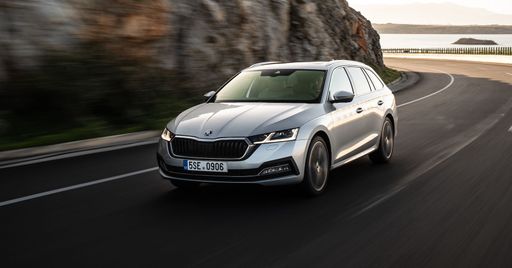
Skoda Octavia Combi

4.6 (3 Reviews)
rate
  • moderately cheaper
  • slightly more power
  • slightly quicker 0–100 km/h
  • barely lighter
  • marginally more trunk space
details

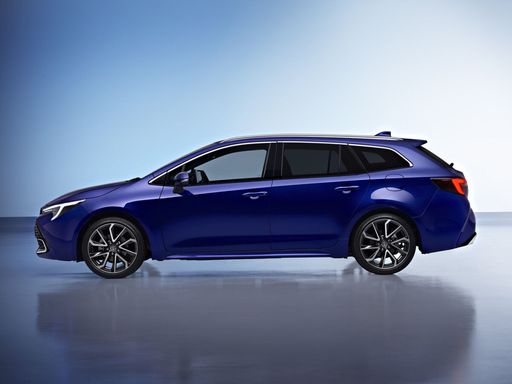
Toyota Corolla Touring Sports

4.4 (2 Reviews)
rate
details

All details on performance, efficiency, range and trunk space can be found in the technical comparison below – including user reviews for both models.

By Achim Sedelmaier

Octavia Combi

Skoda Octavia Combi VS Toyota Corolla Touring Sports — what this comparison is about

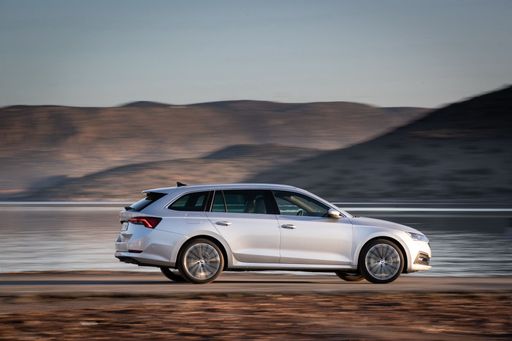
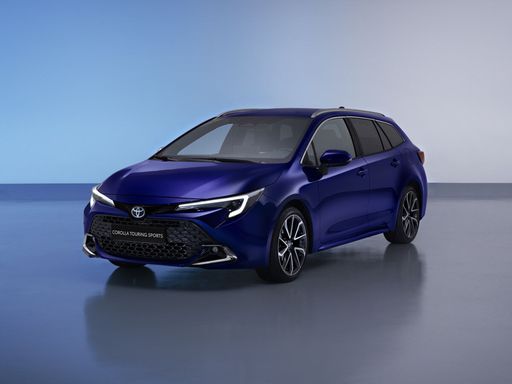
Skoda Octavia Combi VS Toyota Corolla Touring Sports pits a space‑first, pragmatic wagon against a hybrid‑focused, city‑friendly touring car. The Octavia Combi trades flair for sheer usable volume and calm long‑distance manners, while the Corolla Touring Sports leans on hybrid efficiency and an easy, relaxed everyday drive. That basic split — maximum cargo and highway comfort versus low running costs and smooth urban behaviour — defines most of the practical differences buyers will feel. Read on for how those choices translate into daily usability, cabin life, and who each car really suits.
Corolla Touring Sports

Driving character: highway authority versus hybrid quietness

The Skoda Octavia Combi feels more at home on motorways, with stronger midrange push and a composed, steady ride that makes long stints less tiring. The Toyota Corolla Touring Sports excels in town and mixed commuting thanks to its hybrid system that cuts fuel use and often lets you glide off in near‑silence. Under hard acceleration the Corolla’s hybrid drivetrain can get vocal, whereas the Octavia’s stronger powertrain gives more confident overtakes and on‑ramp merges. In short, pick the Octavia if you spend lots of time at higher speeds or want brisker responses; pick the Corolla if you want the quietest, cheapest daily commute in mixed traffic.

Octavia Combi

Comfort and cabin feel: roomy pragmatism versus relaxed ergonomics

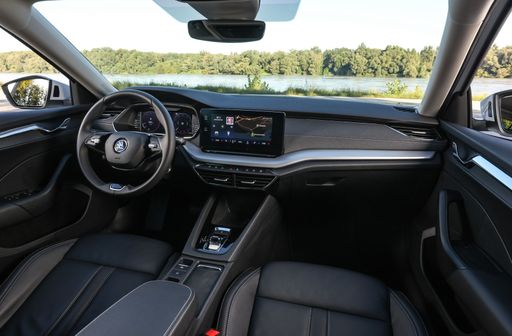
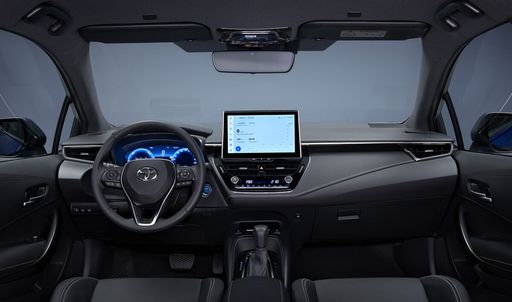
Inside, the Skoda Octavia Combi prioritises space and function — the front and rear feel generous and the overall ambience is solid rather than flashy. The Toyota Corolla Touring Sports offers a calmer, softer cabin feel with user‑friendly climate controls and an ergonomics setup aimed at low‑stress use. Infotainment and control logic split them: Octavia moves many functions into touch surfaces that some buyers find fiddly, while Corolla keeps more physical controls that are easier to operate on the move. Both cabins are well built for their class, but the Octavia reads as the more utilitarian, practical interior and the Corolla as the more relaxed daily environment.

Corolla Touring Sports

Practicality and usability: cargo king against clever everyday loading

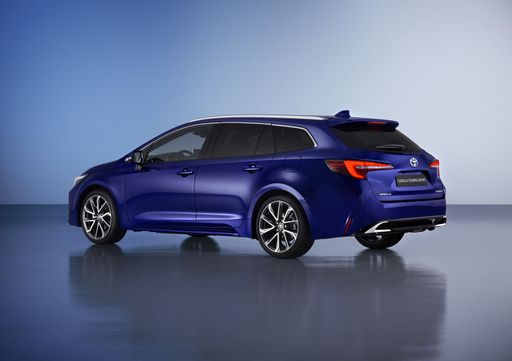
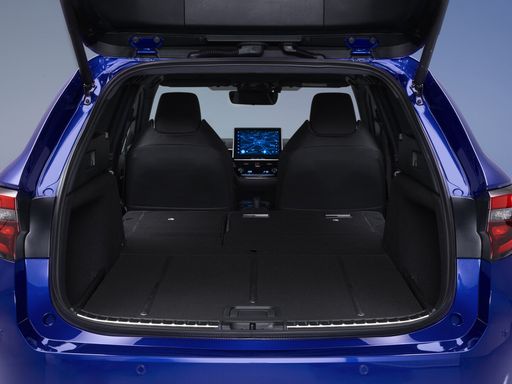
When it comes to luggage and family kit the Skoda Octavia Combi is the benchmark — its boot is not only larger but shaped for real cargo and made to load and organise easily. The Toyota Corolla Touring Sports still offers a very usable, low‑lip load area and sensible storage, but rear space and total volume are noticeably smaller compared with the Octavia. For families who regularly carry strollers, bikes or three child seats, the Octavia’s space and flexible floor options make life measurably easier. If your routine is lighter‑duty loading or you prioritise a flatter, tidy boot and simpler day‑to‑day handling, the Corolla is still a very practical choice.

Octavia Combi

Everyday ownership: running costs, servicing and options pain points

The Corolla Touring Sports shines on weekly fuel bills in urban and mixed driving because its hybrid system keeps consumption low without plugging in, which over time offsets a higher purchase price for many buyers. The Skoda Octavia Combi, meanwhile, rewards longer trips with lower real‑world fuel use on the motorway and a larger tank that means fewer stops on long runs. Buyers should also factor in that Octavia’s most wanted extras are often bundled into packages, which can push the final price up, while Toyota tends to give a more reassuringly equipped feel out of the box and a long brand‑linked warranty advantage. In short, total cost of ownership can favour the Corolla for urban commuters, but the Octavia cuts costs for mileage‑heavy drivers and those needing greater payload and range.

Corolla Touring Sports

Who should choose which — decision cues before the technical breakdown

Choose the Skoda Octavia Combi if you prioritise maximum interior space, a huge practical boot, calm motorway behaviour and the flexibility to carry heavy or bulky loads regularly. Pick the Toyota Corolla Touring Sports if your life is city‑centric or mixed commuting and you want the lowest everyday fuel use, a relaxed ride and straightforward controls. If you’re undecided, consider how much time you spend on motorways versus in town and whether three‑across rear seating or longer range between stops matters more; those priorities will point you to the clearer fit. Next, the technical comparison drills into how engines, dimensions, economy and equipment deliver these real‑world differences so you can match numbers to the use cases outlined here.

Here’s where it gets real: The technical differences in detail

Octavia Combi

Costs and Efficiency:

Looking at overall running costs, both models reveal some interesting differences in everyday economy.

Skoda Octavia Combi is moderately cheaper – starting at 25,600 £ , while the Toyota Corolla Touring Sports costs 29,600 £ . That’s a price difference of around 4,028 £.

Both cars consume an average of 4.4 L/100km – no difference here.

Corolla Touring Sports

Engine and Performance:

Under the bonnet, it becomes clear which model is tuned for sportiness and which one takes the lead when you hit the accelerator.

When it comes to engine power, the Skoda Octavia Combi offers slightly more power – delivering 204 HP compared to 178 HP. That’s roughly 26 HP more horsepower.

When accelerating from 0 to 100 km/h, the Skoda Octavia Combi is slightly quicker – completing the sprint in 6.7 s, while the Toyota Corolla Touring Sports takes 7.5 s. That’s about 0.8 s quicker.

Octavia Combi

Space and Everyday Use:

Beyond pure performance, interior space and usability matter most in daily life. This is where you see which car is more practical and versatile.

Both vehicles offer seating for 5 people.

In terms of curb weight, Skoda Octavia Combi is barely lighter – 1,366 kg compared to 1,485 kg. The difference is around 119 kg.

Looking at boot space, the Skoda Octavia Combi offers marginally more boot space – 640 L compared to 596 L. That’s a difference of about 44 L.

When it comes to payload, the Skoda Octavia Combi carries somewhat more – 534 kg compared to 440 kg. That’s a difference of about 94 kg.

Who wins the race in the data check?

The Skoda Octavia Combi is far ahead overall in the objective data comparison.
This result only shows which model scores more points on paper – not which of the two cars feels right for you.

from £25,600
Octavia Combi

Skoda Octavia Combi

  • Engine Type Petrol, Petrol MHEV, Diesel
  • Transmission Automatic, Manuel
  • Drive Type All-Wheel Drive, Front-Wheel Drive
  • Power HP 116 - 204 HP
  • Consumption L/100km 4.4 - 6.9 L/100km
Skoda Octavia Combi
Toyota Corolla Touring Sports

Costs and Consumption

View detailed analysis

Engine and Performance

View detailed analysis

Dimensions and Body

View detailed analysis

Skoda Octavia Combi

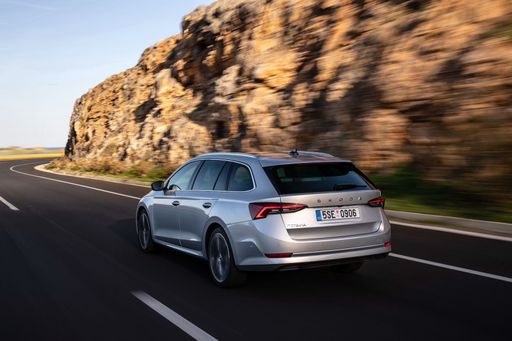
The Skoda Octavia Combi is a practical, well‑packaged estate that delivers generous and flexible interior space ideal for families or active owners. Its sensible cabin layout, comfortable ride and solid reputation for reliability make it a pragmatic choice for buyers who value utility over flash.

details

Toyota Corolla Touring Sports

The Toyota Corolla Touring Sports is a sensible yet stylish estate that blends everyday practicality with Toyota's trademark reliability, making it the kind of car that quietly gets on with family life without drama. Inside it's cleverly packaged for luggage and kids' gear and feels calm and comfortable on the road — sensible rather than flashy, but with enough character to make daily drives more enjoyable.

details
Skoda Octavia Combi
Toyota Corolla Touring Sports

Costs and Consumption

Price
25,600 - 39,600 £
Price
29,600 - 36,400 £
Consumption L/100km
4.4 - 6.9 L/100km
Consumption L/100km
4.4 L/100km
Consumption kWh/100km
-
Consumption kWh/100km
-
Electric Range
-
Electric Range
-
Battery Capacity
-
Battery Capacity
-
co2
113 - 157 g/km
co2
100 g/km
Fuel tank capacity
-
Fuel tank capacity
43 L

Dimensions and Body

Body Type
Estate
Body Type
Estate
Seats
5
Seats
5
Doors
-
Doors
5
Curb weight
1,366 - 1,553 kg
Curb weight
1,485 - 1,515 kg
Trunk capacity
640 L
Trunk capacity
581 - 596 L
Length
-
Length
4,650 mm
Width
1,829 mm
Width
1,790 mm
Height
-
Height
1,435 mm
Max trunk capacity
-
Max trunk capacity
1,591 - 1,606 L
Payload
502 - 534 kg
Payload
400 - 440 kg

Engine and Performance

Engine Type
Petrol, Petrol MHEV, Diesel
Engine Type
Full Hybrid
Transmission
Automatic, Manuel
Transmission
Automatic
Transmission Detail
Dual-Clutch Automatic, Manual Gearbox
Transmission Detail
CVT
Drive Type
All-Wheel Drive, Front-Wheel Drive
Drive Type
Front-Wheel Drive
Power HP
116 - 204 HP
Power HP
140 - 178 HP
Acceleration 0-100km/h
6.7 - 10.7 s
Acceleration 0-100km/h
7.5 - 9.2 s
Max Speed
-
Max Speed
180 km/h
Torque
220 - 360 Nm
Torque
-
Number of Cylinders
4
Number of Cylinders
4
Power kW
85 - 150 kW
Power kW
103 - 131 kW
Engine capacity
1,498 - 1,984 cm3
Engine capacity
1,798 - 1,987 cm3

General

Model Year
2025
Model Year
2025
CO2 Efficiency Class
E, F, D, C
CO2 Efficiency Class
C
Brand
Skoda
Brand
Toyota
DriveDuel uses data analysis and artificial intelligence to evaluate vehicle data and create content. Content is regularly reviewed and improved. The displayed prices are estimates based on German list prices, adjusted to the respective country’s VAT. Country-specific registration taxes are not included. This information is not legally binding.