
 Deutschland
 France
 Nederland
 Great Britain
 Sverige
 Norge
Norge Danmark
 Suomi
Suomi Italia
 Polska
 España
VS
smart #1 vs Fiat Pandina - Differences and prices compared
Compare performance (428 HP vs 70 HP), boot space and price (31700 £ vs 14100 £ ) at a glance. Find out which car is the better choice for you – smart #1 or Fiat Pandina?
#1
Costs and Efficiency:
Price and efficiency are key factors when choosing a car – and this is often where the real differences emerge.
Fiat Pandina has a decisively advantage in terms of price – it starts at 14100 £ , while the smart #1 costs 31700 £ . That’s a price difference of around 17571 £.
#1
Engine and Performance:
Power, torque and acceleration say a lot about how a car feels on the road. This is where you see which model delivers more driving dynamics.
When it comes to engine power, the smart #1 has a significantly edge – offering 428 HP compared to 70 HP. That’s roughly 358 HP more horsepower.
In acceleration from 0 to 100 km/h, the smart #1 is clearly quicker – completing the sprint in 3.90 s, while the Fiat Pandina takes 13.90 s. That’s about 10 s faster.
There’s also a difference in torque: smart #1 pulls significantly stronger with 584 Nm compared to 92 Nm. That’s about 492 Nm difference.
Ad · Affiliate
As an Amazon Associate, we earn from qualifying purchases.
#1
Space and Everyday Use:
Cabin size, boot volume and payload all play a role in everyday practicality. Here, comfort and flexibility make the difference.
Both vehicles offer seating for 5 people.
In curb weight, Fiat Pandina is significantly lighter – 1055 kg compared to 1780 kg. The difference is around 725 kg.
In terms of boot space, the smart #1 offers evident more room – 323 L compared to 225 L. That’s a difference of about 98 L.
When it comes to payload, smart #1 a bit takes the win – 470 kg compared to 385 kg. That’s a difference of about 85 kg.
Who wins the race?
The smart #1 proves to be dominates this comparison and therefore becomes our DriveDuel Champion!
smart #1 is the better all-rounder in this comparison.
from about £31,700
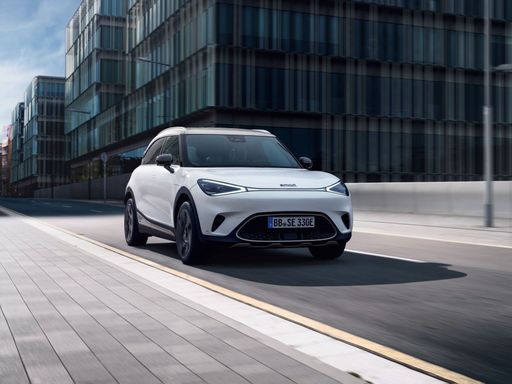
smart #1
smart #1
Fiat Pandina
Costs and Consumption
View detailed analysis
View detailed analysis
Engine and Performance
View detailed analysis
View detailed analysis
Dimensions and Body
View detailed analysis
View detailed analysis
smart #1
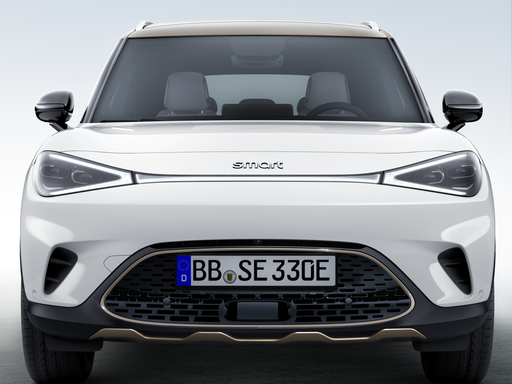
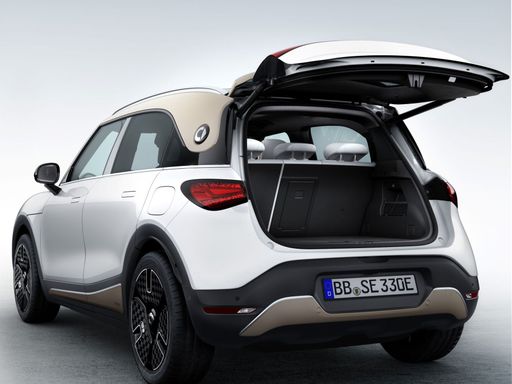
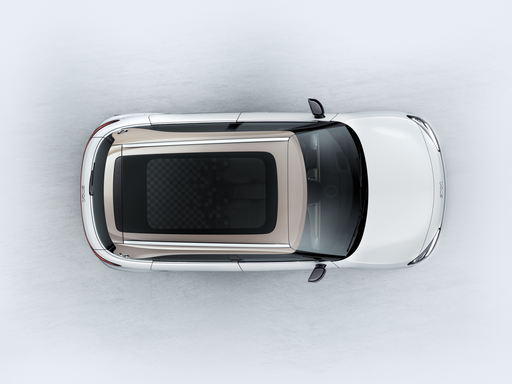
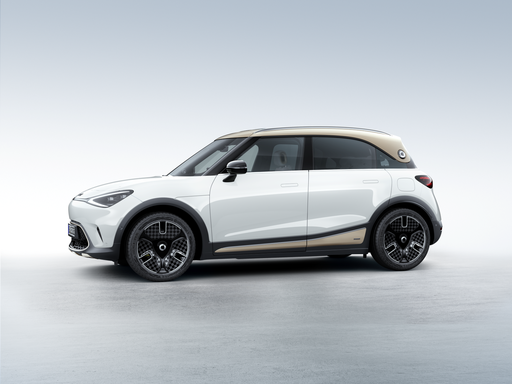
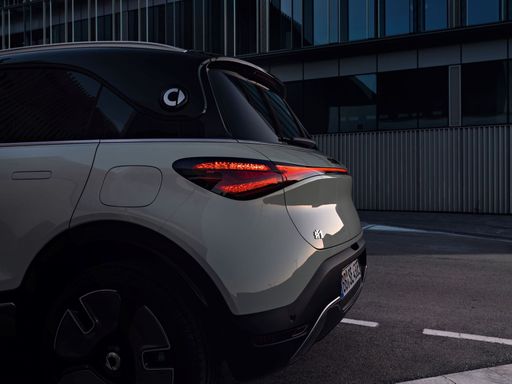
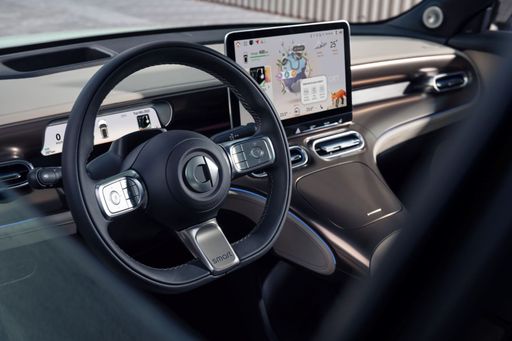
The Smart #1 feels like a breath of fresh air in the compact EV world, pairing playful styling with usable space and a cabin that punches above its size. It skips the fuss and delivers an easygoing, city-friendly driving experience with clever features that make it a sensible, slightly cheeky choice for everyday motoring.
details
Fiat Pandina
The Fiat Pandina, commonly referred to as a spirited urban companion, boasts a charm that's both nostalgic and contemporary. Its compact design embraces city streets with an agile grace, making it an excellent choice for bustling environments. With a reputation for reliability and an economical approach, the Pandina continues to win hearts as a beloved everyday vehicle.
details
smart #1
Fiat Pandina
Costs and Consumption |
|
|---|---|
|
Price
31700 - 45000 £
|
Price
14100 - 18000 £
|
|
Consumption L/100km
-
|
Consumption L/100km
5 - 5.1 L
|
|
Consumption kWh/100km
16.8 - 18.2 kWh
|
Consumption kWh/100km
-
|
|
Electric Range
310 - 440 km
|
Electric Range
-
|
|
Battery Capacity
47 - 62 kWh
|
Battery Capacity
-
|
|
co2
0 g/km
|
co2
113 - 116 g/km
|
|
Fuel tank capacity
-
|
Fuel tank capacity
-
|
Dimensions and Body |
|
|---|---|
|
Body Type
SUV
|
Body Type
Hatchback
|
|
Seats
5
|
Seats
4 - 5
|
|
Doors
5
|
Doors
-
|
|
Curb weight
1780 - 1900 kg
|
Curb weight
1055 kg
|
|
Trunk capacity
313 - 323 L
|
Trunk capacity
225 L
|
|
Length
4270 - 4300 mm
|
Length
-
|
|
Width
1822 mm
|
Width
1643 - 1662 mm
|
|
Height
1636 mm
|
Height
-
|
|
Max trunk capacity
976 - 986 L
|
Max trunk capacity
-
|
|
Payload
425 - 470 kg
|
Payload
365 - 385 kg
|
Engine and Performance |
|
|---|---|
|
Engine Type
Electric
|
Engine Type
Petrol MHEV
|
|
Transmission
Automatic
|
Transmission
Manuel
|
|
Transmission Detail
Reduction Gearbox
|
Transmission Detail
Manual Gearbox
|
|
Drive Type
Rear-Wheel Drive, All-Wheel Drive
|
Drive Type
Front-Wheel Drive
|
|
Power HP
272 - 428 HP
|
Power HP
70 HP
|
|
Acceleration 0-100km/h
3.9 - 6.7 s
|
Acceleration 0-100km/h
13.9 - 14.7 s
|
|
Max Speed
180 km/h
|
Max Speed
-
|
|
Torque
343 - 584 Nm
|
Torque
92 Nm
|
|
Number of Cylinders
-
|
Number of Cylinders
3
|
|
Power kW
200 - 315 kW
|
Power kW
51 kW
|
|
Engine capacity
-
|
Engine capacity
999 cm3
|
General |
|
|---|---|
|
Model Year
2023 - 2024
|
Model Year
2025
|
|
CO2 Efficiency Class
A
|
CO2 Efficiency Class
C, D
|
|
Brand
smart
|
Brand
Fiat
|
What drivetrain options does the smart #1 have?
Available configurations include Rear-Wheel Drive or All-Wheel Drive.
The prices shown are estimates based on German list prices, adjusted for local VAT. Local registration taxes (e.g. NoVA, BPM or CO2 malus) are not included. This information is not legally binding.