VS

Renault R5 vs smart #1 comparison

Compare performance (540 HP vs 428 HP), boot space and price (23,900 £ vs 31,700 £ ) at a glance. Find out which car is the better choice for you – Renault R5 or smart #1?

Renault R5 vs smart #1: Key differences

Renault R5

5 (1 Reviews)
rate
  • clearly cheaper
  • visibly more power
  • slightly more efficient
  • slightly quicker 0–100 km/h
  • markedly lighter
  • marginally more trunk space
details

smart #1

  • only slightly more electric range
details

All details on performance, efficiency, range and trunk space can be found in the technical comparison below – including user reviews for both models.

By Achim Sedelmaier

R5

Electric Vision Redefined: Renault R5 vs. smart #1

The landscape of electric vehicles has been evolving rapidly, embraced by automakers and consumers alike for their eco-friendly nature and innovative tech. In this clash of the electric titans, we delve into what the Renault R5 and smart #1 have to offer, highlighting their respective technical prowess, unique features, and what makes each of these vehicles a standout choice in the electric car market.
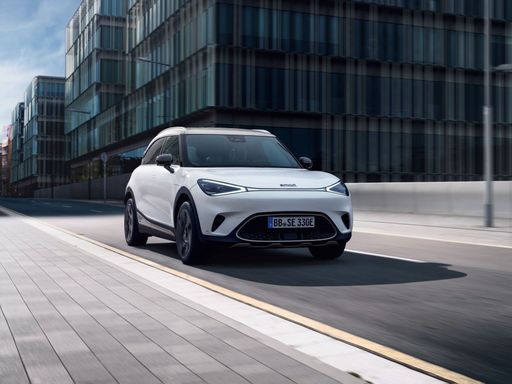
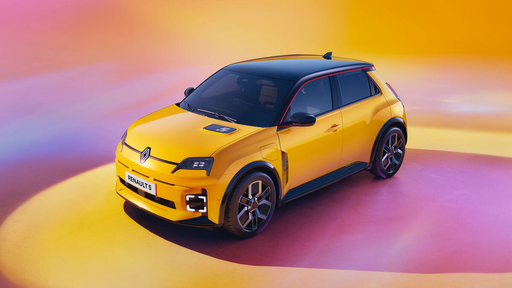
#1

Design and Dimensions

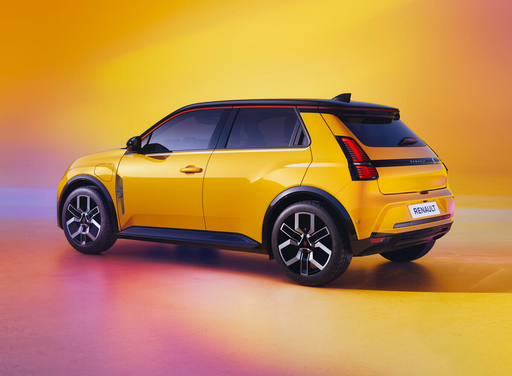
The Renault R5 brings back a touch of nostalgia with its hatchback silhouette, closely echoing its iconic predecessor while being fully modernized with electric architecture. At 3,922mm in length, 1,744mm in width, and 1,498mm in height, the R5 is compact, making it ideal for urban environments.

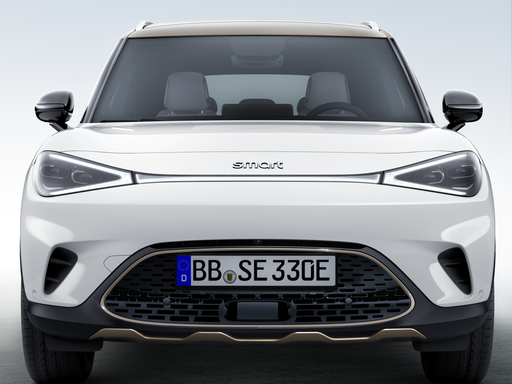
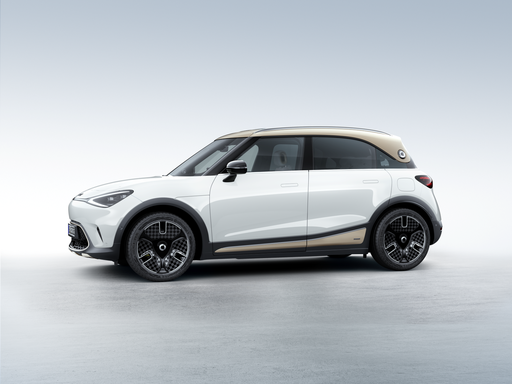
On the other hand, the smart #1 leaps forward as an SUV, marking a departure from smart's traditionally more petite designs. Measuring in with length options between 4,270mm and 4,300mm, and a width of 1,822mm, this model embraces a more robust and spacious look, providing greater road presence.

R5

Performance and Power

The Renault R5 is powered by a trio of electric motors that deliver up to 150 HP, synchronized with front-wheel drive and a sophisticated reduction gearbox. This setup enables the R5 to accelerate from 0-100 km/h in a respectable 8 to 9 seconds. The maximum speed is capped at 150 km/h, perfectly fitting urban and suburban driving conditions.

smart #1, sporting a rear and all-wheel drive configuration, takes performance to a whole new level with power outputs ranging from 272 HP to an impressive 428 HP. This translates to a scintillating acceleration capability, potentially rocketing from 0-100 km/h in as little as 3.9 seconds with its top-tier model. Its maximum speed reaches 180 km/h, making it a formidable contender on open roads.

#1

Battery and Range

The Renault R5's electric heart is a 40 kWh battery with a competitive consumption rate of 14.8 kWh/100 km, offering a practical electric range from 300 km up to 405 km, depending on driving conditions and model variations. This allows the R5 to confidently handle daily commutes and occasional longer journeys.

In contrast, smart #1 offers more diverse battery configurations, with capacities ranging from 47 kWh to 62 kWh. Coupled with consumption figures between 16.8 and 18.2 kWh/100 km, it achieves a remarkable range from 310 km up to a possible 440 km. This makes it an intriguing option for those who seek extensive driving without frequent recharges.

R5

Interior and Practicality

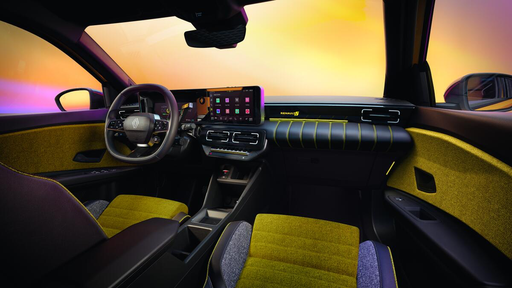
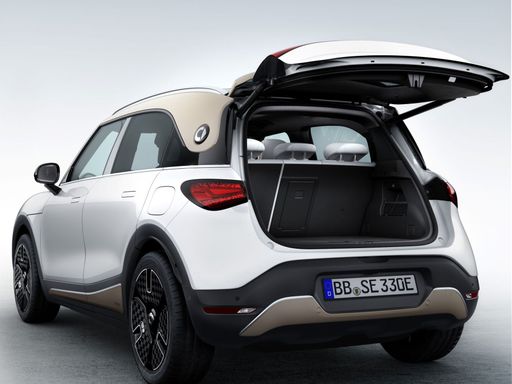
Inside, both vehicles provide seating for five, ensuring comfort and space for occupants. The trunk capacity of the Renault R5 stands at 326 liters, slightly edging out the smart #1’s maximum of 323 liters, although the SUV form factor of the smart #1 might offer more versatile cargo solutions with its flexible interior space.

#1

Conclusion

Choosing between the Renault R5 and smart #1 largely boils down to mission priorities. The R5 resonates with those seeking a heritage-inspired, compact vehicle that excels in efficiency and style. Conversely, smart #1 appeals to tech-savvy drivers who desire high-performance electric mobility, with a penchant for spaciousness and swift, powerful drives.

Both models reflect cutting-edge innovation in the evolving electric landscape, marking a promising step forward in green automotive technology, showcasing how electrification can cater to diverse tastes and requirements.

Here’s where it gets real: The technical differences in detail

R5

Costs and Efficiency:

Looking at overall running costs, both models reveal some interesting differences in everyday economy.

Renault R5 is clearly cheaper – starting at 23,900 £ , while the smart #1 costs 31,700 £ . That’s a price difference of around 7,791 £.

In terms of energy consumption, the Renault R5 is slightly more efficient: consuming 14.8 kWh/100km compared to 16.8 kWh/100km for the smart #1. That’s a difference of about 2 kWh/100km.

As for electric range, the smart #1 offers only slightly more range – reaching up to 440 km, about 35 km more than the Renault R5.

#1

Engine and Performance:

Power, torque and acceleration are the classic benchmarks for car enthusiasts – and here, some clear differences start to show.

When it comes to engine power, the Renault R5 offers visibly more power – delivering 540 HP compared to 428 HP. That’s roughly 112 HP more horsepower.

When accelerating from 0 to 100 km/h, the Renault R5 is slightly quicker – completing the sprint in 3.5 s, while the smart #1 takes 3.9 s. That’s about 0.4 s quicker.

Looking at top speed, the Renault R5 is markedly faster – reaching 270 km/h, while the smart #1 tops out at 180 km/h. The difference is around 90 km/h.

There’s also a difference in torque: the Renault R5 delivers considerably more torque with 4,800 Nm compared to 584 Nm. That’s about 4,216 Nm more.

R5

Space and Everyday Use:

Beyond pure performance, interior space and usability matter most in daily life. This is where you see which car is more practical and versatile.

Both vehicles offer seating for 5 people.

In terms of curb weight, Renault R5 is markedly lighter – 1,447 kg compared to 1,780 kg. The difference is around 333 kg.

Looking at boot space, the Renault R5 offers marginally more boot space – 326 L compared to 323 L. That’s a difference of about 3 L.

For maximum load capacity, the Renault R5 offers a bit more capacity – up to 1,106 L, about 120 L more than the smart #1.

When it comes to payload, the smart #1 carries a bit more – 470 kg compared to 418 kg. That’s a difference of about 52 kg.

Who wins the race in the data check?

The Renault R5 is clearly superior overall in the objective data comparison.
This result only shows which model scores more points on paper – not which of the two cars feels right for you.

from £23,900
R5

Renault R5

  • Engine Type : Electric
  • Transmission : Automatic
  • Drive Type : Front-Wheel Drive, Rear-Wheel Drive
  • Power HP : 122 - 540 HP
  • Consumption kWh/100km : 14.8 - 15.2 kWh/100km
  • Electric Range : 307 - 405 km
Renault R5
smart #1

Costs and Consumption

View detailed analysis

Engine and Performance

View detailed analysis

Dimensions and Body

View detailed analysis

Renault R5

The Renault 5 is a cheeky city car that marries retro charm with modern flair, its playful looks promising smiles before you even start the engine. Practical enough for daily life yet lively enough to make short trips feel like mini adventures, it’s an irresistible choice for buyers who prefer personality to bland practicality.

details

smart #1

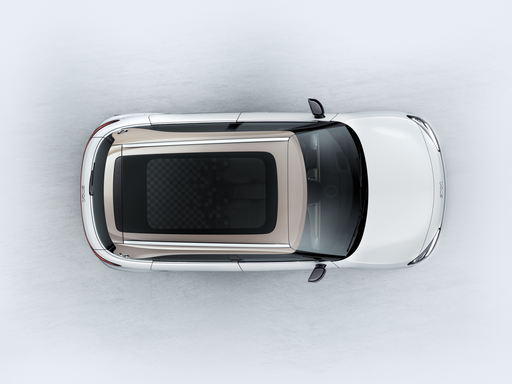
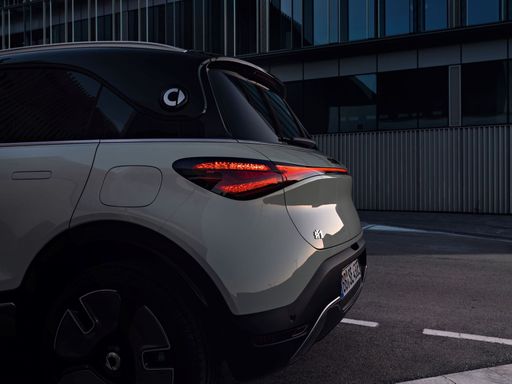
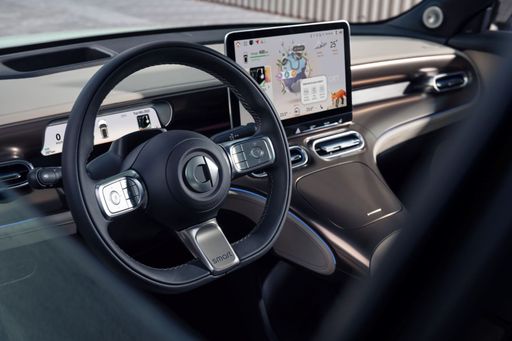
The Smart #1 feels like a breath of fresh air in the compact EV world, pairing playful styling with usable space and a cabin that punches above its size. It skips the fuss and delivers an easygoing, city-friendly driving experience with clever features that make it a sensible, slightly cheeky choice for everyday motoring.

details
Renault R5
smart #1

Costs and Consumption

Price
23,900 - 137,100 £
Price
31,700 - 45,000 £
Consumption L/100km
-
Consumption L/100km
-
Consumption kWh/100km
14.8 - 15.2 kWh/100km
Consumption kWh/100km
16.8 - 18.2 kWh/100km
Electric Range
307 - 405 km
Electric Range
310 - 440 km
Battery Capacity
40 - 52 kWh
Battery Capacity
47 - 62 kWh
co2
0 g/km
co2
0 g/km
Fuel tank capacity
-
Fuel tank capacity
-

Dimensions and Body

Body Type
Hatchback
Body Type
SUV
Seats
2 - 5
Seats
5
Doors
3 - 5
Doors
5
Curb weight
1,447 - 1,524 kg
Curb weight
1,780 - 1,900 kg
Trunk capacity
326 L
Trunk capacity
313 - 323 L
Length
3,922 - 4,080 mm
Length
4,270 - 4,300 mm
Width
1,744 - 2,030 mm
Width
1,822 mm
Height
1,380 - 1,498 mm
Height
1,636 mm
Max trunk capacity
1,106 L
Max trunk capacity
976 - 986 L
Payload
396 - 418 kg
Payload
425 - 470 kg

Engine and Performance

Engine Type
Electric
Engine Type
Electric
Transmission
Automatic
Transmission
Automatic
Transmission Detail
Reduction Gearbox
Transmission Detail
Reduction Gearbox
Drive Type
Front-Wheel Drive, Rear-Wheel Drive
Drive Type
Rear-Wheel Drive, All-Wheel Drive
Power HP
122 - 540 HP
Power HP
272 - 428 HP
Acceleration 0-100km/h
3.5 - 9 s
Acceleration 0-100km/h
3.9 - 6.7 s
Max Speed
150 - 270 km/h
Max Speed
180 km/h
Torque
225 - 4,800 Nm
Torque
343 - 584 Nm
Number of Cylinders
-
Number of Cylinders
-
Power kW
90 - 397 kW
Power kW
200 - 315 kW
Engine capacity
-
Engine capacity
-

General

Model Year
2,025 - 2,027
Model Year
2,023 - 2,024
CO2 Efficiency Class
A
CO2 Efficiency Class
A
Brand
Renault
Brand
smart
DriveDuel uses data analysis and artificial intelligence to evaluate vehicle data and create content. Content is regularly reviewed and improved. The displayed prices are estimates based on German list prices, adjusted to the respective country’s VAT. Country-specific registration taxes are not included. This information is not legally binding.