VS

Renault R5 vs Kia EV2 comparison

Compare performance (150 HP vs 147 HP), boot space and price (24,000 £ vs 22,800 £ ) at a glance. Find out which car is the better choice for you – Renault R5 or Kia EV2?

Renault R5 vs Kia EV2: Key differences

Renault R5

4.4 (2 Reviews)
rate
  • marginally more power
  • barely more efficient
  • very slightly quicker 0–100 km/h
  • somewhat lighter
details

Kia EV2

3.8 (1 Reviews)
rate
  • marginally cheaper
  • moderately more electric range
details

All details on performance, efficiency, range and trunk space can be found in the technical comparison below – including user reviews for both models.

By Achim Sedelmaier

R5

Renault R5 VS Kia EV2: quick comparison for buyers

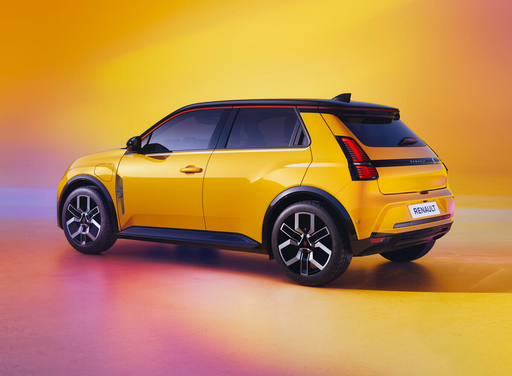
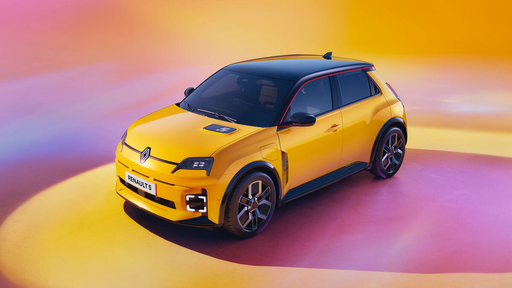
The Renault R5 and the Kia EV2 sit on opposite ends of the small-EV personality spectrum, so this Renault R5 VS Kia EV2 head-to-head is about temperament as much as numbers. The Renault R5 brings retro flair, nimble handling and a punchy urban focus, while the Kia EV2 is quieter, more spacious and aimed at comfort-first buyers. Both are practical everyday EVs, but they trade off agility and design charisma against cabin space and long-distance composure. Read on to see where each car actually feels better for different types of drivers.
EV2

Character and driving feel

The Renault R5 feels playful and alive in traffic — steer it into a corner and it rewards with quick responses and a lively chassis that makes city runs enjoyable. The Kia EV2, by contrast, settles into a calm, almost grown-up rhythm: it soaks up bumps and keeps the cabin hushed rather than chasing cornering thrills. That difference matters if you care about engagement: Renault R5 drivers will smile on twisty B-roads, whereas Kia EV2 buyers will appreciate a relaxed, effortless commute. Both deliver safe, predictable manners, but the emotional tone is unmistakably different.

R5

Comfort and long-distance behavior

On longer trips the Kia EV2’s softer suspension and superior noise isolation give it a clear advantage for fatigue-free cruising and steadier motorway behavior. The Renault R5 remains composed, but its firmer setup and narrower seat cushions show their limits on extended runs and at higher speeds where efficiency also drops quicker. If your driving is mostly around town with occasional country runs, the Renault R5’s lively setup rewards you; if you regularly tackle longer commutes or motorway stretches, the Kia EV2’s serenity and range buffer reduce stops and stress. In short: Renault R5 is city-optimised comfort with sporty edges, Kia EV2 is long-legged comfort with motorway manners.

City friendliness and everyday usability

Both cars are very capable in urban life, but they approach it differently: the Renault R5’s smaller footprint and sharper turn-in make parking and tight maneuvers effortless, while the Kia EV2 trades some nimbleness for excellent all-round visibility and simpler physical controls that suit busy hands. Renault’s infotainment leans into Google services for fast routing and seamless phone integration, which is handy for daily errands, while the Kia EV2 emphasizes straightforward screens and tactile climate buttons that reduce distraction. Charging and energy features also split them: Renault offers clever bidirectional capabilities for home energy use, whereas the Kia’s optional faster AC charging shortens dwell times at public chargers or workplace wallboxes. For city drivers who prize agility choose the Renault R5; for those who want low-stress practicality pick the Kia EV2.

Practicality, cabin feel and boot usability

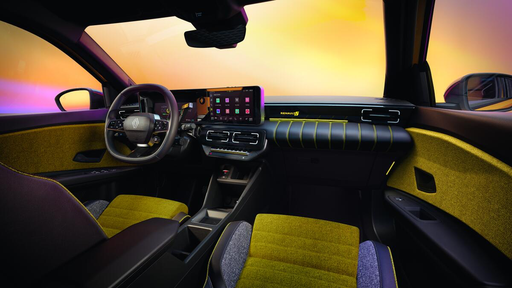
The Renault R5 surprises with a deep boot and a handy underfloor compartment, but a high loading lip and a pronounced step when folding seats can make bulky items fiddly to load. The Kia EV2 aims for a more conventional, flexible layout: a more adjustable rear seating arrangement and a variable floor concept deliver easier day-to-day loading and slightly more usable rear space. Inside, the Renault R5’s retro-themed cabin and Google-led interface feel fresher and more characterful, while the Kia EV2 presents a quieter, more conventional interior that reads as practical and well thought-through. If you haul luggage or family gear frequently the Kia EV2’s utility edges ahead; if you value trunk depth plus a cabin that feels special, the Renault R5 wins on personality.

Buyer fit and who should choose which car

If you want an engaging, design-forward city EV with strong infotainment, lower entry cost and clever energy features, the Renault R5 fits naturally — it rewards urban commuters and style-minded buyers who rarely run long motorway stints. If your priorities are roomy-feeling packaging, motorway composure, quieter cabins and the option for faster AC charging or a larger battery for longer trips, the Kia EV2 is the more sensible everyday companion. Both are competent small EVs, so your decision comes down to trade-offs between feel and function: choose the Renault R5 for charisma and city agility, the Kia EV2 for comfort, space and longer-range reassurance — details the technical comparison that follows will help you match those preferences to specific specs.

Here’s where it gets real: The technical differences in detail

R5

Costs and Efficiency:

Looking at overall running costs, both models reveal some interesting differences in everyday economy.

Kia EV2 is marginally cheaper – starting at 22,800 £ , while the Renault R5 costs 24,000 £ . That’s a price difference of around 1,200 £.

In terms of energy consumption, the Renault R5 is barely more efficient: consuming 14.8 kWh/100km compared to 15.1 kWh/100km for the Kia EV2. That’s a difference of about 0.3 kWh/100km.

As for electric range, the Kia EV2 offers moderately more range – reaching up to 453 km, about 48 km more than the Renault R5.

EV2

Engine and Performance:

Under the bonnet, it becomes clear which model is tuned for sportiness and which one takes the lead when you hit the accelerator.

When it comes to engine power, the Renault R5 offers marginally more power – delivering 150 HP compared to 147 HP. That’s roughly 3 HP more horsepower.

When accelerating from 0 to 100 km/h, the Renault R5 is very slightly quicker – completing the sprint in 8 s, while the Kia EV2 takes 8.7 s. That’s about 0.7 s quicker.

There’s also a difference in torque: the Kia EV2 delivers barely more torque with 250 Nm compared to 245 Nm. That’s about 5 Nm more.

R5

Space and Everyday Use:

Beyond pure performance, interior space and usability matter most in daily life. This is where you see which car is more practical and versatile.

Both vehicles offer seating for 5 people.

In terms of curb weight, Renault R5 is somewhat lighter – 1,447 kg compared to 1,620 kg. The difference is around 173 kg.

When it comes to payload, the Kia EV2 carries somewhat more – 475 kg compared to 418 kg. That’s a difference of about 57 kg.

Who wins the race in the data check?

The Kia EV2 sits just ahead overall in the objective data comparison.
This result only shows which model scores more points on paper – not which of the two cars feels right for you.

from £22,800
EV2

Kia EV2

  • Engine Type Electric
  • Transmission Automatic
  • Drive Type Front-Wheel Drive
  • Power HP 135 - 147 HP
  • Consumption kWh/100km 15.1 - 16.3 kWh/100km
  • Electric Range 317 - 453 km
Renault R5
Kia EV2

Costs and Consumption

View detailed analysis

Engine and Performance

View detailed analysis

Dimensions and Body

View detailed analysis

Renault R5

The Renault 5 blends classic styling cues with contemporary design, giving it a playful and characterful presence on the road. It’s a city-focused hatchback that feels nimble and cleverly packaged, ideal for drivers who want personality and practicality.

details

Kia EV2

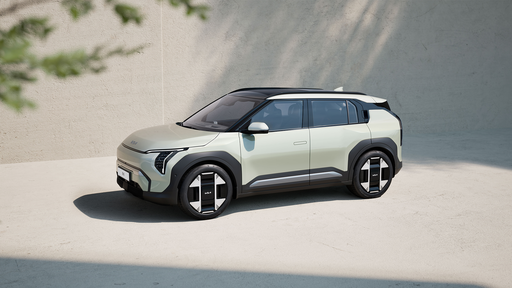
The Kia EV2 is a compact electric crossover aimed at buyers who want a practical, affordable EV with a modern, well-appointed cabin. It combines comfortable, predictable handling with straightforward tech and efficient everyday usability, making it a sensible choice for daily driving.

details
Renault R5
Kia EV2

Costs and Consumption

Price
24,000 - 27,000 £
Price
22,800 - 31,600 £
Consumption L/100km
-
Consumption L/100km
-
Consumption kWh/100km
14.8 - 15.2 kWh/100km
Consumption kWh/100km
15.1 - 16.3 kWh/100km
Electric Range
307 - 405 km
Electric Range
317 - 453 km
Battery Capacity
-
Battery Capacity
-
co2
0 g/km
co2
0 g/km
Fuel tank capacity
-
Fuel tank capacity
-

Dimensions and Body

Body Type
Hatchback
Body Type
SUV
Seats
5
Seats
4 - 5
Doors
-
Doors
-
Curb weight
1,447 - 1,524 kg
Curb weight
1,620 - 1,625 kg
Trunk capacity
326 L
Trunk capacity
-
Length
-
Length
-
Width
1,744 mm
Width
1,800 mm
Height
-
Height
-
Max trunk capacity
-
Max trunk capacity
-
Payload
396 - 418 kg
Payload
400 - 475 kg

Engine and Performance

Engine Type
Electric
Engine Type
Electric
Transmission
Automatic
Transmission
Automatic
Transmission Detail
Reduction Gearbox
Transmission Detail
Reduction Gearbox
Drive Type
Front-Wheel Drive
Drive Type
Front-Wheel Drive
Power HP
122 - 150 HP
Power HP
135 - 147 HP
Acceleration 0-100km/h
8 - 9 s
Acceleration 0-100km/h
8.7 - 9.7 s
Max Speed
-
Max Speed
-
Torque
225 - 245 Nm
Torque
250 Nm
Number of Cylinders
-
Number of Cylinders
-
Power kW
90 - 110 kW
Power kW
100 - 108 kW
Engine capacity
-
Engine capacity
-

General

Model Year
2025
Model Year
2026
CO2 Efficiency Class
A
CO2 Efficiency Class
A
Brand
Renault
Brand
Kia
DriveDuel uses data analysis and artificial intelligence to evaluate vehicle data and create content. Content is regularly reviewed and improved. The displayed prices are estimates based on German list prices, adjusted to the respective country’s VAT. Country-specific registration taxes are not included. This information is not legally binding.