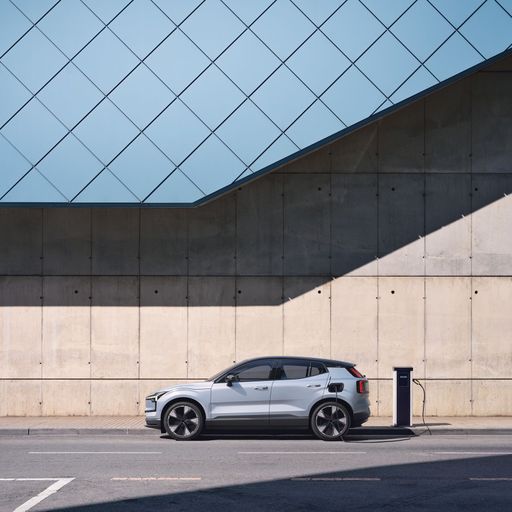
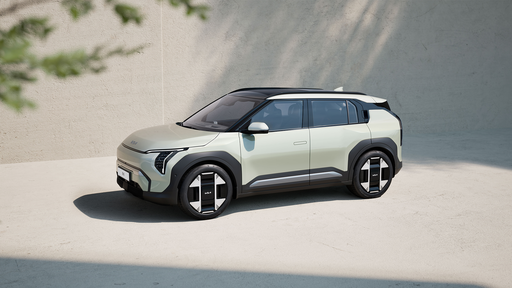
VS

Volvo EX30 vs Kia EV2 comparison

Compare performance (428 HP vs 147 HP), boot space and price (30,000 £ vs 22,800 £ ) at a glance. Find out which car is the better choice for you – Volvo EX30 or Kia EV2?

Volvo EX30 vs Kia EV2: Key differences

Volvo EX30

3.5 (8 Reviews)
rate
  • significantly more power
  • only slightly more electric range
  • clearly quicker 0–100 km/h
details

Kia EV2

3.8 (1 Reviews)
rate
  • markedly cheaper
  • moderately more efficient
  • slightly lighter
details

All details on performance, efficiency, range and trunk space can be found in the technical comparison below – including user reviews for both models.

By Achim Sedelmaier

EX30

Volvo EX30 VS Kia EV2 — quick take for buyers

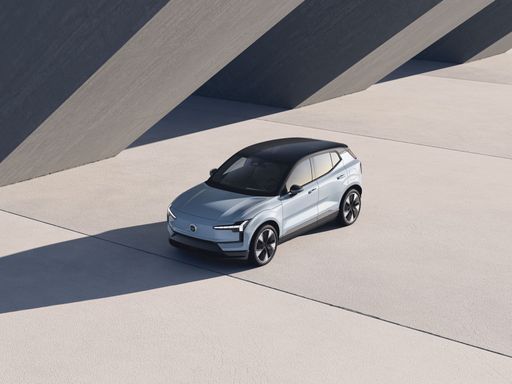
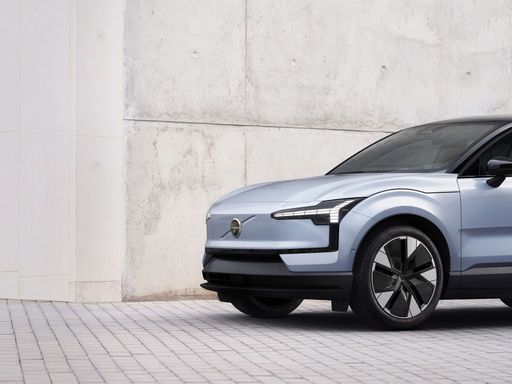
Volvo EX30 and Kia EV2 sit in the same compact EV bracket but they address different priorities: the EX30 pushes premium feel and punchy performance into a very small package, while the EV2 tilts toward everyday space, quiet refinement and value. The trade-off is straightforward — the EX30 feels sharper and more buttoned‑up in design and tech, whereas the EV2 spreads more usable room and a gentler ride across the same footprint. Pricing and equipment choices amplify that split, so what looks like a small hatch on paper becomes either a sporty, premium city rocket or a calm, practical family commuter in real life. Read on to see how those character differences map to comfort, practicality and who each car actually suits.
EV2

Driving character and on‑road manners

The Volvo EX30 drives with a sense of intent — quick off the line and tuned for brisk responses — which makes it feel exciting around town and on motorway on‑ramps, while the Kia EV2 is composed, predictable and tuned for calm efficiency. That means the EX30 rewards short, energetic bursts and gives a premium‑brand immediacy, but it can drink more energy when pushed; the EV2 lets you relax and extract good real‑world range by keeping everything smooth and undemanding. Steering in the EX30 is light and precise enough for urban manoeuvres but lacks tactile feedback for enthusiastic drivers, whereas the EV2’s steering is safe and soft, prioritising comfort over feel. Both are easy to live with daily, but they deliver different emotional payoffs: EX30 thrills in short doses, EV2 soothes for longer runs.

EX30

Comfort, cabin feel and day‑to‑day usability

Inside, the Volvo EX30 leans into premium materials and sculpted front seats that make long stints noticeably pleasant, but its cabin layout centres heavily on a single touchscreen and a side‑mounted display that can interrupt sightlines. The Kia EV2 trades a little of that luxury sheen for a more straightforward, quieter environment with physical climate controls and generally better rear headroom and legroom for real passengers. EX30’s front‑row comfort meets high‑end expectations, yet its cramped back seat and touch‑centric controls can feel like compromises on everyday ergonomics; EV2’s rear packaging and intuitive controls simply make life easier for families and frequent passengers. Perceived quality therefore splits: Volvo feels premium in materials and design, Kia feels smarter in practical detail.

Practicality and luggage life

Practicality highlights the clearest trade‑offs: the Volvo EX30’s compact rear and high load lip make weekend luggage and adult passengers less convenient, while the Kia EV2 offers a more flexible layout and a roomier, more usable boot for daily chores. Kia’s optional seating variants and clever load‑floor arrangements increase real‑world cargo adaptability, whereas the EX30 squeezes a lot of style and tech into tight packaging at the expense of volume and ease of loading. Frunk availability and trim choices further tilt the scales — what you get depends on the spec you pick, and the EV2 typically gives you more stretch for family tasks. If you regularly carry bulky items or taller passengers, the EV2 will feel less compromising day to day.

City living versus long trips

In the city the EX30’s compact dimensions, light steering and parking aids make it nimble and enjoyable, while the EV2’s excellent visibility and cushioned ride make urban commuting effortless and quiet. For longer motorway runs the EX30’s stronger performance can be a bonus when merging or overtaking, especially if you opt for its extended‑range variants, but that sharper character often costs you range under sustained high speed. The EV2 rewards relaxed cruise settings and efficient driving with impressive real‑world economy, and its long‑range option gives a comfortable motorway temperament without frequent stops. Choose the EX30 if you prioritise a sporty, premium short‑trip experience; choose the EV2 if you value steady long‑distance comfort and lower running fuss.

Who each car actually suits — buyer fit and final contrast

If you want a compact EV that reads like a premium city crossover with strong acceleration, rich tech and a crisp design, the Volvo EX30 will appeal to singles or couples who prize style and punch over rear‑seat space. If your priority is usable interior space, calm ride quality, simpler controls and a more affordable entry to EV ownership, the Kia EV2 aligns better with family life and sensible daily driving. The EX30 rewards buyers who tolerate a few ergonomic compromises for performance and brand cachet; the EV2 rewards buyers who want practicality and quiet efficiency without fuss. Below this editorial we’ll dig into the technical differences so you can match battery, charging and performance choices to the lifestyle each car best serves.

Here’s where it gets real: The technical differences in detail

EX30

Costs and Efficiency:

Price and efficiency are often the first things buyers look at. Here it becomes clear which model has the long-term edge – whether at the pump, the plug, or in purchase price.

Kia EV2 is markedly cheaper – starting at 22,800 £ , while the Volvo EX30 costs 30,000 £ . That’s a price difference of around 7,191 £.

In terms of energy consumption, the Kia EV2 is moderately more efficient: consuming 15.1 kWh/100km compared to 17 kWh/100km for the Volvo EX30. That’s a difference of about 1.9 kWh/100km.

As for electric range, the Volvo EX30 offers only slightly more range – reaching up to 475 km, about 22 km more than the Kia EV2.

EV2

Engine and Performance:

Under the bonnet, it becomes clear which model is tuned for sportiness and which one takes the lead when you hit the accelerator.

When it comes to engine power, the Volvo EX30 offers significantly more power – delivering 428 HP compared to 147 HP. That’s roughly 281 HP more horsepower.

When accelerating from 0 to 100 km/h, the Volvo EX30 is clearly quicker – completing the sprint in 3.6 s, while the Kia EV2 takes 8.7 s. That’s about 5.1 s quicker.

There’s also a difference in torque: the Volvo EX30 delivers substantially more torque with 543 Nm compared to 250 Nm. That’s about 293 Nm more.

EX30

Space and Everyday Use:

Whether family car or daily driver – which one offers more room, flexibility and comfort?

Both vehicles offer seating for 5 people.

In terms of curb weight, Kia EV2 is slightly lighter – 1,620 kg compared to 1,840 kg. The difference is around 220 kg.

When it comes to payload, the Kia EV2 carries moderately more – 475 kg compared to 390 kg. That’s a difference of about 85 kg.

Who wins the race in the data check?

The Volvo EX30 is far ahead overall in the objective data comparison.
This result only shows which model scores more points on paper – not which of the two cars feels right for you.

from £30,000
EX30

Volvo EX30

  • Engine Type Electric
  • Transmission Automatic
  • Drive Type Rear-Wheel Drive, All-Wheel Drive
  • Power HP 150 - 428 HP
  • Consumption kWh/100km 17 - 18.3 kWh/100km
  • Electric Range 339 - 475 km
Volvo EX30
Kia EV2

Costs and Consumption

View detailed analysis

Engine and Performance

View detailed analysis

Dimensions and Body

View detailed analysis

Volvo EX30

The Volvo EX30 is a compact all-electric crossover that mixes Volvo's strong safety focus with clean Scandinavian design for a really city-friendly package. It feels lively and easy to live with, pairing a premium-feeling interior and modern connectivity with a practical footprint for urban driving.

details

Kia EV2

The Kia EV2 is a compact electric crossover aimed at buyers who want a practical, affordable EV with a modern, well-appointed cabin. It combines comfortable, predictable handling with straightforward tech and efficient everyday usability, making it a sensible choice for daily driving.

details
Volvo EX30
Kia EV2

Costs and Consumption

Price
30,000 - 47,800 £
Price
22,800 - 31,600 £
Consumption L/100km
-
Consumption L/100km
-
Consumption kWh/100km
17 - 18.3 kWh/100km
Consumption kWh/100km
15.1 - 16.3 kWh/100km
Electric Range
339 - 475 km
Electric Range
317 - 453 km
Battery Capacity
-
Battery Capacity
-
co2
0 g/km
co2
0 g/km
Fuel tank capacity
-
Fuel tank capacity
-

Dimensions and Body

Body Type
SUV
Body Type
SUV
Seats
5
Seats
4 - 5
Doors
-
Doors
-
Curb weight
1,840 - 1,960 kg
Curb weight
1,620 - 1,625 kg
Trunk capacity
318 L
Trunk capacity
-
Length
-
Length
-
Width
1,838 mm
Width
1,800 mm
Height
-
Height
-
Max trunk capacity
-
Max trunk capacity
-
Payload
370 - 390 kg
Payload
400 - 475 kg

Engine and Performance

Engine Type
Electric
Engine Type
Electric
Transmission
Automatic
Transmission
Automatic
Transmission Detail
Reduction Gearbox
Transmission Detail
Reduction Gearbox
Drive Type
Rear-Wheel Drive, All-Wheel Drive
Drive Type
Front-Wheel Drive
Power HP
150 - 428 HP
Power HP
135 - 147 HP
Acceleration 0-100km/h
3.6 - 8.6 s
Acceleration 0-100km/h
8.7 - 9.7 s
Max Speed
-
Max Speed
-
Torque
343 - 543 Nm
Torque
250 Nm
Number of Cylinders
-
Number of Cylinders
-
Power kW
110 - 315 kW
Power kW
100 - 108 kW
Engine capacity
-
Engine capacity
-

General

Model Year
2026
Model Year
2026
CO2 Efficiency Class
A
CO2 Efficiency Class
A
Brand
Volvo
Brand
Kia
DriveDuel uses data analysis and artificial intelligence to evaluate vehicle data and create content. Content is regularly reviewed and improved. The displayed prices are estimates based on German list prices, adjusted to the respective country’s VAT. Country-specific registration taxes are not included. This information is not legally binding.