VS

Renault R4 vs Kia EV2 comparison

Compare performance (150 HP vs 147 HP), boot space and price (27,300 £ vs 22,800 £ ) at a glance. Find out which car is the better choice for you – Renault R4 or Kia EV2?

Renault R4 vs Kia EV2: Key differences

Renault R4

5 (1 Reviews)
rate
  • very slightly more power
  • marginally quicker 0–100 km/h
  • marginally lighter
details

Kia EV2

3.8 (1 Reviews)
rate
  • somewhat cheaper
  • only slightly more electric range
details

By Achim Sedelmaier

R4

Renault R4 VS Kia EV2: a direct comparison for everyday buyers

Renault R4 VS Kia EV2 is the matchup most shoppers consider when they want a small, practical electric SUV that leans either vintage‑charm or modern comfort. The Renault R4 trades on personality and blunt practicality: a cheerful, retro‑inspired cabin and one of the most user‑friendly boot designs in the class. The Kia EV2, by contrast, pitches a quieter, more grown‑up package with efficient packaging and a sharper value entry point. Both aim at city‑centric families and commuters, but they reach that goal through very different priorities—one through tactile simplicity and loadability, the other through roomy ergonomics and tech‑led refinement. Read on for how those priorities translate into everyday wins and compromises.

EV2

Character and driving feel: playful charm vs. composed calm

The Renault R4 feels like a small car with personality—gentle steering, a relaxed power delivery and a ride tuned to make daily trips comfortable rather than sporting. The Kia EV2 presents the opposite impression: unnervingly composed, very quiet and engineered to fade into the background so you notice traffic instead of the car. If you want a car that communicates character every time you start it, the Renault R4 gives more emotional feedback; if you prefer to be cocooned and forget you’re even driving, the Kia EV2 does that better. That difference also shapes expectations: R4 owners tend to accept minor compromises for charm and usability, while EV2 buyers prioritize predictability and low fatigue on longer stints.

R4

Cabin feel and perceived quality: friendly simplicity versus modern neatness

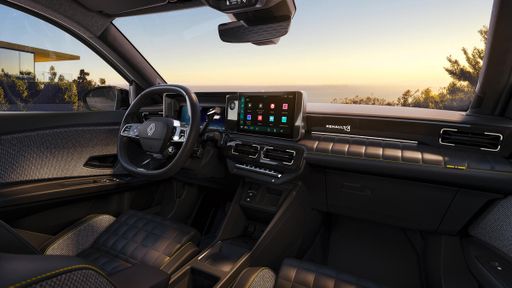
Step into the Renault R4 and you get immediate tactile cues: physical climate controls, a very legible Google‑based interface and materials that emphasize durability and quirky styling over luxury. The Kia EV2’s interior reads cleaner and more contemporary, with a layered screen layout and a more conventional, restrained aesthetic that feels a touch more premium at first glance. In practice the R4’s controls make short trips easier and less fiddly, while the EV2’s layout rewards longer use with better visibility and ergonomic seating. Both cabins are well built for the price, but the R4 feels like a characterful tool and the EV2 like a polished everyday appliance.

Practicality and luggage: low lip utility vs. flexible packaging

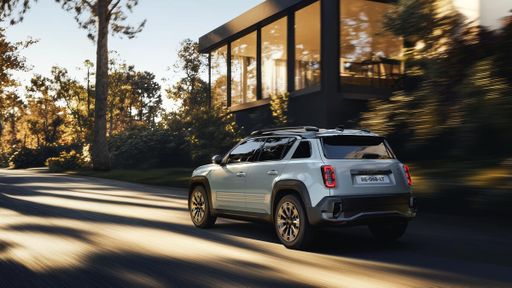
For loading ease the Renault R4 is the standout: a low boot lip and clever details turn school runs and supermarket hauls into a less frustrating chore. The Kia EV2 counters with more clever interior flexibility—sliding rear seats and a variable floor that make different passenger/cargo mixes more workable if you choose the right configuration. That said, the R4’s rear bench folds into a floor with a noticeable step, which complicates carrying very long, flat loads, while the EV2 often forces you to lift items higher because of a taller load sill. Put simply: if you prioritize loading large, heavy items with minimal fuss the R4 wins day‑to‑day; if you need adaptable space for passengers and occasional odd‑shaped cargo, the EV2’s packaging tools are more useful.

City friendliness and long‑distance behavior: nimble urbanist versus motorway confidant

In town both cars are easy to live with, but the Renault R4’s compact turning and light controls feel a touch livelier on tight streets, even if rearward visibility can be frustrating when reversing. The Kia EV2 feels more assured at speed: superb cabin quietness and an efficient drivetrain make longer journeys less tiring, and its better overall visibility takes the edge off urban parking. Charging and range behavior underline the split: the R4 is perfectly capable for daily use but imposes more frequent stops on sustained high‑speed runs, whereas the EV2’s configuration options give buyers a clearer path to more motorway confidence. So choose the R4 for tight‑city agility and sensible daily range, or the EV2 if you expect regular longer trips and want a quieter, more spacious highway companion.

Buyer fit: who should pick which car before the spec sheet

If you want an electric small SUV that adds daily convenience and a bit of character to family life, the Renault R4 is the pick that rewards people who value easy loading, simple controls and a likeable personality over outright technical specification. If you prefer the more neutral, efficient and ergonomically flexible choice with a lower entry price and clearer options for longer runs, the Kia EV2 feels better matched to commuters who prioritise cabin quiet, visibility and scalable range/options. The trade‑offs are consistent: R4 puts practical, human‑scale details first; EV2 focuses on composure, space management and cost‑effectiveness. That buyer split sets up the technical comparison neatly — the numbers will tell you exactly how those real‑world differences map to range, charging and trim choices.

Here’s where it gets real: The technical differences in detail

R4

Costs and Efficiency:

Looking at overall running costs, both models reveal some interesting differences in everyday economy.

Kia EV2 is somewhat cheaper – starting at 22,800 £ , while the Renault R4 costs 27,300 £ . That’s a price difference of around 4,525 £.

When it comes to electricity consumption, both models perform equally – each averaging 15.1 kWh/100km.

As for electric range, the Kia EV2 offers only slightly more range – reaching up to 453 km, about 44 km more than the Renault R4.

EV2

Engine and Performance:

Power, torque and acceleration are the classic benchmarks for car enthusiasts – and here, some clear differences start to show.

When it comes to engine power, the Renault R4 offers very slightly more power – delivering 150 HP compared to 147 HP. That’s roughly 3 HP more horsepower.

When accelerating from 0 to 100 km/h, the Renault R4 is marginally quicker – completing the sprint in 8.2 s, while the Kia EV2 takes 8.7 s. That’s about 0.5 s quicker.

There’s also a difference in torque: the Kia EV2 delivers very slightly more torque with 250 Nm compared to 245 Nm. That’s about 5 Nm more.

R4

Space and Everyday Use:

Beyond pure performance, interior space and usability matter most in daily life. This is where you see which car is more practical and versatile.

Both vehicles offer seating for 5 people.

In terms of curb weight, Renault R4 is marginally lighter – 1,510 kg compared to 1,620 kg. The difference is around 110 kg.

When it comes to payload, the Kia EV2 carries very slightly more – 475 kg compared to 443 kg. That’s a difference of about 32 kg.

Who wins the race in the data check?

The Kia EV2 has the upper hand in the objective data comparison.
This result only shows which model scores more points on paper – not which of the two cars feels right for you.

from £22,800
EV2

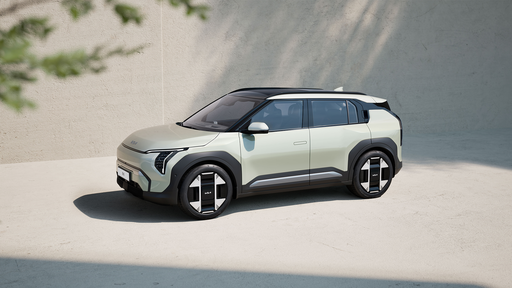
Kia EV2

  • Engine Type Electric
  • Transmission Automatic
  • Drive Type Front-Wheel Drive
  • Power HP 135 - 147 HP
  • Consumption kWh/100km 15.1 - 16.3 kWh/100km
  • Electric Range 317 - 453 km
Renault R4
Kia EV2

Costs and Consumption

View detailed analysis

Engine and Performance

View detailed analysis

Dimensions and Body

View detailed analysis

Renault R4

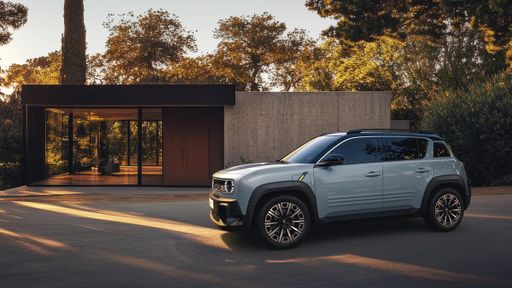
The Renault R4, affectionately known as the "R4," is a quintessential symbol of French automotive simplicity and practicality. This classic compact car, originally introduced in the early 1960s, won over numerous enthusiasts with its versatile design and dependable performance. Its no-frills charm and robust build made it a beloved choice for rural drivers and city dwellers alike, cementing its status as an iconic piece of automotive history.

details

Kia EV2

The Kia EV2 is a compact electric crossover aimed at buyers who want a practical, affordable EV with a modern, well-appointed cabin. It combines comfortable, predictable handling with straightforward tech and efficient everyday usability, making it a sensible choice for daily driving.

details
Renault R4
Kia EV2

Costs and Consumption

Price
27,300 - 32,800 £
Price
22,800 - 31,600 £
Consumption L/100km
-
Consumption L/100km
-
Consumption kWh/100km
15.1 kWh/100km
Consumption kWh/100km
15.1 - 16.3 kWh/100km
Electric Range
409 km
Electric Range
317 - 453 km
Battery Capacity
-
Battery Capacity
-
co2
0 g/km
co2
0 g/km
Fuel tank capacity
-
Fuel tank capacity
-

Dimensions and Body

Body Type
SUV
Body Type
SUV
Seats
2 - 5
Seats
4 - 5
Doors
-
Doors
-
Curb weight
1,510 - 1,537 kg
Curb weight
1,620 - 1,625 kg
Trunk capacity
420 - 1,045 L
Trunk capacity
-
Length
-
Length
-
Width
1,808 mm
Width
1,800 mm
Height
-
Height
-
Max trunk capacity
-
Max trunk capacity
-
Payload
385 - 443 kg
Payload
400 - 475 kg

Engine and Performance

Engine Type
Electric
Engine Type
Electric
Transmission
Automatic
Transmission
Automatic
Transmission Detail
Reduction Gearbox
Transmission Detail
Reduction Gearbox
Drive Type
Front-Wheel Drive
Drive Type
Front-Wheel Drive
Power HP
150 HP
Power HP
135 - 147 HP
Acceleration 0-100km/h
8.2 s
Acceleration 0-100km/h
8.7 - 9.7 s
Max Speed
-
Max Speed
-
Torque
245 Nm
Torque
250 Nm
Number of Cylinders
-
Number of Cylinders
-
Power kW
110 kW
Power kW
100 - 108 kW
Engine capacity
-
Engine capacity
-

General

Model Year
2,025 - 2,026
Model Year
2026
CO2 Efficiency Class
A
CO2 Efficiency Class
A
Brand
Renault
Brand
Kia
DriveDuel uses data analysis and artificial intelligence to evaluate vehicle data and create content. Content is regularly reviewed and improved. The displayed prices are estimates based on German list prices, adjusted to the respective country’s VAT. Country-specific registration taxes are not included. This information is not legally binding.