@ Volvo Cars
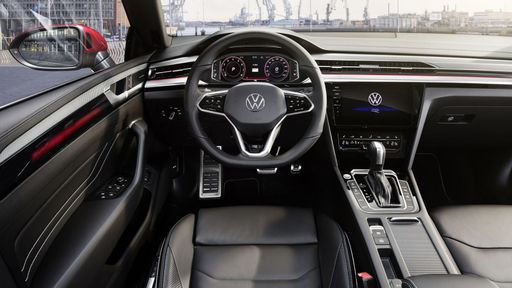
@ Volkswagen AG / VW Media
VS

Volvo V60 vs VW Arteon - Differences and prices compared

Compare performance (455 HP vs 320 HP), boot space and price (41600 £ vs 43300 £) at a glance. Find out which car is the better choice for you – Volvo V60 or VW Arteon?

Volvo V60

5 (1 Reviews)
rate

VW Arteon

5 (1 Reviews)
rate

Here’s where it gets real: The technical differences in detail

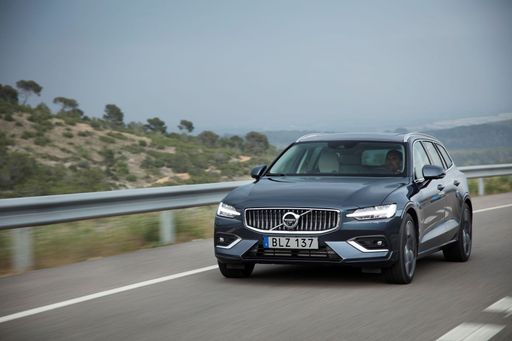
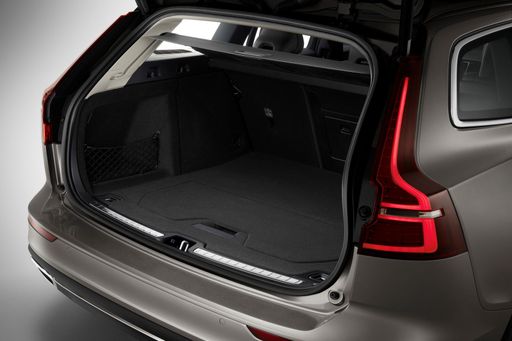
V60 @ Volvo Cars

Costs and Efficiency:

When it comes to price and running costs, the biggest differences usually appear. This is often where you see which car fits your budget better in the long run.

Volvo V60 has a slight advantage in terms of price – it starts at 41600 £, while the VW Arteon costs 43300 £. That’s a price difference of around 1633 £.

Fuel consumption also shows a difference: Volvo V60 manages with 2.40 L and is therefore significantly more efficient than the VW Arteon with 5.10 L. The difference is about 2.70 L per 100 km.

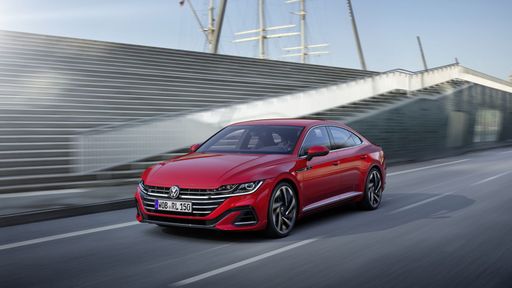
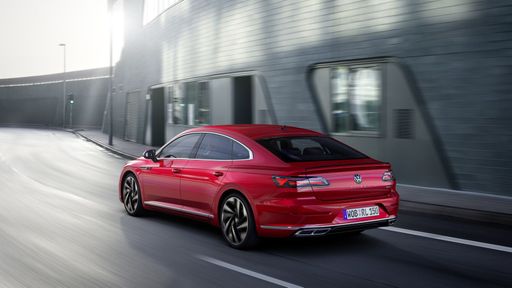
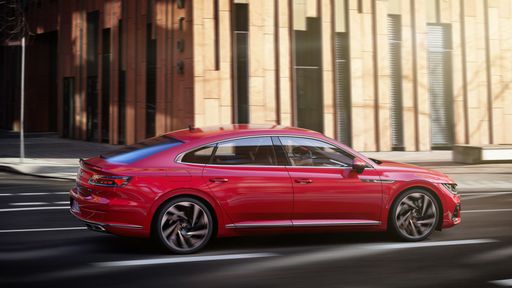
Arteon @ Volkswagen AG / VW Media

Engine and Performance:

Power, torque and acceleration say a lot about how a car feels on the road. This is where you see which model delivers more driving dynamics.

When it comes to engine power, the Volvo V60 has a evident edge – offering 455 HP compared to 320 HP. That’s roughly 135 HP more horsepower.

In acceleration from 0 to 100 km/h, the Volvo V60 is minimal quicker – completing the sprint in 4.60 s, while the VW Arteon takes 4.90 s. That’s about 0.30 s faster.

In terms of top speed, the VW Arteon performs noticeable better – reaching 250 km/h, while the Volvo V60 tops out at 180 km/h. The difference is around 70 km/h.

There’s also a difference in torque: Volvo V60 pulls decisively stronger with 709 Nm compared to 420 Nm. That’s about 289 Nm difference.

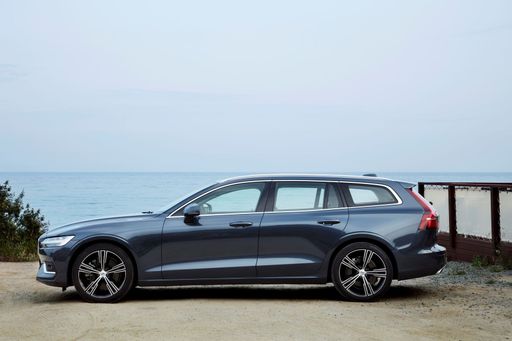
V60 @ Volvo Cars

Space and Everyday Use:

Whether family car or daily driver – which one offers more room, flexibility and comfort?

Seats: offers more seating capacity – vs .

In curb weight, VW Arteon is slight lighter – 1607 kg compared to 1734 kg. The difference is around 127 kg.

In terms of boot space, the VW Arteon offers to a small extent more room – 590 L compared to 519 L. That’s a difference of about 71 L.

In maximum load capacity, the VW Arteon performs slightly better – up to 1632 L, which is about 201 L more than the Volvo V60.

When it comes to payload, VW Arteon a bit takes the win – 569 kg compared to 506 kg. That’s a difference of about 63 kg.

Who wins the race?

The Volvo V60 proves to be dominates this comparison and therefore becomes our DriveDuel Champion!
Volvo V60 is the better all-rounder in this comparison.

from about £41,600
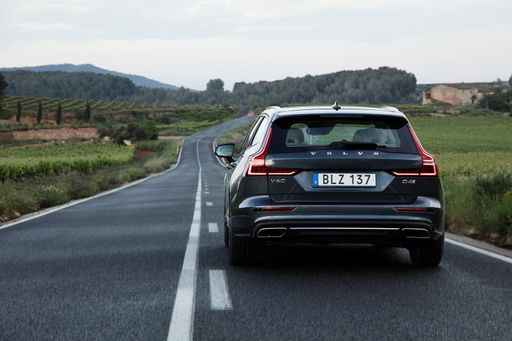
V60 @ Volvo Cars

Volvo V60

  • Engine Type : Petrol MHEV, Plugin Hybrid
  • Transmission : Automatic
  • Drive Type : Front-Wheel Drive, All-Wheel Drive
  • Power HP : 197 - 455 HP
  • Consumption L/100km : 2.4 - 6.2 L
  • Electric Range : 92 km
Volvo V60
VW Arteon

Costs and Consumption

View detailed analysis

Engine and Performance

View detailed analysis

Dimensions and Body

View detailed analysis

Volvo V60

5 (1 Reviews)
rate

The Volvo V60 blends elegant Scandinavian design with a practical estate layout, making it a composed and sensible choice for buyers who want style without sacrifice. Inside, a serene cabin, clever safety features and a supple ride turn daily commutes and weekend getaways into effortless, grown-up motoring.

details

VW Arteon

5 (1 Reviews)
rate

The VW Arteon cuts a fastback silhouette that manages to look more expensive than it is, with a cabin that feels calm, roomy and smartly finished. It blends relaxed long distance comfort with a touch of sporting poise, making it a clever choice for buyers who want grand touring polish without shouting for attention.

details
Volvo V60
VW Arteon
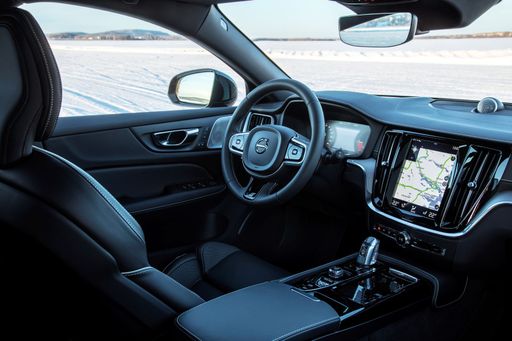
V60 @ Volvo Cars
Arteon @ Volkswagen AG / VW Media

Costs and Consumption

Price
41600 - 64200 £
Price
43300 - 60800 £
Consumption L/100km
2.4 - 6.2 L
Consumption L/100km
5.1 - 8.6 L
Consumption kWh/100km
-
Consumption kWh/100km
-
Electric Range
92 km
Electric Range
-
Battery Capacity
14.70 kWh
Battery Capacity
-
co2
54 - 140 g/km
co2
133 - 195 g/km
Fuel tank capacity
60 L
Fuel tank capacity
66 L

Dimensions and Body

Body Type
Estate
Body Type
Estate
Seats
5
Seats
5
Doors
5
Doors
5
Curb weight
1734 - 2064 kg
Curb weight
1607 - 1773 kg
Trunk capacity
519 L
Trunk capacity
590 L
Length
4778 mm
Length
4866 mm
Width
1850 mm
Width
1871 mm
Height
1432 mm
Height
1434 - 1451 mm
Max trunk capacity
1431 L
Max trunk capacity
1632 L
Payload
466 - 506 kg
Payload
467 - 569 kg

Engine and Performance

Engine Type
Petrol MHEV, Plugin Hybrid
Engine Type
Diesel, Petrol
Transmission
Automatic
Transmission
Automatic
Transmission Detail
Dual-Clutch Automatic, Automatic Gearbox
Transmission Detail
Dual-Clutch Automatic
Drive Type
Front-Wheel Drive, All-Wheel Drive
Drive Type
Front-Wheel Drive, All-Wheel Drive
Power HP
197 - 455 HP
Power HP
150 - 320 HP
Acceleration 0-100km/h
4.6 - 7.6 s
Acceleration 0-100km/h
4.9 - 9.4 s
Max Speed
180 km/h
Max Speed
216 - 250 km/h
Torque
300 - 709 Nm
Torque
320 - 420 Nm
Number of Cylinders
4
Number of Cylinders
4
Power kW
145 - 335 kW
Power kW
110 - 235 kW
Engine capacity
1969 cm3
Engine capacity
1968 - 1984 cm3

General

Model Year
2024 - 2025
Model Year
2024
CO2 Efficiency Class
E, B
CO2 Efficiency Class
D, E, F, G
Brand
Volvo
Brand
VW
What drive types are available for the Volvo V60?

The Volvo V60 is available as Front-Wheel Drive or All-Wheel Drive.

The prices and data displayed are estimates based on German list prices and may vary by country. This information is not legally binding.