Ford Transit Custom Camper , starting at

The Ford Transit Custom Camper impresses with and an attractive starting price of . Here are all the details at a glance.

Transit Custom Camper

Ford Transit Custom Camper

Street Cred and Camper Charm

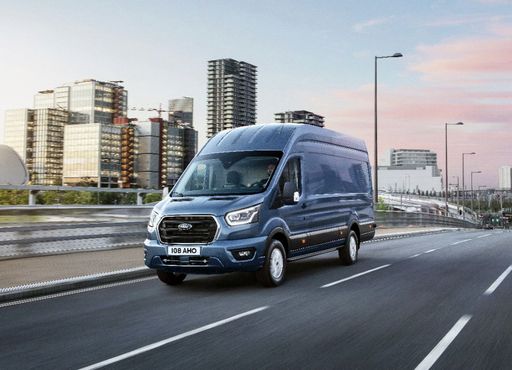
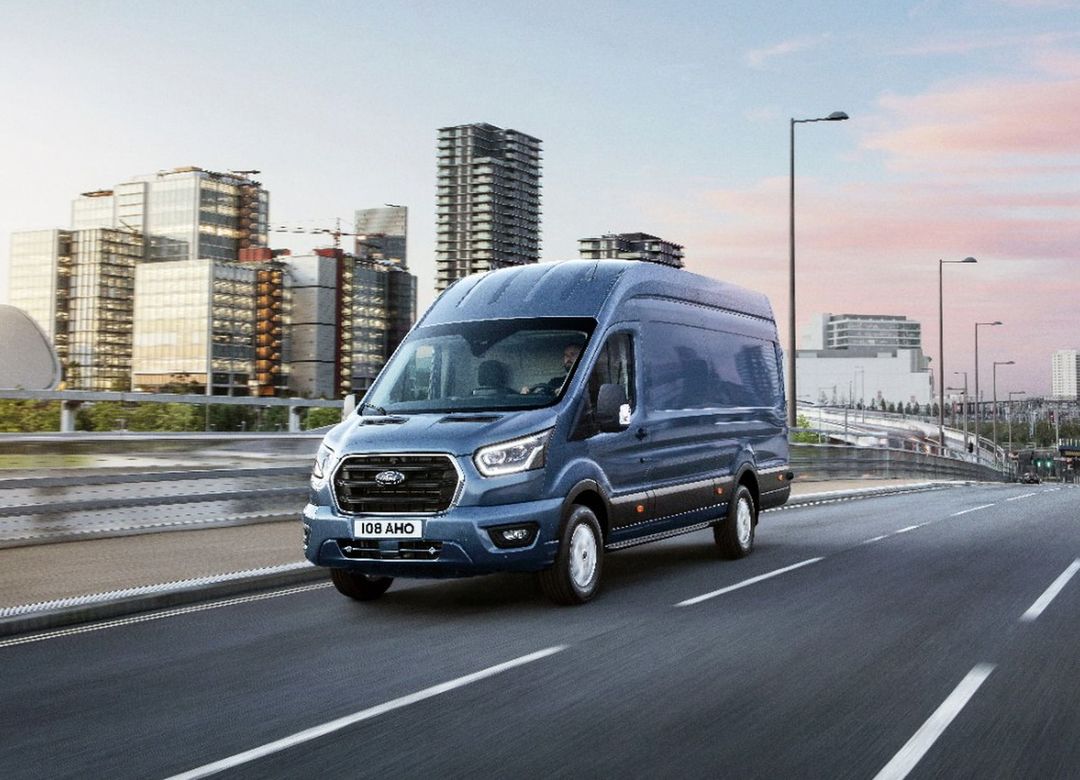
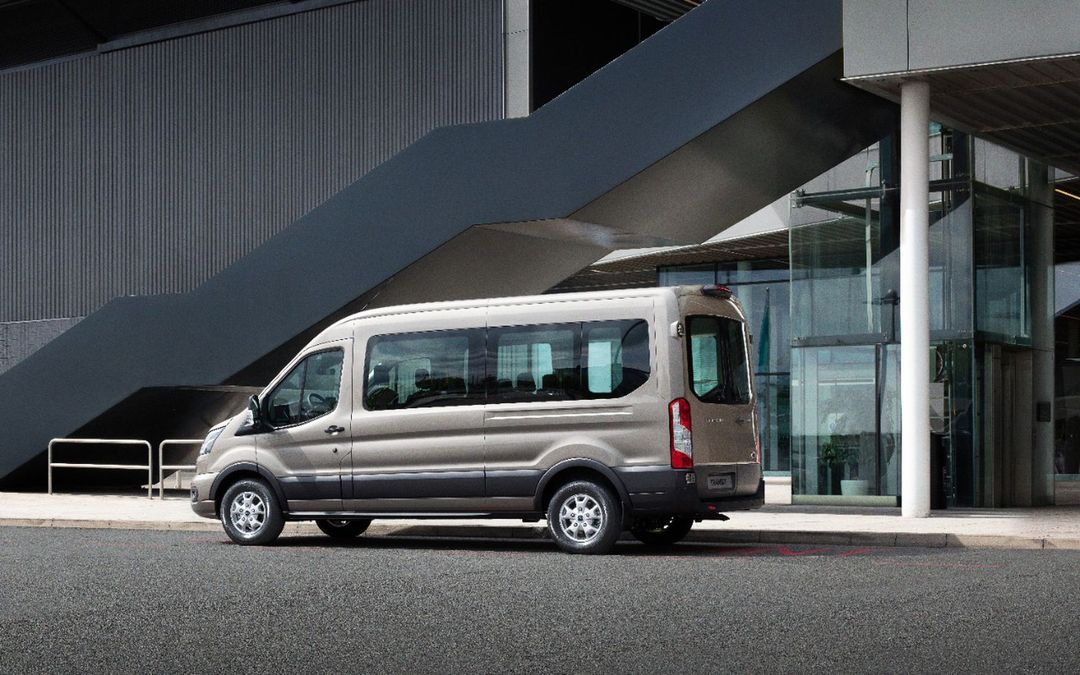
The Transit Custom camper wears its commercial roots with confidence: a boxy, purposeful silhouette that converts into a homely retreat with a pop-top or coachbuilt shell. Presence on the road is substantial without being intimidating, and details like a high waistline and upright grille give it a practical, truck-like look that suits outdoor use. Many conversions add tasteful cladding, roof racks and awnings so the van reads as intentional lifestyle kit rather than a rolling tool chest.
Cabin Comfort for Life on the Move

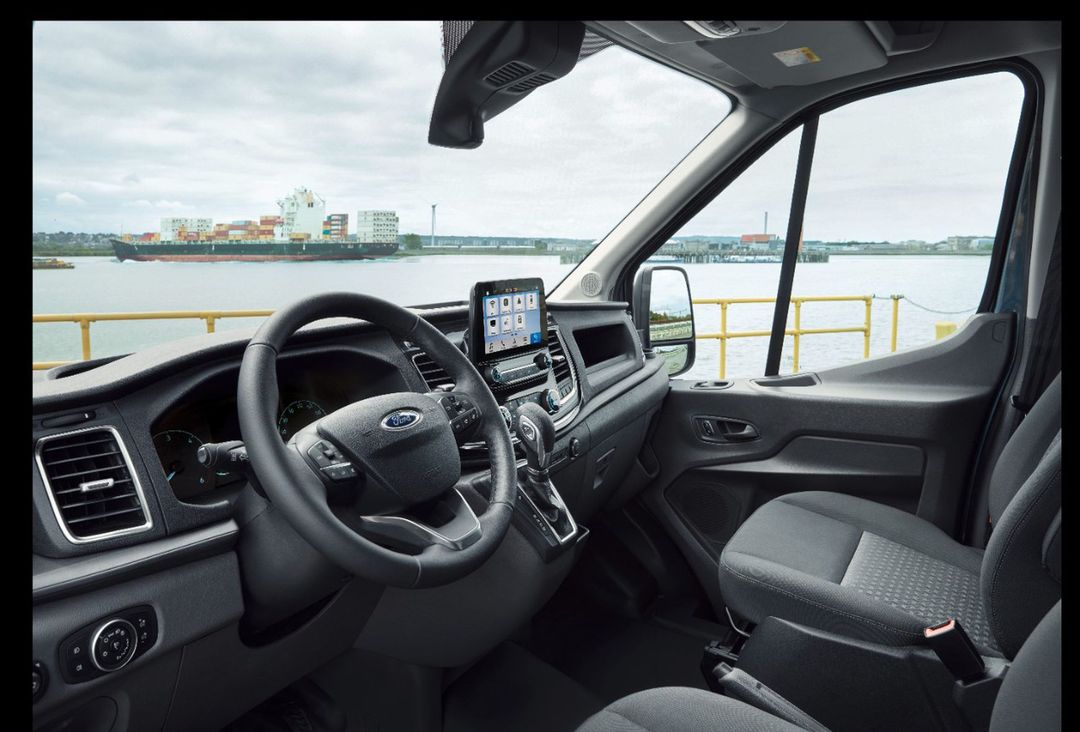
The driver’s area borrows from Ford’s car DNA, offering a logical dash layout, supportive seats and useful stowage pockets that make long drives less tiring. Materials are durable rather than luxurious, with hard-wearing plastics and wipe-clean surfaces ideal for muddy boots and beach sand. Conversions typically tuck a compact kitchen and fold-away table behind the front seats without compromising the ergonomics of the cab.

Room to Live without the Trailer

Under the skin the Transit Custom offers genuine practical space: in van form load volume reaches up to around 6.0 m³ and wheelbase choices let converters prioritise sleeping or storage length. Payload figures typically sit between ~800–1,400 kg so it can carry kit, bikes and water tanks — but heavy fit-outs and passengers eat into that margin quickly. Typical camper layouts sleep two comfortably with pop-tops or up to four in clever conversions, making it versatile for couples or small families.

Sleep, Heating and Life After Sunset

Night-time comfort hinges on insulation, a decent mattress and a reliable heating solution; many buyers choose diesel-fired heaters for quiet, fuel-efficient warmth and good condensation control. Pop-top roofs bring standing height and an extra berth without lengthening the van, while fixed coachbuilt interiors offer more cupboard space and a proper wetroom if needed. Practical touches — blackout blinds, flexible seating and modular storage — turn a compact footprint into a surprisingly liveable micro-home.

Drives Like a Big Car, Not a Bus

On the road the Transit Custom behaves closer to a large estate than a lorry thanks to well-judged suspension and a low seating position that helps visibility. The 2.0 EcoBlue diesel range (commonly between ~100–185 PS depending on tune) provides usable torque for motorway overtakes and towing, and the turning circle of about 11.8 m keeps urban manoeuvres manageable. Add a camper fit-out and the extra weight dulls responses, but the chassis still rewards calm, confident driving rather than frantic pace.

Fuel Use, Range and What to Expect on Trips

Real-world fuel consumption for a converted Transit Custom typically lands in the region of 8–12 L/100 km depending on weight, load and driving style, which is a meaningful step up from the factory van figures once water, gear and rooftop accessories are fitted. With a fuel tank of roughly 70–80 litres the theoretical range can be 700–900 km, but busy campsites, heaters and towing reduce that number so planning fuel stops remains sensible. Choosing a lighter fit-out and eco-minded driving will make trips noticeably cheaper and less frequent at the pump.

Tech That Keeps Things Simple and Safe

Infotainment usually features Ford’s SYNC system on an 8–10 inch touchscreen with Apple CarPlay and Android Auto for navigation and media, while optional extras include a 360‑degree camera and upgraded speakers to improve campsite living. Safety and convenience tech such as adaptive cruise, lane-keeping assist and blind-spot monitoring are available and useful on long tours or when towing a bike rack. These systems reduce fatigue and make parking or reversing a loaded camper far less stressful.

Who Should Consider a Transit Custom Camper?

The Transit Custom suits buyers seeking a pragmatic, flexible camper that balances daily usability with weekend and holiday capability, especially couples or small families who value space and durability over plush finishes. It appeals to DIY converters and professional coachbuilders alike because of its sensible dimensions, good payload and proven drivetrain choices. For those wanting a compact motorhome alternative with real storage and towing ability, it remains one of the most sensible, all-purpose choices on the market.

Costs and Consumption

Price
-
Consumption L/100km
-
Consumption kWh/100km
-
Electric Range
-
Battery Capacity
-
co2
-
Fuel tank capacity
-

Dimensions and Body

Body Type
-
Seats
-
Doors
-
Curb weight
-
Trunk capacity
-
Length
-
Width
-
Height
-
Max trunk capacity
-
Payload
-

Engine and Performance

Engine Type
-
Transmission
-
Transmission Detail
-
Drive Type
-
Power HP
-
Acceleration 0-100km/h
-
Max Speed
-
Torque
-
Number of Cylinders
-
Power kW
-
Engine capacity
-

General

Model Year
-
CO2 Efficiency Class
-
Brand
-
The prices shown are estimates based on German list prices, adjusted for local VAT. Local registration taxes (e.g. NoVA, BPM or CO2 malus) are not included. This information is not legally binding.