Ford Transit Custom Transporter Cargo Van, starting at 36300 £

The Ford Transit Custom Transporter Cargo Van impresses with 286 HP and an attractive starting price of 36300 £ . Here are all the details at a glance.

from about £36,300
Transit Custom Transporter

Ford Transit Custom Transporter

  • Engine Type : Electric, Diesel, Plugin Hybrid
  • Transmission : Automatic, Manuel
  • Drive Type : Rear-Wheel Drive, Front-Wheel Drive, All-Wheel Drive
  • Power HP : 110 - 286 HP

Street Stance and Workmanlike Looks

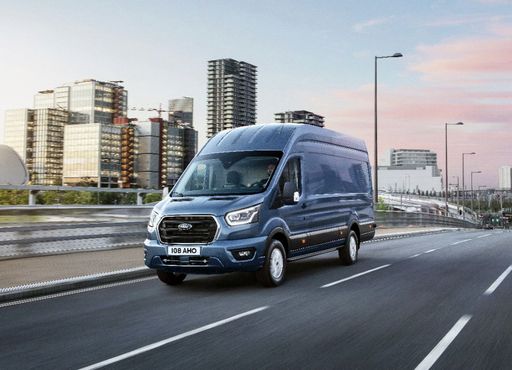
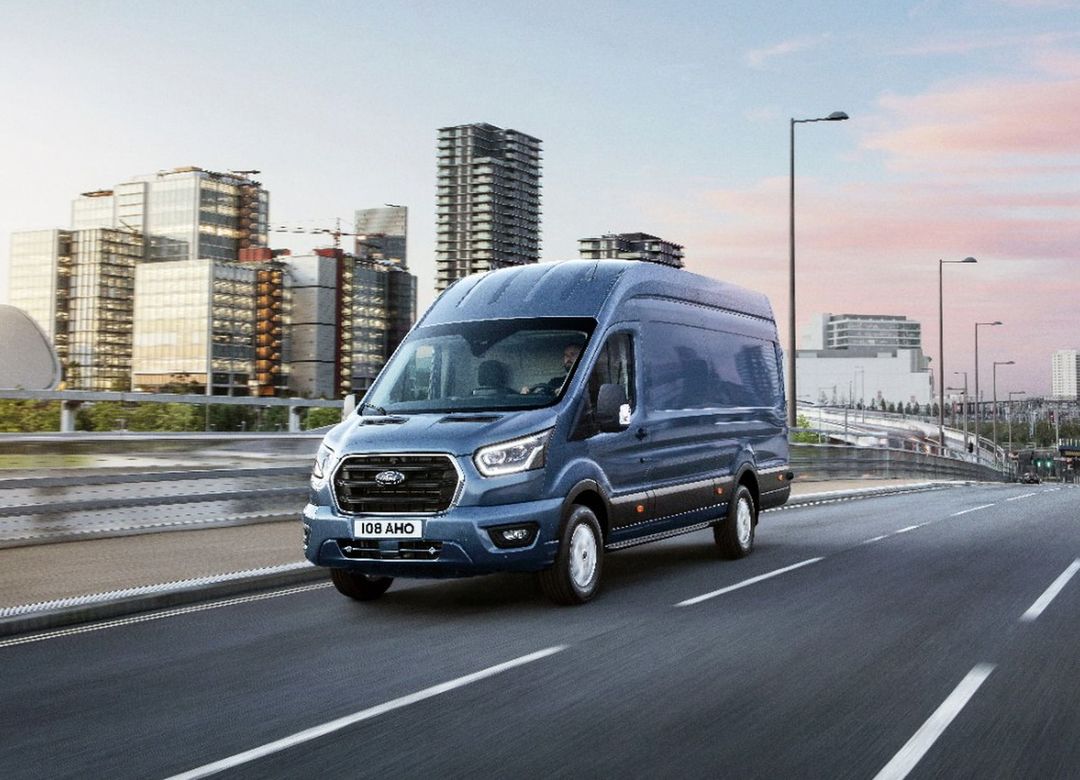
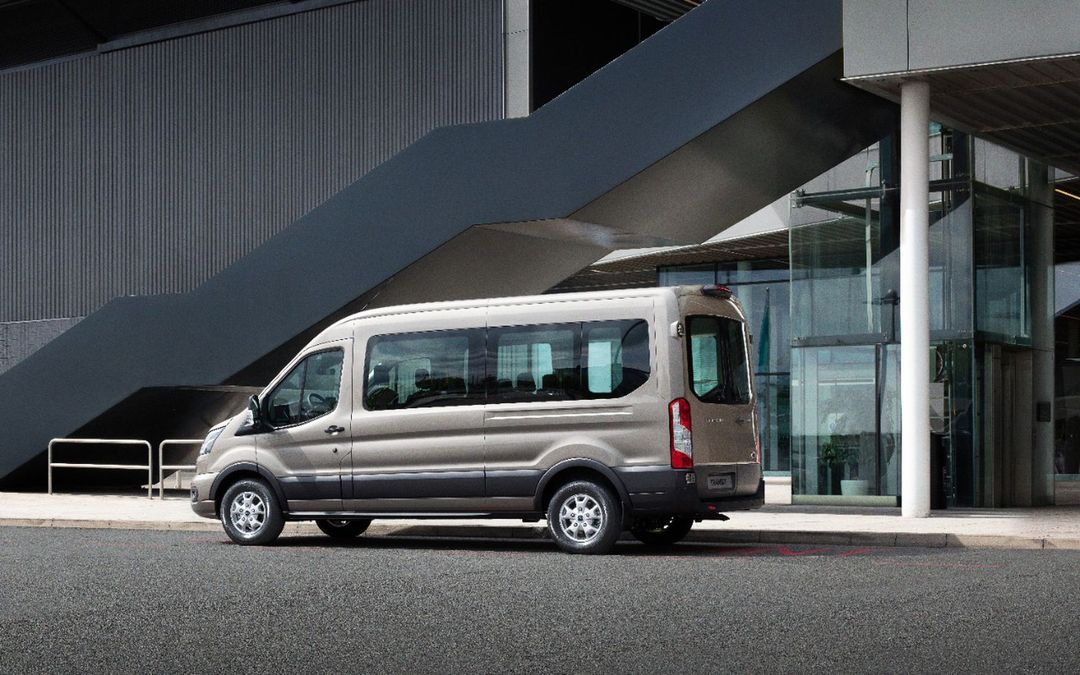
The Transit Custom cuts a purposeful profile: a squared-off cargo box on a compact van chassis that measures about 5,050–5,450 mm long, roughly 2,032 mm wide and just under 1,960 mm tall, so it squeezes into city loading zones while still looking robust on the motorway. The front end is modern Ford — big grille, upright headlights and a high bonnet that make it easy to see in traffic and give the van presence without fuss. Practical elements such as sliding side doors and visibly strong load apertures dominate the design, prioritising function over flourish. A wide range of lengths, roof heights and drivetrain choices means the visual mix varies from workhorse to near-LV commercial style depending on the spec chosen.
Cabin: Built to Take a Beating (and a Coffee Spill)

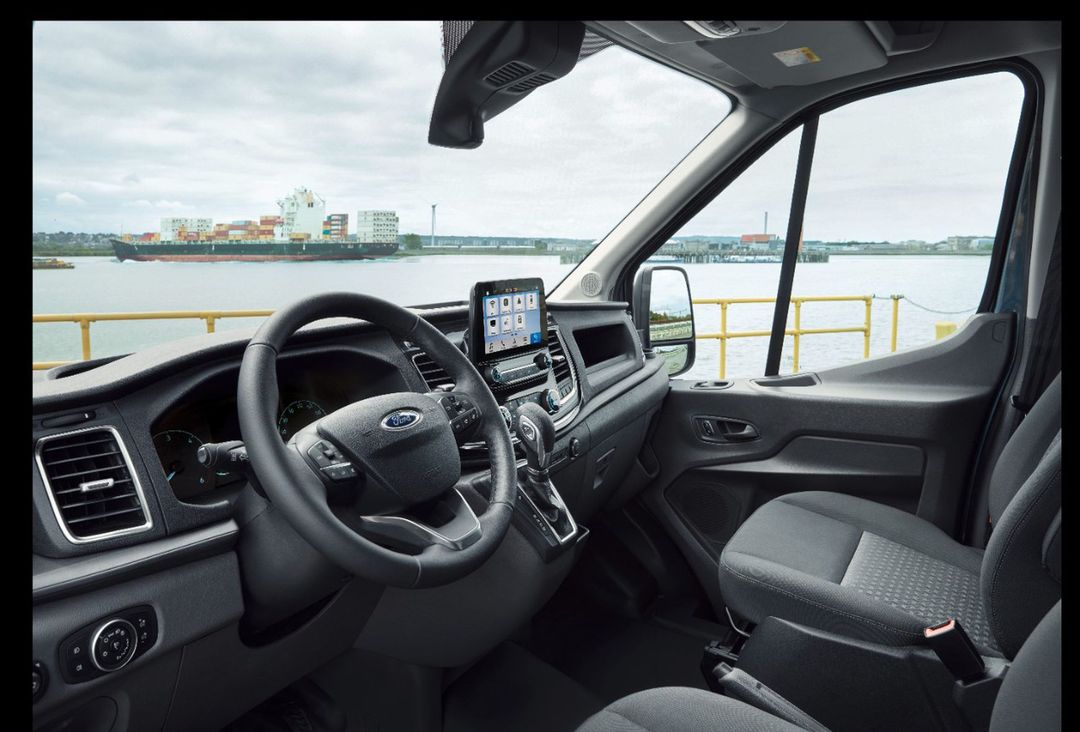
The interior focuses on durability and purpose: hard-wearing plastics, big grab handles and sensible switchgear with a seating layout that can be specified for 3 or 6 seats, or with a double cab for crews. Storage is generous with large door pockets, a central tray and a usable dashboard bin — handy for paperwork, tools and that inevitable thermos — while higher trim levels add softer surfaces and a larger touchscreen. Ergonomics are truck-like: upright driving position, clear sightlines and controls positioned for workday convenience rather than luxury. Cabin noise varies with powertrain and load, but the build aims more at longevity than plush silence.

Load Space That Actually Does the Job

Cargo capacity is where the Transit Custom earns its stripes: a maximum trunk volume around 5,800–6,800 litres with payloads reaching up to roughly 1,332 kg, so it swallows pallets, bulky equipment and long items without theatrics. The L1 and L2 body lengths give buyers a real choice between manoeuvrability and usable cargo floor, and the flat load area plus wide rear doors make loading and partitioning straightforward in daily use. Payload and curb weight figures translate directly to how much kit a tradesperson can carry without topping out the registration limits or needing a heavier vehicle class. For mixed passenger-and-cargo duties, the double-cab options keep people and tools together without sacrificing too much practicality.

On the Road: Steady, Predictable and Designed for Work

Handling is tuned for stability and comfort rather than agility: the Transit Custom feels composed under load, with body control that helps when cornering with a full van and steering calibrated for low-speed manoeuvres in tight sites. Powertrain options range from small diesel EcoBlue units through a PHEV and full BEV E‑Transit Custom, offering everything from around 110–170 hp in diesel trims up to 136–286 hp on electric versions and a 233 hp plug‑in hybrid — torque figures can climb into the hundreds of newton metres, which matters more for hauling than peak speed. Acceleration varies by model (0–100 km/h times around 13–17 seconds in typical configurations), meaning urban merges and motorway overtakes are accomplished steadily rather than theatrically. Available front-, rear- and all-wheel drive formats ensure route-specific grip and traction where required.

Running Costs, Range and Real-World Use

Electric E‑Transit variants offer quoted consumption in the low‑20s kWh/100 km and WLTP ranges near 315–327 km depending on battery and body length, which is practical for many urban delivery cycles and daily service runs before recharging. The BEV battery pack sizes and a smaller onboard PHEV battery of about 11.8 kWh mean pure-electric driving suits short-to-medium duty cycles while diesel remains efficient and predictable for long highway hauls, supported by fuel tanks around 55–63 litres. Expect consumption and range to shift with load, roof height and driving style: a full payload and roof rack can easily increase fuel or energy use compared with a light, urban setup. For fleets, the choice between diesel, PHEV and BEV comes down to route profile, daily mileage and depot charging capability.

Help from the Tech: Useful, Not Distracting

Ford outfits the Transit Custom with practical tech rather than gimmicks: touchscreen infotainment with smartphone mirroring and telematics options for fleet tracking are offered, and driver assistance packs typically include lane-keeping, emergency braking and parking aids to reduce daily stress. The interface is designed for gloved hands and quick inputs, with physical shortcuts retained for frequent functions, which is important when stops are frequent and time is money. Optional camera systems and parking sensors make reversing a loaded van safer and less time-consuming on tight sites. Security and connectivity features can be specified to match fleet management needs without overcomplicating the cab.

Who Should Buy a Transit Custom?

The Transit Custom targets tradespeople, small fleets and urban delivery operators who need a balance of cargo volume, payload and everyday drivability with a choice of propulsion to match routes and sustainability goals. City-centric operators will find the E‑Transit appealing for quiet, emissions-free runs, while long-distance haulers will still favour diesel for range and refuelling speed; the PHEV sits between for mixed urban/highway work. With strong payload numbers, configurable cabin layouts and a wide tech and drivetrain palette, the van suits businesses that need a pragmatic, reliable carrier rather than a prestige shuttle. The decision ultimately hinges on route profiles, depot charging capability and the amount of kit usually carried on a single trip.

Costs and Consumption

Price
36300 - 71100 £
Consumption L/100km
-
Consumption kWh/100km
-
Electric Range
-
Battery Capacity
11.8 - 64 kWh
co2
0 g/km
Fuel tank capacity
55 - 63 L

Dimensions and Body

Body Type
Cargo Van
Seats
3 - 6
Doors
4
Curb weight
1893 - 2122 kg
Trunk capacity
-
Length
5050 - 5450 mm
Width
2032 mm
Height
1958 - 1959 mm
Max trunk capacity
5800 - 6800 L
Payload
802 - 1332 kg

Engine and Performance

Engine Type
Electric, Diesel, Plugin Hybrid
Transmission
Automatic, Manuel
Transmission Detail
Reduction Gearbox, Manual Gearbox, Automatic Gearbox, CVT
Drive Type
Rear-Wheel Drive, Front-Wheel Drive, All-Wheel Drive
Power HP
110 - 286 HP
Acceleration 0-100km/h
13.4 - 16.9 s
Max Speed
110 - 150 km/h
Torque
310 - 415 Nm
Number of Cylinders
4
Power kW
81 - 210 kW
Engine capacity
1996 - 2488 cm3

General

Model Year
2023 - 2024
CO2 Efficiency Class
A
Brand
Ford
What drive types are available for the Ford Transit Custom Transporter?

The Ford Transit Custom Transporter is available as Rear-Wheel Drive, Front-Wheel Drive or All-Wheel Drive.

The prices shown are estimates based on German list prices, adjusted for local VAT. Local registration taxes (e.g. NoVA, BPM or CO2 malus) are not included. This information is not legally binding.