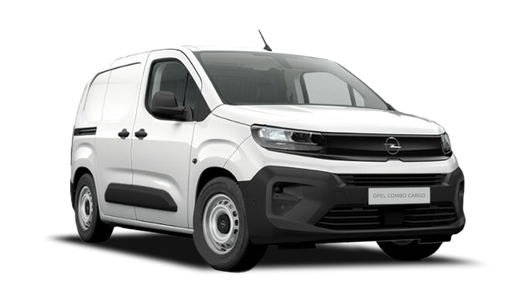
Vauxhall Combo Cargo Cargo Van, starting at 22400 £

The Vauxhall Combo Cargo Cargo Van impresses with 136 HP 354 km and an attractive starting price of 22400 £ . Here are all the details at a glance.

from about £22,400
default

Vauxhall Combo Cargo

  • Engine Type : Diesel, Petrol, Electric
  • Transmission : Manuel, Automatic
  • Drive Type : Front-Wheel Drive
  • Power HP : 102 - 136 HP
  • Consumption L/100km : 5.2 - 6.3 L
  • Consumption kWh/100km : 17.40 kWh
  • Electric Range : 354 km

Design & Presence

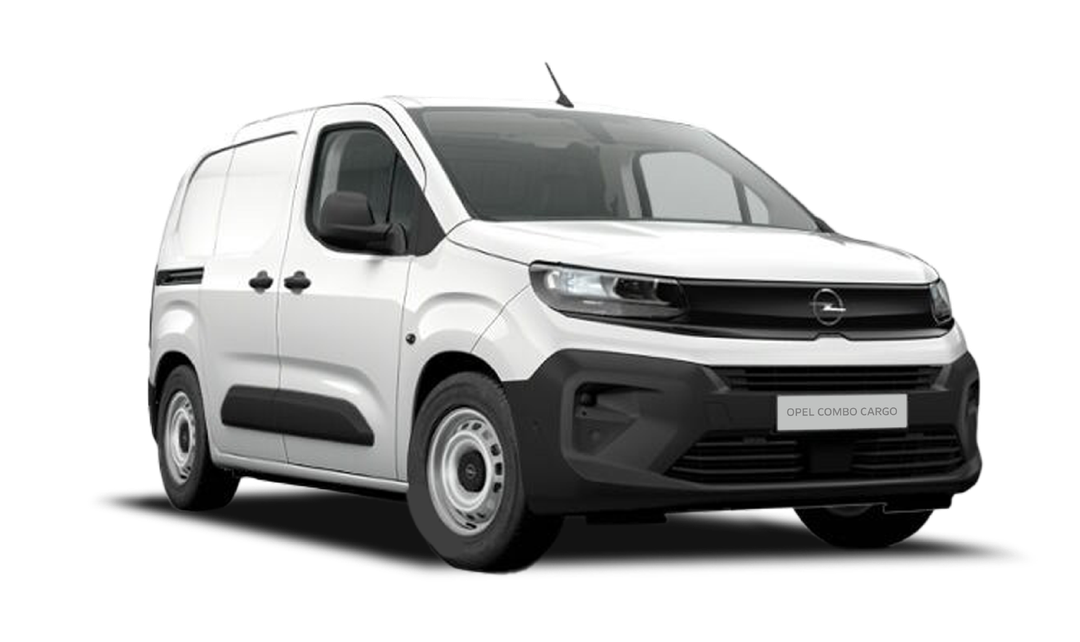
Opel Combo Cargo presents a practical, work-ready look: a compact front end, upright cargo box and clean shoulder lines that hide genuine utility. Its proportions favour function over flair, so fleets can mix short and long bodies without clashing visually. Opel offers the Combo Cargo in a broad range of petrol, diesel and electric flavours — including heavy-duty and crew-cab options and a 136 hp electric version with about 354 km WLTP range — giving buyers a model for many tasks. The overall effect is honest and businesslike, projecting capability without fuss.
Interior & Usability

The cabin is built for work with hard-wearing plastics, large storage slots and surfaces that take a bit of dirt without complaining. Controls are logically arranged and the infotainment touchscreen supports smartphone mirroring, while physical switches remain easy to use with gloves. Seat layouts vary from two-seat cargo vans to crew-cab versions that increase passenger capacity, changing the interior feel between solo work van and people-mover. Noise insulation is reasonable for the class, though diesels are noticeably louder at idle compared with the electric variant.

Space & Everyday Practicality

This is where the Combo Cargo proves its purpose: load volume stretches up to roughly 3,900 litres and useful payloads approach the 1,000 kg mark in heavy-duty trims, so tools, parts or small pallets are accommodated without drama. Choice of L1 and L2 bodies balances city manoeuvrability with cubic capacity, and low rear sills plus wide sliding doors make loading bulky items straightforward. Practical touches such as a flat load floor, integrated tie-down points and optional 180° rear doors underline the job-first design. In everyday terms that means fewer trips, easier loading on tight streets and compatibility with common racking systems.

Driving & Handling

The Combo Cargo behaves like a compact van should: predictable, composed and geared to carrying loads rather than sporty cornering. Powertrains range from small diesels and a 1.2 turbo petrol up to a 136 hp electric motor, with torque figures that help when merging or starting on hills with a load. A representative 0–100 km/h time around 11.2 seconds illustrates usable in-town acceleration rather than outright speed, while top speeds on quicker variants sit in the upper 160–180 km/h area for highway work. Steering is light at low speeds for tight manoeuvres and settles acceptably on the motorway, with suspension tuned to prioritise load comfort over agility.

Efficiency/Consumption & Range

Fuel use depends on the drivetrain: small diesels can return roughly 5.2–5.4 L/100 km while the 1.2 petrol is nearer 6.3 L/100 km in mixed driving, keeping long-distance fuel costs modest. The electric Combo lists energy consumption around 17.4 kWh/100 km and a WLTP range of about 354 km, which suits urban rounds and many delivery duties without daily recharging for typical use. Real-world figures vary with payload, speed and driving style, so expect higher consumption under heavy loads or sustained motorway speeds. For fleets, diesel provides refuelling flexibility while the electric model cuts running costs and noise in restricted urban zones.

Assistance & Infotainment

Driver aids include contemporary essentials such as autonomous emergency braking, lane-keeping assistance and optional adaptive cruise control to reduce fatigue on long shifts. The infotainment system is practical rather than flashy, offering touchscreen operation, physical climate controls and smartphone mirroring for live navigation via apps. Useful kit like rear cameras, parking sensors and configurable driver displays make manoeuvring in tight loading bays easier and safer. The overall tech package focuses on utility and reliability rather than headline-grabbing features.

Who is it for?

The Combo Cargo is aimed squarely at tradespeople, small fleets and delivery operators who value capacity, durability and low running costs over decorative extras. Diesel-heavy variants suit operators doing long distances and heavy work, petrol versions work well for lighter urban duties, and the electric Combo is an attractive option for noise- and emissions-sensitive city routes with predictable daily mileage. In short, it is a pragmatic, no-nonsense tool for buyers who need straightforward space and sensible running costs rather than sporty driving dynamics or luxury appointments.

Costs and Consumption

Price
22400 - 34700 £
Consumption L/100km
5.2 - 6.3 L
Consumption kWh/100km
17.40 kWh
Electric Range
354 km
Battery Capacity
-
co2
0 - 143 g/km
Fuel tank capacity
53 - 61 L

Dimensions and Body

Body Type
Cargo Van
Seats
2 - 6
Doors
4 - 5
Curb weight
1329 - 1813 kg
Trunk capacity
-
Length
4401 - 4751 mm
Width
1848 mm
Height
1820 - 1825 mm
Max trunk capacity
3300 - 3900 L
Payload
611 - 991 kg

Engine and Performance

Engine Type
Diesel, Petrol, Electric
Transmission
Manuel, Automatic
Transmission Detail
Manual Gearbox, Automatic Gearbox, Reduction Gearbox
Drive Type
Front-Wheel Drive
Power HP
102 - 136 HP
Acceleration 0-100km/h
11.20 s
Max Speed
135 - 183 km/h
Torque
205 - 300 Nm
Number of Cylinders
3 - 4
Power kW
75 - 100 kW
Engine capacity
1199 - 1499 cm3

General

Model Year
2024
CO2 Efficiency Class
E, A
Brand
Vauxhall
What drivetrain options does the Vauxhall Combo Cargo have?

The Vauxhall Combo Cargo is offered with Front-Wheel Drive.

The prices shown are estimates based on German list prices, adjusted for local VAT. Local registration taxes (e.g. NoVA, BPM or CO2 malus) are not included. This information is not legally binding.