Porsche Taycan Coupe, starting at 87900 £

The Porsche Taycan Coupe impresses with 1034 HP 680 km and an attractive starting price of 87900 £ . Here are all the details at a glance.

from about £87,900
Taycan

Porsche Taycan

  • Engine Type : Electric
  • Transmission : Automatic
  • Drive Type : Rear-Wheel Drive, All-Wheel Drive
  • Power HP : 408 - 1034 HP
  • Consumption kWh/100km : 16.7 - 20.7 kWh
  • Electric Range : 552 - 680 km

Design & Presence

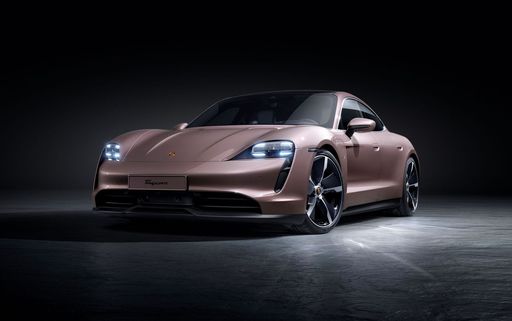
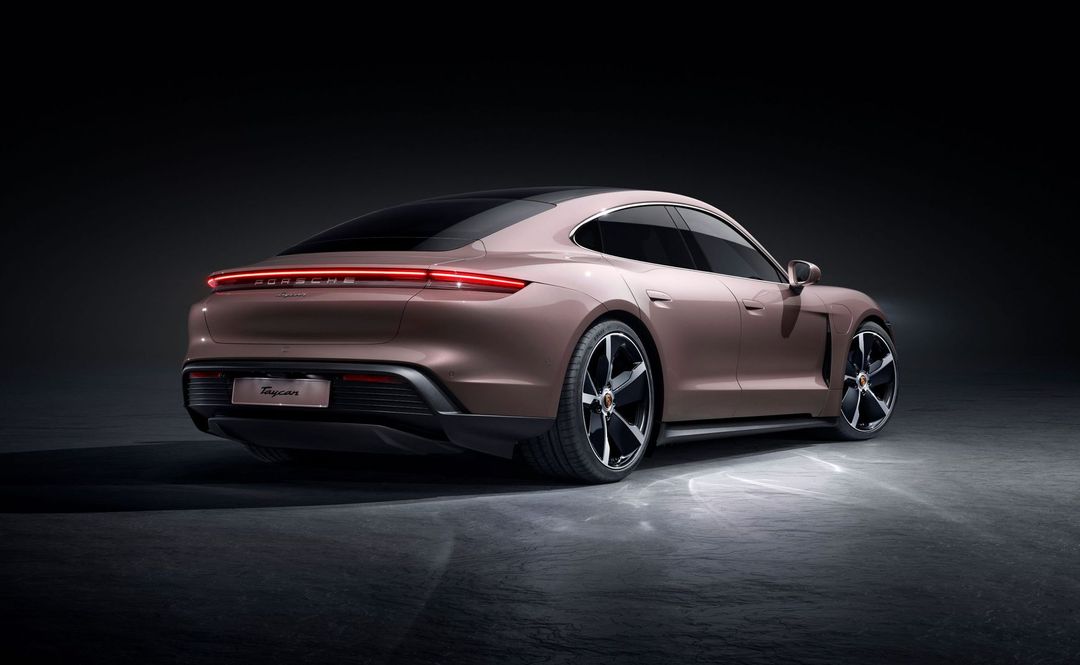
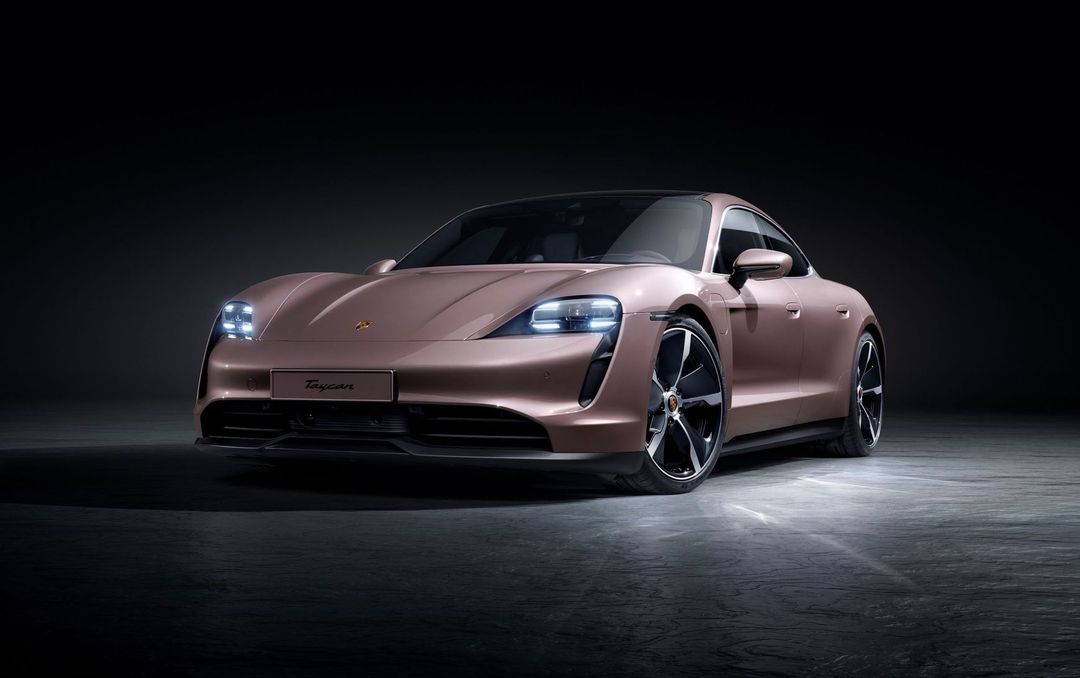
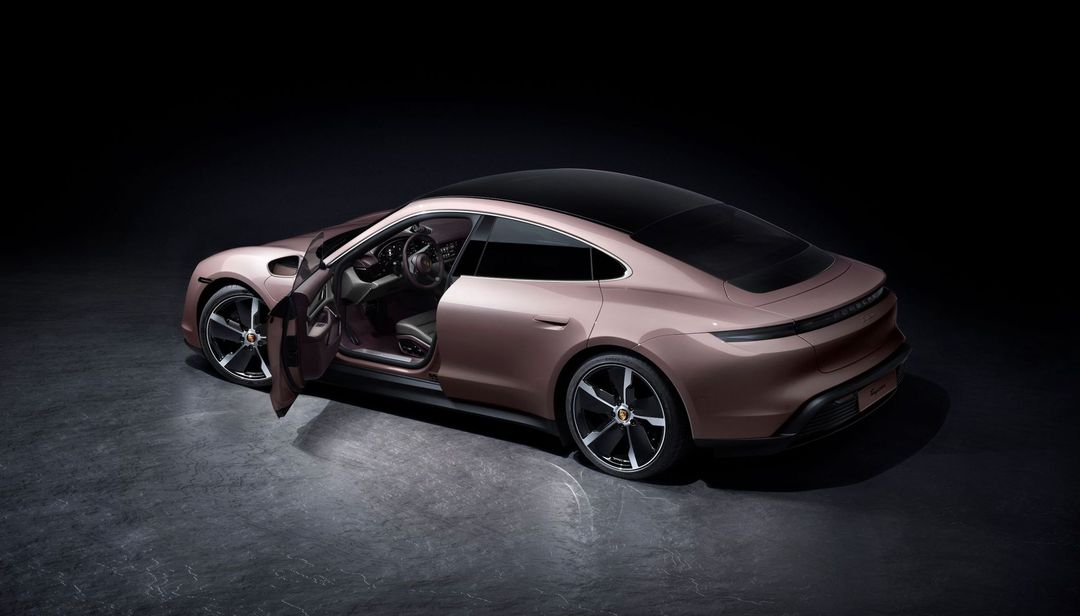
The Taycan still reads as a Porsche at a glance, with a low, wide stance, sloping coupe roofline and taut surfaces that hide sophisticated aerodynamics. Measuring just under 5.0 metres in most configurations (around 4,962–4,963 mm), it looks compact from the wheel and aggressive rolling down the road. The silhouette is more GT than conventional saloon, so it turns heads without shouting, and options like larger wheels and carbon trim sharpen that image further. Despite its electric underpinnings the Taycan avoids the slab-sided look of some EVs, which helps it wear both city streets and fast road scenery with authority.
Interior & Usability

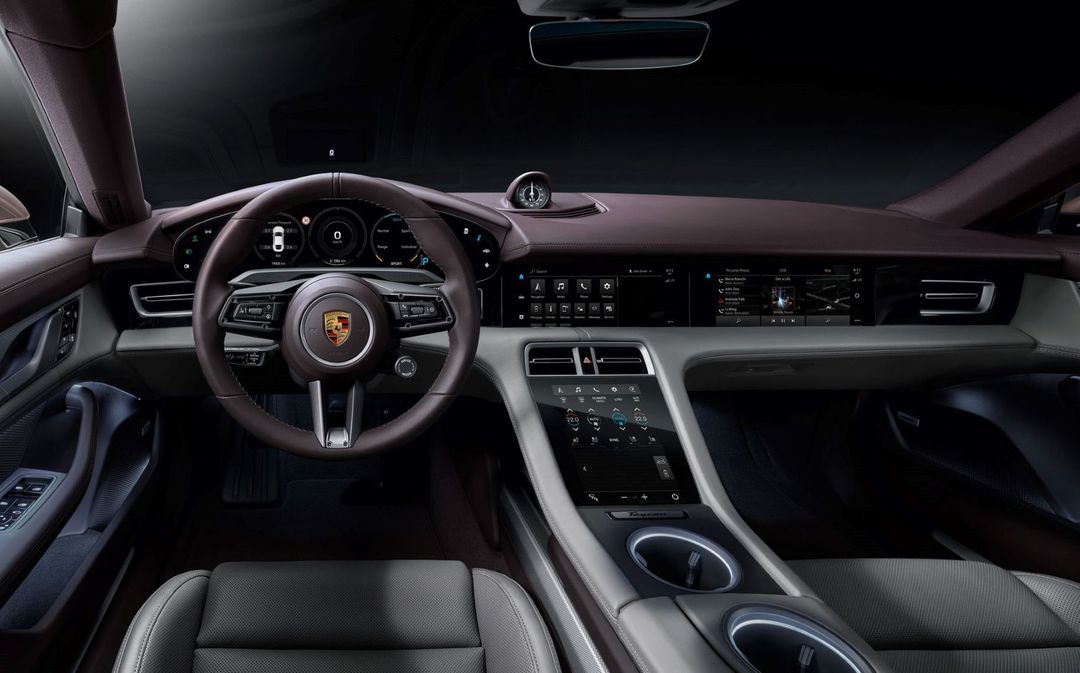
Cabin materials and build quality sit at the top of the class, with leather, Alcantara and precise switchgear combining with minimalist Porsche styling. The driver-focused layout features a curved digital instrument cluster and a central touchscreen that keeps most controls within easy reach, while optional trim packs raise the luxury feel. Small details — like roomy front seats, intuitive stalks, and solid tactile buttons for climate and drive modes — make daily use less tech-fuss and more Porsche straightforward.

Space & Everyday Practicality

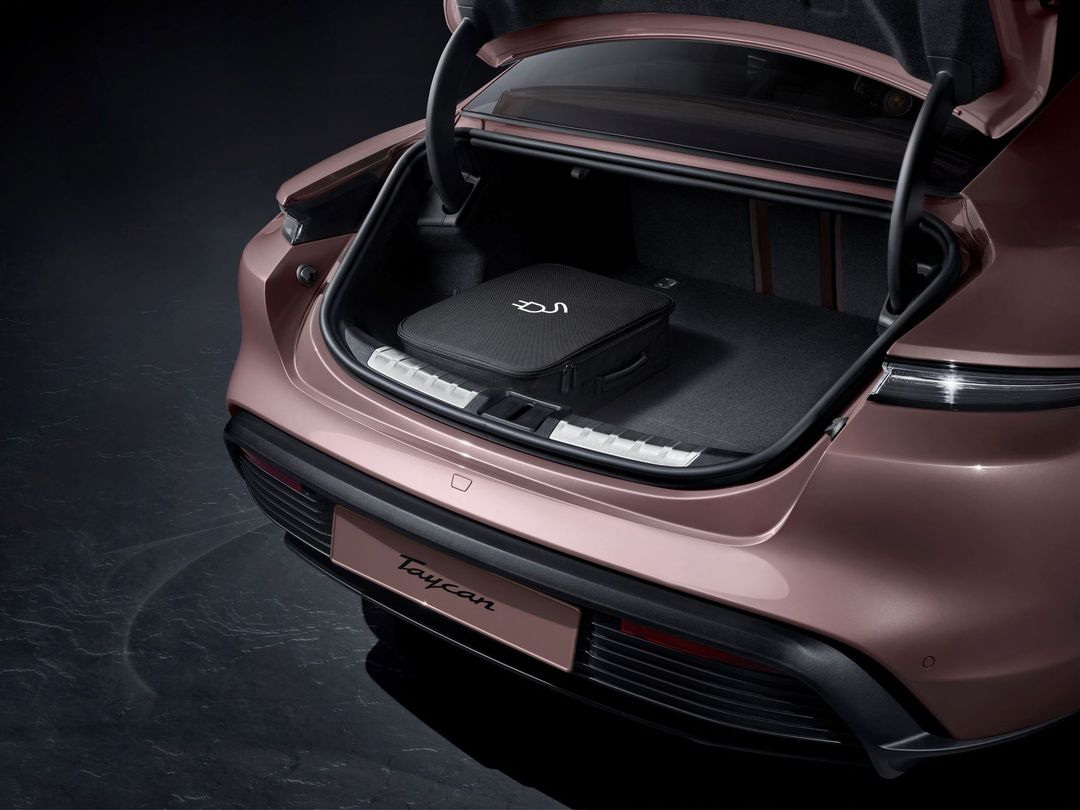
Practicality is a trade-off: the Taycan is a four-seater with relatively generous front room but tighter rear accommodation, so adults fit best on shorter trips. Boot capacity varies by model and spec, roughly between 326 and 407 litres with additional small front storage, which is enough for weekend bags but not for bulky family cargo. At around 2,165–2,370 kg curb weight the car is heavy, which affects how much luggage can realistically be carried without impacting handling or range. Daily usability is strong for couples or small families who value driving dynamics over maximum interior volume.

Driving & Handling

On the road the Taycan delivers the signature Porsche balance: crisp steering, excellent body control and immediate electric torque that makes traffic and country roads feel lively. Power outputs span from around 408 hp at the entry-level to well over 1,000 hp in extreme Turbo GT guises, with 0–100 km/h times from roughly 4.8 to 2.2 seconds depending on the version. Rear- and all-wheel-drive layouts are available, and the low-mounted battery gives a planted feel despite the car’s substantial mass, while adaptive suspension options tune comfort for long-distance cruising. The Taycan remains more sports car than family cruiser in intent: it rewards precise inputs but will expose poor road surfaces more readily than soft-riding EV crossovers.

Efficiency/Consumption & Range

Battery capacity is available around 82.3 or 97 kWh and official WLTP ranges stretch into the mid-600s kilometres on the most efficient setups, though exact figures depend heavily on battery and wheel choices. Typical consumption on everyday mixed use sits around 16.7–20.7 kWh/100 km, which in practical terms means city commuting can be very efficient while sustained motorway driving will push range down markedly. Expect real-world range to vary: calm suburban driving can approach advertised numbers, but regular fast-road use will commonly reduce range to 60–80% of the WLTP claim. Rapid charging capability shortens downtime compared with older EVs, making longer trips feasible, but charging stops remain part of journey planning unlike a petrol Porsche.

Assistance & Infotainment

Infotainment is modern and sharp, with crisp displays, good navigation and smartphone integration that keeps routes and media in hand, although some advanced menus can feel cluttered. Driver aids such as adaptive cruise, traffic assist and sophisticated parking systems are available and work well for relaxed motorway miles, while the Taycan’s stability and brake systems underpin confident high-speed driving. As usual with premium German cars, many systems are optional and some useful features sit behind extra-cost packages, so specification choices matter for the final experience.

Who is it for?

The Taycan suits buyers who want a true sports-car driving experience with electric propulsion — people who prioritise handling, performance and build quality over maximum interior space or bargain running costs. Porsche offers a broad range of trims and battery options to tailor the balance between range, comfort and outright pace, so buyers can pick a focussed RWD tourer or a full-on performance weapon without changing the basic recipe. Budget-minded EV shoppers and large families will find compromises in price, rear-seat space and luggage capacity, but anyone wanting a driver-centred luxury EV will find the Taycan hard to beat in its class.

Costs and Consumption

Price
87900 - 206700 £
Consumption L/100km
-
Consumption kWh/100km
16.7 - 20.7 kWh
Electric Range
552 - 680 km
Battery Capacity
82.3 - 97 kWh
co2
0 g/km
Fuel tank capacity
-

Dimensions and Body

Body Type
Coupe
Seats
4
Doors
4
Curb weight
2165 - 2370 kg
Trunk capacity
326 - 407 L
Length
4962 - 4968 mm
Width
1966 - 1998 mm
Height
1378 - 1381 mm
Max trunk capacity
-
Payload
175 - 635 kg

Engine and Performance

Engine Type
Electric
Transmission
Automatic
Transmission Detail
Reduction Gearbox
Drive Type
Rear-Wheel Drive, All-Wheel Drive
Power HP
408 - 1034 HP
Acceleration 0-100km/h
2.2 - 4.8 s
Max Speed
230 - 305 km/h
Torque
410 - 1340 Nm
Number of Cylinders
-
Power kW
300 - 760 kW
Engine capacity
-

General

Model Year
2024 - 2025
CO2 Efficiency Class
A
Brand
Porsche
Is the Porsche Taycan offered with different drivetrains?

Available configurations include Rear-Wheel Drive or All-Wheel Drive.

The prices shown are estimates based on German list prices, adjusted for local VAT. Local registration taxes (e.g. NoVA, BPM or CO2 malus) are not included. This information is not legally binding.