DS Automobiles N°7 SUV, starting at 40,900 £

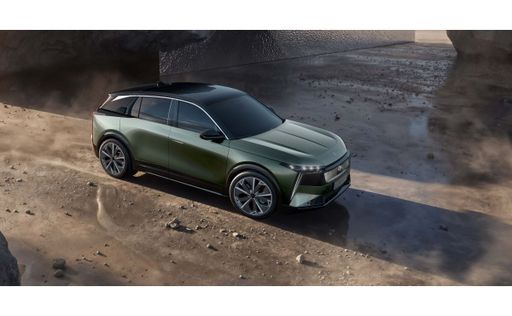
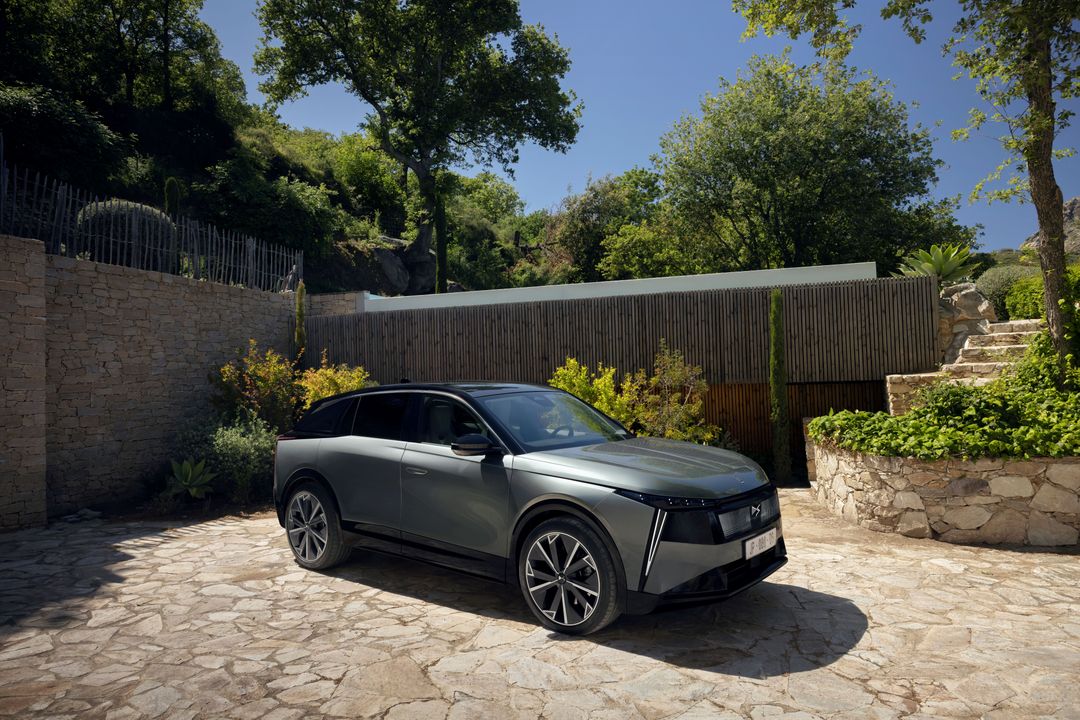
Known commonly as the DS 7, this DS Automobiles model is a chic French compact SUV with bold, sculpted styling and a quietly luxurious cabin. It delivers a refined, comfortable ride and a premium feel through high-quality materials and thoughtful technology, appealing to buyers who want something distinctive from mainstream rivals.

Reviews & community

All real reviews and experiences about the DS Automobiles N°7 in one place.

To community

Technical data, trims & prices

All technical data, dimensions and equipment details of this model at a glance.

To technical data

Alternative car models

Discover similar models and possible alternatives to this vehicle.

To alternatives

from £40,900
N°7

DS Automobiles N°7

  • Engine Type Petrol MHEV, Electric
  • Transmission Automatic
  • Drive Type Front-Wheel Drive, All-Wheel Drive
  • Power HP 145 - 375 HP
  • Consumption L/100km 5.2 - 5.3 L/100km
  • Consumption kWh/100km 16.1 - 17 kWh/100km
  • Electric Range 539 - 734 km

Savoir‑faire on Stilts

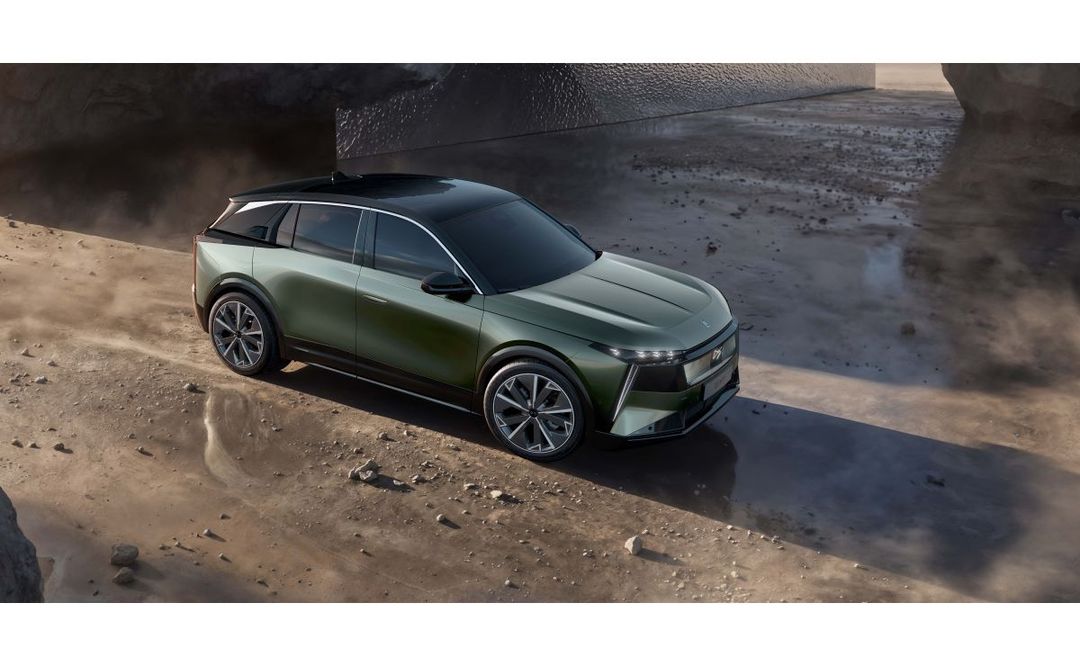
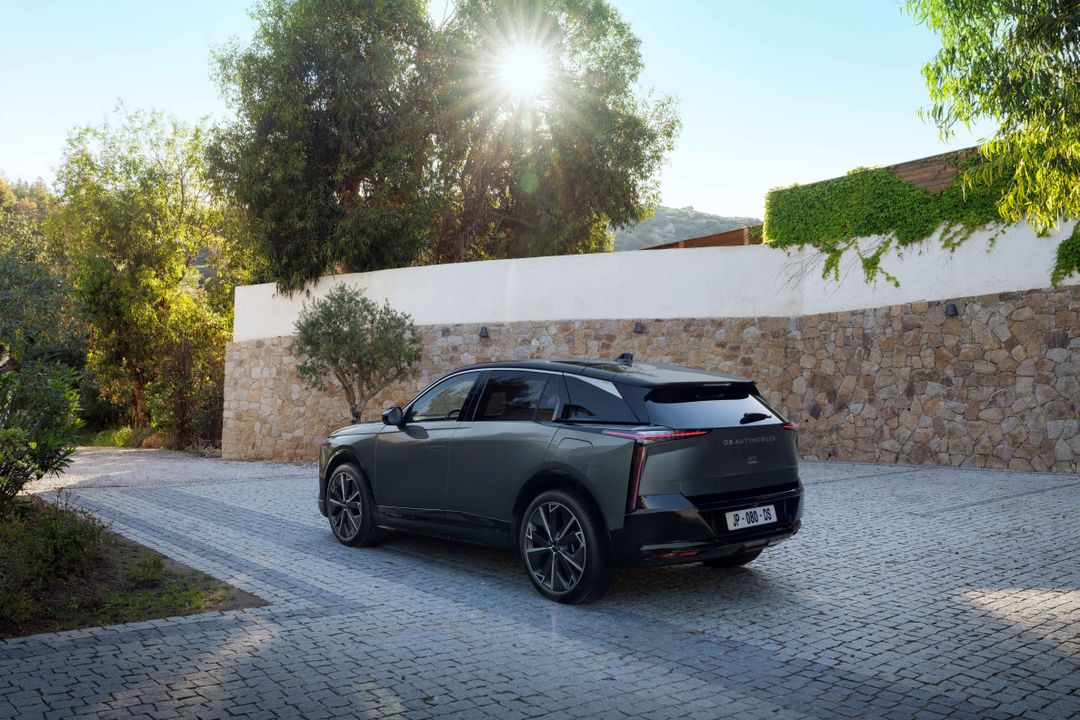
The DS Automobiles N°7 arrives as a style‑driven SUV that trades shouty aggression for sculpted calm and refined details. Sharp light signatures, crisp surfacing, and a wide 1,900 mm stance give it presence without bluster. Its brief is comfort first: acoustic glazing and an “Active‑Scan” suspension concept target a hushed, supple ride over the everyday patchwork of roads. The brand also leans into a largely European story of production and component sourcing, which suits its crafted, boutique positioning. It feels more like a rolling lounge than a rolling billboard, and that’s the point.
Lounge First, Buttons Second

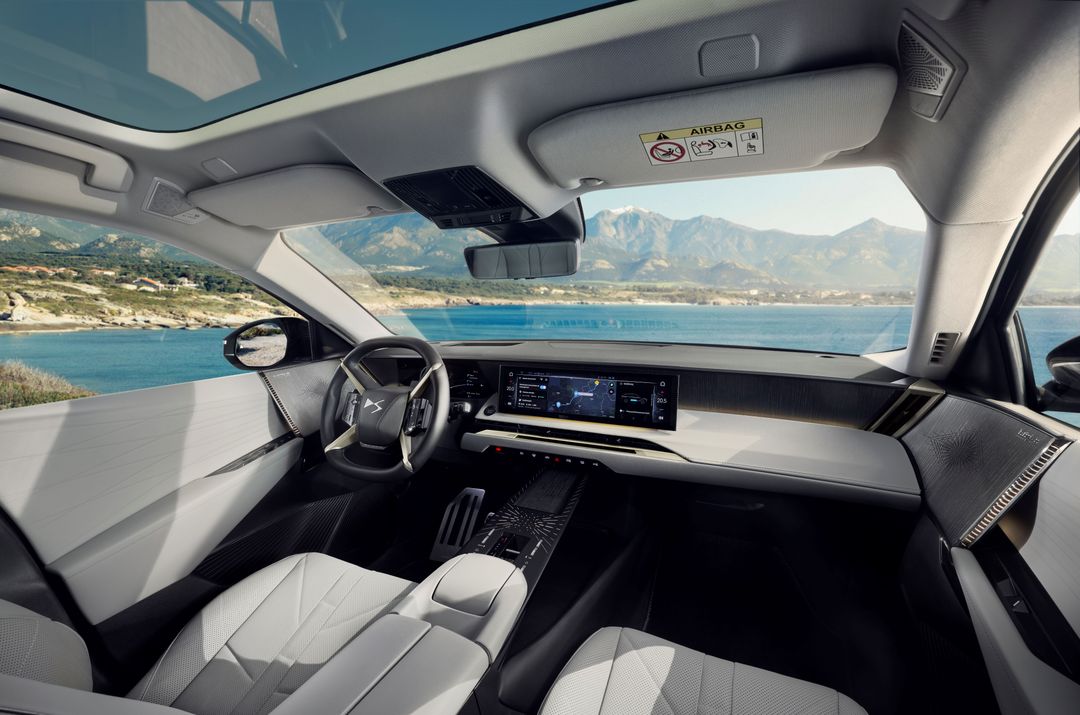
Inside, the N°7 majors on materials and finish, with Nappa leather, Alcantara, and fine guilloché‑style or laser‑etched trim that play to a handcrafted theme. A 16‑inch central display is quick to respond, the digital cluster is crisp, and an optional head‑up display ties it together, but many everyday functions live deep in touch menus. Front seats can be specified with massage and even neck warmers, turning long commutes into quiet time. Larger glass areas bring in light and improve outward view, enhancing the relaxed vibe. It’s a cabin that soothes the senses, even if it sometimes asks for extra taps.

Space to Unwind

The N°7 seats five and feels airy, with more legroom and generous glazing helping the rear stay bright on long trips. Practicality is strong at the back: up to 560 liters of cargo in Hybrid and E‑FWD versions, a useful 40/20/40 split, and a double floor make bulky strollers or skis straightforward. E‑AWD variants drop to around 500 liters due to the rear motor and audio hardware, and there’s no front trunk, so small‑item storage falls mostly to the cabin. The rear bench doesn’t slide or recline and the cushion is on the flatter side, so taller passengers may sit with knees a touch higher on long legs. The load bay shape is square, though the floor isn’t perfectly flat when folded, a minor trade for the useful center pass‑through.

Calm Roads, Quick Exits

This SUV is tuned for composure over corner‑carving, with light steering and a plush gait that take the edge off broken surfaces. Performance spans from easygoing to brisk: 0–100 km/h ranges from 10.4 seconds in the mild‑hybrid to 5.4 seconds in the electric AWD, backed by 230–509 Nm of torque for confident merges. The all‑wheel‑drive electric model adds secure traction in poor weather without chasing a “sport” persona. Highway stability and noise suppression are clear strengths, encouraging relaxed miles rather than late‑brake heroics. Drivers who prize serenity over sharpness will feel most at home here.

The Power Menu

Choice is broad without being confusing: there’s a 145 hp petrol mild‑hybrid with an eDCT‑6, a 258 hp E-Tense electric rated at 539 km WLTP, a 281 hp E‑Tense Long Range claiming up to 734 km WLTP, and a 375 hp Long Range AWD quoting 675 km WLTP. The hybrid’s 5.2–5.3 L/100 km and about 120 g/km CO₂ make sense for mixed driving and fleet use, slipping into electric running frequently around town. Electric versions are rated at 16.1–17 kWh/100 km, figures that translate to rare charging stops for commuters and easy two‑to‑three‑stop continent hops in the Long Range. In day‑to‑day terms, that means weekly top‑ups for typical suburban use and predictable legs on holiday trips. The spread of outputs lets buyers choose calm efficiency or quietly strong shove without changing the car’s core character.

Numbers That Matter on the Map

DC fast charging peaks at 160 kW on a 400‑V system, a solid but not class‑leading figure that’s offset by consistent curves and battery preconditioning. Real‑world motorway range for the Long Range versions is expected to land around the mid‑400s of kilometers at a steady 120 km/h, reducing time spent planning or stretching stops. Optional 22 kW AC makes home or workplace top‑ups notably quicker where three‑phase is available, and vehicle‑to‑load can power tools or camping kit. The upshot: fewer long breaks, more predictable timing, even if 800‑V rivals can gulp electrons faster. For most owners, that predictability will matter more than headline peaks.

Screens, Sound and Soft Skills

The 16‑inch interface runs snappily, with native navigation that plans charging stops, battery preconditioning, and voice control now boosted by integrated generative AI. A high‑end Focal audio option and a crisp 360° camera system lift daily polish, while the usual assistant roster covers adaptive cruise, lane centering, and blind‑spot monitoring. Usability has a caveat: climate and drive modes sit under touch layers, and the map view doesn’t always exploit the full screen format. Still, the combination of speed, clear graphics, and smart routing reduces friction on long drives. It feels modern and capable, if sometimes a bit screen‑dependent.

For the Detail‑Oriented Traveler

The N°7 suits design‑ and comfort‑minded buyers who value a quiet cabin, lush materials, and long‑legged range over lap times. EV Long Range versions serve frequent motorway users with confidence‑building electric range, while the mild‑hybrid offers low running costs and smooth urban manners. Families will appreciate the big boot and 40/20/40 flexibility, though the non‑adjustable rear bench and flatter cushion limit ultimate versatility. Those chasing the sharpest handling or the very fastest DC charging will find sportier or 800‑V rivals a better fit. For everyone else, this is a calm, crafted take on the premium SUV brief that makes every journey feel unhurried.

Costs and Consumption

Price
40,900 - 67,200 £
Consumption L/100km
5.2 - 5.3 L/100km
Consumption kWh/100km
16.1 - 17 kWh/100km
Electric Range
539 - 734 km
Battery Capacity
-
co2
0 - 120 g/km
Fuel tank capacity
-

Dimensions and Body

Body Type
SUV
Seats
5
Doors
-
Curb weight
1,556 - 2,252 kg
Trunk capacity
500 - 560 L
Length
-
Width
1,900 mm
Height
-
Max trunk capacity
-
Payload
518 - 562 kg

Engine and Performance

Engine Type
Petrol MHEV, Electric
Transmission
Automatic
Transmission Detail
Dual-Clutch Automatic, Reduction Gearbox
Drive Type
Front-Wheel Drive, All-Wheel Drive
Power HP
145 - 375 HP
Acceleration 0-100km/h
5.4 - 10.4 s
Max Speed
-
Torque
230 - 509 Nm
Number of Cylinders
3
Power kW
107 - 276 kW
Engine capacity
1,199 cm3

General

Model Year
2026
CO2 Efficiency Class
D, A
Brand
DS Automobiles
Is the DS Automobiles N°7 offered with different drivetrains?

Available configurations include Front-Wheel Drive or All-Wheel Drive.

DriveDuel uses data analysis and artificial intelligence to evaluate vehicle data and create content. Content is regularly reviewed and improved. The displayed prices are estimates based on German list prices, adjusted to the respective country’s VAT. Country-specific registration taxes are not included. This information is not legally binding.