
 Deutschland
 France
 Nederland
 Great Britain
 Sverige
 Danmark
 Suomi
Suomi Italia
 Polska
 Česko
Česko España
VS
Audi A3 Sportback vs Mercedes AMG GT comparison
Compare performance (400 HP vs 816 HP), boot space and price (27,000 £ vs 102,500 £ ) at a glance. Find out which car is the better choice for you – Audi A3 Sportback or Mercedes AMG GT?
A3 Sportback
Costs and Efficiency:
Price and efficiency are often the first things buyers look at. Here it becomes clear which model has the long-term edge – whether at the pump, the plug, or in purchase price.
Audi A3 Sportback is clearly cheaper – starting at 27,000 £ , while the Mercedes AMG GT costs 102,500 £ . That’s a price difference of around 75,504 £.
Fuel consumption also shows a difference: the Audi A3 Sportback uses 1.1 L/100km and is clearly more efficient than the Mercedes AMG GT with 10.3 L/100km. The difference is about 9.2 L/100km.
As for electric range, the Audi A3 Sportback offers clearly more range – reaching up to 141 km, about 130 km more than the Mercedes AMG GT.
AMG GT
Engine and Performance:
Power, torque and acceleration are the classic benchmarks for car enthusiasts – and here, some clear differences start to show.
When it comes to engine power, the Mercedes AMG GT offers considerably more power – delivering 816 HP compared to 400 HP. That’s roughly 416 HP more horsepower.
When accelerating from 0 to 100 km/h, the Mercedes AMG GT is noticeably quicker – completing the sprint in 2.8 s, while the Audi A3 Sportback takes 3.8 s. That’s about 1 s quicker.
There’s also a difference in torque: the Mercedes AMG GT delivers significantly more torque with 1,420 Nm compared to 500 Nm. That’s about 920 Nm more.
A3 Sportback
Space and Everyday Use:
Beyond pure performance, interior space and usability matter most in daily life. This is where you see which car is more practical and versatile.
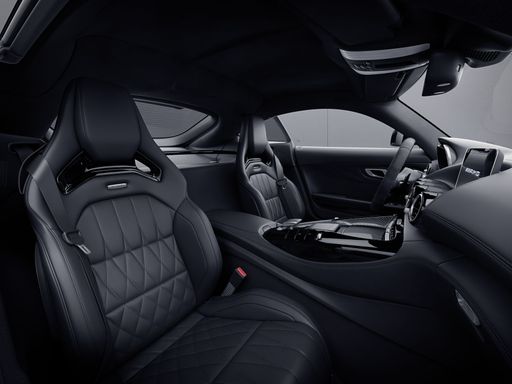
Seats: Audi A3 Sportback offers more seats – 5 vs 2.
In terms of curb weight, Audi A3 Sportback is markedly lighter – 1,345 kg compared to 1,790 kg. The difference is around 445 kg.
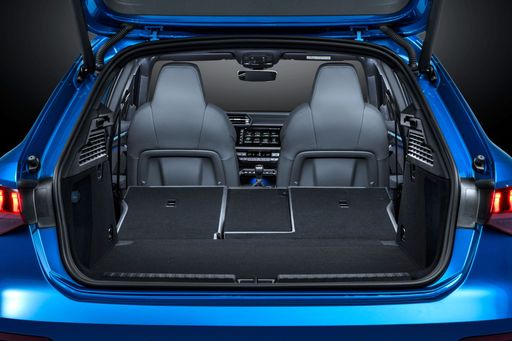
Looking at boot space, the Audi A3 Sportback offers a bit more boot space – 380 L compared to 321 L. That’s a difference of about 59 L.
When it comes to payload, the Audi A3 Sportback carries substantially more – 485 kg compared to 215 kg. That’s a difference of about 270 kg.
Who wins the race in the data check?
The Audi A3 Sportback is clearly superior overall in the objective data comparison.
This result only shows which model scores more points on paper – not which of the two cars feels right for you.
from £27,000
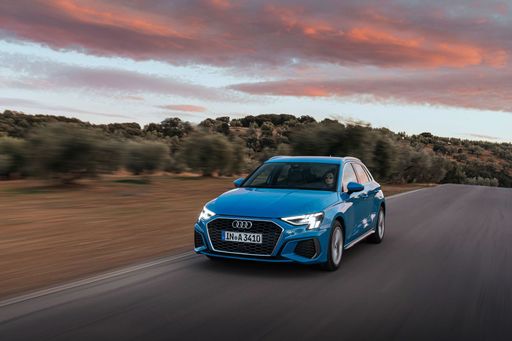
Audi A3 Sportback
Audi A3 Sportback
Mercedes AMG GT
Costs and Consumption
View detailed analysis
View detailed analysis
Engine and Performance
View detailed analysis
View detailed analysis
Dimensions and Body
View detailed analysis
View detailed analysis
Audi A3 Sportback
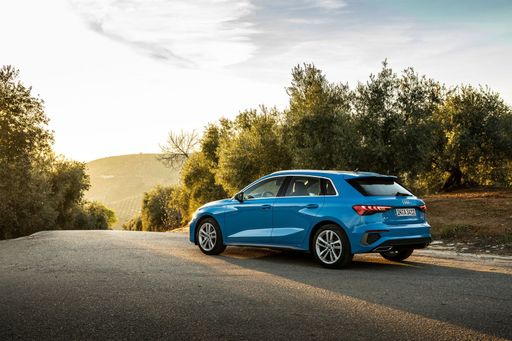
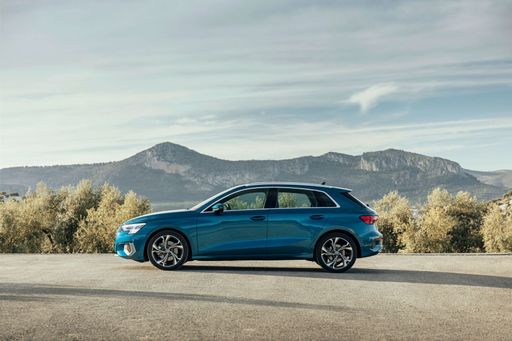
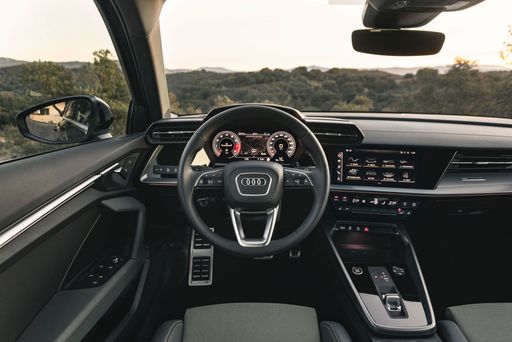
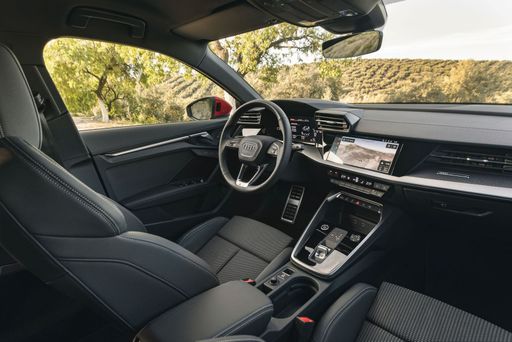
The Audi A3 Sportback wraps premium materials and crisp German design into a practical hatchback package that makes daily driving feel smart rather than showy. It’s nimble in the city, composed on longer trips, and carries just enough swagger to satisfy buyers who want quality without shouting about it.
details
Mercedes AMG GT
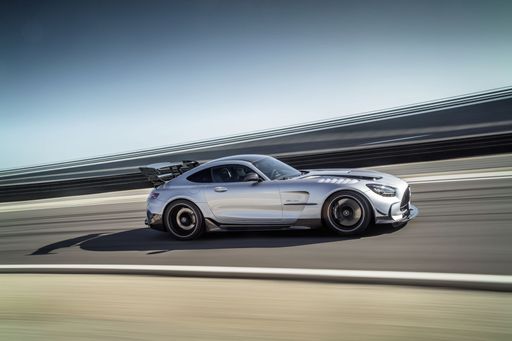
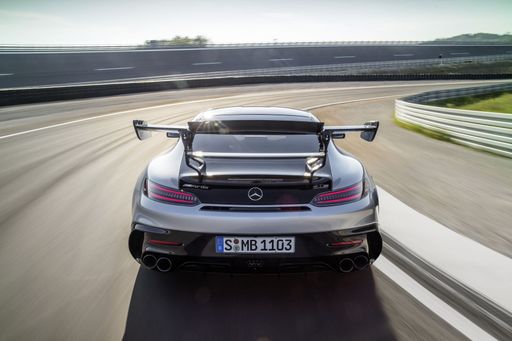
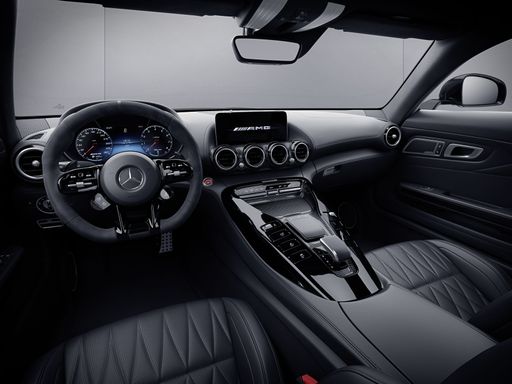
The Mercedes-AMG GT is a theatrical sports car with prowling looks and an aggressive exhaust note that announces its intentions the moment it fires up. It pairs ferocious performance with surprising everyday usability — a taut yet forgiving chassis and a cockpit that feels special — making sensible buyers suddenly very good at justifying indulgence.
details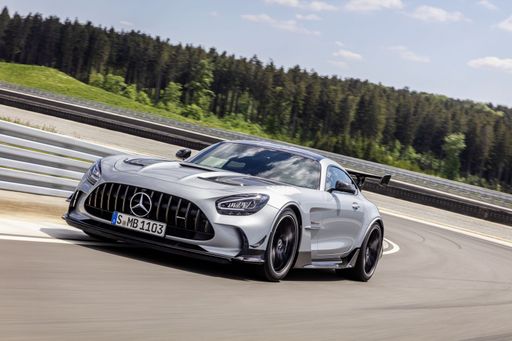
Audi A3 Sportback
Mercedes AMG GT
Costs and Consumption |
|
|---|---|
|
Price
27,000 - 92,900 £
|
Price
102,500 - 194,400 £
|
|
Consumption L/100km
1.1 - 9.3 L/100km
|
Consumption L/100km
10.3 - 14 L/100km
|
|
Consumption kWh/100km
-
|
Consumption kWh/100km
-
|
|
Electric Range
134 - 141 km
|
Electric Range
11 km
|
|
Battery Capacity
-
|
Battery Capacity
-
|
|
co2
25 - 211 g/km
|
co2
235 - 319 g/km
|
|
Fuel tank capacity
-
|
Fuel tank capacity
-
|
Dimensions and Body |
|
|---|---|
|
Body Type
Hatchback
|
Body Type
Coupe
|
|
Seats
5
|
Seats
2
|
|
Doors
-
|
Doors
-
|
|
Curb weight
1,345 - 1,685 kg
|
Curb weight
1,790 - 2,195 kg
|
|
Trunk capacity
280 - 380 L
|
Trunk capacity
182 - 321 L
|
|
Length
-
|
Length
-
|
|
Width
1,816 - 1,851 mm
|
Width
1,929 mm
|
|
Height
-
|
Height
-
|
|
Max trunk capacity
-
|
Max trunk capacity
-
|
|
Payload
410 - 485 kg
|
Payload
170 - 215 kg
|
Engine and Performance |
|
|---|---|
|
Engine Type
Petrol, Petrol MHEV, Diesel, Plug-in Hybrid
|
Engine Type
Petrol MHEV, Petrol, Plug-in Hybrid
|
|
Transmission
Manual, Automatic
|
Transmission
Automatic
|
|
Transmission Detail
Manual Gearbox, Dual-Clutch Automatic
|
Transmission Detail
Automatic Gearbox
|
|
Drive Type
Front-Wheel Drive, All-Wheel Drive
|
Drive Type
Rear-Wheel Drive, All-Wheel Drive
|
|
Power HP
116 - 400 HP
|
Power HP
435 - 816 HP
|
|
Acceleration 0-100km/h
3.8 - 10.1 s
|
Acceleration 0-100km/h
2.8 - 4.6 s
|
|
Max Speed
-
|
Max Speed
-
|
|
Torque
220 - 500 Nm
|
Torque
500 - 1,420 Nm
|
|
Number of Cylinders
4 - 5
|
Number of Cylinders
4 - 8
|
|
Power kW
85 - 294 kW
|
Power kW
320 - 600 kW
|
|
Engine capacity
1,498 - 2,480 cm3
|
Engine capacity
1,991 - 3,982 cm3
|
General |
|
|---|---|
|
Model Year
2,025 - 2,026
|
Model Year
2025
|
|
CO2 Efficiency Class
D, F, E, G, B
|
CO2 Efficiency Class
G
|
|
Brand
Audi
|
Brand
Mercedes-Benz
|
DriveDuel uses data analysis and artificial intelligence to evaluate vehicle data and create content. Content is regularly reviewed and improved.
The displayed prices are estimates based on German list prices, adjusted to the respective country’s VAT. Country-specific registration taxes are not included. This information is not legally binding.