
 Deutschland
 Schweiz (DE)
 France
 Nederland
 Great Britain
 Italia
 España
VS
BMW X2 VS BYD Han – Specs, Efficiency & Price Comparison
Which model is the better choice – the BMW X2 or the BYD Han? We compare performance (300 HP vs 517 HP), boot capacity (560 L vs 410 L), efficiency (4.50 L vs 18.50 kWh), and of course, the price (41200 £ vs 59200 £).
Find out now which car fits your needs better!
The BMW X2 (SUV) is powered by a Diesel MHEV, Petrol MHEV, Diesel or Petrol engine and comes with a Automatic transmission. In comparison, the BYD Han (Sedan) features a Electric engine and a Automatic gearbox.
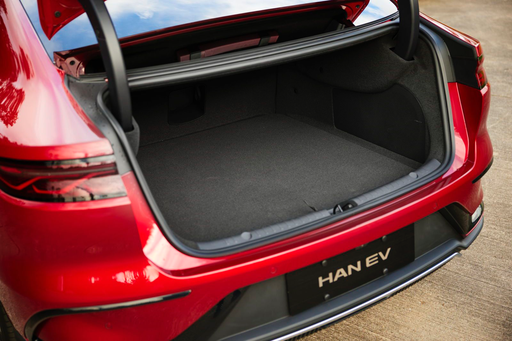
When it comes to boot capacity, the BMW X2 offers 560 L, while the BYD Han provides 410 L – depending on what matters most to you. If you’re looking for more power, you’ll need to decide whether the 300 HP of the BMW X2 or the 517 HP of the BYD Han suits your needs better.
There are also differences in efficiency: 4.50 L vs 18.50 kWh. In terms of price, the BMW X2 starts at 41200 £, while the BYD Han is available from 59200 £.
Compare all the key specs now and find out which model fits your lifestyle best!
BMW X2
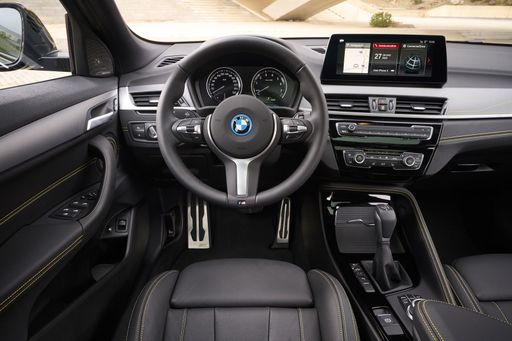
The BMW X2 is a striking blend of sporty design and urban versatility, appealing to those who seek both style and performance. Its dynamic driving experience is complemented by a high-quality interior, offering a plush and comfortable ride for both driver and passengers. The vehicle stands out in its segment with its bold aesthetics and innovative features, ensuring it captures attention on any city street.
details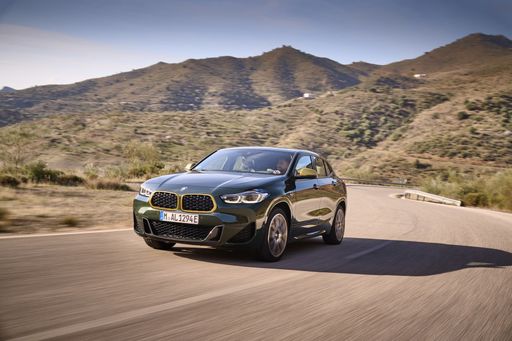 @ press.bmwgroup.com
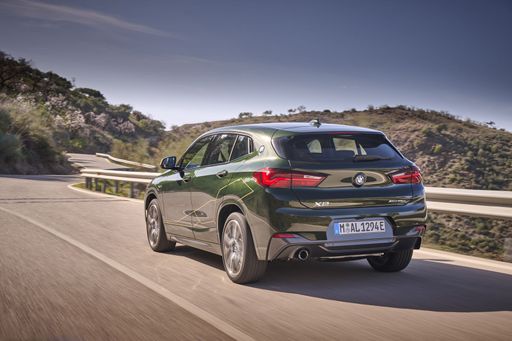 @ press.bmwgroup.com
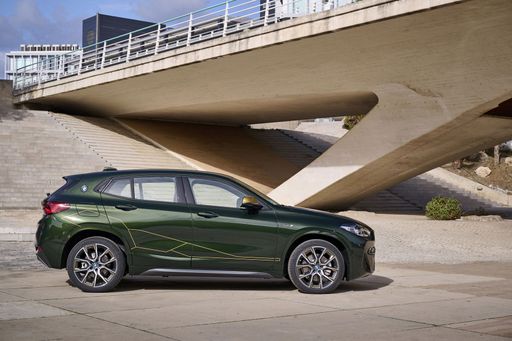 @ press.bmwgroup.com
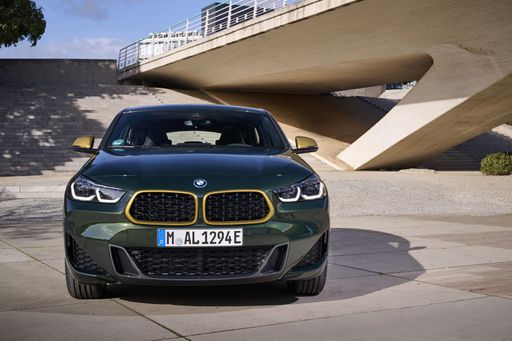 @ press.bmwgroup.com
 @ press.bmwgroup.com
BYD Han
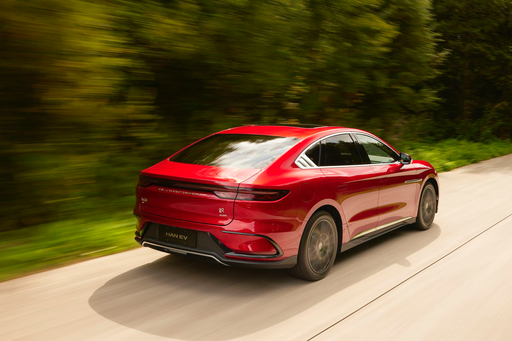
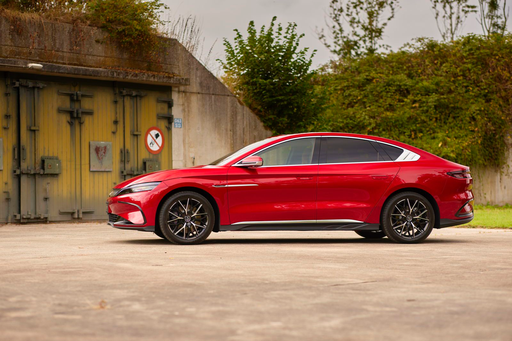
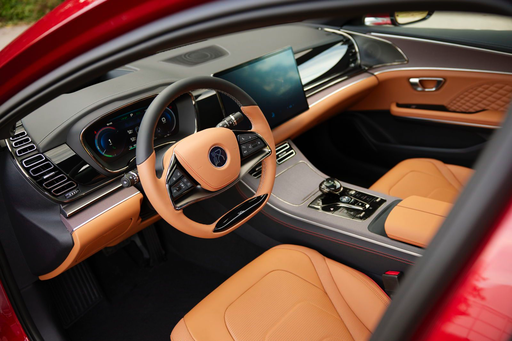
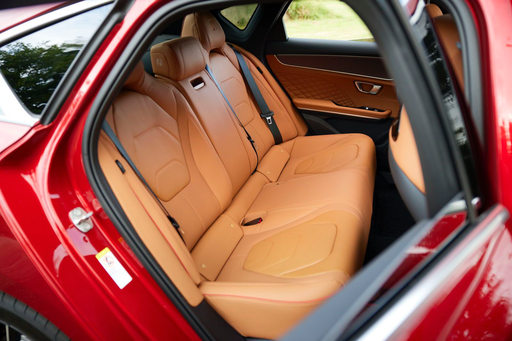
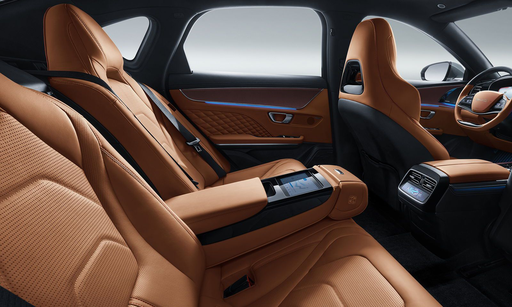
The BYD Han is a sleek electric vehicle that elegantly combines innovation and style. Its design features smooth lines and a sophisticated interior that highlight modern luxury. With advanced technology and impressive performance, it represents a significant step forward in the world of electric cars.
details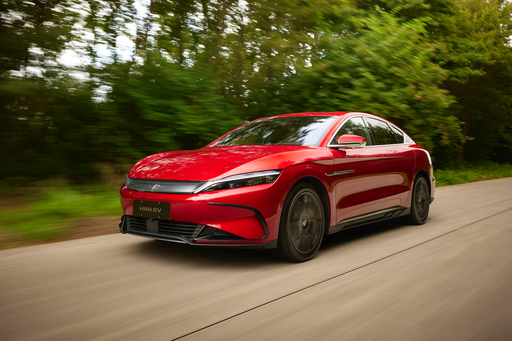 @ press.bydauto.be
 @ press.bydauto.be
 @ press.bydauto.be
 @ press.bydauto.be
 @ press.bydauto.be
 @ press.bydauto.be
 @ press.bydauto.be
BMW X2
BYD Han
|
|
|
|
|
|
Costs and Consumption |
|
|---|---|
|
Price
41200 - 58900 £
|
Price
59200 - 62200 £
|
|
Consumption L/100km
4.5 - 7.7 L
|
Consumption L/100km
-
|
|
Consumption kWh/100km
-
|
Consumption kWh/100km
18.50 kWh
|
|
Electric Range
-
|
Electric Range
521 km
|
|
Battery Capacity
-
|
Battery Capacity
-
|
|
co2
118 - 175 g/km
|
co2
0 g/km
|
|
Fuel tank capacity
45 - 54 L
|
Fuel tank capacity
-
|
Dimensions and Body |
|
|---|---|
|
Body Type
SUV
|
Body Type
Sedan
|
|
Seats
5
|
Seats
5
|
|
Doors
5
|
Doors
4
|
|
Curb weight
1645 - 1780 kg
|
Curb weight
2325 kg
|
|
Trunk capacity
515 - 560 L
|
Trunk capacity
410 L
|
|
Length
4554 - 4567 mm
|
Length
4995 mm
|
|
Width
1845 mm
|
Width
1910 mm
|
|
Height
1575 - 1590 mm
|
Height
1495 mm
|
|
Payload
495 - 510 kg
|
Payload
335 kg
|
Engine and Performance |
|
|---|---|
|
Engine Type
Diesel MHEV, Petrol MHEV, Diesel, Petrol
|
Engine Type
Electric
|
|
Transmission
Automatic
|
Transmission
Automatic
|
|
Transmission Detail
Automat. Schaltgetriebe (Doppelkupplung)
|
Transmission Detail
-
|
|
Drive Type
Front-Wheel Drive, All-Wheel Drive
|
Drive Type
All-Wheel Drive
|
|
Power HP
150 - 300 HP
|
Power HP
517 HP
|
|
Acceleration 0-100km/h
5.4 - 8.9 s
|
Acceleration 0-100km/h
3.90 s
|
|
Max Speed
207 - 250 km/h
|
Max Speed
180 km/h
|
|
Torque
280 - 400 Nm
|
Torque
700 Nm
|
|
Number of Cylinders
3 - 4
|
Number of Cylinders
-
|
|
Power kW
110 - 221 kW
|
Power kW
380 kW
|
|
Engine capacity
1499 - 1998 cm3
|
Engine capacity
-
|
General |
|
|---|---|
|
Model Year
2024
|
Model Year
2023
|
|
CO2 Efficiency Class
D, F
|
CO2 Efficiency Class
A
|
|
Brand
BMW
|
Brand
BYD
|
BMW X2
The BMW X2: Where Innovation Meets Performance
The BMW X2 stands out in the automotive world as an embodiment of both dynamism and style. This compact SUV offers not just the aesthetic appeal but also an impressive array of technical prowess and advanced innovations. As we delve into the details of the X2, a glimpse at its features reveals a perfect blend of BMW's celebrated engineering and cutting-edge technology.
Engine and Performance
Under the hood, the BMW X2 showcases a range of powertrains from Diesel and Diesel Mild-Hybrid to Petrol Mild-Hybrid options. The power output ranges from 150 to 300 PS, ensuring that there is a variant to suit both urban driving and those with a penchant for speed. Notably, the M35i Petrol Automatic variant with all-wheel drive reaches a formidable 300 PS. These engines deliver not only power but also remarkable efficiency, boasting fuel consumption figures between 4.6 and 7.9 L/100km.
Innovative Transmission
The X2 employs a sophisticated automatic transmission system, specifically the double-clutch transmission, known for its smooth and efficient gear shifting. This technology not only enhances performance but also contributes to a more enjoyable driving experience by ensuring that power is always delivered seamlessly.
Modern Drivetrain Architecture
Front-wheel and all-wheel-drive options are available in the X2 lineup. The xDrive technology on certain models provides an intelligent all-wheel-drive system that adapts to various driving conditions, offering superior traction and stability. This makes it an ideal choice for drivers seeking both everyday usability and adventurous off-road capability.
Design and Dimensions
At first glance, the BMW X2 boasts a distinct sporty silhouette. Its dimensions, with a length ranging from 4554 to 4567 mm, and a consistent width of 1845 mm, create a bold and commanding presence on the road. The height, between 1575 and 1590 mm, ensures a comfortable cabin space, whilst the five-door configuration allows for practical accessibility.
Interior and Comfort
Inside, the X2 offers a luxurious yet functional interior. With seating for five, the cabin is designed for comfort and ergonomics, promising a pleasurable driving experience. The boot capacity ranges from 515 to 560 litres, providing ample space for luggage and daily necessities. With various trim levels, including the M Sport package, drivers can opt for features that enhance both aesthetics and driving dynamics.
Sustainability and Efficiency
In an era where environmental consciousness is paramount, the X2 impresses with its CO2 efficiency, classified between D and G. This SUV not only meets performance expectations but also aligns with modern sustainability standards, boasting CO2 emissions ranging from 120 to 179 g/km.
Conclusion: Innovation in a Compact SUV
The BMW X2 remains a testament to BMW's commitment to innovation and excellence. By blending a sleek design with high-performance features and advanced technology, the X2 provides an engaging and efficient driving experience. Whether navigating city streets or embarking on open-road adventures, the X2 proves to be a versatile and attractive choice for discerning drivers.
BYD Han
An Introduction to the BYD Han: A New Era in Electric Mobility
The BYD Han, a flagship model from the Chinese automotive giant BYD, is making waves in the electric vehicle market with its state-of-the-art technology and impressive performance. Known for its elegant design and cutting-edge features, the BYD Han offers an exciting look at the future of electric transportation.
Power and Performance: Unleashing 517 PS of Electric Might
At the heart of the BYD Han is a robust electric motor configuration that delivers a remarkable 517 PS, providing instantaneous torque and exhilarating acceleration. The vehicle can accelerate from 0 to 100 km/h in just 3.9 seconds, showcasing its potent performance capabilities.
Impressive Range and Efficiency
One of the standout features of the BYD Han is its remarkable range. With an impressive range of up to 521 km on a full charge and an energy consumption of 18.5 kWh/100 km, the Han combines efficiency with practicality. This makes it an ideal choice for both city commuting and longer road trips.
Stunning Design and Spacious Interiors
The external dimensions of the BYD Han - measuring 4,995 mm in length, 1,910 mm in width, and 1,495 mm in height - underscore its status as a luxury sedan. The vehicle offers a sleek Stufenheck design that marries sophistication with aerodynamics. Inside, drivers and passengers alike will appreciate the generous space, premium materials, and advanced infotainment systems.
Safety and Innovation at the Core
Safety is paramount in the BYD Han, which includes a suite of advanced safety features and driver assistance systems to ensure a secure journey. Additionally, the Han boasts an all-wheel-drive system, providing superior handling and stability across diverse driving conditions. Another innovative highlight is its CO2 efficiency rating of A, thanks to zero tailpipe emissions, enhancing its eco-friendly credentials.
Conclusion: A Pioneer in Electric Luxury
The BYD Han is not just another electric car; it's a statement of innovation, performance, and luxury. With a starting price range between €69,020 and €72,590, the Han represents a significant leap forward in electric vehicle technology, setting new standards for what drivers can expect from a luxury electric sedan. As the automotive world continues to evolve, the BYD Han is undoubtedly leading the charge towards a more sustainable and exciting motoring future.
The prices and data displayed are estimates based on German list prices and may vary by country. This information is not legally binding.