VS

BMW X5 vs Audi Q8 comparison

Compare performance (625 HP vs 640 HP), boot space and price (77,100 £ vs 77,300 £ ) at a glance. Find out which car is the better choice for you – BMW X5 or Audi Q8?

BMW X5 vs Audi Q8: Key differences

BMW X5

  • marginally cheaper
  • noticeably more efficient
  • clearly more electric range
  • barely more trunk space

Audi Q8

  • very slightly more power
  • marginally quicker 0–100 km/h
  • barely lighter
X5

The battle of the luxury SUVs heats up as we compare two heavyweights in the segment: the Audi Q8 and BMW X5. Known for their blend of performance, comfort, and technology, these vehicles attract discerning buyers looking for both style and substance. In this article, we will delve into the technical specifications, innovations, and overall driving experience of these two prestigious models.
Q8

Design and Dimensions

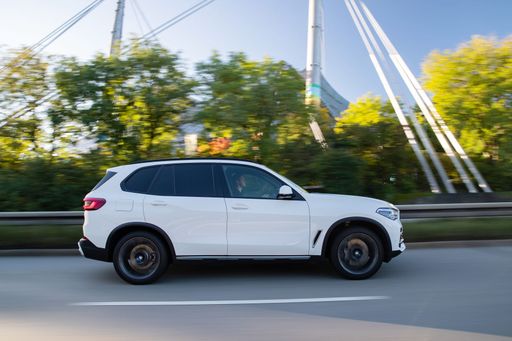
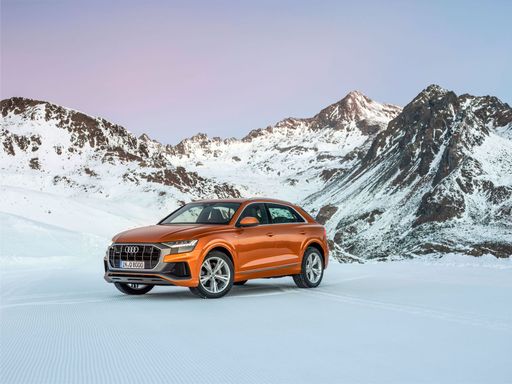
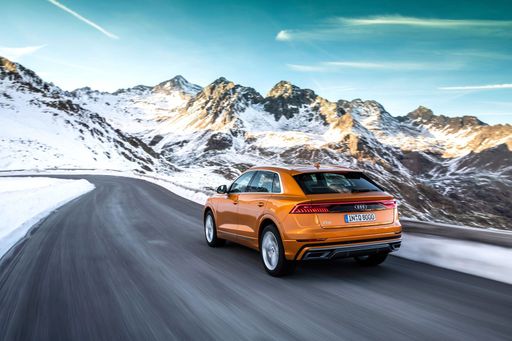
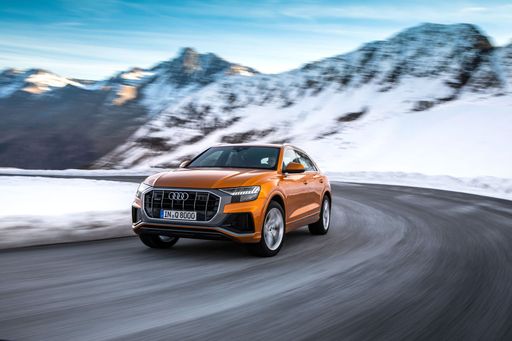
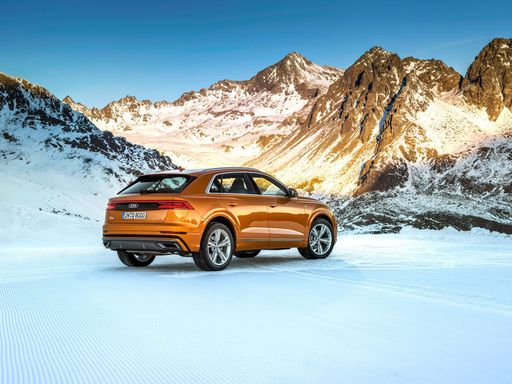
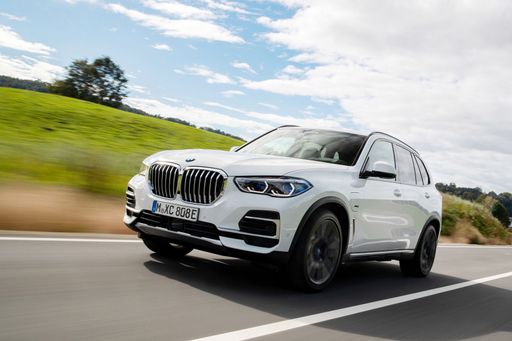
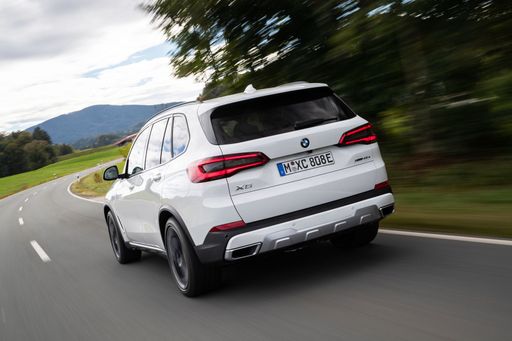
The Audi Q8 exudes a sporty and muscular stance with a length of 4,992 mm, a width of 1,995 mm, and a height of 1,697 mm. In contrast, the BMW X5 measures slightly smaller at 4,935 mm in length and 2,004 mm in width, but stands taller at 1,765 mm. Both SUVs sport a modern design language, but Audi opts for a more aggressive front-end with its prominent grille, while the X5 features BMW's classic kidney grille and sleek lines that reflect its heritage.

X5

Powertrains and Performance

When it comes to power, both vehicles offer a range of engines to suit different preferences. The Audi Q8 provides an array of options, including a 3.0-liter V6 producing up to 490 hp and a powerful 4.0-liter V8 generating a staggering 640 hp. Fuel economy for the Q8 ranges from 8.1 L/100km for its diesel engine to around 12.8 L/100km for the petrol variants.

On the flip side, the BMW X5 boasts a robust lineup as well, featuring engines that go up to 625 hp. Similar to the Q8, it offers petrol and diesel MHEV options, achieving a fuel consumption figure as low as 7.4 L/100km. The acceleration times are impressive for both models, with the Q8 reaching 0-100 km/h in as little as 3.6 seconds and the X5 in 3.9 seconds for the high-performance variants.

Q8

Technological Innovations

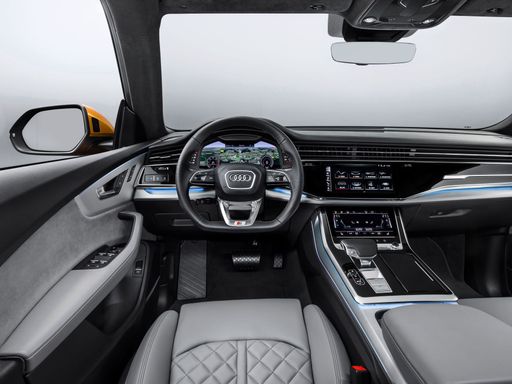
Both the Q8 and X5 are packed with technological advancements to enhance the driving experience. The Audi Q8 features the MMI touch response system, which includes a dual touchscreen interface that controls everything from navigation to climate settings, offering excellent responsiveness and ease of use.

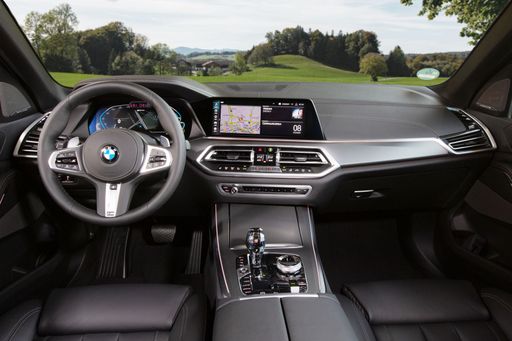
The BMW X5 counters with its iDrive system, which has been optimized for usability and now includes a 12.3-inch digital instrument cluster paired with another 12.3-inch touchscreen display. Furthermore, the X5 provides an intuitive rotary controller for easy navigation, showcasing the blend of innovation and practicality.

X5

Interior Comfort and Space

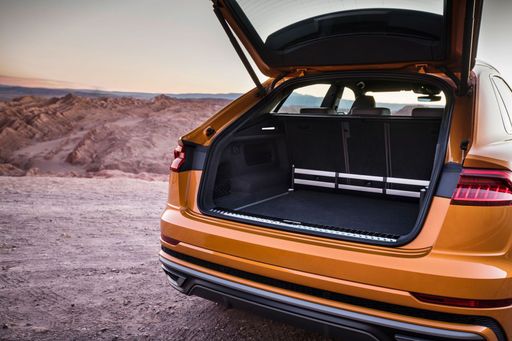
Inside the Audi Q8, luxurious materials and a spacious cabin create a refined atmosphere. With ample passenger space and a trunk capacity ranging from 605 to 605 liters, the Q8 ensures enough room for all needs. Its seating for five is comfortable, with high-quality upholstery and strategic ergonomics.

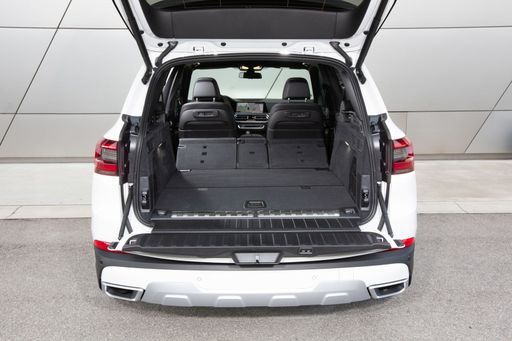
On the other hand, the BMW X5 offers a slightly larger trunk at 650 liters, providing extra utility for cargo. The interior boasts premium finishes with customizable ambient lighting and intelligent storage solutions that enhance the overall user experience.

Q8

Safety and Driver Assistance

Safety is paramount in both vehicles, with advanced driver assistance systems that add layers of security on the road. The Audi Q8 features adaptive cruise control, lane-keeping assistance, and a rear cross-traffic alert. Meanwhile, the BMW X5 includes features like the Driving Assistant Plus and Parking Assistant, placing a strong emphasis on not just driver safety but also convenience.

X5

Conclusion: Which SUV Reigns Supreme?

Choosing between the Audi Q8 and BMW X5 ultimately depends on individual preferences. The Q8 showcases superior acceleration and a luxurious tech-packed cabin, while the X5 shines with its traditional BMW performance and slightly more spacious cargo area. Both are exceptional offerings in the luxury SUV segment, featuring innovations and technologies that cater to a premium driving experience. Prospective buyers should take the time to test drive both models to discover which one aligns best with their lifestyle.

Here’s where it gets real: The technical differences in detail

X5

Costs and Efficiency:

When it comes to price and running costs, the biggest differences usually appear. This is often where you see which car fits your budget better in the long run.

BMW X5 is marginally cheaper – starting at 77,100 £ , while the Audi Q8 costs 77,300 £ . That’s a price difference of around 257 £.

Fuel consumption also shows a difference: the BMW X5 uses 3 L/100km and is noticeably more efficient than the Audi Q8 with 3.9 L/100km. The difference is about 0.9 L/100km.

As for electric range, the BMW X5 offers clearly more range – reaching up to 105 km, about 25 km more than the Audi Q8.

Q8

Engine and Performance:

Power, torque and acceleration say a lot about how a car feels on the road. This is where you see which model delivers more driving dynamics.

When it comes to engine power, the Audi Q8 offers very slightly more power – delivering 640 HP compared to 625 HP. That’s roughly 15 HP more horsepower.

When accelerating from 0 to 100 km/h, the Audi Q8 is marginally quicker – completing the sprint in 3.6 s, while the BMW X5 takes 3.9 s. That’s about 0.3 s quicker.

There’s also a difference in torque: the Audi Q8 delivers somewhat more torque with 850 Nm compared to 750 Nm. That’s about 100 Nm more.

X5

Space and Everyday Use:

Cabin size, boot volume and payload all play a role in everyday practicality. Here, comfort and flexibility make the difference.

Both vehicles offer seating for 5 people.

In terms of curb weight, Audi Q8 is barely lighter – 2,175 kg compared to 2,240 kg. The difference is around 65 kg.

Looking at boot space, the BMW X5 offers barely more boot space – 650 L compared to 605 L. That’s a difference of about 45 L.

When it comes to payload, the BMW X5 carries only slightly more – 705 kg compared to 665 kg. That’s a difference of about 40 kg.

Who wins the race in the data check?

The BMW X5 holds a decisive overall lead in the objective data comparison.
This result only shows which model scores more points on paper – not which of the two cars feels right for you.

from £77,100
X5

BMW X5

  • Engine Type : Petrol MHEV, Diesel MHEV, Plugin Hybrid
  • Transmission : Automatic
  • Drive Type : All-Wheel Drive
  • Power HP : 298 - 625 HP
  • Consumption L/100km : 3 - 12.8 L/100km
  • Electric Range : 105 km
BMW X5
Audi Q8

Costs and Consumption

View detailed analysis

Engine and Performance

View detailed analysis

Dimensions and Body

View detailed analysis

BMW X5

The BMW X5 blends athletic handling with a roomy, premium interior, feeling equally at home on twisty country roads and the school-run car park. Its executive-lounge cabin and confident road presence make it a tempting choice for buyers who want comfort, capability and just a little bit of bragging rights.

details

Audi Q8

The Audi Q8 wraps coupe-like flair around a burly SUV stance, serving up a cabin dressed in premium materials and smart tech that puts comfort and swagger front and center. It’s composed and comfortable on long runs yet happy to play when asked, making it a tempting choice for buyers who want head-turning looks without surrendering everyday practicality.

details
BMW X5
Audi Q8

Costs and Consumption

Price
77,100 - 143,500 £
Price
77,300 - 137,100 £
Consumption L/100km
3 - 12.8 L/100km
Consumption L/100km
3.9 - 13.1 L/100km
Consumption kWh/100km
-
Consumption kWh/100km
-
Electric Range
105 km
Electric Range
80 km
Battery Capacity
25.7 kWh
Battery Capacity
-
co2
68 - 289 g/km
co2
88 - 297 g/km
Fuel tank capacity
69 - 83 L
Fuel tank capacity
-

Dimensions and Body

Body Type
SUV
Body Type
SUV
Seats
5
Seats
5
Doors
5
Doors
-
Curb weight
2,240 - 2,495 kg
Curb weight
2,175 - 2,490 kg
Trunk capacity
500 - 650 L
Trunk capacity
439 - 605 L
Length
4,935 mm
Length
-
Width
2,004 - 2,015 mm
Width
1,995 - 2,007 mm
Height
1,755 - 1,765 mm
Height
-
Max trunk capacity
1,720 - 1,870 L
Max trunk capacity
-
Payload
565 - 705 kg
Payload
620 - 665 kg

Engine and Performance

Engine Type
Petrol MHEV, Diesel MHEV, Plugin Hybrid
Engine Type
Petrol MHEV, Diesel MHEV, Petrol, Plugin Hybrid
Transmission
Automatic
Transmission
Automatic
Transmission Detail
Automatic Gearbox
Transmission Detail
Automatic Gearbox
Drive Type
All-Wheel Drive
Drive Type
All-Wheel Drive
Power HP
298 - 625 HP
Power HP
231 - 640 HP
Acceleration 0-100km/h
3.9 - 6.1 s
Acceleration 0-100km/h
3.6 - 7.1 s
Max Speed
250 km/h
Max Speed
-
Torque
540 - 750 Nm
Torque
500 - 850 Nm
Number of Cylinders
6 - 8
Number of Cylinders
6 - 8
Power kW
219 - 460 kW
Power kW
170 - 471 kW
Engine capacity
2,993 - 4,395 cm3
Engine capacity
2,967 - 3,996 cm3

General

Model Year
2,025
Model Year
2,025
CO2 Efficiency Class
G, B
CO2 Efficiency Class
G, B
Brand
BMW
Brand
Audi
DriveDuel uses data analysis and artificial intelligence to evaluate vehicle data and create content. Content is regularly reviewed and improved. The displayed prices are estimates based on German list prices, adjusted to the respective country’s VAT. Country-specific registration taxes are not included. This information is not legally binding.