VS

BMW iX3 vs BMW X5 comparison

Compare performance (469 HP vs 625 HP), boot space and price (60,800 £ vs 77,100 £ ) at a glance. Find out which car is the better choice for you – BMW iX3 or BMW X5?

BMW iX3 vs BMW X5: Key differences

BMW iX3

4.7 (2 Reviews)
rate
  • clearly cheaper
  • significantly more electric range

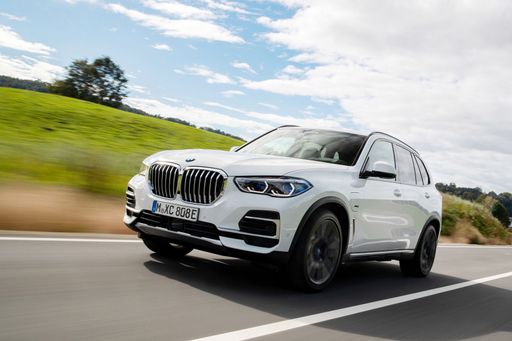
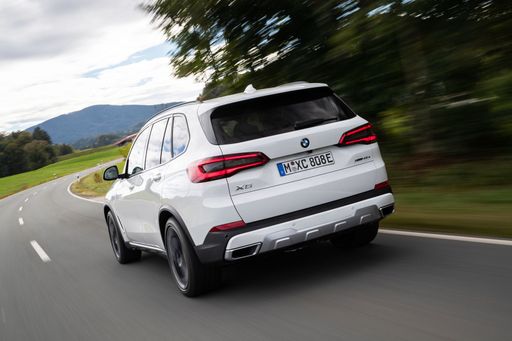
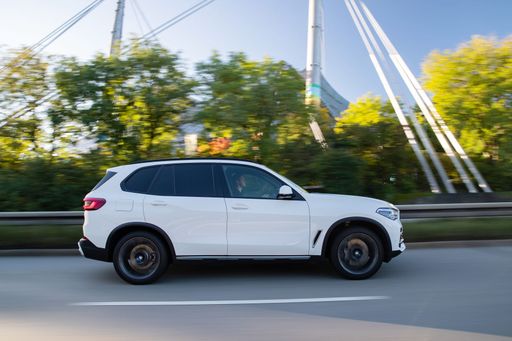
BMW X5

  • markedly more power
  • markedly quicker 0–100 km/h
  • marginally lighter

All details on performance, efficiency, range and trunk space can be found in the technical comparison below – including user reviews for both models.

iX3

Head-to-head: BMW iX3 VS BMW X5 — an SUV comparison

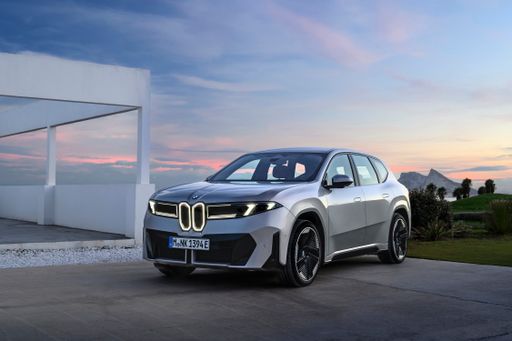
The BMW iX3 VS BMW X5 matchup pits an electric SUV approach against a more traditional luxury SUV presence, and that contrast is what buyers are really here to judge. The BMW iX3 arrives with an eco-minded, compact-luxury vibe while the BMW X5 leans on scale, gravitas and classic BMW SUV appeal. This comparison page is for shoppers who already know the names and want to cut through marketing noise to find the real-life differences. Expect to read about how each car behaves day-to-day, what owning either one says about you, and which one is likelier to suit your priorities. We’ll sketch character and practicality first, then you can dive into the hard figures below if you want the forensic details.
X5

Two different personalities: subtle tech versus muscular presence

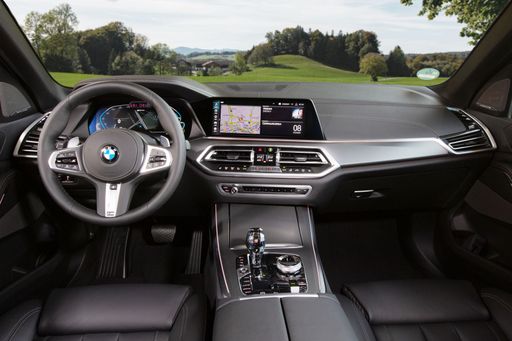
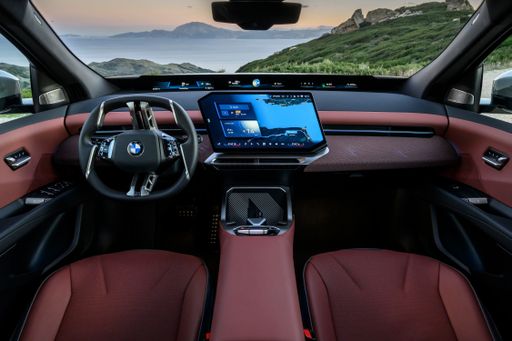
The BMW iX3 feels like a tidy, tech-forward crossover — it’s understated, efficient and tuned for modern, urban life, while the BMW X5 announces itself with broader shoulders and a more assertive road demeanor. BMW iX3 carries a lighter, quieter persona that favors refinement over theatricality, whereas BMW X5 trades subtlety for a stronger on-road stance and driver authority. Inside, the BMW iX3 aims to look contemporary and calm; the BMW X5 tends to feel more classically luxurious, with a roomier, more commanding cockpit. Choosing between the BMW iX3 and BMW X5 is really a choice of temperament: sleek and forward-looking versus big and reassuringly traditional.

iX3

Everyday life: city commutes, school runs and long highways

For daily urban driving the BMW iX3 is the more natural companion—easier in tight parking, quieter at low speeds and built to stretch running costs in an owner’s favor. The BMW X5, on the other hand, shines when you need space, presence and stability on long trips or when the whole family piles in for a weekend away. In short errands the BMW iX3’s compactness and civilised ride make life simple, while the BMW X5 gives you more loadroom and a planted feel that soaks up highways and luggage with less fuss. Both cars work as do-it-all SUVs, but their sweet spots are different: BMW iX3 for city-smart everyday use, BMW X5 for heavy-duty family and boulevard duties.

X5

What owning one says about you

Pick the BMW iX3 and you’re signalling practicality with a modern conscience — you like new tech, you care about efficiency and you want an SUV that’s easy to live with in the city. Choose the BMW X5 and you’re projecting confidence, space-first thinking and a taste for traditional luxury that rewards long motorway miles and weekend adventures. The BMW iX3 feels like a considered, almost arty choice for someone who thinks about operating costs and image in equal measure, while the BMW X5 reads as a more conservative statement: status with substance. Neither is shy; they just tell different stories about how you prefer to move through life.

iX3

Who should seriously consider the BMW iX3?

The BMW iX3 suits the efficiency-minded buyer who values low fuss, modern equipment and usability in tight urban environments, and it also appeals to the early-adopter who likes the latest in-car tech without the bulk of a full-size SUV. If you primarily commute, appreciate quiet refinement, and prefer a vehicle that feels nimble in traffic, the BMW iX3 will check those boxes more naturally than the BMW X5. It’s a car for people who want BMW polish in a lighter, greener package rather than maximum presence. If you own a small household or you’re focused on running costs over headline power, the BMW iX3 will likely feel like the smarter daily driver.

X5

Who should lean toward the BMW X5 (and why you might still glance at the iX3)

The BMW X5 is aimed at buyers who prioritise space, composure and a stronger road personality — think long-distance families, those who tow or carry big loads, and drivers who enjoy a more planted, luxurious experience. If you place comfort and presence at the top of your list, the BMW X5 will reward you with a roomier cabin and a more substantial feel on long journeys than the BMW iX3. That said, even X5 shoppers often check the BMW iX3 because its city friendliness and tech package make it a tempting alternative for urban-first lifestyles. No universal winner here — choose the character that matches your week, not just your Sunday drive — and then scroll down to the detailed delta to see how they differ on paper.

Here’s where it gets real: The technical differences in detail

iX3

Costs and Efficiency:

When it comes to price and running costs, the biggest differences usually appear. This is often where you see which car fits your budget better in the long run.

BMW iX3 is clearly cheaper – starting at 60,800 £ , while the BMW X5 costs 77,100 £ . That’s a price difference of around 16,286 £.

As for electric range, the BMW iX3 offers significantly more range – reaching up to 805 km, about 700 km more than the BMW X5.

X5

Engine and Performance:

Power, torque and acceleration are the classic benchmarks for car enthusiasts – and here, some clear differences start to show.

When it comes to engine power, the BMW X5 offers markedly more power – delivering 625 HP compared to 469 HP. That’s roughly 156 HP more horsepower.

When accelerating from 0 to 100 km/h, the BMW X5 is markedly quicker – completing the sprint in 3.9 s, while the BMW iX3 takes 4.9 s. That’s about 1 s quicker.

There’s also a difference in torque: the BMW X5 delivers somewhat more torque with 750 Nm compared to 645 Nm. That’s about 105 Nm more.

iX3

Space and Everyday Use:

Cabin size, boot volume and payload all play a role in everyday practicality. Here, comfort and flexibility make the difference.

Both vehicles offer seating for 5 people.

In terms of curb weight, BMW X5 is marginally lighter – 2,240 kg compared to 2,360 kg. The difference is around 120 kg.

When it comes to payload, the BMW X5 carries markedly more – 705 kg compared to 465 kg. That’s a difference of about 240 kg.

Who wins the race in the data check?

The BMW iX3 stands well ahead of its rival in the objective data comparison.
This result only shows which model scores more points on paper – not which of the two cars feels right for you.

from £60,800
iX3

BMW iX3

  • Engine Type : Electric
  • Transmission : Automatic
  • Drive Type : All-Wheel Drive
  • Power HP : 469 HP
  • Consumption kWh/100km : 15.1 kWh/100km
  • Electric Range : 805 km
BMW iX3
BMW X5

Costs and Consumption

View detailed analysis

Engine and Performance

View detailed analysis

Dimensions and Body

View detailed analysis

BMW iX3

The BMW iX3 brings BMW's familiar SUV poise into the electric era, blending restrained styling and a comfortable, composed ride that will please traditionalists dipping their toes into electrification. It's quiet, practical and rather grown-up about going electric — a sensible choice for buyers who want BMW driving manners without the drama.

details

BMW X5

The BMW X5 blends athletic handling with a roomy, premium interior, feeling equally at home on twisty country roads and the school-run car park. Its executive-lounge cabin and confident road presence make it a tempting choice for buyers who want comfort, capability and just a little bit of bragging rights.

details
BMW iX3
BMW X5

Costs and Consumption

Price
60,800 - 66,300 £
Price
77,100 - 143,500 £
Consumption L/100km
-
Consumption L/100km
3 - 12.8 L/100km
Consumption kWh/100km
15.1 kWh/100km
Consumption kWh/100km
-
Electric Range
805 km
Electric Range
105 km
Battery Capacity
-
Battery Capacity
25.7 kWh
co2
0 g/km
co2
68 - 289 g/km
Fuel tank capacity
-
Fuel tank capacity
69 - 83 L

Dimensions and Body

Body Type
SUV
Body Type
SUV
Seats
5
Seats
5
Doors
-
Doors
5
Curb weight
2,360 kg
Curb weight
2,240 - 2,495 kg
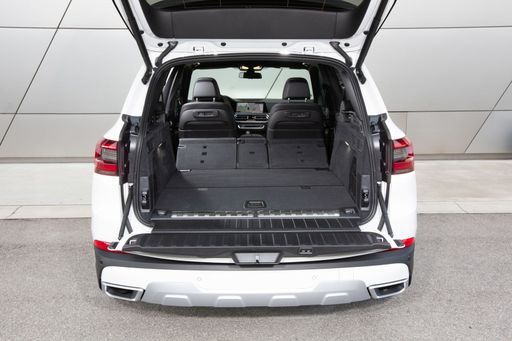
Trunk capacity
-
Trunk capacity
500 - 650 L
Length
-
Length
4,935 mm
Width
1,895 mm
Width
2,004 - 2,015 mm
Height
-
Height
1,755 - 1,765 mm
Max trunk capacity
-
Max trunk capacity
1,720 - 1,870 L
Payload
465 kg
Payload
565 - 705 kg

Engine and Performance

Engine Type
Electric
Engine Type
Petrol MHEV, Diesel MHEV, Plugin Hybrid
Transmission
Automatic
Transmission
Automatic
Transmission Detail
Reduction Gearbox
Transmission Detail
Automatic Gearbox
Drive Type
All-Wheel Drive
Drive Type
All-Wheel Drive
Power HP
469 HP
Power HP
298 - 625 HP
Acceleration 0-100km/h
4.9 s
Acceleration 0-100km/h
3.9 - 6.1 s
Max Speed
-
Max Speed
250 km/h
Torque
645 Nm
Torque
540 - 750 Nm
Number of Cylinders
-
Number of Cylinders
6 - 8
Power kW
345 kW
Power kW
219 - 460 kW
Engine capacity
-
Engine capacity
2,993 - 4,395 cm3

General

Model Year
2,026
Model Year
2,025
CO2 Efficiency Class
A
CO2 Efficiency Class
G, B
Brand
BMW
Brand
BMW
DriveDuel uses data analysis and artificial intelligence to evaluate vehicle data and create content. Content is regularly reviewed and improved. The displayed prices are estimates based on German list prices, adjusted to the respective country’s VAT. Country-specific registration taxes are not included. This information is not legally binding.