VS

BMW iX vs BMW iX3 comparison

Compare performance (659 HP vs 469 HP), boot space and price (71,600 £ vs 54,300 £ ) at a glance. Find out which car is the better choice for you – BMW iX or BMW iX3?

BMW iX vs BMW iX3: Key differences

BMW iX

4.2 (3 Reviews)
rate
  • noticeably more power
  • visibly quicker 0–100 km/h
details

BMW iX3

4.6 (4 Reviews)
rate
  • clearly cheaper
  • markedly more efficient
  • somewhat more electric range
  • only slightly lighter
details

All details on performance, efficiency, range and trunk space can be found in the technical comparison below – including user reviews for both models.

By Achim Sedelmaier

iX

BMW iX vs BMW iX3: finding the right electric SUV for your life

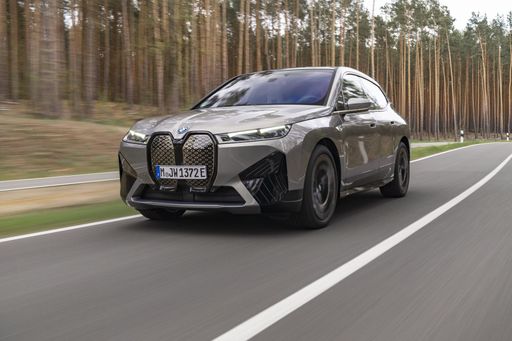
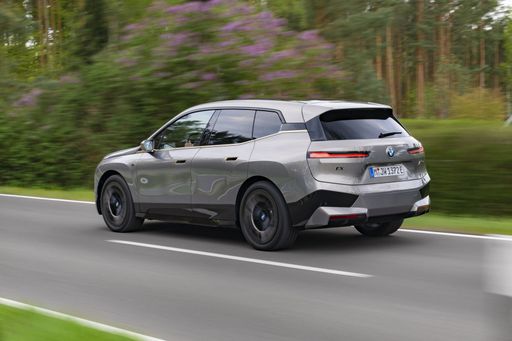
The BMW iX and BMW iX3 take very different routes to the same destination, and that’s exactly what makes BMW iX VS BMW iX3 such a useful comparison. The iX leans into flagship calm, lavish materials and a relaxed, big‑car gait. The iX3 counters with a lighter, more agile feel and a tech‑forward cabin that prioritizes efficiency and quick progress on the road. In simple terms, the iX feels like a luxury lounge on wheels, while the iX3 feels like a smart, streamlined tool for covering ground. Price and running costs also diverge, with the iX3 typically easier on the wallet before and after purchase.
iX3

Driving character and everyday feel

The BMW iX is all about serenity: effortless shove when you want it, but a calm, cushioned demeanor that encourages smooth, confident driving. The BMW iX3 feels more eager and alert, with steering that invites you to place the car precisely and a chassis that stays tidier when the road gets twisty. The iX ultimately has more muscle in reserve, yet you notice its size and weight more often in town and on B‑roads. The iX3’s lighter step makes school runs, urban cut‑and‑thrust and tight parking ramps less of a chore.

iX

Comfort, noise and long‑distance pace

If you prize hushed progress and plush isolation, the BMW iX sets a high bar, especially with its more supple suspension options and generous seats. The BMW iX3 is also very quiet at speed, but its ride feels firmer on large wheels, so spec choice matters if your roads are scarred. Over distance, the iX cocoons you; the iX3 gets you there quickly thanks to lean energy use and ultra‑fast charging that trims stop times. Driver assistance differs in flavor too: the iX majors on stress relief, while the iX3’s hands‑off motorway assistant and slick lane‑change confirmation take a bigger load off on busy highways. Pick the iX for the most tranquil cabin; pick the iX3 if your priority is maintaining a brisk travel rhythm with shorter charging pauses.

iX3

Cabin ambience and tech experience

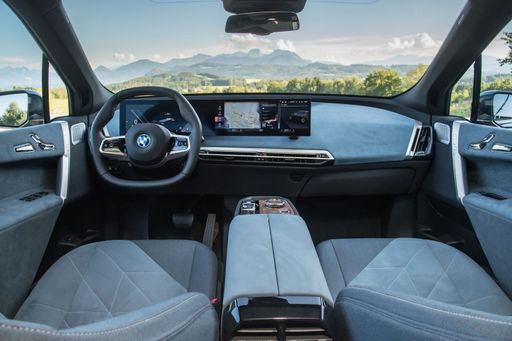
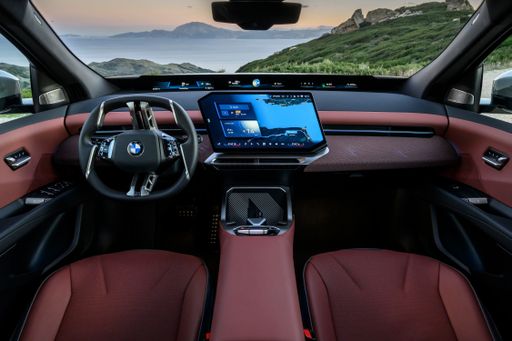
The BMW iX interior feels luxurious and airy, with rich materials and an iDrive controller that keeps key tasks intuitive without poking the screen constantly. Its climate controls live in the touchscreen, though, which can be fiddly on the move. The BMW iX3’s cockpit looks more futuristic, projecting more info into your line of sight and leaning harder on voice control, but it offers fewer physical shortcuts and comes with a short learning curve. In daily use, the iX caters to buyers who want a classic premium vibe with tactile controls, while the iX3 suits tech‑savvy drivers who like the idea of a wide HUD‑style display and strong voice interaction.

iX

Space, practicality and family use

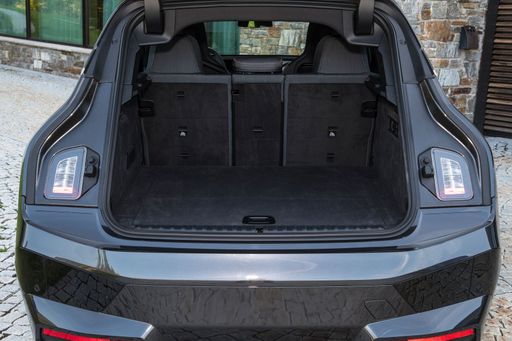
Both are roomy five‑seaters with generous rear legroom, yet they serve families differently. The BMW iX pampers passengers with a flat floor and broad rear bench, but its boot isn’t as cavernous as its footprint suggests and there’s no front storage for cables. The BMW iX3 answers with a larger, more versatile cargo area and a useful frunk, even if the load floor isn’t perfectly flat and some small‑item storage in the back is stingy. Towing also separates them: the iX is the better choice if you regularly pull heavier trailers, while the iX3 covers most family‑holiday needs with a lower but still useful rating. In the city, the iX feels big but can be surprisingly manageable with its steering tricks, whereas the iX3 is simply easier to thread through tight streets and standard parking bays.

iX3

Costs, efficiency and the right buyer

The BMW iX carries a higher purchase price and tends to use more energy, which matters if you pile on commuter miles or face high electricity tariffs. The BMW iX3 is more attainable and typically sips less, so it will be kinder to running costs and range planning. Think of the iX as the choice for quiet‑luxury road trips, a standout rear seat and heavier towing capability. See the iX3 as the pick for efficiency‑first drivers who want cutting‑edge assistance, rapid charging turnarounds and a more practical cargo setup. If you’re on the fence, your decision likely hangs on whether you value a cocooning lounge feel (iX) or tech‑enabled, time‑efficient travel (iX3) before you dive into the specs that follow.

Here’s where it gets real: The technical differences in detail

iX

Costs and Efficiency:

Price and efficiency are key factors when choosing a car – and this is often where the real differences emerge.

BMW iX3 is clearly cheaper – starting at 54,300 £ , while the BMW iX costs 71,600 £ . That’s a price difference of around 17,229 £.

In terms of energy consumption, the BMW iX3 is markedly more efficient: consuming 14.6 kWh/100km compared to 17.8 kWh/100km for the BMW iX. That’s a difference of about 3.2 kWh/100km.

As for electric range, the BMW iX3 offers somewhat more range – reaching up to 805 km, about 104 km more than the BMW iX.

iX3

Engine and Performance:

Power, torque and acceleration are the classic benchmarks for car enthusiasts – and here, some clear differences start to show.

When it comes to engine power, the BMW iX offers noticeably more power – delivering 659 HP compared to 469 HP. That’s roughly 190 HP more horsepower.

When accelerating from 0 to 100 km/h, the BMW iX is visibly quicker – completing the sprint in 3.8 s, while the BMW iX3 takes 4.9 s. That’s about 1.1 s quicker.

There’s also a difference in torque: the BMW iX delivers clearly more torque with 1,015 Nm compared to 645 Nm. That’s about 370 Nm more.

iX

Space and Everyday Use:

Whether family car or daily driver – which one offers more room, flexibility and comfort?

Both vehicles offer seating for 5 people.

In terms of curb weight, BMW iX3 is only slightly lighter – 2,360 kg compared to 2,525 kg. The difference is around 165 kg.

When it comes to payload, the BMW iX carries somewhat more – 575 kg compared to 465 kg. That’s a difference of about 110 kg.

Who wins the race in the data check?

The BMW iX stands well ahead of its rival in the objective data comparison.
This result only shows which model scores more points on paper – not which of the two cars feels right for you.

from £71,600
iX

BMW iX

  • Engine Type : Electric
  • Transmission : Automatic
  • Drive Type : All-Wheel Drive
  • Power HP : 408 - 659 HP
  • Consumption kWh/100km : 17.8 - 20.6 kWh/100km
  • Electric Range : 600 - 701 km
BMW iX
BMW iX3

Costs and Consumption

View detailed analysis

Engine and Performance

View detailed analysis

Dimensions and Body

View detailed analysis

BMW iX

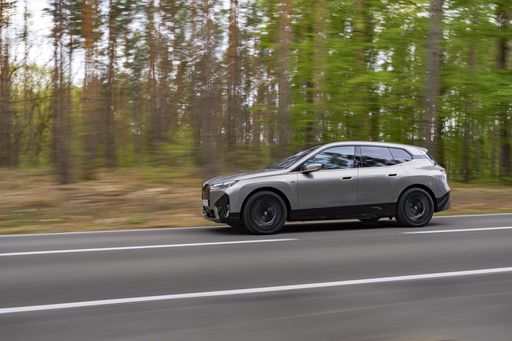
The BMW iX arrives like a tech-rich luxury SUV that refuses to shout, offering a serene yet authoritative road presence that suits both city commutes and long-distance cruising. Inside, its minimalist cabin wraps high-quality materials and clever interfaces around a driver-focused layout, making it feel more like a forward-thinking lounge than just another electric appliance — and yes, it still delivers the dynamic driving character you'd expect from a BMW.

details

BMW iX3

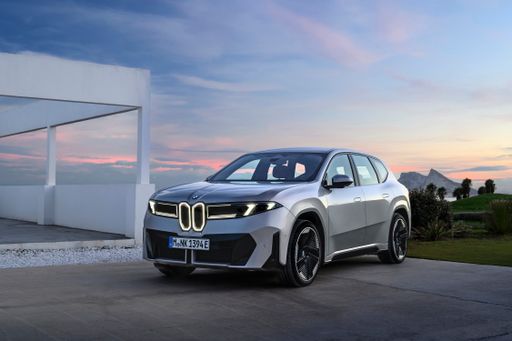
The BMW iX3 is an electric SUV that delivers the composed, premium driving experience BMW buyers expect. With a calm, refined cabin and practical everyday usability, it’s a strong choice for those who want electric motoring without giving up luxury and comfort.

details
BMW iX
BMW iX3

Costs and Consumption

Price
71,600 - 108,400 £
Price
54,300 - 66,300 £
Consumption L/100km
-
Consumption L/100km
-
Consumption kWh/100km
17.8 - 20.6 kWh/100km
Consumption kWh/100km
14.6 - 15.1 kWh/100km
Electric Range
600 - 701 km
Electric Range
635 - 805 km
Battery Capacity
-
Battery Capacity
-
co2
0 g/km
co2
0 g/km
Fuel tank capacity
-
Fuel tank capacity
-

Dimensions and Body

Body Type
SUV
Body Type
SUV
Seats
5
Seats
5
Doors
-
Doors
-
Curb weight
2,525 - 2,655 kg
Curb weight
2,360 kg
Trunk capacity
500 L
Trunk capacity
-
Length
-
Length
-
Width
1,970 mm
Width
1,895 mm
Height
-
Height
-
Max trunk capacity
-
Max trunk capacity
-
Payload
505 - 575 kg
Payload
465 kg

Engine and Performance

Engine Type
Electric
Engine Type
Electric
Transmission
Automatic
Transmission
Automatic
Transmission Detail
Reduction Gearbox
Transmission Detail
Reduction Gearbox
Drive Type
All-Wheel Drive
Drive Type
All-Wheel Drive, Rear-Wheel Drive
Power HP
408 - 659 HP
Power HP
320 - 469 HP
Acceleration 0-100km/h
3.8 - 5.1 s
Acceleration 0-100km/h
4.9 - 5.9 s
Max Speed
-
Max Speed
-
Torque
700 - 1,015 Nm
Torque
500 - 645 Nm
Number of Cylinders
-
Number of Cylinders
-
Power kW
300 - 485 kW
Power kW
235 - 345 kW
Engine capacity
-
Engine capacity
-

General

Model Year
2025
Model Year
2026
CO2 Efficiency Class
A
CO2 Efficiency Class
A
Brand
BMW
Brand
BMW
DriveDuel uses data analysis and artificial intelligence to evaluate vehicle data and create content. Content is regularly reviewed and improved. The displayed prices are estimates based on German list prices, adjusted to the respective country’s VAT. Country-specific registration taxes are not included. This information is not legally binding.