VS

BMW iX3 vs XPeng G9 comparison

Compare performance (469 HP vs 575 HP), boot space and price (54,300 £ vs 51,100 £ ) at a glance. Find out which car is the better choice for you – BMW iX3 or XPeng G9?

BMW iX3 vs XPeng G9: Key differences

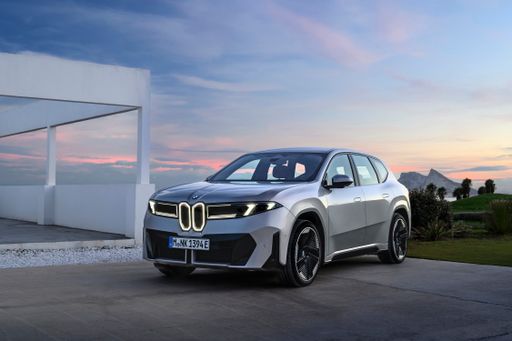
BMW iX3

4.6 (4 Reviews)
rate
  • clearly more efficient
  • noticeably more electric range
details

XPeng G9

4.8 (5 Reviews)
rate
  • marginally cheaper
  • slightly more power
  • moderately quicker 0–100 km/h
  • marginally lighter
details

All details on performance, efficiency, range and trunk space can be found in the technical comparison below – including user reviews for both models.

By Achim Sedelmaier

iX3

BMW iX3 VS XPeng G9 — a quick take

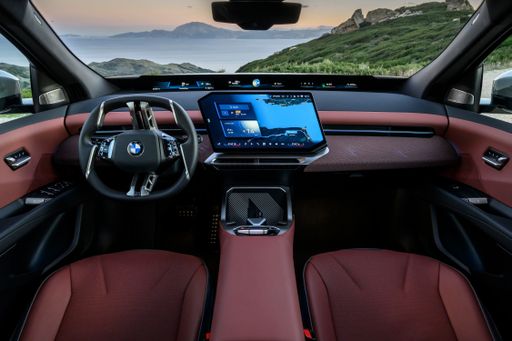
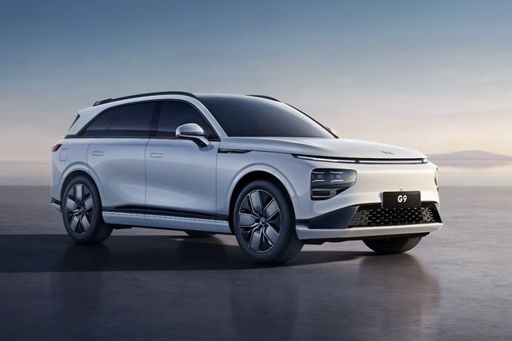
BMW iX3 VS XPeng G9 puts a compactly focused, efficiency-first German EV against a generously equipped, comfort-minded Chinese rival. The BMW iX3 plays the part of a quietly efficient long‑distance specialist with a cockpit that leans into a new, tech‑heavy interface. The XPeng G9 answers with broad rear-seat comfort, lots of kit for the money and an emphasis on effortless cruising rather than sporting feel. Choosing between them is often a question of whether you prioritise single‑charge range and refined driving manners (BMW iX3) or cabin generosity, equipment and value (XPeng G9). This page lays out how those priorities translate into everyday ownership trade‑offs.
G9

Character and driving feel

The BMW iX3 feels composed and taut when you push it: steering is precise, body control is firmer and the car rewards an engaged driver with a sense of agility you wouldn’t expect from a large EV. The XPeng G9 trades sharpness for a plush, relaxed ride that emphasises comfort over cornering thrills; its steering and roll control are tuned for serenity rather than sport. On highways the BMW’s assisted driving systems behave more polished and reduce fatigue for sustained higher‑speed runs, while XPeng’s assistants can feel eager and occasionally interrupt the flow. If you want a car that feels lively and controlled, the BMW iX3 leans you that way; if you want a stress‑free, cushioned cruise, the XPeng G9 is more sympathetic.

iX3

Comfort, cabin feel and practicality

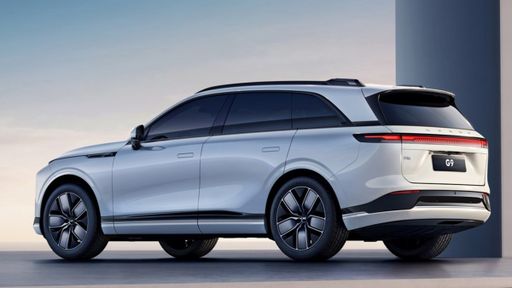
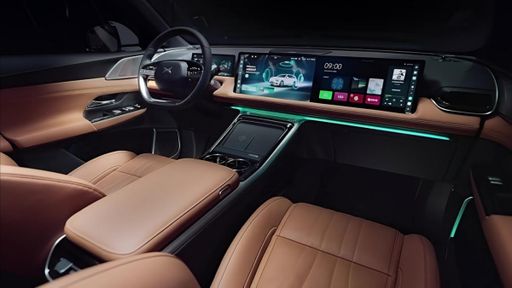
Inside, the XPeng G9 makes a strong impression with roomy rear seats, extensive comfort options and a sense of value through generous standard equipment and usable storage like a large frunk. The BMW iX3 presents a more restrained, premium cabin with modern graphics and a quieter overall ambience, but it demands a little compromise in cargo ergonomics — clever storage exists, yet the load floor and seat‑folding convenience are not as blatantly practical as in the G9. Material quality reads premium in both, but BMW’s trim and fit feel classically curated while XPeng wins on feature depth for the money. Families who prioritise rear comfort and easy loading will prefer the XPeng G9; buyers after a quieter, more finely finished cabin will tilt toward the BMW iX3.

G9

Usability, infotainment and driver aids

The BMW iX3’s Panoramic iDrive and HUD band push information forward and reward familiarity with fast voice controls, but a lot of everyday functions have migrated to touch menus which require some adaptation. XPeng G9 packs multiple large displays and a very feature‑rich interface, yet its menus can be deep and some safety prompts feel intrusive until you tune them. Assistive driving support reflects that same split: BMW’s systems tend to feel more cohesive and less interruptive, while XPeng’s software is potent but still smoothing out some rough edges. If quick, polished interactions are important, the BMW iX3 nudges ahead; if you want more kit and don’t mind a learning curve, the XPeng G9 delivers more for the money.

iX3

Long‑distance behaviour and charging practicality

On long trips the BMW iX3 stands out for covering more distance between stops and for a highly efficient real‑world energy use that reduces charging frequency and time planning. The XPeng G9 is no slouch on the highway — it offers a very comfortable ride and extremely rapid DC replenishment that keeps stops short — but its lower single‑charge reach means you’ll visit chargers more often. Both cars make long routes tolerable, but the BMW’s combination of range and refined high‑speed manners favours drivers who want fewer interruptions, while the XPeng’s fast charging and rear‑seat comfort make it ideal for passengers and families who prioritise short stop durations and onboard ease.

G9

Buyer fit and the trade‑offs that matter

If your life is heavy on motorway miles, tight trip scheduling and you value a quieter, more agile driving experience, the BMW iX3 aligns with those priorities; it appeals to tech‑savvy buyers who accept a premium for efficiency and refined dynamics. The XPeng G9 suits buyers who want maximum rear‑seat comfort, abundant kit, a long warranty and stronger upfront value without sacrificing true long‑range cruising comfort. City‑centric drivers who rely on public AC charging should weigh XPeng’s slower AC capability, while buyers seeking the smoothest assistance systems and longer single‑charge range will find the BMW iX3 more persuasive. Below this editorial we dig into the technical comparison so you can match those everyday impressions to concrete specs and charging behaviour.

Here’s where it gets real: The technical differences in detail

iX3

Costs and Efficiency:

Price and efficiency are key factors when choosing a car – and this is often where the real differences emerge.

XPeng G9 is marginally cheaper – starting at 51,100 £ , while the BMW iX3 costs 54,300 £ . That’s a price difference of around 3,257 £.

In terms of energy consumption, the BMW iX3 is clearly more efficient: consuming 14.6 kWh/100km compared to 18.4 kWh/100km for the XPeng G9. That’s a difference of about 3.8 kWh/100km.

As for electric range, the BMW iX3 offers noticeably more range – reaching up to 805 km, about 220 km more than the XPeng G9.

G9

Engine and Performance:

Power, torque and acceleration are the classic benchmarks for car enthusiasts – and here, some clear differences start to show.

When it comes to engine power, the XPeng G9 offers slightly more power – delivering 575 HP compared to 469 HP. That’s roughly 106 HP more horsepower.

When accelerating from 0 to 100 km/h, the XPeng G9 is moderately quicker – completing the sprint in 4.2 s, while the BMW iX3 takes 4.9 s. That’s about 0.7 s quicker.

There’s also a difference in torque: the XPeng G9 delivers very slightly more torque with 695 Nm compared to 645 Nm. That’s about 50 Nm more.

iX3

Space and Everyday Use:

Beyond pure performance, interior space and usability matter most in daily life. This is where you see which car is more practical and versatile.

Both vehicles offer seating for 5 people.

In terms of curb weight, XPeng G9 is marginally lighter – 2,210 kg compared to 2,360 kg. The difference is around 150 kg.

When it comes to payload, the XPeng G9 carries moderately more – 520 kg compared to 465 kg. That’s a difference of about 55 kg.

Who wins the race in the data check?

The XPeng G9 shows a few small advantages in the objective data comparison.
This result only shows which model scores more points on paper – not which of the two cars feels right for you.

from £51,100
G9

XPeng G9

  • Engine Type : Electric
  • Transmission : Automatic
  • Drive Type : Rear-Wheel Drive, All-Wheel Drive
  • Power HP : 351 - 575 HP
  • Consumption kWh/100km : 18.4 - 20.1 kWh/100km
  • Electric Range : 502 - 585 km
BMW iX3
XPeng G9

Costs and Consumption

View detailed analysis

Engine and Performance

View detailed analysis

Dimensions and Body

View detailed analysis

BMW iX3

The BMW iX3 is an electric SUV that delivers the composed, premium driving experience BMW buyers expect. With a calm, refined cabin and practical everyday usability, it’s a strong choice for those who want electric motoring without giving up luxury and comfort.

details

XPeng G9

The XPeng G9 is a spacious, tech-forward electric SUV that pairs a calm, refined ride with responsive performance and a high-quality, minimalist cabin. With strong emphasis on connectivity and advanced driving assistance, it’s a compelling choice if you want modern EV features and generous practicality without a legacy badge.

details
BMW iX3
XPeng G9

Costs and Consumption

Price
54,300 - 66,300 £
Price
51,100 - 62,200 £
Consumption L/100km
-
Consumption L/100km
-
Consumption kWh/100km
14.6 - 15.1 kWh/100km
Consumption kWh/100km
18.4 - 20.1 kWh/100km
Electric Range
635 - 805 km
Electric Range
502 - 585 km
Battery Capacity
-
Battery Capacity
-
co2
0 g/km
co2
0 g/km
Fuel tank capacity
-
Fuel tank capacity
-

Dimensions and Body

Body Type
SUV
Body Type
SUV
Seats
5
Seats
5
Doors
-
Doors
-
Curb weight
2,360 kg
Curb weight
2,210 - 2,395 kg
Trunk capacity
-
Trunk capacity
660 L
Length
-
Length
-
Width
1,895 mm
Width
1,937 mm
Height
-
Height
-
Max trunk capacity
-
Max trunk capacity
-
Payload
465 kg
Payload
515 - 520 kg

Engine and Performance

Engine Type
Electric
Engine Type
Electric
Transmission
Automatic
Transmission
Automatic
Transmission Detail
Reduction Gearbox
Transmission Detail
Reduction Gearbox
Drive Type
All-Wheel Drive, Rear-Wheel Drive
Drive Type
Rear-Wheel Drive, All-Wheel Drive
Power HP
320 - 469 HP
Power HP
351 - 575 HP
Acceleration 0-100km/h
4.9 - 5.9 s
Acceleration 0-100km/h
4.2 - 6.6 s
Max Speed
-
Max Speed
-
Torque
500 - 645 Nm
Torque
465 - 695 Nm
Number of Cylinders
-
Number of Cylinders
-
Power kW
235 - 345 kW
Power kW
258 - 423 kW
Engine capacity
-
Engine capacity
-

General

Model Year
2026
Model Year
2025
CO2 Efficiency Class
A
CO2 Efficiency Class
A
Brand
BMW
Brand
XPeng
DriveDuel uses data analysis and artificial intelligence to evaluate vehicle data and create content. Content is regularly reviewed and improved. The displayed prices are estimates based on German list prices, adjusted to the respective country’s VAT. Country-specific registration taxes are not included. This information is not legally binding.