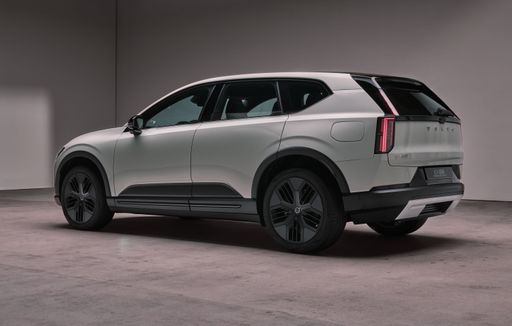
VS

BMW iX vs Volvo EX60 comparison

Compare performance (659 HP vs 680 HP), boot space and price (71,600 £ vs 54,000 £ ) at a glance. Find out which car is the better choice for you – BMW iX or Volvo EX60?

BMW iX vs Volvo EX60: Key differences

BMW iX

4.2 (3 Reviews)
rate
  • only slightly quicker 0–100 km/h
details

Volvo EX60

  • markedly cheaper
  • only slightly more power
  • markedly more efficient
  • somewhat more electric range
  • a bit lighter
  • barely more trunk space
details

All details on performance, efficiency, range and trunk space can be found in the technical comparison below – including user reviews for both models.

By Achim Sedelmaier

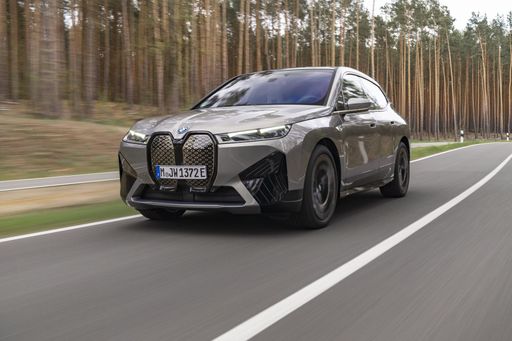
iX

BMW iX VS Volvo EX60 — executive summary

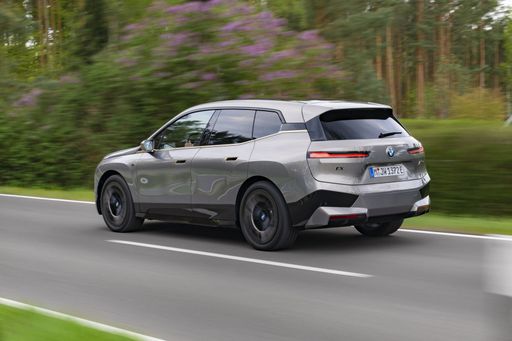
The BMW iX and the Volvo EX60 sit on the same electric SUV battleground, and the contrast is exactly the buyer decision you expect from a luxury German lounge versus a pragmatic Scandinavian tech package — BMW iX VS Volvo EX60. The BMW iX feels like a quiet, high‑end salon on wheels with an emphasis on materials, rear‑seat space and an almost obsessive reduction of road noise. The Volvo EX60 answers with roomy practicality, modern connected services and a clear focus on efficient range and rapid charging to make longer trips easier. This comparison is less about one car "beating" the other and more about which set of compromises matches your real days: serenity and premium interior versus efficiency, tech and usable luggage space.
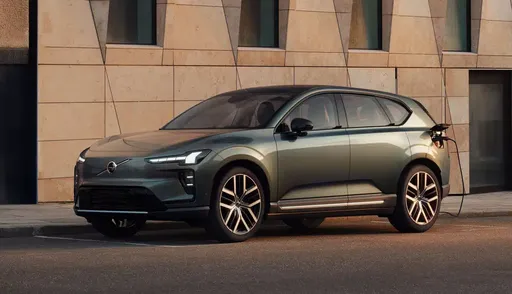
EX60

Comfort and cabin feel

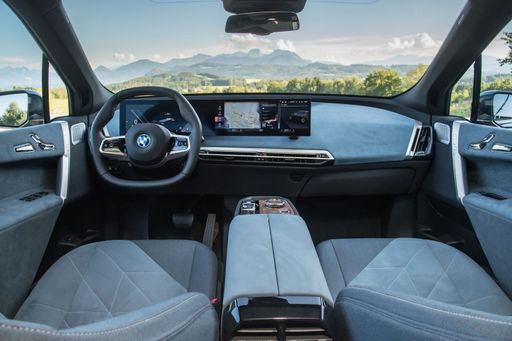
Cabin atmosphere is a sharp dividing line: the BMW iX prioritises plush materials, a lounge‑like rear seat and obsessive insulation so long runs feel effortless. The Volvo EX60 also impresses with a bright, well‑laid‑out interior and modern connectivity that makes the cockpit feel more digitally fluent than fussy. Where they differ is tactile control and ergonomics: BMW's pared‑back touch controls look cleaner but hide frequently used climate and seat functions, whereas the EX60 keeps more physical shortcuts and real buttons on the wheel for everyday convenience. In short, the iX wins the serenity and premium‑feel contest, while the EX60 trades some bespoke luxury for clearer, more practical day‑to‑day ergonomics.

iX

Practicality and everyday usability

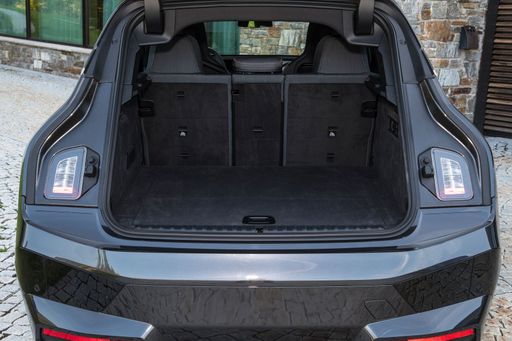
Practicality reveals useful trade‑offs: the Volvo EX60 tends to offer more straightforward luggage options and even a front‑boot on some configurations, which turns into real convenience for weekend trips. By contrast, the BMW iX's boot is shallower and there's no frunk, so packing for family holidays can feel tighter despite the generous rear passenger space. BMW does return advantages where it counts for payload and towing, so if you need to haul heavier loads or tow occasionally the iX is the more capable workhorse. Everyday storage and small‑item usability tilt toward the EX60 thanks to clever trays and a more conventional control layout, making it easier to live with day‑to‑day.

EX60

Driving character and long‑distance behavior

On the road both cars settle into long‑distance cruising with ease, but they do it in noticeably different styles. The BMW iX leans into a cocooned, cushioned ride and a hushed cabin that turns motorway hours into low‑stress travel, masking its mass with composure. The Volvo EX60 is nearly as quiet but packages adaptive damping and an 800‑volt charging architecture that turn long trips into shorter interruptions at chargers. If you like a serene, planted feel and a premium rear‑seat for passengers, the iX is the natural pick; if you prefer shorter charging stops, consistent efficiency and slightly more conventional steering responses, the EX60 will suit you better.

iX

City friendliness and manoeuvrability

Around town the balance flips toward usefulness: the Volvo EX60 leans on 360‑degree cameras, driver aids and quick, responsive tech to make parking and urban errands straightforward. The BMW iX feels surprisingly nimble for its size—especially with optional rear‑axle steering—but its overall width and tall stance still demand respect in tight garages. Visibility quirks affect both: Volvo's rear‑quarter sightlines and the BMW's broad pillars both make you rely on cameras or sensors in city manoeuvres. If your life is more urban than rural, the EX60's parking assistance and clearer everyday ergonomics will reduce friction more often than the iX's highway‑focused comforts.

Buyer fit and the trade‑offs that matter

Who should pick which is about priorities: choose the BMW iX if you prize absolute cabin serenity, premium finishes and a rear seat designed for long‑legged passengers and occasional heavy loads. Opt for the Volvo EX60 if you want better everyday usability, longer real‑world range and faster charging that change how you plan trips and reduce range anxiety. Cost also plays a role: the iX sits at a higher price point where options quickly add up, while the EX60 feels more value‑oriented for the mileage and tech it delivers. Both are credible long‑distance family SUVs, so next up in the technical comparison we'll lay out the charging speed, range, weight and luggage trade‑offs to help you pick the precise spec that matches your daily miles.

Here’s where it gets real: The technical differences in detail

iX

Costs and Efficiency:

Price and efficiency are key factors when choosing a car – and this is often where the real differences emerge.

Volvo EX60 is markedly cheaper – starting at 54,000 £ , while the BMW iX costs 71,600 £ . That’s a price difference of around 17,580 £.

In terms of energy consumption, the Volvo EX60 is markedly more efficient: consuming 14.7 kWh/100km compared to 17.8 kWh/100km for the BMW iX. That’s a difference of about 3.1 kWh/100km.

As for electric range, the Volvo EX60 offers somewhat more range – reaching up to 810 km, about 109 km more than the BMW iX.

EX60

Engine and Performance:

Power, torque and acceleration are the classic benchmarks for car enthusiasts – and here, some clear differences start to show.

When it comes to engine power, the Volvo EX60 offers only slightly more power – delivering 680 HP compared to 659 HP. That’s roughly 21 HP more horsepower.

When accelerating from 0 to 100 km/h, the BMW iX is only slightly quicker – completing the sprint in 3.8 s, while the Volvo EX60 takes 3.9 s. That’s about 0.1 s quicker.

There’s also a difference in torque: the BMW iX delivers noticeably more torque with 1,015 Nm compared to 790 Nm. That’s about 225 Nm more.

iX

Space and Everyday Use:

Whether family car or daily driver – which one offers more room, flexibility and comfort?

Both vehicles offer seating for 5 people.

In terms of curb weight, Volvo EX60 is a bit lighter – 2,190 kg compared to 2,525 kg. The difference is around 335 kg.

Looking at boot space, the Volvo EX60 offers barely more boot space – 523 L compared to 500 L. That’s a difference of about 23 L.

When it comes to payload, the BMW iX carries slightly more – 575 kg compared to 460 kg. That’s a difference of about 115 kg.

Who wins the race in the data check?

The Volvo EX60 holds a solid overall lead in the objective data comparison.
This result only shows which model scores more points on paper – not which of the two cars feels right for you.

from £54,000
EX60

Volvo EX60

  • Engine Type : Electric
  • Transmission : Automatic
  • Drive Type : Rear-Wheel Drive, All-Wheel Drive
  • Power HP : 374 - 680 HP
  • Consumption kWh/100km : 14.7 - 16.2 kWh/100km
  • Electric Range : 620 - 810 km
BMW iX
Volvo EX60

Costs and Consumption

View detailed analysis

Engine and Performance

View detailed analysis

Dimensions and Body

View detailed analysis

BMW iX

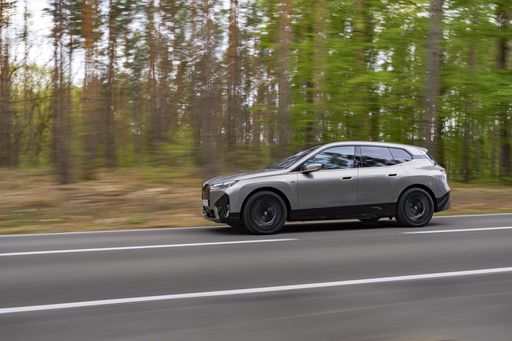
The BMW iX arrives like a tech-rich luxury SUV that refuses to shout, offering a serene yet authoritative road presence that suits both city commutes and long-distance cruising. Inside, its minimalist cabin wraps high-quality materials and clever interfaces around a driver-focused layout, making it feel more like a forward-thinking lounge than just another electric appliance — and yes, it still delivers the dynamic driving character you'd expect from a BMW.

details

Volvo EX60

The Volvo EX60 is a stylish electric SUV that pairs Scandinavian minimalism with a high-quality, comfortable cabin and an intuitive infotainment experience. It delivers a composed, refined ride with advanced safety and driver-assist systems that make daily driving relaxed and confident.

details
BMW iX
Volvo EX60

Costs and Consumption

Price
71,600 - 108,400 £
Price
54,000 - 70,100 £
Consumption L/100km
-
Consumption L/100km
-
Consumption kWh/100km
17.8 - 20.6 kWh/100km
Consumption kWh/100km
14.7 - 16.2 kWh/100km
Electric Range
600 - 701 km
Electric Range
620 - 810 km
Battery Capacity
-
Battery Capacity
-
co2
0 g/km
co2
0 g/km
Fuel tank capacity
-
Fuel tank capacity
-

Dimensions and Body

Body Type
SUV
Body Type
SUV
Seats
5
Seats
5
Doors
-
Doors
-
Curb weight
2,525 - 2,655 kg
Curb weight
2,190 - 2,425 kg
Trunk capacity
500 L
Trunk capacity
523 L
Length
-
Length
-
Width
1,970 mm
Width
1,899 mm
Height
-
Height
-
Max trunk capacity
-
Max trunk capacity
-
Payload
505 - 575 kg
Payload
435 - 460 kg

Engine and Performance

Engine Type
Electric
Engine Type
Electric
Transmission
Automatic
Transmission
Automatic
Transmission Detail
Reduction Gearbox
Transmission Detail
Reduction Gearbox
Drive Type
All-Wheel Drive
Drive Type
Rear-Wheel Drive, All-Wheel Drive
Power HP
408 - 659 HP
Power HP
374 - 680 HP
Acceleration 0-100km/h
3.8 - 5.1 s
Acceleration 0-100km/h
3.9 - 5.9 s
Max Speed
-
Max Speed
-
Torque
700 - 1,015 Nm
Torque
480 - 790 Nm
Number of Cylinders
-
Number of Cylinders
-
Power kW
300 - 485 kW
Power kW
275 - 500 kW
Engine capacity
-
Engine capacity
-

General

Model Year
2025
Model Year
2,026 - 2,027
CO2 Efficiency Class
A
CO2 Efficiency Class
A
Brand
BMW
Brand
Volvo
DriveDuel uses data analysis and artificial intelligence to evaluate vehicle data and create content. Content is regularly reviewed and improved. The displayed prices are estimates based on German list prices, adjusted to the respective country’s VAT. Country-specific registration taxes are not included. This information is not legally binding.