VS

Volvo XC60 vs Volvo EX60 comparison

Compare performance (455 HP vs 680 HP), boot space and price (49,200 £ vs 54,000 £ ) at a glance. Find out which car is the better choice for you – Volvo XC60 or Volvo EX60?

Volvo XC60 vs Volvo EX60: Key differences

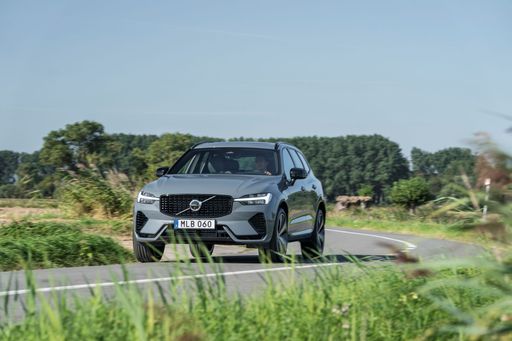
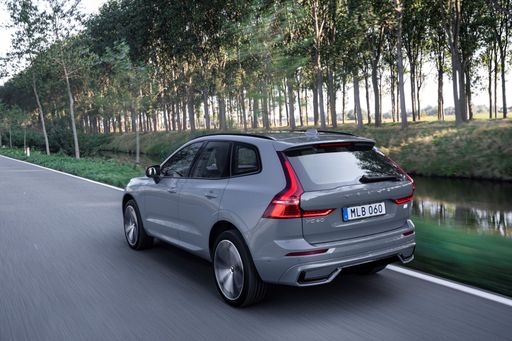
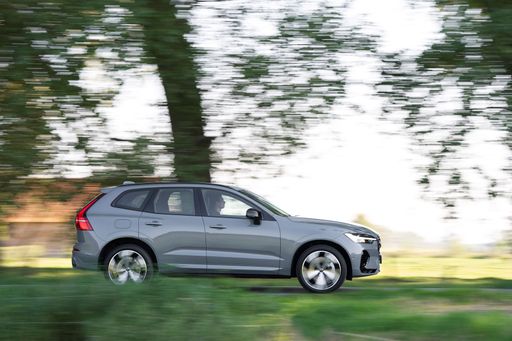
Volvo XC60

4.8 (6 Reviews)
rate
  • only slightly cheaper
  • slightly lighter

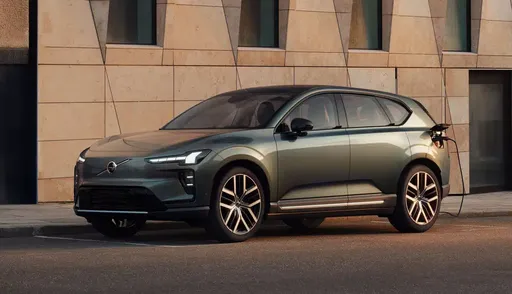
Volvo EX60

  • visibly more power
  • considerably more electric range
  • noticeably quicker 0–100 km/h
  • only slightly more trunk space
XC60

Meet the contenders

Volvo XC60 vs Volvo EX60 — this is a direct comparison of two premium mid-size SUVs that increasingly share showroom space but diverge in philosophy. The Volvo XC60 sits on familiar ground as a comfortable, composed SUV, while the Volvo EX60 arrives as a more overtly electric SUV statement with sharper tech and a different driving personality. If you’re searching for a practical daily companion or a progressive EV with presence, this comparison lays out the contrasts in character, packaging and real-world use. Read on to translate aesthetics and feel into the buyer trade-offs that actually matter when you park in your garage every night.

EX60

Personality: understatement versus declaration

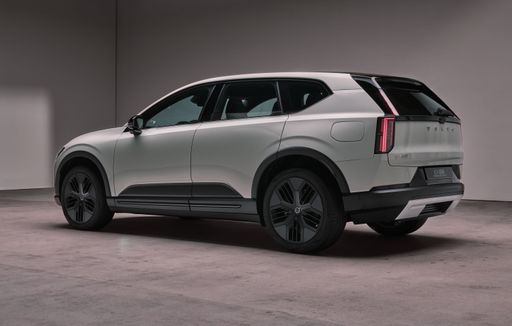
The Volvo XC60 projects calm, Scandinavian restraint — think soft edges, reassuring manners and a focus on comfort rather than flash, while the Volvo EX60 wants to be noticed for its tech-forward, electric-first stance and tauter dynamics. The Volvo XC60 feels like a seasoned companion that smooths out the bumps and invites relaxed driving, whereas the Volvo EX60 feels younger, livelier and more performance-minded when you ask for it. Both wear premium Volvo cues, but the Volvo EX60 sells that premium through screens, acceleration and a cleaner EV narrative, leaving the Volvo XC60 to trade subtlety for everyday ease. Pick the vibe that matches your ego: quiet confidence or a brighter, tech-led statement.

XC60

How they behave in the real world

On the commute, the Volvo XC60 rewards long miles with a settled ride and a cabin designed to hide fatigue, while the Volvo EX60 turns city runs into a quieter, near-silent experience with instant throttle response that makes urban overtakes effortless. The Volvo XC60 still feels slightly more forgiving with luggage and family routines, whereas the Volvo EX60 trades a touch of heft for its electric packaging but gives you simpler, smoother low-speed manners. For motorway trips the Volvo XC60 stays comfortably planted, and the Volvo EX60 offers a relaxed cruise with the bonus of high-tech driver aids that make longer stints less wearing. In short, the Volvo XC60 is the familiar, user-friendly workhorse and the Volvo EX60 is the forward-looking alternative that changes a few daily expectations.

EX60

Buying story: logic, image and what you’ll tell your friends

Choose the Volvo XC60 if your argument is sensible — proven comfort, easy packaging and the kind of finish that reads mature and understated at the school run. Choose the Volvo EX60 if your pitch is future-facing — cutting-edge tech, an EV badge that signals intent, and a sharper on-road persona that feels like progression. The Volvo XC60 lets you justify the purchase in terms of practicality and long-haul comfort, while the Volvo EX60 gives you a story about innovation and reduced running fuss that’s more emotional than purely logical. Both can impress; the difference is whether you want to be admired for sensible taste or for being ahead of the curve.

XC60

Who should be looking at the Volvo XC60

If you prioritise everyday usability and a relaxed driving life, the Volvo XC60 is pitched directly at buyers who prize comfort, straightforward practicality and a cabin that calms the day. The Volvo XC60 suits families who need predictable packaging and commuters who prefer a steady, familiar driving experience over chasing headlines about tech or speed. For anyone who values a composed ride, easy ergonomics and that classic Volvo feel, the Volvo XC60 will feel like a careful, sensible choice that’s hard to regret. It’s the safe, comfortable pick that keeps life simple without shouting for attention.

Who should be tempted by the Volvo EX60

The Volvo EX60 is for people who want their next SUV to be a statement — technologically advanced, breezily quick off the line and clearly electric in purpose and execution, while still offering the practicality you expect from a Volvo. The Volvo EX60 suits drivers who prize innovation and visible modernity, and who are happy to trade a little of the XC60’s old-school softness for sharper, more engaging responses and cleaner running costs. If you’re curious about the future and want to make that point every time you pull up, the Volvo EX60 will feel like the bolder alternative to the Volvo XC60. Dive into the detailed specs and the data below to see how those character choices translate into measurable differences.

Here’s where it gets real: The technical differences in detail

XC60

Costs and Efficiency:

When it comes to price and running costs, the biggest differences usually appear. This is often where you see which car fits your budget better in the long run.

Volvo XC60 is only slightly cheaper – starting at 49,200 £ , while the Volvo EX60 costs 54,000 £ . That’s a price difference of around 4,800 £.

As for electric range, the Volvo EX60 offers considerably more range – reaching up to 810 km, about 728 km more than the Volvo XC60.

EX60

Engine and Performance:

Power, torque and acceleration say a lot about how a car feels on the road. This is where you see which model delivers more driving dynamics.

When it comes to engine power, the Volvo EX60 offers visibly more power – delivering 680 HP compared to 455 HP. That’s roughly 225 HP more horsepower.

When accelerating from 0 to 100 km/h, the Volvo EX60 is noticeably quicker – completing the sprint in 3.9 s, while the Volvo XC60 takes 4.9 s. That’s about 1 s quicker.

There’s also a difference in torque: the Volvo EX60 delivers a bit more torque with 790 Nm compared to 709 Nm. That’s about 81 Nm more.

XC60

Space and Everyday Use:

Cabin size, boot volume and payload all play a role in everyday practicality. Here, comfort and flexibility make the difference.

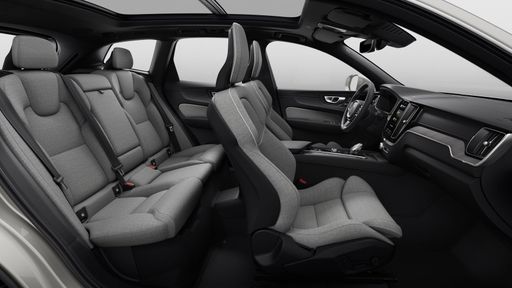
Both vehicles offer seating for 5 people.

In terms of curb weight, Volvo XC60 is slightly lighter – 1,900 kg compared to 2,190 kg. The difference is around 290 kg.

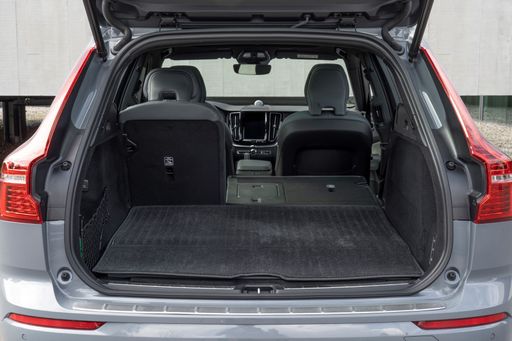
Looking at boot space, the Volvo EX60 offers only slightly more boot space – 523 L compared to 483 L. That’s a difference of about 40 L.

When it comes to payload, the Volvo XC60 carries slightly more – 550 kg compared to 460 kg. That’s a difference of about 90 kg.

Who wins the race in the data check?

The Volvo EX60 is far ahead overall in the objective data comparison.
This result only shows which model scores more points on paper – not which of the two cars feels right for you.

from £54,000
EX60

Volvo EX60

  • Engine Type : Electric
  • Transmission : Automatic
  • Drive Type : Rear-Wheel Drive, All-Wheel Drive
  • Power HP : 374 - 680 HP
  • Consumption kWh/100km : 14.7 - 16.2 kWh/100km
  • Electric Range : 620 - 810 km
Volvo XC60
Volvo EX60

Costs and Consumption

View detailed analysis

Engine and Performance

View detailed analysis

Dimensions and Body

View detailed analysis

Volvo XC60

The Volvo XC60 blends Scandinavian calm with confident presence, offering a cabin that feels plush without shouting for attention. It’s a smart pick for buyers after a composed ride, clever practicality and thoughtful safety touches — it even makes running the family shuttle feel almost serene, which is a small miracle.

details

Volvo EX60

The Volvo EX60 arrives as a sleek, family-friendly electric SUV that blends Scandinavian restraint with a surprising dash of personality, wrapping a calm, premium cabin around practical everyday usability. It’s aimed at buyers who prize safety and comfort but still want a car that rewards an enthusiastic drive, proving that sensible can be quietly fun.

details
Volvo XC60
Volvo EX60

Costs and Consumption

Price
49,200 - 75,100 £
Price
54,000 - 70,100 £
Consumption L/100km
2.8 - 7.5 L/100km
Consumption L/100km
-
Consumption kWh/100km
-
Consumption kWh/100km
14.7 - 16.2 kWh/100km
Electric Range
74 - 82 km
Electric Range
620 - 810 km
Battery Capacity
-
Battery Capacity
-
co2
64 - 169 g/km
co2
0 g/km
Fuel tank capacity
71 L
Fuel tank capacity
-

Dimensions and Body

Body Type
SUV
Body Type
SUV
Seats
5
Seats
5
Doors
5
Doors
-
Curb weight
1,900 - 2,150 kg
Curb weight
2,190 - 2,425 kg
Trunk capacity
468 - 483 L
Trunk capacity
523 L
Length
4,708 mm
Length
-
Width
1,902 mm
Width
1,899 mm
Height
1,655 mm
Height
-
Max trunk capacity
1,543 L
Max trunk capacity
-
Payload
510 - 550 kg
Payload
435 - 460 kg

Engine and Performance

Engine Type
Petrol MHEV, Plugin Hybrid
Engine Type
Electric
Transmission
Automatic
Transmission
Automatic
Transmission Detail
Automatic Gearbox
Transmission Detail
Reduction Gearbox
Drive Type
All-Wheel Drive
Drive Type
Rear-Wheel Drive, All-Wheel Drive
Power HP
250 - 455 HP
Power HP
374 - 680 HP
Acceleration 0-100km/h
4.9 - 6.9 s
Acceleration 0-100km/h
3.9 - 5.9 s
Max Speed
180 km/h
Max Speed
-
Torque
350 - 709 Nm
Torque
480 - 790 Nm
Number of Cylinders
4
Number of Cylinders
-
Power kW
184 - 335 kW
Power kW
275 - 500 kW
Engine capacity
1,969 cm3
Engine capacity
-

General

Model Year
2,025
Model Year
2,026 - 2,027
CO2 Efficiency Class
F, B
CO2 Efficiency Class
A
Brand
Volvo
Brand
Volvo
DriveDuel uses data analysis and artificial intelligence to evaluate vehicle data and create content. Content is regularly reviewed and improved. The displayed prices are estimates based on German list prices, adjusted to the respective country’s VAT. Country-specific registration taxes are not included. This information is not legally binding.