VS

Polestar 3 vs Volvo EX60 comparison

Compare performance (517 HP vs 680 HP), boot space and price (67,400 £ vs 54,000 £ ) at a glance. Find out which car is the better choice for you – Polestar 3 or Volvo EX60?

Polestar 3 vs Volvo EX60: Key differences

Polestar 3

4.9 (1 Reviews)
rate
details

Volvo EX60

  • markedly cheaper
  • markedly more power
  • slightly more efficient
  • a bit more electric range
  • markedly quicker 0–100 km/h
  • a bit lighter
  • very slightly more trunk space
details

By Achim Sedelmaier

3

Head-to-head: Polestar 3 and Volvo EX60 in the electric SUV ring

Polestar 3 and Volvo EX60 go head-to-head in a direct comparison of premium electric SUVs, a matchup that will matter to anyone choosing between Scandinavian style and pragmatic luxury. The phrase Polestar 3 VS Volvo EX60 sums it up: one car leans into a sculpted, performance-minded personality while the other presents a composed, efficiency-first argument. If you’re searching for a clear sense of differences in daily life, design cues and perceived value, this is where to start. We’ll frame the character and real-world trade-offs before you dive into the numbers below.
EX60

Two Nordic characters: tension between statement and subtlety

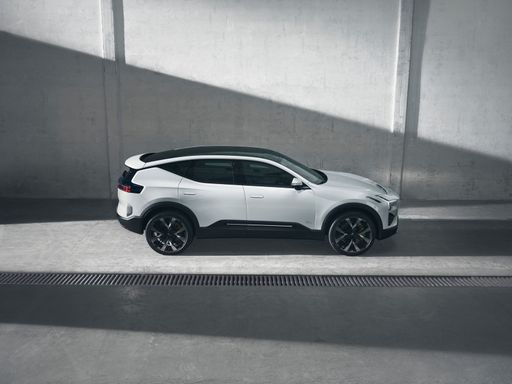
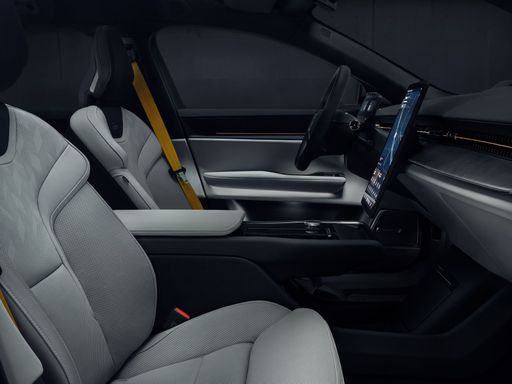
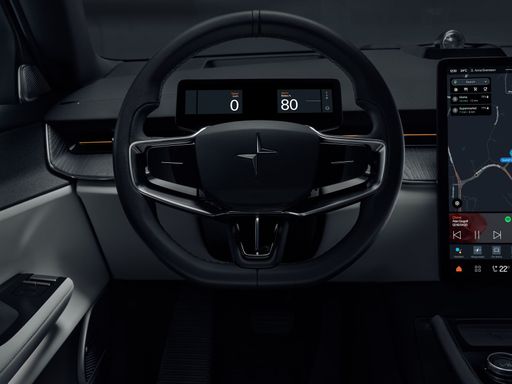
The Polestar 3 feels like a design manifesto — taut lines, a more athletic stance and a cabin that hints at performance with minimalist flair — while the Volvo EX60 reads as a softer, more assured expression of modern luxury. Polestar plays the challenger with a slightly sharper edge; Volvo answers with calm refinement and a sense of grown-up confidence. That contrast matters when you park outside the office, but it also colors how each car behaves on the move: more engaging versus more composed. Both wear Scandinavian DNA, but they use it to different ends.

3

Real-world running: daily commute, family duties and long drives

On the pavement the Polestar 3 tends to feel more planted and driver-oriented, which rewards enthusiastic motorway miles but can feel like overkill for tight urban errands, whereas the Volvo EX60 leans into efficiency and easy usability for everyday life. Cargo and cabin practicality are close, but the EX60 gives a touch more of the sensible packaging that families and regular commuters will appreciate. If you spend lots of time on long trips you’ll notice different trade-offs: one feels sportier, the other easier and less demanding to live with. Both will do the job, but they do it with distinct priorities that show up in daily routines.

EX60

Buying it for pride or for reason: how you’ll justify the choice

Choose the Polestar 3 when you want your EV to say something — about taste, about performance, about being slightly ahead of the mainstream — and you’re happy to trade a bit of efficiency for presence. Opt for the Volvo EX60 when the decision is more about sensible prestige: better efficiency, an easier ownership story and a quieter way to make a premium impression. Both cars let you sleep well at night; one gives you bragging rights, the other gives you a pragmatic nod from the accountant. Your justification will reveal the mindset you're buying into.

3

Who should seriously consider the Polestar 3?

If you’re driven by style and technology, the Polestar 3 is built to reward the Design/Brand and Tech-minded buyer who wants an EV that feels modern and slightly provocative. It’s for drivers who enjoy the act of driving and appreciate a cabin and exterior that stand out without shouting, and who don’t mind paying a premium for that character. Less appealing to bargain hunters and those for whom every mile must be optimised, the Polestar 3 instead sells an image and a driving personality. In short: if you want an electric SUV that feels like an event, this is the one to test-drive first.

Who should seriously consider the Volvo EX60 — and how it compares to the Polestar 3

The Volvo EX60 is the choice for the Rational and Pragmatist buyer who values economy, packaging and a reassuring sense of safety, while still wanting modern design and comfort. Compared with the Polestar 3, the EX60 is the steadier, less showy option that makes everyday ownership easier — a quieter, more efficient argument for anyone who prefers substance over flash. If your priority list starts with sensible running costs and family-friendly usability, Volvo will tick more boxes without sacrificing premium feel. Keep scrolling for the detailed figures to see exactly where those real-world differences land on paper.

Here’s where it gets real: The technical differences in detail

3

Costs and Efficiency:

Looking at overall running costs, both models reveal some interesting differences in everyday economy.

Volvo EX60 is markedly cheaper – starting at 54,000 £ , while the Polestar 3 costs 67,400 £ . That’s a price difference of around 13,371 £.

In terms of energy consumption, the Volvo EX60 is slightly more efficient: consuming 14.7 kWh/100km compared to 17.6 kWh/100km for the Polestar 3. That’s a difference of about 2.9 kWh/100km.

As for electric range, the Volvo EX60 offers a bit more range – reaching up to 810 km, about 104 km more than the Polestar 3.

EX60

Engine and Performance:

Power, torque and acceleration say a lot about how a car feels on the road. This is where you see which model delivers more driving dynamics.

When it comes to engine power, the Volvo EX60 offers markedly more power – delivering 680 HP compared to 517 HP. That’s roughly 163 HP more horsepower.

When accelerating from 0 to 100 km/h, the Volvo EX60 is markedly quicker – completing the sprint in 3.9 s, while the Polestar 3 takes 4.7 s. That’s about 0.8 s quicker.

There’s also a difference in torque: the Polestar 3 delivers slightly more torque with 910 Nm compared to 790 Nm. That’s about 120 Nm more.

3

Space and Everyday Use:

Whether family car or daily driver – which one offers more room, flexibility and comfort?

Both vehicles offer seating for 5 people.

In terms of curb weight, Volvo EX60 is a bit lighter – 2,190 kg compared to 2,575 kg. The difference is around 385 kg.

Looking at boot space, the Volvo EX60 offers very slightly more boot space – 523 L compared to 484 L. That’s a difference of about 39 L.

When it comes to payload, the Polestar 3 carries very slightly more – 496 kg compared to 460 kg. That’s a difference of about 36 kg.

Who wins the race in the data check?

The Volvo EX60 is decisively ahead in the objective data comparison.
This result only shows which model scores more points on paper – not which of the two cars feels right for you.

from £54,000
EX60

Volvo EX60

  • Engine Type : Electric
  • Transmission : Automatic
  • Drive Type : Rear-Wheel Drive, All-Wheel Drive
  • Power HP : 374 - 680 HP
  • Consumption kWh/100km : 14.7 - 16.2 kWh/100km
  • Electric Range : 620 - 810 km
Polestar 3
Volvo EX60

Costs and Consumption

View detailed analysis

Engine and Performance

View detailed analysis

Dimensions and Body

View detailed analysis

Polestar 3

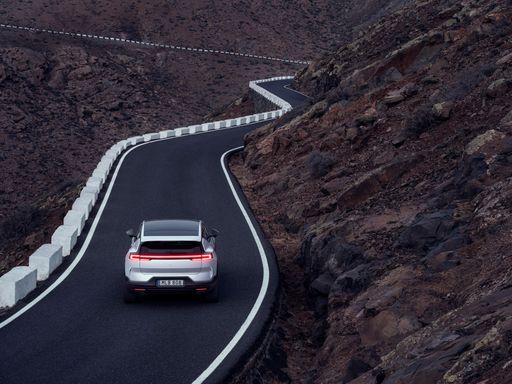
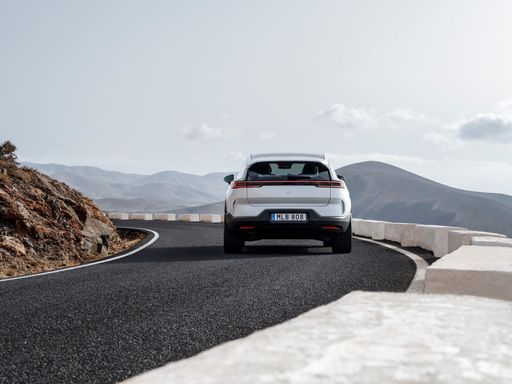
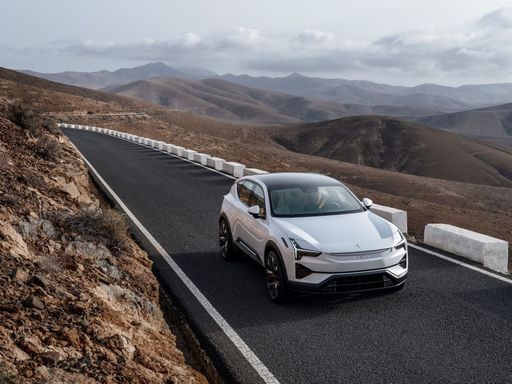
Polestar 3 arrives as a Scandinavian-styled electric SUV that marries minimalist design with a statuesque presence, looking smarter than most in the car park. Inside, the cabin feels airy and thoughtful, with tech and driving manners that lean toward composed comfort rather than outright drama — perfect for buyers who want electric prestige without shouting about it.

details

Volvo EX60

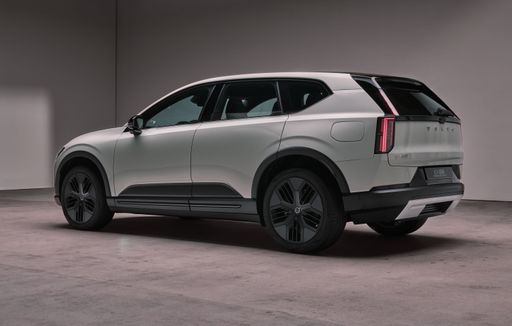
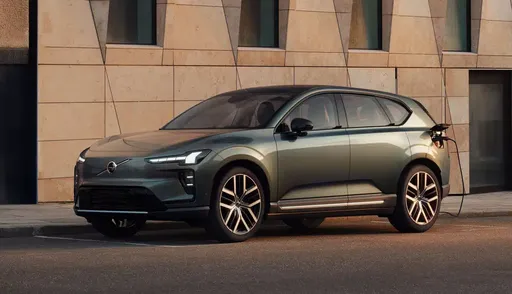
The Volvo EX60 arrives as a sleek, family-friendly electric SUV that blends Scandinavian restraint with a surprising dash of personality, wrapping a calm, premium cabin around practical everyday usability. It’s aimed at buyers who prize safety and comfort but still want a car that rewards an enthusiastic drive, proving that sensible can be quietly fun.

details
Polestar 3
Volvo EX60

Costs and Consumption

Price
67,400 - 79,000 £
Price
54,000 - 70,100 £
Consumption L/100km
-
Consumption L/100km
-
Consumption kWh/100km
17.6 - 21.9 kWh/100km
Consumption kWh/100km
14.7 - 16.2 kWh/100km
Electric Range
567 - 706 km
Electric Range
620 - 810 km
Battery Capacity
107 kWh
Battery Capacity
-
co2
0 g/km
co2
0 g/km
Fuel tank capacity
-
Fuel tank capacity
-

Dimensions and Body

Body Type
SUV
Body Type
SUV
Seats
5
Seats
5
Doors
5
Doors
-
Curb weight
2,575 - 2,584 kg
Curb weight
2,190 - 2,425 kg
Trunk capacity
484 L
Trunk capacity
523 L
Length
4,900 mm
Length
-
Width
1,935 mm
Width
1,899 mm
Height
1,614 - 1,618 mm
Height
-
Max trunk capacity
1,411 L
Max trunk capacity
-
Payload
285 - 496 kg
Payload
435 - 460 kg

Engine and Performance

Engine Type
Electric
Engine Type
Electric
Transmission
Automatic
Transmission
Automatic
Transmission Detail
Reduction Gearbox
Transmission Detail
Reduction Gearbox
Drive Type
All-Wheel Drive, Rear-Wheel Drive
Drive Type
Rear-Wheel Drive, All-Wheel Drive
Power HP
299 - 517 HP
Power HP
374 - 680 HP
Acceleration 0-100km/h
4.7 - 7.8 s
Acceleration 0-100km/h
3.9 - 5.9 s
Max Speed
180 - 210 km/h
Max Speed
-
Torque
490 - 910 Nm
Torque
480 - 790 Nm
Number of Cylinders
-
Number of Cylinders
-
Power kW
220 - 380 kW
Power kW
275 - 500 kW
Engine capacity
-
Engine capacity
-

General

Model Year
2024
Model Year
2,026 - 2,027
CO2 Efficiency Class
A
CO2 Efficiency Class
A
Brand
Polestar
Brand
Volvo
DriveDuel uses data analysis and artificial intelligence to evaluate vehicle data and create content. Content is regularly reviewed and improved. The displayed prices are estimates based on German list prices, adjusted to the respective country’s VAT. Country-specific registration taxes are not included. This information is not legally binding.