VS

Volvo ES90 vs Volvo EX60 comparison

Compare performance (680 HP vs 680 HP), boot space and price (69,900 £ vs 54,000 £ ) at a glance. Find out which car is the better choice for you – Volvo ES90 or Volvo EX60?

Volvo ES90 vs Volvo EX60: Key differences

Volvo ES90

3.9 (3 Reviews)
rate
details

Volvo EX60

  • visibly cheaper
  • a bit more efficient
  • somewhat more electric range
  • only slightly quicker 0–100 km/h
  • slightly lighter
details

All details on performance, efficiency, range and trunk space can be found in the technical comparison below – including user reviews for both models.

By Achim Sedelmaier

ES90

Direct comparison: Volvo ES90 VS Volvo EX60 in one view

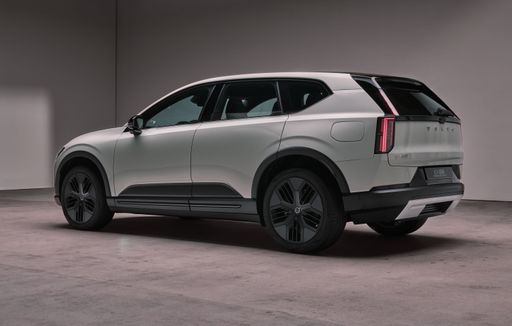
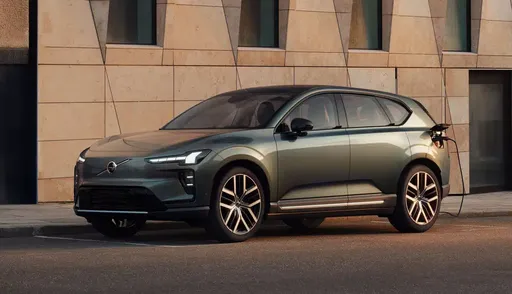
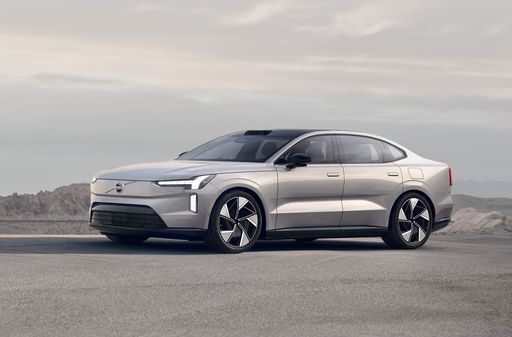
Volvo ES90 VS Volvo EX60 is a matchup between two very different interpretations of a modern Volvo electric car: a serene fastback limousine against a roomy mid‑size SUV. The ES90 presents itself like a premium, hush‑focused cruiser with a hatchback’s practicality, while the EX60 reads as a family‑centric SUV that emphasizes space, safety tech and everyday usability. This page looks beyond spec sheets to show how those choices play out on real roads, in daily routines and over long trips. Read on for the emotional character and the practical trade‑offs that matter to buyers deciding between these two Volvos.
EX60

Character and long‑distance behaviour

The Volvo ES90 feels like a long‑distance specialist: extraordinary interior calm, cushioned suspension and an intent to glide rather than excite, which makes motorway miles vanish. The Volvo EX60 is no noisy SUV either, but it leans into a composed, slightly more upright ride with adaptive damping that soothes uneven roads while preserving a planted feel. Neither car is aimed at sporty drivers — the ES90 sacrifices steering feedback for serenity, and the EX60 accepts some body roll in favour of comfort. Both make long trips easier thanks to very fast charging capability, so the real choice is whether you want limousine‑quiet isolation (ES90) or SUV confidence and space (EX60).

Comfort, cabin feel and perceived quality

Step into the ES90 and the impression is immediately premium: carefully chosen materials, calm Scandinavian minimalism and seats that invite long stints without complaint. The EX60 trades a bit of that salon‑like hush for a brighter, more utilitarian cabin that still feels upmarket and adds practical touches like a flatter rear floor and more ergonomic controls. The ES90’s pared‑back, screen‑led interface enhances the minimalist look but can frustrate people who miss physical shortcuts, whereas the EX60 gives you a modern infotainment stack plus some tactile controls for common functions. Rear occupants feel the difference too: ES90 offers impressive legroom but a higher floor, while EX60’s flat rear floor is simply more hospitable for three or taller passengers.

Practicality and daily‑use usability

Practical differences are where the matchup gets concrete: the ES90’s hatchback mouth makes loading awkward or longer items easier despite an overall boot that reviewers find smaller than expected for its class. The EX60 behaves like an SUV should — easier to load, more intuitive storage solutions and the likelihood of a usable frunk depending on spec, which helps daily errands and family kit. In town both cars can feel large: the ES90’s rear visibility can be compromised by its fastback shape, while the EX60’s broader stance and rising window line mean you’ll be leaning on cameras and sensors in tight spots. If you prioritise cargo ergonomics and second‑row friendliness, the EX60 has the edge; if you value elegant loading and limousine posture for two up front and occasional rear passengers, the ES90 will appeal.

Technology, safety and everyday smart features

Both cars bring Volvo’s current tech thinking, but they use it differently. The EX60 presents the newer, more overtly connected kit with voice assistant integration and a safety package that includes novel restraint tech and generous driver aids as standard, making it feel like a plugged‑in family tool from day one. The ES90 matches many connectivity plusses but keeps the interior atmosphere quieter and more luxurious, at the cost of shifting lots of everyday adjustments into menus. Software maturity and real‑world efficiency figures are still settling in — early adopters of the EX60 may encounter evolving updates, while ES90 ownership already points to a proven quietness and charging behaviour that many long‑distance commuters praise.

Who should choose which — trade‑offs and buyer fit

Choose the Volvo ES90 if your priority is a fundamentally serene, premium cabin and you want a fastback limousine that reads as executive rather than SUV, especially if long motorway cruises and top‑tier interior materials matter most. Opt for the Volvo EX60 if you need a genuinely family‑friendly rear area, a flatter floor for taller passengers, more obvious day‑to‑day practicality and a stronger baseline of safety and connectivity features for the money. Both are comfort‑biased Volvos that deprioritise sharp handling, so your decision will hinge on whether you value pure serenity and hatchback style (ES90) or space, perceived value and family utility (EX60). Below you’ll find the technical comparison to translate these real‑world differences into the figures that confirm those trade‑offs.

Here’s where it gets real: The technical differences in detail

ES90

Costs and Efficiency:

Looking at overall running costs, both models reveal some interesting differences in everyday economy.

Volvo EX60 is visibly cheaper – starting at 54,000 £ , while the Volvo ES90 costs 69,900 £ . That’s a price difference of around 15,943 £.

In terms of energy consumption, the Volvo EX60 is a bit more efficient: consuming 14.7 kWh/100km compared to 16.6 kWh/100km for the Volvo ES90. That’s a difference of about 1.9 kWh/100km.

As for electric range, the Volvo EX60 offers somewhat more range – reaching up to 810 km, about 104 km more than the Volvo ES90.

EX60

Engine and Performance:

Power, torque and acceleration are the classic benchmarks for car enthusiasts – and here, some clear differences start to show.

Both models deliver identical power – 680 HP each.

When accelerating from 0 to 100 km/h, the Volvo EX60 is only slightly quicker – completing the sprint in 3.9 s, while the Volvo ES90 takes 4 s. That’s about 0.1 s quicker.

There’s also a difference in torque: the Volvo ES90 delivers barely more torque with 870 Nm compared to 790 Nm. That’s about 80 Nm more.

Space and Everyday Use:

Whether family car or daily driver – which one offers more room, flexibility and comfort?

Both vehicles offer seating for 5 people.

In terms of curb weight, Volvo EX60 is slightly lighter – 2,190 kg compared to 2,610 kg. The difference is around 420 kg.

Maximum payload is identical – both can carry up to 460 kg.

Who wins the race in the data check?

The Volvo EX60 is far ahead overall in the objective data comparison.
This result only shows which model scores more points on paper – not which of the two cars feels right for you.

from £54,000
EX60

Volvo EX60

  • Engine Type : Electric
  • Transmission : Automatic
  • Drive Type : Rear-Wheel Drive, All-Wheel Drive
  • Power HP : 374 - 680 HP
  • Consumption kWh/100km : 14.7 - 16.2 kWh/100km
  • Electric Range : 620 - 810 km
Volvo ES90
Volvo EX60

Costs and Consumption

View detailed analysis

Engine and Performance

View detailed analysis

Dimensions and Body

View detailed analysis

Volvo ES90

The Volvo ES90 stands out as a luxury sedan, embodying Scandinavian elegance combined with innovative technology. Its sleek design is complemented by a plush interior that emphasizes comfort and safety, aligning with Volvo's renowned reputation. With advanced features and a focus on sustainability, the ES90 is a testament to the brand's commitment to responsible luxury.

details

Volvo EX60

The Volvo EX60 arrives as a sleek, family-friendly electric SUV that blends Scandinavian restraint with a surprising dash of personality, wrapping a calm, premium cabin around practical everyday usability. It’s aimed at buyers who prize safety and comfort but still want a car that rewards an enthusiastic drive, proving that sensible can be quietly fun.

details
Volvo ES90
Volvo EX60

Costs and Consumption

Price
69,900 - 74,600 £
Price
54,000 - 70,100 £
Consumption L/100km
-
Consumption L/100km
-
Consumption kWh/100km
16.6 kWh/100km
Consumption kWh/100km
14.7 - 16.2 kWh/100km
Electric Range
706 km
Electric Range
620 - 810 km
Battery Capacity
-
Battery Capacity
-
co2
0 g/km
co2
0 g/km
Fuel tank capacity
-
Fuel tank capacity
-

Dimensions and Body

Body Type
Hatchback
Body Type
SUV
Seats
5
Seats
5
Doors
-
Doors
-
Curb weight
2,610 kg
Curb weight
2,190 - 2,425 kg
Trunk capacity
-
Trunk capacity
523 L
Length
-
Length
-
Width
1,942 mm
Width
1,899 mm
Height
-
Height
-
Max trunk capacity
-
Max trunk capacity
-
Payload
460 kg
Payload
435 - 460 kg

Engine and Performance

Engine Type
Electric
Engine Type
Electric
Transmission
Automatic
Transmission
Automatic
Transmission Detail
Reduction Gearbox
Transmission Detail
Reduction Gearbox
Drive Type
All-Wheel Drive
Drive Type
Rear-Wheel Drive, All-Wheel Drive
Power HP
456 - 680 HP
Power HP
374 - 680 HP
Acceleration 0-100km/h
4 - 5.4 s
Acceleration 0-100km/h
3.9 - 5.9 s
Max Speed
-
Max Speed
-
Torque
670 - 870 Nm
Torque
480 - 790 Nm
Number of Cylinders
-
Number of Cylinders
-
Power kW
335 - 500 kW
Power kW
275 - 500 kW
Engine capacity
-
Engine capacity
-

General

Model Year
2026
Model Year
2,026 - 2,027
CO2 Efficiency Class
A
CO2 Efficiency Class
A
Brand
Volvo
Brand
Volvo
DriveDuel uses data analysis and artificial intelligence to evaluate vehicle data and create content. Content is regularly reviewed and improved. The displayed prices are estimates based on German list prices, adjusted to the respective country’s VAT. Country-specific registration taxes are not included. This information is not legally binding.