VS

ZEEKR 7X vs Volvo EX60 comparison

Compare performance (646 HP vs 680 HP), boot space and price (45,400 £ vs 54,000 £ ) at a glance. Find out which car is the better choice for you – ZEEKR 7X or Volvo EX60?

ZEEKR 7X vs Volvo EX60: Key differences

ZEEKR 7X

5 (3 Reviews)
rate
  • somewhat cheaper
  • only slightly quicker 0–100 km/h
  • very slightly more trunk space
details

Volvo EX60

  • very slightly more power
  • clearly more efficient
  • visibly more electric range
  • barely lighter
details

All details on performance, efficiency, range and trunk space can be found in the technical comparison below – including user reviews for both models.

By Achim Sedelmaier

7X

Head-to-head: ZEEKR 7X VS Volvo EX60 — an electric SUV comparison

ZEEKR 7X VS Volvo EX60 sets up two distinct takes on the modern electric SUV, so this comparison is about personality as much as performance. The ZEEKR 7X and the Volvo EX60 share an electric drivetrain but present very different propositions to buyers who care about image, comfort and everyday usability. If you’re searching for an electric SUV comparison that cuts past badges to what you actually live with, this duel is for you. Read on and you’ll get a clear sense of how each car will slot into your life and routines.
EX60

Attitude on the road: bold flair vs Scandinavian poise

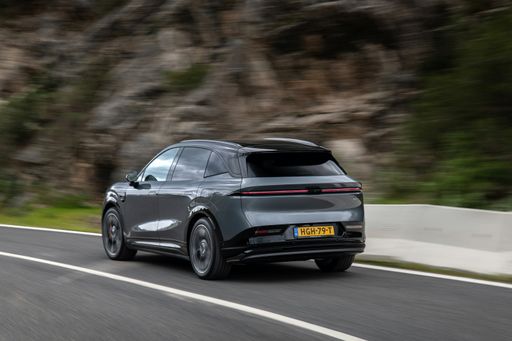
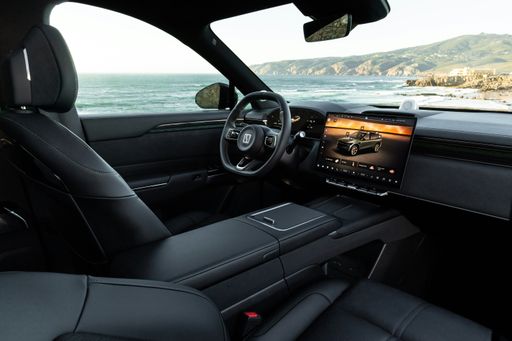
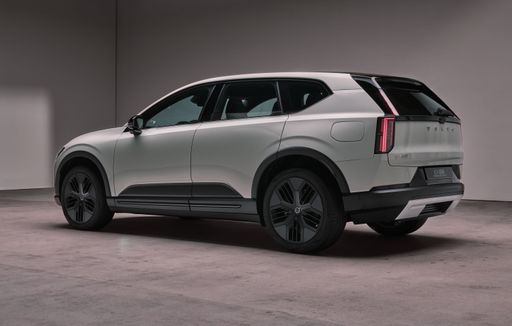
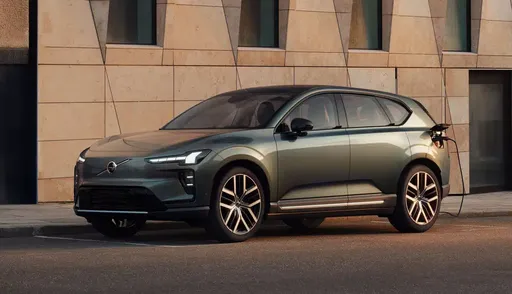
The ZEEKR 7X arrives with a brash, modern attitude — it wants to be noticed and tends to reward enthusiastic drivers with crisp responses. The Volvo EX60, by contrast, trades overt drama for calm, Scandinavian poise and a more restrained presence that feels premium without shouting. Inside, the ZEEKR 7X leans into high-tech graphics and a younger aesthetic, while the Volvo EX60 focuses on tactile surfaces and a sense of measured quality. That contrast gives each car a clear voice: the ZEEKR plays expressive, the Volvo plays confident and composed.

7X

Daily life: city agility and weekend cargo vs long-haul serenity

In everyday use the ZEEKR 7X comes across as the more flexible urban companion — easy to live with, adaptable for errands and weekend kit, and generally forgiving in day-to-day juggling. The Volvo EX60 feels tailored to the long run, offering a quieter cabin and a sense of economy that makes motorway miles less tiring. For tight city parking and school runs the ZEEKR 7X often feels more nimble and practical, while the Volvo EX60 rewards regular long trips and buyers who prioritise low-stress distance driving. Both suit families and commuters, but they tilt the balance in different directions of use.

EX60

Why you’d justify choosing one over the other

People pick the ZEEKR 7X when they want a car that makes a visible statement — it’s a convincing blend of tech-forward features and outright presence that feels like a modern purchase. The Volvo EX60 appeals when the purchase is framed as sensible luxury: understated, safe, and comfort-oriented in a way that ages well. Choosing the ZEEKR 7X reads as dynamic and slightly rebellious; choosing the Volvo EX60 reads as deliberate and statusably conservative. Each choice is an argument about what you value most in daily driving and personal image.

7X

Who should seriously consider the ZEEKR 7X

The ZEEKR 7X suits buyers who care about modern looks, engaging on-road manners and a strong tech impression — urban trendsetters and early adopters will feel at home. It’s a natural pick for people who want a roomy boot and flexible cabin without sacrificing a bit of sporty feel for their commute. Practical enough for family life yet distinct in personality, the ZEEKR 7X is aimed at drivers who want a blend of style and usable everyday capability. If you like to be noticed and value clear modernity, this is the one to spend more time with.

Who should seriously consider the Volvo EX60 (and how the ZEEKR 7X compares)

The Volvo EX60 targets buyers who put calm comfort, refined materials and reassurance high on the list — think long-distance commuters and parents who prefer measured decisions. Its cabin feel and composed ride make it easy to forget the miles, which will suit frequent motorway users and those who prioritise peace of mind. That doesn’t mean the ZEEKR 7X can’t do family duty, but the EX60 is the quieter, more conservative companion for everyday life. Dive into the data below to see which trade-offs — practicality, perceived quality or expressive presence — matter most to you.

Here’s where it gets real: The technical differences in detail

7X

Costs and Efficiency:

When it comes to price and running costs, the biggest differences usually appear. This is often where you see which car fits your budget better in the long run.

ZEEKR 7X is somewhat cheaper – starting at 45,400 £ , while the Volvo EX60 costs 54,000 £ . That’s a price difference of around 8,571 £.

In terms of energy consumption, the Volvo EX60 is clearly more efficient: consuming 14.7 kWh/100km compared to 17.7 kWh/100km for the ZEEKR 7X. That’s a difference of about 3 kWh/100km.

As for electric range, the Volvo EX60 offers visibly more range – reaching up to 810 km, about 195 km more than the ZEEKR 7X.

EX60

Engine and Performance:

Power, torque and acceleration are the classic benchmarks for car enthusiasts – and here, some clear differences start to show.

When it comes to engine power, the Volvo EX60 offers very slightly more power – delivering 680 HP compared to 646 HP. That’s roughly 34 HP more horsepower.

When accelerating from 0 to 100 km/h, the ZEEKR 7X is only slightly quicker – completing the sprint in 3.8 s, while the Volvo EX60 takes 3.9 s. That’s about 0.1 s quicker.

There’s also a difference in torque: the Volvo EX60 delivers a bit more torque with 790 Nm compared to 710 Nm. That’s about 80 Nm more.

7X

Space and Everyday Use:

Cabin size, boot volume and payload all play a role in everyday practicality. Here, comfort and flexibility make the difference.

Both vehicles offer seating for 5 people.

In terms of curb weight, Volvo EX60 is barely lighter – 2,190 kg compared to 2,395 kg. The difference is around 205 kg.

Looking at boot space, the ZEEKR 7X offers very slightly more boot space – 539 L compared to 523 L. That’s a difference of about 16 L.

When it comes to payload, the ZEEKR 7X carries only slightly more – 485 kg compared to 460 kg. That’s a difference of about 25 kg.

Who wins the race in the data check?

The Volvo EX60 holds a solid overall lead in the objective data comparison.
This result only shows which model scores more points on paper – not which of the two cars feels right for you.

from £54,000
EX60

Volvo EX60

  • Engine Type : Electric
  • Transmission : Automatic
  • Drive Type : Rear-Wheel Drive, All-Wheel Drive
  • Power HP : 374 - 680 HP
  • Consumption kWh/100km : 14.7 - 16.2 kWh/100km
  • Electric Range : 620 - 810 km
ZEEKR 7X
Volvo EX60

Costs and Consumption

View detailed analysis

Engine and Performance

View detailed analysis

Dimensions and Body

View detailed analysis

ZEEKR 7X

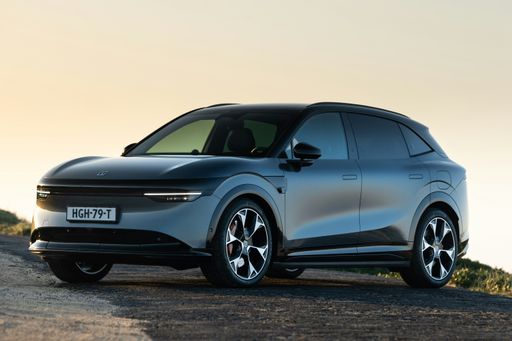
The ZEEKR 7X is a striking entry into the electric vehicle market, blending sleek aesthetics with a promise of cutting-edge technology. Its design exudes modern luxury while offering advanced features tailored for tech-savvy drivers. Positioned as a competitor in the premium electric segment, the 7X aims to deliver a dynamic driving experience alongside eco-friendly credentials.

details

Volvo EX60

The Volvo EX60 arrives as a sleek, family-friendly electric SUV that blends Scandinavian restraint with a surprising dash of personality, wrapping a calm, premium cabin around practical everyday usability. It’s aimed at buyers who prize safety and comfort but still want a car that rewards an enthusiastic drive, proving that sensible can be quietly fun.

details
ZEEKR 7X
Volvo EX60

Costs and Consumption

Price
45,400 - 54,000 £
Price
54,000 - 70,100 £
Consumption L/100km
-
Consumption L/100km
-
Consumption kWh/100km
17.7 - 19.9 kWh/100km
Consumption kWh/100km
14.7 - 16.2 kWh/100km
Electric Range
480 - 615 km
Electric Range
620 - 810 km
Battery Capacity
-
Battery Capacity
-
co2
0 g/km
co2
0 g/km
Fuel tank capacity
-
Fuel tank capacity
-

Dimensions and Body

Body Type
SUV
Body Type
SUV
Seats
5
Seats
5
Doors
5
Doors
-
Curb weight
2,395 - 2,535 kg
Curb weight
2,190 - 2,425 kg
Trunk capacity
539 L
Trunk capacity
523 L
Length
4,787 mm
Length
-
Width
1,930 mm
Width
1,899 mm
Height
1,650 mm
Height
-
Max trunk capacity
-
Max trunk capacity
-
Payload
455 - 485 kg
Payload
435 - 460 kg

Engine and Performance

Engine Type
Electric
Engine Type
Electric
Transmission
Automatic
Transmission
Automatic
Transmission Detail
Reduction Gearbox
Transmission Detail
Reduction Gearbox
Drive Type
Rear-Wheel Drive, All-Wheel Drive
Drive Type
Rear-Wheel Drive, All-Wheel Drive
Power HP
421 - 646 HP
Power HP
374 - 680 HP
Acceleration 0-100km/h
3.8 - 6 s
Acceleration 0-100km/h
3.9 - 5.9 s
Max Speed
210 km/h
Max Speed
-
Torque
440 - 710 Nm
Torque
480 - 790 Nm
Number of Cylinders
-
Number of Cylinders
-
Power kW
310 - 475 kW
Power kW
275 - 500 kW
Engine capacity
-
Engine capacity
-

General

Model Year
2025
Model Year
2,026 - 2,027
CO2 Efficiency Class
A
CO2 Efficiency Class
A
Brand
ZEEKR
Brand
Volvo
DriveDuel uses data analysis and artificial intelligence to evaluate vehicle data and create content. Content is regularly reviewed and improved. The displayed prices are estimates based on German list prices, adjusted to the respective country’s VAT. Country-specific registration taxes are not included. This information is not legally binding.