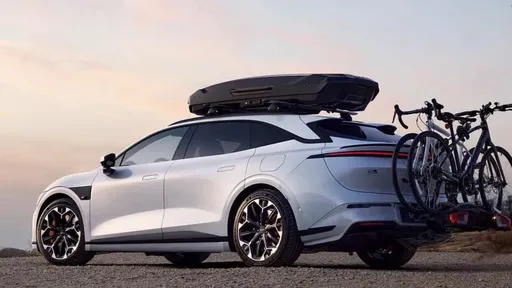
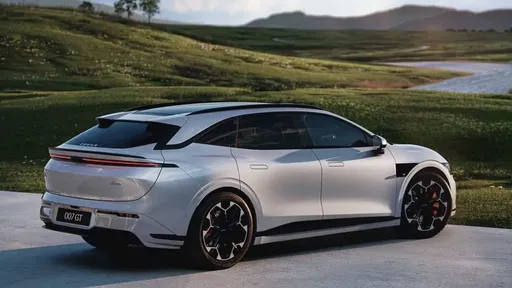
VS

ZEEKR 7X vs ZEEKR 7GT comparison

Compare performance (646 HP vs 646 HP), boot space and price (45,400 £ vs 39,400 £ ) at a glance. Find out which car is the better choice for you – ZEEKR 7X or ZEEKR 7GT?

ZEEKR 7X vs ZEEKR 7GT: Key differences

ZEEKR 7X

5 (3 Reviews)
rate
  • a bit more trunk space

ZEEKR 7GT

  • slightly cheaper
  • very slightly more efficient
  • marginally more electric range
  • a bit quicker 0–100 km/h
  • only slightly lighter

All details on performance, efficiency, range and trunk space can be found in the technical comparison below – including user reviews for both models.

7X

ZEEKR 7X VS ZEEKR 7GT: a direct comparison of two electric fastbacks

If you landed here to compare the ZEEKR 7X and the ZEEKR 7GT, you’re in the right place — this head-to-head looks at two closely related electric fastbacks with different attitudes. This comparison frames how the ZEEKR 7X and ZEEKR 7GT feel in daily life rather than ammunition for a spec war, so expect emphasis on comfort, character and usability. Search engines and shoppers alike will find this a focused comparison and quick guide to which car leans family-friendly and which leans driver-focused. If you want the short version up front: these are siblings with different personalities, and which one fits you depends more on priorities than badges.

7GT

Two moods, not two clones

The ZEEKR 7GT plays the part of the sharper, more athletic sibling while the ZEEKR 7X reads as the more relaxed, practical alternative, and that contrast is what shapes every decision. The 7GT’s cabin and stance give a more focused, taut impression; the 7X trades some of that edge for a calmer, roomier feel. Think of the 7GT as the one that wants a corner to bite into and the 7X as the one that wants to swallow motorway miles with a smile. Both feel modern and well-put-together, but their personalities point buyers toward very different day-to-day expectations.

7X

How they behave in real life

For everyday use the ZEEKR 7X tilts toward practicality — easier luggage loading, a forgiving ride and an interior tuned for relaxed commuting and family trips — while the ZEEKR 7GT favours tighter responses and a slightly more composed high-speed demeanor. City life exposes those differences: the 7X’s usability and storage matter on supermarket runs and school runs, whereas the 7GT’s sharper manners reward longer runs and those who cover a lot of motorway miles. In tight urban corners both remain manageable, but buyers will notice which car masks the bumps and which one contacts the road with purpose. In short, one is the everyday workhorse, the other is the more alert companion for those who like driving to feel like an event.

7GT

Buying it for image, comfort or logic?

Choose the ZEEKR 7GT if you want to project something a little sportier and enjoy a car that responds crisply when provoked; the 7GT makes a statement without shouting. Pick the ZEEKR 7X if your story needs to be about sensible comfort and space rather than sporty intent — it’s the subtler, more family-oriented choice. Both cars convey modernity and tech-savvy design, but the 7GT reads as the more extroverted option while the 7X feels like measured competence. That difference is exactly the kind of personal justification buyers use when convincing themselves (and their partners) that this is the right purchase.

7X

Who should seriously consider the ZEEKR 7X?

If your life revolves around school runs, luggage-hauling and low-stress daily commuting the ZEEKR 7X is built for that rhythm: roomy enough for everyday chores and tuned for comfort rather than theatrics. Practical buyers who prioritise usability and a composed ride will like what the 7X delivers, and it suits people who prefer their car to be useful first and showy second. The 7GT is still in the conversation for those buyers, but the 7X’s temperament will feel more sensible on a regular basis. In short, if convenience and calm are high on your checklist, the 7X earns a long look.

7GT

Who will pick the ZEEKR 7GT — and what that says about the 7X

The ZEEKR 7GT appeals to buyers who want a sharper driving feel and a bit more on-road presence, so it’s a natural fit for people who prioritise engagement and style in equal measure. Image-conscious buyers who want the visual and dynamic cues of a sportier model will be drawn to the 7GT, while tech-forward drivers who enjoy a more taut setup will enjoy the feedback it delivers. That doesn’t rule out the ZEEKR 7X, which remains the better pick for those who put everyday practicality and ride comfort at the top of the list. Keep reading for the detailed numbers and trade-offs to see how these impressions translate into the hard data below.

Here’s where it gets real: The technical differences in detail

7X

Costs and Efficiency:

When it comes to price and running costs, the biggest differences usually appear. This is often where you see which car fits your budget better in the long run.

ZEEKR 7GT is slightly cheaper – starting at 39,400 £ , while the ZEEKR 7X costs 45,400 £ . That’s a price difference of around 6,000 £.

In terms of energy consumption, the ZEEKR 7GT is very slightly more efficient: consuming 16.6 kWh/100km compared to 17.7 kWh/100km for the ZEEKR 7X. That’s a difference of about 1.1 kWh/100km.

As for electric range, the ZEEKR 7GT offers marginally more range – reaching up to 655 km, about 40 km more than the ZEEKR 7X.

7GT

Engine and Performance:

Power, torque and acceleration are the classic benchmarks for car enthusiasts – and here, some clear differences start to show.

Both models deliver identical power – 646 HP each.

When accelerating from 0 to 100 km/h, the ZEEKR 7GT is a bit quicker – completing the sprint in 3.3 s, while the ZEEKR 7X takes 3.8 s. That’s about 0.5 s quicker.

Both models offer the same torque – 710 Nm.

7X

Space and Everyday Use:

Beyond pure performance, interior space and usability matter most in daily life. This is where you see which car is more practical and versatile.

Both vehicles offer seating for 5 people.

In terms of curb weight, ZEEKR 7GT is only slightly lighter – 2,265 kg compared to 2,395 kg. The difference is around 130 kg.

Looking at boot space, the ZEEKR 7X offers a bit more boot space – 539 L compared to 456 L. That’s a difference of about 83 L.

Who wins the race in the data check?

The ZEEKR 7GT holds a narrow overall lead in the objective data comparison.
This result only shows which model scores more points on paper – not which of the two cars feels right for you.

from £39,400
7GT

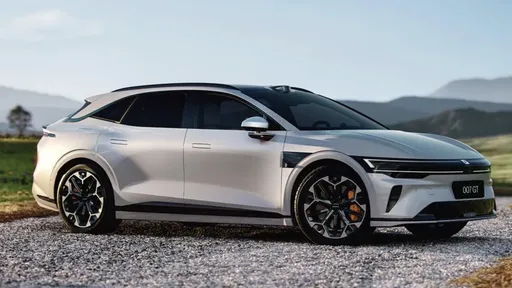
ZEEKR 7GT

  • Engine Type : Electric
  • Transmission : Automatic
  • Drive Type : Rear-Wheel Drive, All-Wheel Drive
  • Power HP : 421 - 646 HP
  • Consumption kWh/100km : 16.6 - 19.8 kWh/100km
  • Electric Range : 519 - 655 km
ZEEKR 7X
ZEEKR 7GT

Costs and Consumption

View detailed analysis

Engine and Performance

View detailed analysis

Dimensions and Body

View detailed analysis

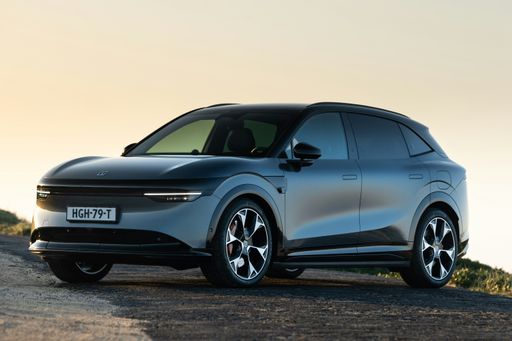
ZEEKR 7X

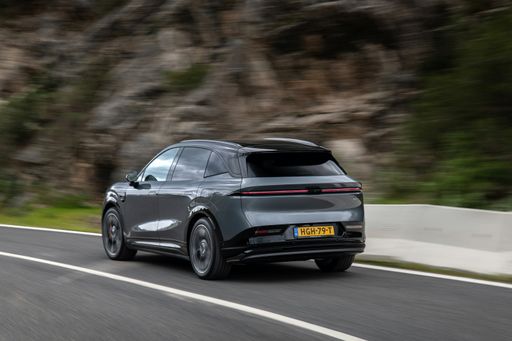
The ZEEKR 7X is a striking entry into the electric vehicle market, blending sleek aesthetics with a promise of cutting-edge technology. Its design exudes modern luxury while offering advanced features tailored for tech-savvy drivers. Positioned as a competitor in the premium electric segment, the 7X aims to deliver a dynamic driving experience alongside eco-friendly credentials.

details

ZEEKR 7GT

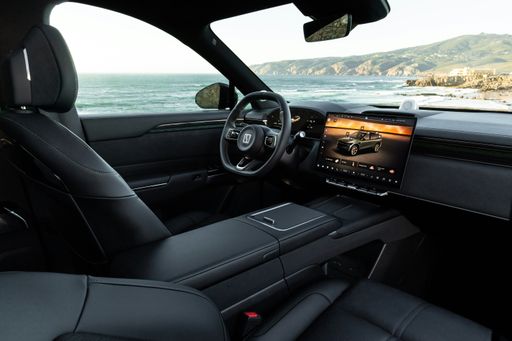
The Zeekr 7 GT stakes its claim as a smartly styled, quietly confident grand tourer that mixes comfort with a sporty edge to keep daily drives interesting. Inside it feels more grown-up EV than gadget toy, offering a polished cabin and driver-focused flair that will appeal to buyers who want presence without pretension.

details
ZEEKR 7X
ZEEKR 7GT

Costs and Consumption

Price
45,400 - 54,000 £
Price
39,400 - 49,300 £
Consumption L/100km
-
Consumption L/100km
-
Consumption kWh/100km
17.7 - 19.9 kWh/100km
Consumption kWh/100km
16.6 - 19.8 kWh/100km
Electric Range
480 - 615 km
Electric Range
519 - 655 km
Battery Capacity
-
Battery Capacity
-
co2
0 g/km
co2
0 g/km
Fuel tank capacity
-
Fuel tank capacity
-

Dimensions and Body

Body Type
SUV
Body Type
Estate
Seats
5
Seats
5
Doors
5
Doors
-
Curb weight
2,395 - 2,535 kg
Curb weight
2,265 - 2,405 kg
Trunk capacity
539 L
Trunk capacity
456 L
Length
4,787 mm
Length
-
Width
1,930 mm
Width
1,910 mm
Height
1,650 mm
Height
-
Max trunk capacity
-
Max trunk capacity
-
Payload
455 - 485 kg
Payload
-

Engine and Performance

Engine Type
Electric
Engine Type
Electric
Transmission
Automatic
Transmission
Automatic
Transmission Detail
Reduction Gearbox
Transmission Detail
Reduction Gearbox
Drive Type
Rear-Wheel Drive, All-Wheel Drive
Drive Type
Rear-Wheel Drive, All-Wheel Drive
Power HP
421 - 646 HP
Power HP
421 - 646 HP
Acceleration 0-100km/h
3.8 - 6 s
Acceleration 0-100km/h
3.3 - 5.3 s
Max Speed
210 km/h
Max Speed
-
Torque
440 - 710 Nm
Torque
440 - 710 Nm
Number of Cylinders
-
Number of Cylinders
-
Power kW
310 - 475 kW
Power kW
310 - 475 kW
Engine capacity
-
Engine capacity
-

General

Model Year
2,025
Model Year
2,026
CO2 Efficiency Class
A
CO2 Efficiency Class
A
Brand
ZEEKR
Brand
ZEEKR
DriveDuel uses data analysis and artificial intelligence to evaluate vehicle data and create content. Content is regularly reviewed and improved. The displayed prices are estimates based on German list prices, adjusted to the respective country’s VAT. Country-specific registration taxes are not included. This information is not legally binding.