VS

XPeng G6 vs ZEEKR 7X comparison

Compare performance (487 HP vs 646 HP), boot space and price (37,400 £ vs 45,400 £ ) at a glance. Find out which car is the better choice for you – XPeng G6 or ZEEKR 7X?

XPeng G6 vs ZEEKR 7X: Key differences

XPeng G6

4.7 (6 Reviews)
rate
  • markedly cheaper
  • barely more efficient
  • somewhat lighter
  • only slightly more trunk space
details

ZEEKR 7X

4.9 (8 Reviews)
rate
  • noticeably more power
  • a bit more electric range
  • very slightly quicker 0–100 km/h
details

All details on performance, efficiency, range and trunk space can be found in the technical comparison below – including user reviews for both models.

By Achim Sedelmaier

G6

XPeng G6 vs ZEEKR 7X: which electric SUV suits your life?

The XPeng G6 and ZEEKR 7X go after the same family-sized EV sweet spot but feel quite different in daily use. The XPeng plays the value-and-tech card, keenly priced and stacked with kit, while the Zeekr leans into premium ambience and big-distance ease. On the road, the G6 feels lighter and more straightforward, the 7X more substantial and serene. This XPeng G6 VS ZEEKR 7X comparison focuses on how those traits translate into comfort, usability and buyer fit, not just spec-sheet bragging rights.
7X

Cabin feel and controls

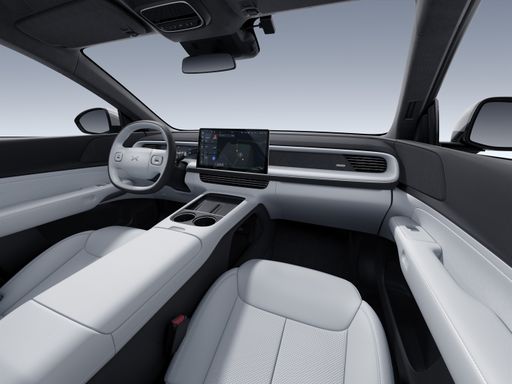
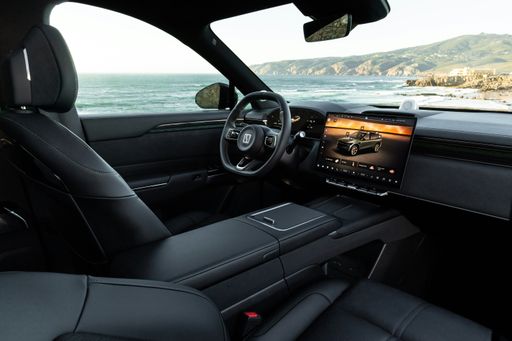
The XPeng G6 cabin is clean and modern, with solid materials and a pragmatic vibe that prioritises space and features over flourish. Its touchscreen-centric setup keeps the dash tidy but buries several everyday functions in menus, which can frustrate tactile-control fans. The ZEEKR 7X counters with a richer mix of materials and a calmer, almost lounge-like ambience that feels a class up, though it also relies heavily on the central screen and a fussy haptic bar at night. In short, XPeng feels practical and tech-forward, ZEEKR feels premium and restful—choose between functional minimalism and plush polish.

G6

Comfort and long‑distance behaviour

The G6 rides firmly, especially over patchy city streets, but settles into a quiet, composed groove at motorway pace. Its standout trick is very rapid DC charging, shrinking stop times and keeping journeys moving even when efficiency isn’t perfect. The ZEEKR 7X majors on comfort, isolating bumps better and staying impressively hushed, and it pairs that with equally swift rapid-charging and slick route planning; faster onboard AC charging also helps if you rely on public posts. If you crave a softer, more cosseting long-hauler, the 7X has the edge; if you want highly competitive charging speed in a more budget-friendly package, the G6 hits the brief.

7X

Performance and road manners

The XPeng G6 is brisk and easygoing, but its steering and chassis tune prioritise stability over driver feedback, so it rarely feels playful. The ZEEKR 7X is the quicker, more forceful straight-line machine, yet its heavier build and comfort focus mean it flows rather than dances on a back road. Both are confident and composed; they just speak different languages—XPeng is calm and predictable, Zeekr is muscular and unruffled. Buyers who enjoy a whisper-quiet surge will warm to the 7X, while those who prefer a lighter-feeling SUV that’s effortless to place may prefer the G6.

City friendliness and everyday ease

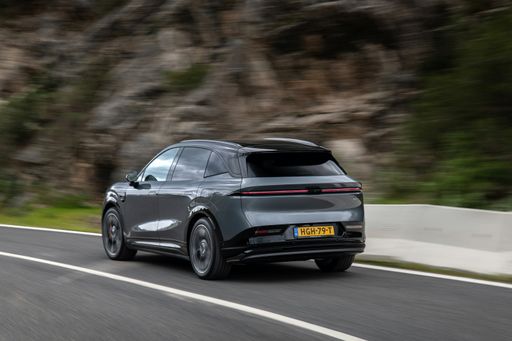
In tight streets, the G6’s lighter feel and helpful cameras make it easy to guide, though rear visibility is compromised by its coupé tail and some basic adjustments hide in screen menus. The ZEEKR 7X gives you a better natural view out and a very gentle throttle tune, but its width and larger turning circle are noticeable in multi-storeys and narrow bays. Both offer strong assistance tech, yet both lean hard on screens for simple tweaks; neither is a button lover’s paradise. For regular urban parking, the XPeng is simpler to slot in; for a calmer, less fidgety commute once you’re rolling, the Zeekr is more soothing.

Practicality, costs and buyer fit

Families will appreciate the G6’s generous rear legroom and reclining backrests, plus a big boot, though the sloping tail limits tall cargo and small-item storage is only average. The 7X serves up even easier child-seat access with wide-opening doors, a flat, low-loading cargo area and useful extras like a suspension-lowering function on some versions, and it also offers meaningful towing capability. On running costs, the XPeng undercuts the Zeekr on price and typically brings strong warranty coverage, while the Zeekr fights back with richer perceived quality and comfort. If you want maximum value, rapid road-trip charging and space without the premium price, the XPeng G6 is the neat fit; if your priority is plush ride comfort, hushed refinement and a more premium-feeling cabin with extra practicality touches, the ZEEKR 7X makes the stronger case—details in the specs below will help lock in your choice.

Here’s where it gets real: The technical differences in detail

G6

Costs and Efficiency:

Price and efficiency are often the first things buyers look at. Here it becomes clear which model has the long-term edge – whether at the pump, the plug, or in purchase price.

XPeng G6 is markedly cheaper – starting at 37,400 £ , while the ZEEKR 7X costs 45,400 £ . That’s a price difference of around 8,049 £.

In terms of energy consumption, the XPeng G6 is barely more efficient: consuming 17.3 kWh/100km compared to 17.7 kWh/100km for the ZEEKR 7X. That’s a difference of about 0.4 kWh/100km.

As for electric range, the ZEEKR 7X offers a bit more range – reaching up to 615 km, about 90 km more than the XPeng G6.

7X

Engine and Performance:

Under the bonnet, it becomes clear which model is tuned for sportiness and which one takes the lead when you hit the accelerator.

When it comes to engine power, the ZEEKR 7X offers noticeably more power – delivering 646 HP compared to 487 HP. That’s roughly 159 HP more horsepower.

When accelerating from 0 to 100 km/h, the ZEEKR 7X is very slightly quicker – completing the sprint in 3.8 s, while the XPeng G6 takes 4.1 s. That’s about 0.3 s quicker.

There’s also a difference in torque: the ZEEKR 7X delivers only slightly more torque with 710 Nm compared to 660 Nm. That’s about 50 Nm more.

G6

Space and Everyday Use:

Beyond pure performance, interior space and usability matter most in daily life. This is where you see which car is more practical and versatile.

Both vehicles offer seating for 5 people.

In terms of curb weight, XPeng G6 is somewhat lighter – 2,065 kg compared to 2,395 kg. The difference is around 330 kg.

Looking at boot space, the XPeng G6 offers only slightly more boot space – 571 L compared to 539 L. That’s a difference of about 32 L.

When it comes to payload, the ZEEKR 7X carries only slightly more – 485 kg compared to 475 kg. That’s a difference of about 10 kg.

Who wins the race in the data check?

The ZEEKR 7X shows a few small advantages in the objective data comparison.
This result only shows which model scores more points on paper – not which of the two cars feels right for you.

from £45,400
7X

ZEEKR 7X

  • Engine Type : Electric
  • Transmission : Automatic
  • Drive Type : Rear-Wheel Drive, All-Wheel Drive
  • Power HP : 421 - 646 HP
  • Consumption kWh/100km : 17.7 - 19.9 kWh/100km
  • Electric Range : 480 - 615 km
XPeng G6
ZEEKR 7X

Costs and Consumption

View detailed analysis

Engine and Performance

View detailed analysis

Dimensions and Body

View detailed analysis

XPeng G6

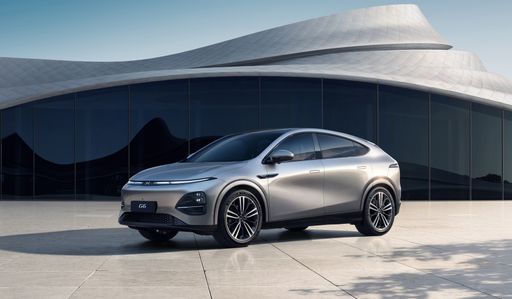
The XPeng G6 is a sleek, tech-focused electric crossover that pairs modern styling with a spacious, comfortable cabin. It delivers a refined, engaging driving experience and comes loaded with advanced driver-assistance and infotainment features that make it feel like a smarter, more connected car.

details

ZEEKR 7X

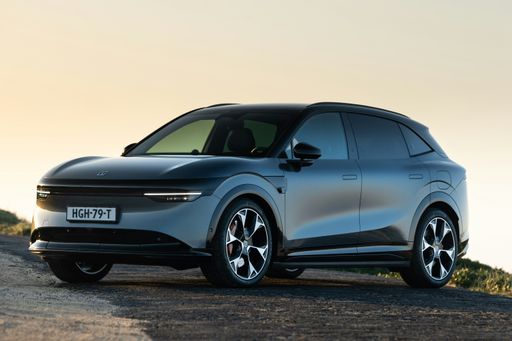
The Zeekr 7X blends sleek, coupe-like styling with a roomy, premium cabin, giving it a confident presence on the road. It pairs refined handling with advanced tech and driver aids, making it an appealing choice for buyers who want electric performance without sacrificing comfort.

details
XPeng G6
ZEEKR 7X

Costs and Consumption

Price
37,400 - 44,200 £
Price
45,400 - 54,000 £
Consumption L/100km
-
Consumption L/100km
-
Consumption kWh/100km
17.3 - 18.4 kWh/100km
Consumption kWh/100km
17.7 - 19.9 kWh/100km
Electric Range
455 - 525 km
Electric Range
480 - 615 km
Battery Capacity
-
Battery Capacity
-
co2
0 g/km
co2
0 g/km
Fuel tank capacity
-
Fuel tank capacity
-

Dimensions and Body

Body Type
SUV
Body Type
SUV
Seats
5
Seats
5
Doors
-
Doors
5
Curb weight
2,065 - 2,220 kg
Curb weight
2,395 - 2,535 kg
Trunk capacity
571 L
Trunk capacity
539 L
Length
-
Length
4,787 mm
Width
1,920 mm
Width
1,930 mm
Height
-
Height
1,650 mm
Max trunk capacity
-
Max trunk capacity
-
Payload
470 - 475 kg
Payload
455 - 485 kg

Engine and Performance

Engine Type
Electric
Engine Type
Electric
Transmission
Automatic
Transmission
Automatic
Transmission Detail
Reduction Gearbox
Transmission Detail
Reduction Gearbox
Drive Type
Rear-Wheel Drive, All-Wheel Drive
Drive Type
Rear-Wheel Drive, All-Wheel Drive
Power HP
252 - 487 HP
Power HP
421 - 646 HP
Acceleration 0-100km/h
4.1 - 6.9 s
Acceleration 0-100km/h
3.8 - 6 s
Max Speed
-
Max Speed
210 km/h
Torque
440 - 660 Nm
Torque
440 - 710 Nm
Number of Cylinders
-
Number of Cylinders
-
Power kW
185 - 358 kW
Power kW
310 - 475 kW
Engine capacity
-
Engine capacity
-

General

Model Year
2025
Model Year
2025
CO2 Efficiency Class
A
CO2 Efficiency Class
A
Brand
XPeng
Brand
ZEEKR
DriveDuel uses data analysis and artificial intelligence to evaluate vehicle data and create content. Content is regularly reviewed and improved. The displayed prices are estimates based on German list prices, adjusted to the respective country’s VAT. Country-specific registration taxes are not included. This information is not legally binding.