VS

XPeng G6 vs ZEEKR 7GT comparison

Compare performance (487 HP vs 646 HP), boot space and price (37,400 £ vs 39,400 £ ) at a glance. Find out which car is the better choice for you – XPeng G6 or ZEEKR 7GT?

XPeng G6 vs ZEEKR 7GT: Key differences

XPeng G6

5 (3 Reviews)
rate
  • barely cheaper
  • barely lighter
  • noticeably more trunk space
details

ZEEKR 7GT

  • visibly more power
  • marginally more efficient
  • a bit more electric range
  • markedly quicker 0–100 km/h
details

All details on performance, efficiency, range and trunk space can be found in the technical comparison below – including user reviews for both models.

By Achim Sedelmaier

G6

Overview: XPeng G6 and ZEEKR 7GT in context

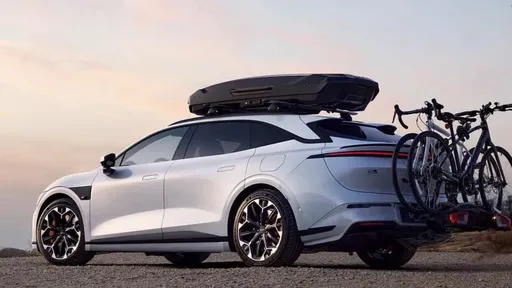
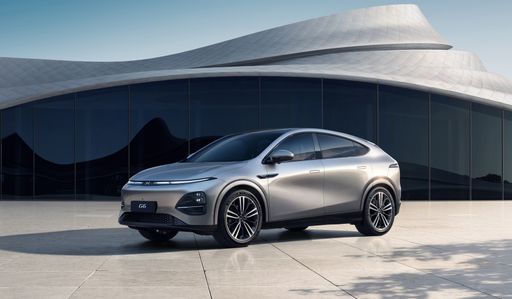
XPeng G6 and ZEEKR 7GT arrive as two distinct answers to the same question: how to make long electric trips practical without compromising everyday usability. This XPeng G6 VS ZEEKR 7GT comparison focuses on character, cabin feel and the real compromises owners live with, not just headline numbers. The XPeng G6 leans into rapid charging, roomy rear seats and a strong value package, while the ZEEKR 7GT trades SUV height for a shooting‑brake profile, a premium interior and more versatile luggage arrangements. Read on to see which combination of comfort, practicality and city friendliness matches your needs rather than chasing an abstract “best.”
7GT

Driving character and long-distance behavior

On the move the XPeng G6 feels calm and composed on motorways, prioritising a relaxed cruise over steering feedback, whereas the ZEEKR 7GT aims for a more GT‑style long‑distance demeanour with a softer, more planted ride. Both the XPeng G6 and the ZEEKR 7GT shorten real travel time by enabling very short charging stops, but the G6 accepts a firmer edge to its ride in exchange for packaging and cost benefits. The ZEEKR 7GT tends to reward occupants with a more cushioned, premium feel that makes long hours behind the wheel less tiring. If you value brisk acceleration and a heavier‑duty powertrain for overtakes, the ZEEKR 7GT is oriented that way, while the XPeng G6 is the pragmatic traveller that prioritises efficient rhythm over thrills.

G6

Practicality and everyday cargo use

Practical differences are tangible: the XPeng G6’s coupe‑SUV shape produces a roomy, practical rear seat and a large cargo area for everyday shopping and family kit, but the sloping tail limits tall items. The ZEEKR 7GT’s shooting‑brake layout gives a near‑flat load floor and the added convenience of a front luggage compartment, so awkward loads and long trips feel easier to manage. Families who fold seats or carry sports equipment will notice how the ZEEKR 7GT turns bulky items into a non‑issue, while the XPeng G6 still wins on straightforward trunk usability and well‑thought‑out cabin cubbies. Both seat five comfortably, but your priorities for vertical space and loading convenience will decide which layout serves you better.

7GT

Cabin feel, quality and ergonomics

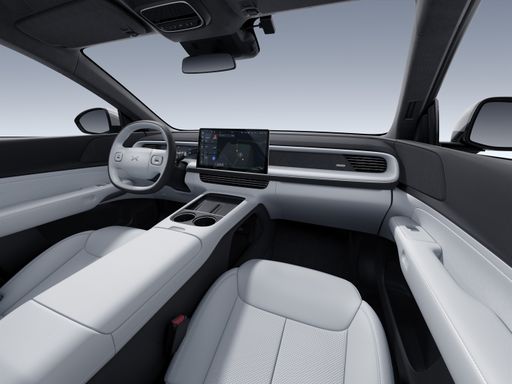
Inside the contrast between the XPeng G6 and the ZEEKR 7GT is immediate: the XPeng G6 packs lots of kit and a strong value proposition but pushes many functions deep into a touchscreen and uses a compact driver display. The ZEEKR 7GT presents a noticeably more premium ambience with refined surfaces, a large HUD and tactile touches such as electrically opening doors that underline a GT aspiration. Ergonomically, the XPeng G6 frustrates buyers who prefer physical controls and straightforward menus, whereas the ZEEKR 7GT can unsettle very tall drivers because of seat and steering geometry. In short, the ZEEKR 7GT feels nearer to a luxury estate inside, while the XPeng G6 gives more gadgetry and warranty reassurance for the money.

City friendliness and daily usability

Daily urban use highlights different compromises: the XPeng G6 is relatively easy to manoeuvre for its size and benefits from light steering at low speeds, but its limited rear visibility forces reliance on cameras and parking aids. The ZEEKR 7GT’s longer footprint and estate silhouette make tight parking more of a consideration, though its assistance systems and cameras reduce the pain of city driving. Ride quality in town splits the pair again — the XPeng G6 can feel firm and choppy on cobbles or broken surfaces, while the ZEEKR 7GT’s softer set‑up tends to be more forgiving on everyday roads. Both bring modern driver assistance, but the G6 has shown some inconsistent behaviour in certain tests while ZEEKR’s European calibrations are still settling into form.

Buyer fit and how to choose

Choosing between the XPeng G6 and the ZEEKR 7GT comes down to what you value most: if you prioritise economical ownership, huge rear space and the fastest possible charger rhythm the XPeng G6 is built for that buyer. If you want a polished cabin, an estate‑style load floor, and a stronger premium feel for passengers, the ZEEKR 7GT is the more natural fit. Expect to trade ergonomics and rear sightlines with the XPeng G6, and to accept a larger footprint and a younger brand profile with the ZEEKR 7GT. Below we unpack the technical details — range, charging behaviour, power and weights — so you can map the numbers onto the practical differences described here and pick the better fit for your everyday life.

Here’s where it gets real: The technical differences in detail

G6

Costs and Efficiency:

When it comes to price and running costs, the biggest differences usually appear. This is often where you see which car fits your budget better in the long run.

XPeng G6 is barely cheaper – starting at 37,400 £ , while the ZEEKR 7GT costs 39,400 £ . That’s a price difference of around 2,049 £.

In terms of energy consumption, the ZEEKR 7GT is marginally more efficient: consuming 16.6 kWh/100km compared to 17.3 kWh/100km for the XPeng G6. That’s a difference of about 0.7 kWh/100km.

As for electric range, the ZEEKR 7GT offers a bit more range – reaching up to 655 km, about 130 km more than the XPeng G6.

7GT

Engine and Performance:

Under the bonnet, it becomes clear which model is tuned for sportiness and which one takes the lead when you hit the accelerator.

When it comes to engine power, the ZEEKR 7GT offers visibly more power – delivering 646 HP compared to 487 HP. That’s roughly 159 HP more horsepower.

When accelerating from 0 to 100 km/h, the ZEEKR 7GT is markedly quicker – completing the sprint in 3.3 s, while the XPeng G6 takes 4.1 s. That’s about 0.8 s quicker.

There’s also a difference in torque: the ZEEKR 7GT delivers marginally more torque with 710 Nm compared to 660 Nm. That’s about 50 Nm more.

G6

Space and Everyday Use:

Beyond pure performance, interior space and usability matter most in daily life. This is where you see which car is more practical and versatile.

Both vehicles offer seating for 5 people.

In terms of curb weight, XPeng G6 is barely lighter – 2,065 kg compared to 2,265 kg. The difference is around 200 kg.

Looking at boot space, the XPeng G6 offers noticeably more boot space – 571 L compared to 456 L. That’s a difference of about 115 L.

Who wins the race in the data check?

The ZEEKR 7GT is decisively ahead in the objective data comparison.
This result only shows which model scores more points on paper – not which of the two cars feels right for you.

from £39,400
7GT

ZEEKR 7GT

  • Engine Type : Electric
  • Transmission : Automatic
  • Drive Type : Rear-Wheel Drive, All-Wheel Drive
  • Power HP : 421 - 646 HP
  • Consumption kWh/100km : 16.6 - 19.8 kWh/100km
  • Electric Range : 519 - 655 km
XPeng G6
ZEEKR 7GT

Costs and Consumption

View detailed analysis

Engine and Performance

View detailed analysis

Dimensions and Body

View detailed analysis

XPeng G6

The XPeng G6 looks like a sleeker, tech-rich alternative to conventional electric SUVs, with an interior that feels modern, airy and purposefully designed for everyday comfort. On the road it’s composed and surprisingly engaging, giving drivers a smart mix of calm refinement and a playful streak — not bad for a car that quietly challenges the usual premium suspects.

details

ZEEKR 7GT

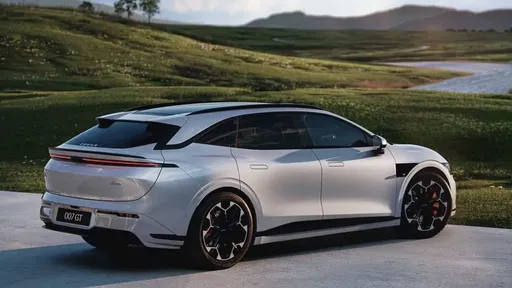
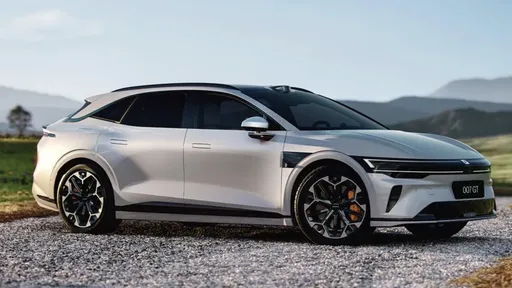
The Zeekr 7 GT stakes its claim as a smartly styled, quietly confident grand tourer that mixes comfort with a sporty edge to keep daily drives interesting. Inside it feels more grown-up EV than gadget toy, offering a polished cabin and driver-focused flair that will appeal to buyers who want presence without pretension.

details
XPeng G6
ZEEKR 7GT

Costs and Consumption

Price
37,400 - 44,200 £
Price
39,400 - 49,300 £
Consumption L/100km
-
Consumption L/100km
-
Consumption kWh/100km
17.3 - 18.4 kWh/100km
Consumption kWh/100km
16.6 - 19.8 kWh/100km
Electric Range
455 - 525 km
Electric Range
519 - 655 km
Battery Capacity
-
Battery Capacity
-
co2
0 g/km
co2
0 g/km
Fuel tank capacity
-
Fuel tank capacity
-

Dimensions and Body

Body Type
SUV
Body Type
Estate
Seats
5
Seats
5
Doors
-
Doors
-
Curb weight
2,065 - 2,220 kg
Curb weight
2,265 - 2,405 kg
Trunk capacity
571 L
Trunk capacity
456 L
Length
-
Length
-
Width
1,920 mm
Width
1,910 mm
Height
-
Height
-
Max trunk capacity
-
Max trunk capacity
-
Payload
470 - 475 kg
Payload
-

Engine and Performance

Engine Type
Electric
Engine Type
Electric
Transmission
Automatic
Transmission
Automatic
Transmission Detail
Reduction Gearbox
Transmission Detail
Reduction Gearbox
Drive Type
Rear-Wheel Drive, All-Wheel Drive
Drive Type
Rear-Wheel Drive, All-Wheel Drive
Power HP
252 - 487 HP
Power HP
421 - 646 HP
Acceleration 0-100km/h
4.1 - 6.9 s
Acceleration 0-100km/h
3.3 - 5.3 s
Max Speed
-
Max Speed
-
Torque
440 - 660 Nm
Torque
440 - 710 Nm
Number of Cylinders
-
Number of Cylinders
-
Power kW
185 - 358 kW
Power kW
310 - 475 kW
Engine capacity
-
Engine capacity
-

General

Model Year
2025
Model Year
2026
CO2 Efficiency Class
A
CO2 Efficiency Class
A
Brand
XPeng
Brand
ZEEKR
DriveDuel uses data analysis and artificial intelligence to evaluate vehicle data and create content. Content is regularly reviewed and improved. The displayed prices are estimates based on German list prices, adjusted to the respective country’s VAT. Country-specific registration taxes are not included. This information is not legally binding.