
 Deutschland
 France
 Nederland
 Great Britain
 Sverige
 Danmark
 Suomi
Suomi Italia
 Polska
 Česko
Česko España
VS
BYD ETP3 vs Subaru Outback comparison
Compare performance (136 HP vs 169 HP), boot space and price (31,600 £ vs 40,000 £ ) at a glance. Find out which car is the better choice for you – BYD ETP3 or Subaru Outback?
BYD ETP3 vs Subaru Outback: Key differences
ETP3
Costs and Efficiency:
Looking at overall running costs, both models reveal some interesting differences in everyday economy.
BYD ETP3 is noticeably cheaper – starting at 31,600 £ , while the Subaru Outback costs 40,000 £ . That’s a price difference of around 8,400 £.
Outback
Engine and Performance:
Power, torque and acceleration say a lot about how a car feels on the road. This is where you see which model delivers more driving dynamics.
When it comes to engine power, the Subaru Outback offers moderately more power – delivering 169 HP compared to 136 HP. That’s roughly 33 HP more horsepower.
There’s also a difference in torque: the Subaru Outback delivers noticeably more torque with 252 Nm compared to 180 Nm. That’s about 72 Nm more.
Space and Everyday Use:
Beyond pure performance, interior space and usability matter most in daily life. This is where you see which car is more practical and versatile.
Seats: Subaru Outback offers more seats – 5 vs 2.
In terms of curb weight, BYD ETP3 is very slightly lighter – 1,640 kg compared to 1,643 kg. The difference is around 3 kg.
When it comes to payload, the BYD ETP3 carries markedly more – 780 kg compared to 557 kg. That’s a difference of about 223 kg.
Who wins the race in the data check?
The BYD ETP3 is slightly ahead in the objective data comparison.
This result only shows which model scores more points on paper – not which of the two cars feels right for you.
£31,620
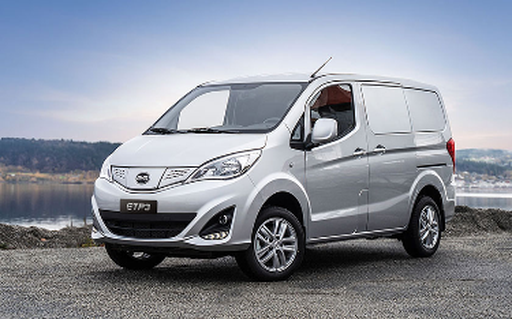
BYD ETP3
BYD ETP3
Subaru Outback
Costs and Consumption
View detailed analysis
View detailed analysis
Engine and Performance
View detailed analysis
View detailed analysis
Dimensions and Body
View detailed analysis
View detailed analysis
BYD ETP3
The BYD ETP3 is a smart, no-nonsense electric offering that blends everyday practicality with a quietly modern design that won’t embarrass you in the supermarket car park. It’s ideal for buyers after fuss-free electric mobility — efficient, clever and just playful enough to make city driving a little more fun.
details
Subaru Outback
The Subaru Outback is the do-it-all wagon for buyers who want SUV capability without the SUV bulk, blending rugged confidence with everyday civility. It's practical, dependable, and built to shrug off rough gravel tracks or rainy commutes with a grin — ideal for buyers who actually use their vehicles, not just park them for show.
details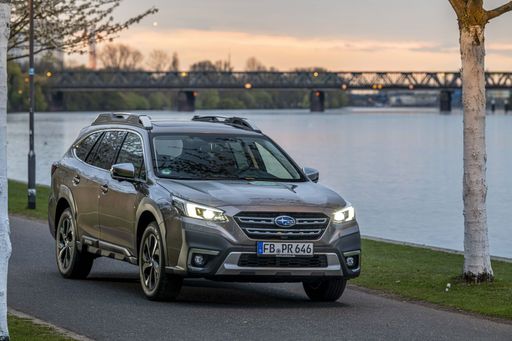
BYD ETP3
Subaru Outback
Costs and Consumption |
|
|---|---|
|
Price
31,600 £
|
Price
40,000 - 44,400 £
|
|
Consumption L/100km
-
|
Consumption L/100km
8.6 L/100km
|
|
Consumption kWh/100km
-
|
Consumption kWh/100km
-
|
|
Electric Range
233 km
|
Electric Range
-
|
|
Battery Capacity
-
|
Battery Capacity
-
|
|
co2
0 g/km
|
co2
193 g/km
|
|
Fuel tank capacity
-
|
Fuel tank capacity
-
|
Dimensions and Body |
|
|---|---|
|
Body Type
Cargo Van
|
Body Type
Estate
|
|
Seats
2
|
Seats
5
|
|
Doors
5
|
Doors
-
|
|
Curb weight
1,640 kg
|
Curb weight
1,643 - 1,676 kg
|
|
Trunk capacity
-
|
Trunk capacity
561 L
|
|
Length
4,460 mm
|
Length
-
|
|
Width
1,720 mm
|
Width
1,875 mm
|
|
Height
1,875 mm
|
Height
-
|
|
Max trunk capacity
3,500 L
|
Max trunk capacity
-
|
|
Payload
780 kg
|
Payload
524 - 557 kg
|
Engine and Performance |
|
|---|---|
|
Engine Type
Electric
|
Engine Type
Petrol
|
|
Transmission
Automatic
|
Transmission
Automatic
|
|
Transmission Detail
-
|
Transmission Detail
CVT
|
|
Drive Type
Rear-Wheel Drive
|
Drive Type
All-Wheel Drive
|
|
Power HP
136 HP
|
Power HP
169 HP
|
|
Acceleration 0-100km/h
-
|
Acceleration 0-100km/h
10.2 s
|
|
Max Speed
100 km/h
|
Max Speed
-
|
|
Torque
180 Nm
|
Torque
252 Nm
|
|
Number of Cylinders
-
|
Number of Cylinders
4
|
|
Power kW
100 kW
|
Power kW
124 kW
|
|
Engine capacity
-
|
Engine capacity
2,498 cm3
|
General |
|
|---|---|
|
Model Year
2023
|
Model Year
2024
|
|
CO2 Efficiency Class
A
|
CO2 Efficiency Class
G
|
|
Brand
BYD
|
Brand
Subaru
|
DriveDuel uses data analysis and artificial intelligence to evaluate vehicle data and create content. Content is regularly reviewed and improved.
The displayed prices are estimates based on German list prices, adjusted to the respective country’s VAT. Country-specific registration taxes are not included. This information is not legally binding.