
 Deutschland
 France
 Nederland
 Great Britain
 Sverige
 Danmark
 Suomi
Suomi Italia
 Polska
 España
VS
BYD Tang vs Vauxhall Combo Cargo - Differences and prices compared
Compare performance (517 HP vs 136 HP), boot space and price (64300 £ vs 22400 £ ) at a glance. Find out which car is the better choice for you – BYD Tang or Vauxhall Combo Cargo?
Tang
Costs and Efficiency:
Price and efficiency are often the first things buyers look at. Here it becomes clear which model has the long-term edge – whether at the pump, the plug, or in purchase price.
Vauxhall Combo Cargo has a clearly advantage in terms of price – it starts at 22400 £ , while the BYD Tang costs 64300 £ . That’s a price difference of around 41845 £.
In terms of energy consumption, the advantage goes to the Vauxhall Combo Cargo: with 17.40 kWh per 100 km, it’s noticeable more efficient than the BYD Tang with 24 kWh. That’s a difference of about 6.60 kWh.
As for electric range, the BYD Tang performs evident better – achieving up to 530 km, about 176 km more than the Vauxhall Combo Cargo.
Tang
Engine and Performance:
Power, torque and acceleration are the classic benchmarks for car enthusiasts – and here, some clear differences start to show.
When it comes to engine power, the BYD Tang has a clearly edge – offering 517 HP compared to 136 HP. That’s roughly 381 HP more horsepower.
In acceleration from 0 to 100 km/h, the BYD Tang is decisively quicker – completing the sprint in 4.90 s, while the Vauxhall Combo Cargo takes 11.20 s. That’s about 6.30 s faster.
In terms of top speed, the BYD Tang performs minimal better – reaching 190 km/h, while the Vauxhall Combo Cargo tops out at 183 km/h. The difference is around 7 km/h.
There’s also a difference in torque: BYD Tang pulls clearly stronger with 680 Nm compared to 300 Nm. That’s about 380 Nm difference.
Tang
Space and Everyday Use:
Whether family car or daily driver – which one offers more room, flexibility and comfort?
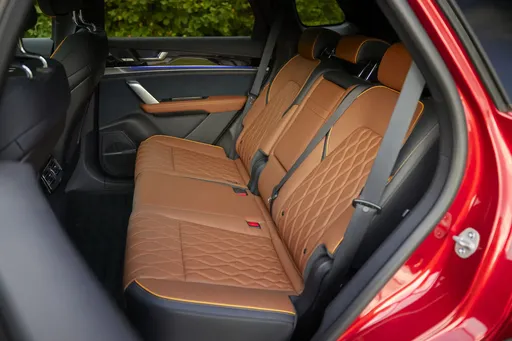
Seats: BYD Tang offers a bit more seating capacity – 7 vs 6.
In curb weight, Vauxhall Combo Cargo is convincingly lighter – 1329 kg compared to 2630 kg. The difference is around 1301 kg.
In maximum load capacity, the Vauxhall Combo Cargo performs clearly better – up to 3900 L, which is about 2245 L more than the BYD Tang.
When it comes to payload, Vauxhall Combo Cargo decisively takes the win – 991 kg compared to 575 kg. That’s a difference of about 416 kg.
Who wins the race in the data check?
The Vauxhall Combo Cargo holds a narrow overall lead in the objective data comparison.
This result only shows which model scores more points on paper – not which of the two cars feels right for you.
BYD Tang
Vauxhall Combo Cargo
Costs and Consumption
View detailed analysis
View detailed analysis
Engine and Performance
View detailed analysis
View detailed analysis
Dimensions and Body
View detailed analysis
View detailed analysis
from about £22,400

Vauxhall Combo Cargo
BYD Tang
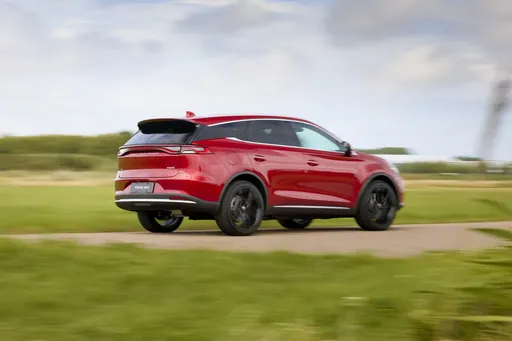
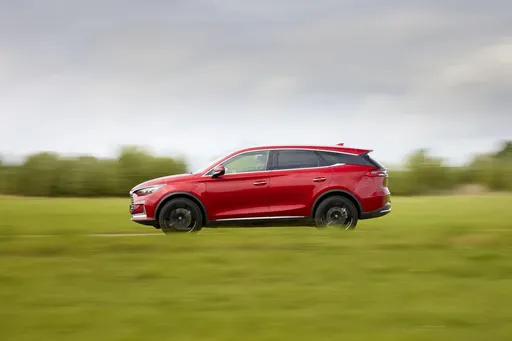
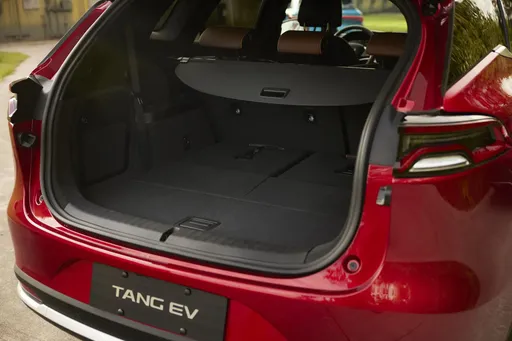
The BYD Tang is a bold, tech-loaded SUV that blends striking design with roomy practicality, making it equally at home on the school run and the open road. Packed with clever tech and a powertrain that mixes efficiency with eager performance, it’s a smart, value-focused pick for buyers who want electric-age comfort without the premium-brand fuss.
details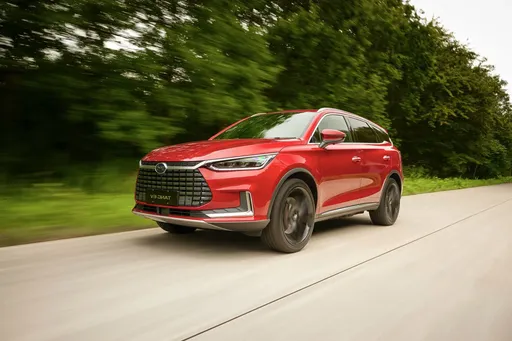
Vauxhall Combo Cargo
The Opel Combo Cargo is a pragmatic workhorse that pairs sensible practicality with surprisingly car-like manners, making it a smart choice for small businesses and weekend DIYers. With clever storage, easy access and a calm cabin that keeps the focus on the job, it turns daily deliveries and errands into something almost enjoyable.
details
BYD Tang
Vauxhall Combo Cargo
Costs and Consumption |
|
|---|---|
|
Price
64300 £
|
Price
22400 - 34700 £
|
|
Consumption L/100km
-
|
Consumption L/100km
5.2 - 6.3 L
|
|
Consumption kWh/100km
24 kWh
|
Consumption kWh/100km
17.40 kWh
|
|
Electric Range
530 km
|
Electric Range
354 km
|
|
Battery Capacity
-
|
Battery Capacity
-
|
|
co2
0 g/km
|
co2
0 - 143 g/km
|
|
Fuel tank capacity
-
|
Fuel tank capacity
53 - 61 L
|
Dimensions and Body |
|
|---|---|
|
Body Type
SUV
|
Body Type
Cargo Van
|
|
Seats
7
|
Seats
2 - 6
|
|
Doors
5
|
Doors
4 - 5
|
|
Curb weight
2630 kg
|
Curb weight
1329 - 1813 kg
|
|
Trunk capacity
235 L
|
Trunk capacity
-
|
|
Length
4970 mm
|
Length
4401 - 4751 mm
|
|
Width
1955 mm
|
Width
1848 mm
|
|
Height
1745 mm
|
Height
1820 - 1825 mm
|
|
Max trunk capacity
1655 L
|
Max trunk capacity
3300 - 3900 L
|
|
Payload
575 kg
|
Payload
611 - 991 kg
|
Engine and Performance |
|
|---|---|
|
Engine Type
Electric
|
Engine Type
Diesel, Petrol, Electric
|
|
Transmission
Automatic
|
Transmission
Manuel, Automatic
|
|
Transmission Detail
Reduction Gearbox
|
Transmission Detail
Manual Gearbox, Automatic Gearbox, Reduction Gearbox
|
|
Drive Type
All-Wheel Drive
|
Drive Type
Front-Wheel Drive
|
|
Power HP
517 HP
|
Power HP
102 - 136 HP
|
|
Acceleration 0-100km/h
4.90 s
|
Acceleration 0-100km/h
11.20 s
|
|
Max Speed
190 km/h
|
Max Speed
135 - 183 km/h
|
|
Torque
680 Nm
|
Torque
205 - 300 Nm
|
|
Number of Cylinders
-
|
Number of Cylinders
3 - 4
|
|
Power kW
380 kW
|
Power kW
75 - 100 kW
|
|
Engine capacity
-
|
Engine capacity
1199 - 1499 cm3
|
General |
|
|---|---|
|
Model Year
2024
|
Model Year
2024
|
|
CO2 Efficiency Class
A
|
CO2 Efficiency Class
E, A
|
|
Brand
BYD
|
Brand
Vauxhall
|
Is the BYD Tang offered with different drivetrains?
The BYD Tang is available as All-Wheel Drive.
The prices shown are estimates based on German list prices, adjusted for local VAT. Local registration taxes (e.g. NoVA, BPM or CO2 malus) are not included. This information is not legally binding.