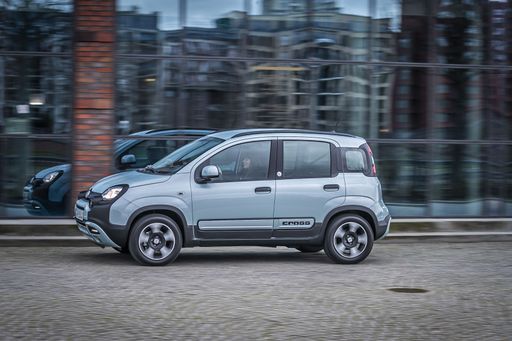
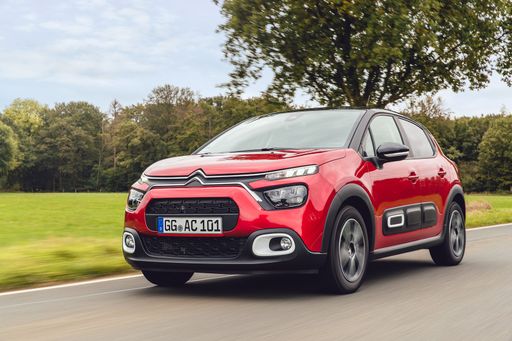
VS

Citroen C3 vs Fiat Panda comparison

Compare performance (113 HP vs 70 HP), boot space and price (14,000 £ vs 14,100 £ ) at a glance. Find out which car is the better choice for you – Citroen C3 or Fiat Panda?

Citroen C3 vs Fiat Panda: Key differences

Citroen C3

4.9 (2 Reviews)
rate
  • only slightly cheaper
  • noticeably more power
  • considerably quicker 0–100 km/h
  • markedly more trunk space
details

Fiat Panda

4.5 (3 Reviews)
rate
  • a bit lighter
details

By Achim Sedelmaier

C3

Citroen C3 VS Fiat Panda: which small car fits your life?

The Citroen C3 and the Fiat Panda sit on opposite ends of the small‑car spectrum, and this Citroen C3 VS Fiat Panda matchup quickly exposes a choice between cushioned comfort and raw urban agility. The Citroen C3 is built around a soft, forgiving ride and a front cabin that feels airier in everyday use, while the Fiat Panda pares things back to a compact, highly manoeuvrable package that excels in tight spaces. Both are inexpensive to run compared with larger rivals, but they reward different priorities: the C3 prioritises relaxed miles and perceived value, the Panda prioritises simplicity and city utility. Expect very different daily moods depending on which direction you pick.
Panda

Comfort and on-road character

Ride comfort is the clearest dividing line between the Citroen C3 and the Fiat Panda. The Citroen C3 deliberately absorbs potholes and cobbles, smoothing urban imperfections so you arrive less tired after stop‑and‑go streets. The Fiat Panda feels firmer and more direct: road irregularities come through to the cabin and the engine becomes noticeably busy when you push for speed, which makes longer runs more fatiguing. On faster roads the Citroen C3 stays composed but can reveal wind and tyre noise; the Panda announces its limits earlier through engine and road noise.

C3

City friendliness vs motorway manners

In town the Fiat Panda’s tiny footprint and excellent visibility make it the least stressful pick for parking, narrow lanes and frequent turns. The Citroen C3 is also city‑friendly with light steering and a compact body, but it sacrifices a touch of raw agility for a more relaxed ride and easier ingress. When trips include regular motorway work the Citroen C3’s calmer cabin and more willing powertrain translate into less driver fatigue and easier overtakes, while the Fiat Panda becomes louder and less flexible. Choose the Panda for mostly urban chores; favour the C3 if your week mixes city driving with longer commutes.

Panda

Cabin feel, tech and perceived quality

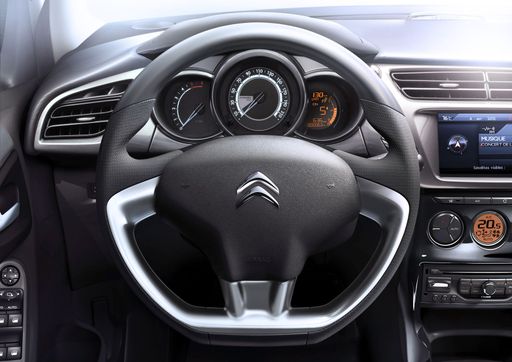
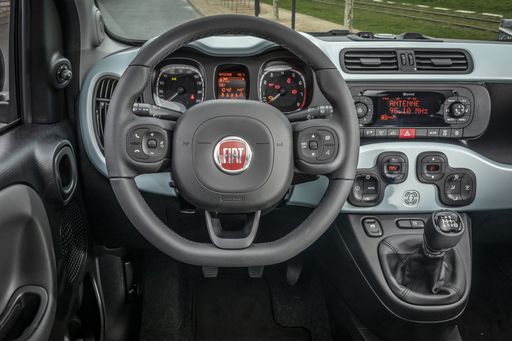
Stepping inside highlights how each car is aimed at different tastes: Citroen C3 can feel pleasantly modern in higher trims with softer surfaces and larger screens, yet its cheapest versions cut back to a simple setup that feels deliberately economical. The Fiat Panda embraces a no‑nonsense cockpit with lots of physical buttons and a compact infotainment unit that’s easy to use and inexpensive to maintain. Perceived quality leans toward the C3 when you spec up, but the Panda’s straightforward layout is less distracting and more forgiving long term. If you want gadgetry and a silkier ambience, the C3 rewards you; if you want uncomplicated functionality, the Panda delivers.

C3

Practicality, space and family usability

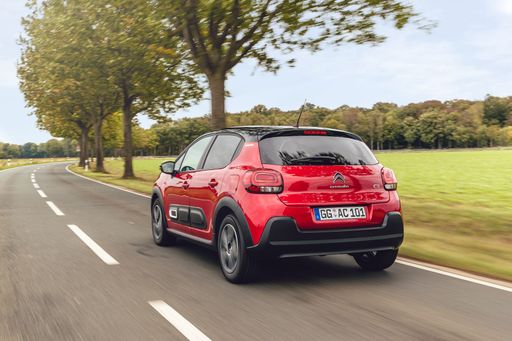
Everyday practicality exposes clear trade‑offs between the Citroen C3 and the Fiat Panda. The Citroen C3 offers a more flexible front cabin and a generally more usable luggage area for routine loads, but both cars suffer from fairly high boot sills that make lifting heavy items awkward. The Fiat Panda’s rear seat and shoulder room are narrower and many versions come as a four‑seat layout, so families who need regular three‑up seating or easier child‑seat handling will find the C3 the more accommodating option. Neither car is a perfect family hauler, so try fitting your child seats and weekend bags before you sign.

Panda

Who should choose which — real buyer fit

If your priority is a relaxed, slightly more spacious small car that behaves well on longer trips and feels more grown‑up in higher trims, the Citroen C3 aligns better with that lifestyle. If your life revolves around tight streets, short runs, the cheapest day‑to‑day ownership and the easiest parking, the Fiat Panda will frustrate less and be cheaper to live with in city use. The differences in engine character, cabin ergonomics and luggage usability have practical consequences: one eases fatigue on longer stints, the other keeps running costs and parking stress to a minimum. Read on to the technical comparison to see how power delivery, consumption and dimensions create these everyday contrasts without crowning an overall winner.

Here’s where it gets real: The technical differences in detail

C3

Costs and Efficiency:

Price and efficiency are key factors when choosing a car – and this is often where the real differences emerge.

Citroen C3 is only slightly cheaper – starting at 14,000 £ , while the Fiat Panda costs 14,100 £ . That’s a price difference of around 172 £.

Both cars consume an average of 5 L/100km – no difference here.

Panda

Engine and Performance:

Under the bonnet, it becomes clear which model is tuned for sportiness and which one takes the lead when you hit the accelerator.

When it comes to engine power, the Citroen C3 offers noticeably more power – delivering 113 HP compared to 70 HP. That’s roughly 43 HP more horsepower.

When accelerating from 0 to 100 km/h, the Citroen C3 is considerably quicker – completing the sprint in 9.9 s, while the Fiat Panda takes 13.9 s. That’s about 4 s quicker.

There’s also a difference in torque: the Citroen C3 delivers substantially more torque with 205 Nm compared to 92 Nm. That’s about 113 Nm more.

C3

Space and Everyday Use:

Cabin size, boot volume and payload all play a role in everyday practicality. Here, comfort and flexibility make the difference.

Seats: Citroen C3 offers more seats – 5 vs 4.

In terms of curb weight, Fiat Panda is a bit lighter – 1,055 kg compared to 1,226 kg. The difference is around 171 kg.

Looking at boot space, the Citroen C3 offers markedly more boot space – 310 L compared to 225 L. That’s a difference of about 85 L.

When it comes to payload, the Citroen C3 carries slightly more – 423 kg compared to 365 kg. That’s a difference of about 58 kg.

Who wins the race in the data check?

The Citroen C3 is far ahead overall in the objective data comparison.
This result only shows which model scores more points on paper – not which of the two cars feels right for you.

from £14,000
C3

Citroen C3

  • Engine Type Electric, Petrol, Petrol MHEV
  • Transmission Automatic, Manuel
  • Drive Type Front-Wheel Drive
  • Power HP 101 - 113 HP
  • Consumption L/100km 5 - 5.6 L/100km
  • Consumption kWh/100km 16.7 - 17.2 kWh/100km
  • Electric Range 212 - 325 km
Citroen C3
Fiat Panda

Costs and Consumption

View detailed analysis

Engine and Performance

View detailed analysis

Dimensions and Body

View detailed analysis

Citroen C3

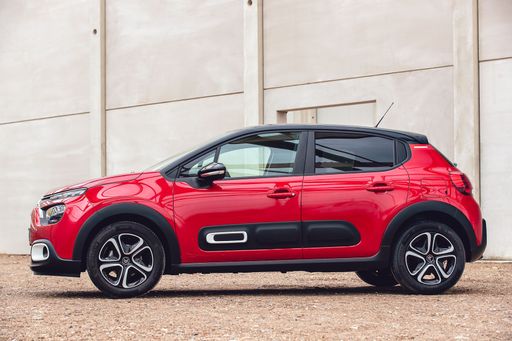
The Citroën C3 is a stylish and practical small hatchback that puts comfort and a calm urban driving experience at the top of its list. With its distinctive looks and thoughtful interior touches, it suits buyers who want personality and everyday usability without drama.

details

Fiat Panda

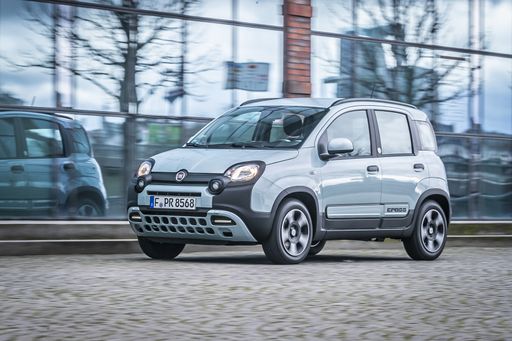
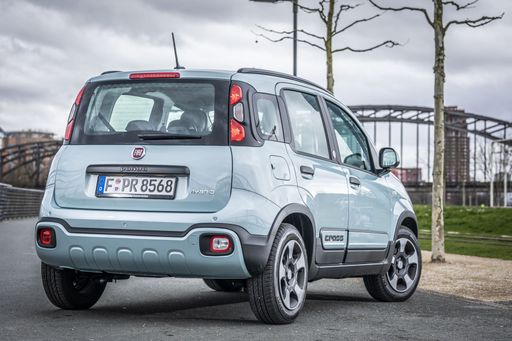
The Panda is a charming, no-nonsense city companion that mixes cheerful Italian flair with genuinely useful practicality, making tight streets and daily errands feel less of a chore. Its honest simplicity, clever packaging and a dash of cheeky character make it a smart, low-stress buy for people who prefer sensible perks over showroom flash.

details
Citroen C3
Fiat Panda

Costs and Consumption

Price
14,000 - 24,700 £
Price
14,100 £
Consumption L/100km
5 - 5.6 L/100km
Consumption L/100km
5 L/100km
Consumption kWh/100km
16.7 - 17.2 kWh/100km
Consumption kWh/100km
-
Electric Range
212 - 325 km
Electric Range
-
Battery Capacity
-
Battery Capacity
-
co2
0 - 126 g/km
co2
113 g/km
Fuel tank capacity
-
Fuel tank capacity
38 L

Dimensions and Body

Body Type
SUV
Body Type
Hatchback
Seats
2 - 5
Seats
4
Doors
-
Doors
5
Curb weight
1,226 - 1,518 kg
Curb weight
1,055 kg
Trunk capacity
310 L
Trunk capacity
225 L
Length
-
Length
3,635 mm
Width
1,755 mm
Width
1,643 mm
Height
-
Height
1,551 mm
Max trunk capacity
-
Max trunk capacity
870 L
Payload
227 - 423 kg
Payload
365 kg

Engine and Performance

Engine Type
Electric, Petrol, Petrol MHEV
Engine Type
Petrol MHEV
Transmission
Automatic, Manuel
Transmission
Manuel
Transmission Detail
Reduction Gearbox, Manual Gearbox, Dual-Clutch Automatic
Transmission Detail
Manual Gearbox
Drive Type
Front-Wheel Drive
Drive Type
Front-Wheel Drive
Power HP
101 - 113 HP
Power HP
70 HP
Acceleration 0-100km/h
9.9 - 12 s
Acceleration 0-100km/h
13.9 s
Max Speed
-
Max Speed
164 km/h
Torque
120 - 205 Nm
Torque
92 Nm
Number of Cylinders
3
Number of Cylinders
3
Power kW
74 - 83 kW
Power kW
51 kW
Engine capacity
1,199 cm3
Engine capacity
999 cm3

General

Model Year
2,024 - 2,026
Model Year
2024
CO2 Efficiency Class
A, D, C
CO2 Efficiency Class
C
Brand
Citroen
Brand
Fiat
DriveDuel uses data analysis and artificial intelligence to evaluate vehicle data and create content. Content is regularly reviewed and improved. The displayed prices are estimates based on German list prices, adjusted to the respective country’s VAT. Country-specific registration taxes are not included. This information is not legally binding.