VS

Citroen C3 vs Renault Captur comparison

Compare performance (113 HP vs 158 HP), boot space and price (14,000 £ vs 21,400 £ ) at a glance. Find out which car is the better choice for you – Citroen C3 or Renault Captur?

Citroen C3 vs Renault Captur: Key differences

Citroen C3

4.9 (2 Reviews)
rate
  • considerably cheaper
  • marginally lighter
details

Renault Captur

4.8 (7 Reviews)
rate
  • noticeably more power
  • slightly more efficient
  • somewhat quicker 0–100 km/h
  • visibly more trunk space
details

All details on performance, efficiency, range and trunk space can be found in the technical comparison below – including user reviews for both models.

By Achim Sedelmaier

C3

Overview: Citroen C3 VS Renault Captur in plain terms

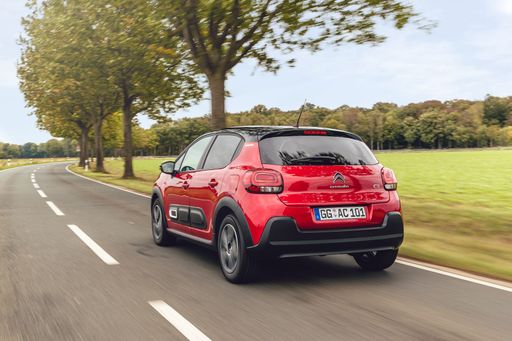
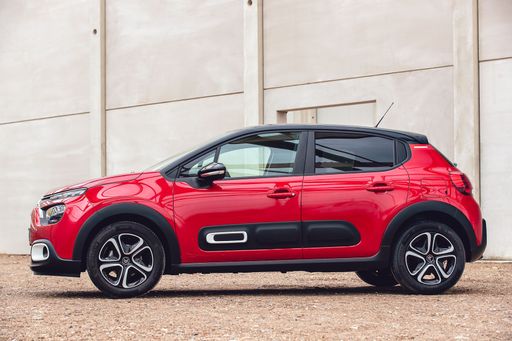
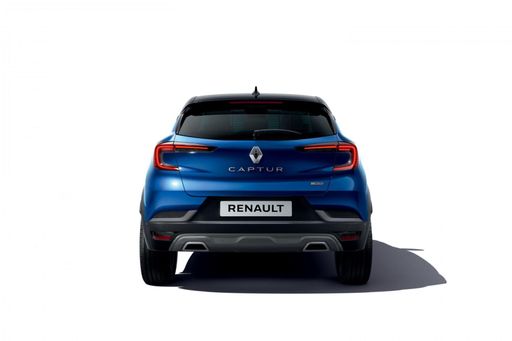
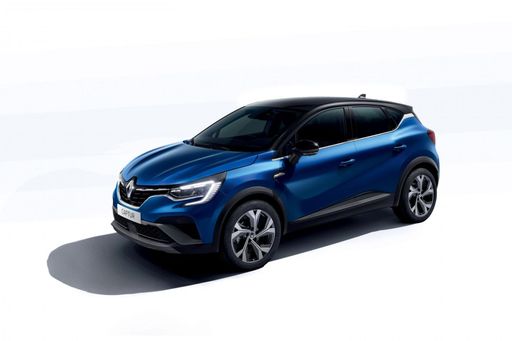
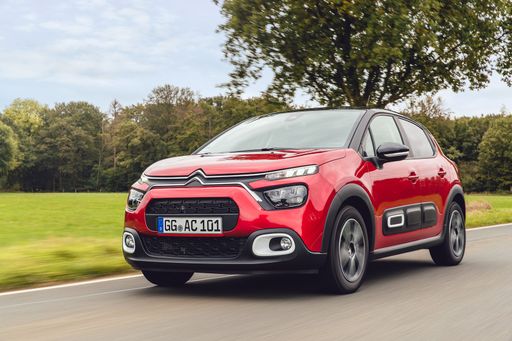
Citroen C3 VS Renault Captur pits a cozy, budget‑minded city car against a tech‑forward compact SUV that leans into versatility and hybrid efficiency. The Citroen C3 presents itself as an everyday comfort machine with soft suspension, simple controls and very attractive entry pricing, while the Renault Captur trades some of that sofa‑like feel for a higher seating position, a sliding rear bench and modern infotainment. In practice the C3 feels like a relaxed companion for short trips and tight streets, whereas the Captur aims to be a more flexible family car that copes better with longer runs. Both have clear strengths, so this matchup is about what you tolerate in exchange for either pure comfort or broader usability.
Captur

Character and driving feel: soft versus composed

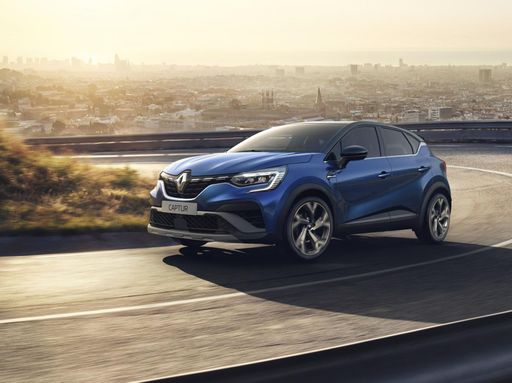
The Citroen C3 deliberately soothes — its suspension softens potholes and body motions are more pronounced, which suits relaxed drivers who prioritise ride comfort over cornering fun. The Renault Captur drives with a firmer, more composed demeanor; it doesn’t pretend to be sporty, but steering and body control feel more planted, especially with hybrid variants that cut in for smooth low‑speed running. Choose the C3 if you want a cushioned, effortless feel around town; pick the Captur if you want steadier behavior on mixed routes and a car that feels more adult at speed. Both are more comfort‑oriented than sporty hot hatches, but the difference is tangible every time you change direction or push on.

C3

Cabin feel and perceived quality: airy simplicity vs. modern polish

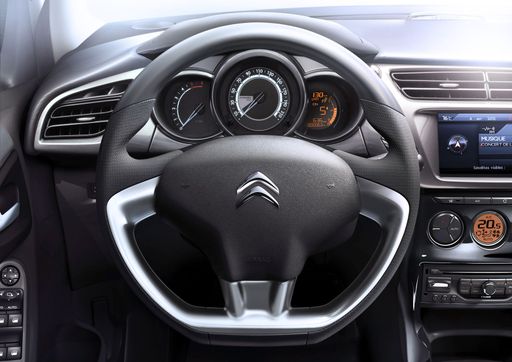
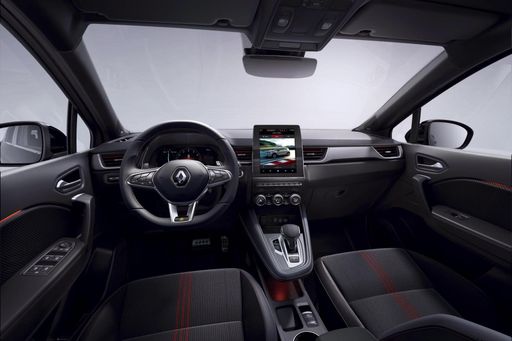
Inside the Citroen C3 the impression is airy and straightforward — lots of headroom, tactile physical controls in lower trims and a calm, uncluttered layout that emphasises ease of use over gadgetry. The Renault Captur shows a step up in perceived quality: the surfaces at eye level feel nicer, the bigger central screen with Google services makes daily tech interactions smoother, and the higher seating position gives a more commanding view. Citroen wins on instant familiarity and relaxed ergonomics, while Renault wins on a more premium, connected ambience that will age better. Both cabins have practical compromises, though: the C3 can feel spartan in base form and the Captur sacrifices some rear visibility for style and structure.

Captur

Practicality and everyday usability: tight‑city cleverness vs. modular space

For tight streets and parking the Citroen C3 is naturally city‑friendly — compact footprint, light steering and simple controls make it easy to live with in congested areas, though the luggage threshold is high and rear ISOFIX access can be fiddly. The Renault Captur counters with honest family practicality: a sliding rear bench that changes luggage and legroom balance, a sensible double floor and generally more usable boot space when you need it. If your routine is short trips, grocery runs and frequent kerbside parking, the C3’s agility is a real advantage; if you ferry kids, pushchairs or luggage regularly, the Captur’s modularity is the more useful compromise. Each car solves different daily problems, so the right choice depends on which practical frustrations you want to avoid.

C3

Long‑distance behaviour and noise: endurance matters

On longer journeys the Renault Captur shows clearer strengths — its hybrid operation keeps motorway noise low for long stretches and the Captur’s stable cruising manners make highway miles less tiring. The Citroen C3 remains comfortable at moderate speeds, but wind and tyre noise become more obvious on sustained autobahn runs and the electric variants need more planning for longer trips. Fuel‑ and energy‑wise the Captur’s hybrid setup tends to be more efficient in mixed and motorway use, which matters if you do regular trunk‑to‑trunk travel. For weekend escapes and efficient long hauls, the Captur is the better companion; for local errands and relaxed short hops, the C3 keeps life simple and pleasant.

Captur

Buyer fit: who should choose which car and why

If your priority is low purchase cost, an easygoing ride and a car that makes city living feel gentler, the Citroen C3 is the clear match — it rewards budget buyers and comfort seekers who seldom need full‑on luggage flexibility or long motorway range. If you want a small SUV that adapts to family life, values in‑car tech and delivers calmer long‑distance cruising (especially in hybrid form), the Renault Captur is the more sensible, all‑round pick. Neither car is aimed at driving enthusiasts, but the trade is different: C3 buys you plush daily comfort; Captur buys you space, connectivity and hybrid practicality. The technical comparison that follows will map those real‑world differences to concrete specs so you can decide which trade‑offs suit your needs best.

Here’s where it gets real: The technical differences in detail

C3

Costs and Efficiency:

Price and efficiency are often the first things buyers look at. Here it becomes clear which model has the long-term edge – whether at the pump, the plug, or in purchase price.

Citroen C3 is considerably cheaper – starting at 14,000 £ , while the Renault Captur costs 21,400 £ . That’s a price difference of around 7,423 £.

Fuel consumption also shows a difference: the Renault Captur uses 4.4 L/100km and is slightly more efficient than the Citroen C3 with 5 L/100km. The difference is about 0.6 L/100km.

Captur

Engine and Performance:

Power, torque and acceleration say a lot about how a car feels on the road. This is where you see which model delivers more driving dynamics.

When it comes to engine power, the Renault Captur offers noticeably more power – delivering 158 HP compared to 113 HP. That’s roughly 45 HP more horsepower.

When accelerating from 0 to 100 km/h, the Renault Captur is somewhat quicker – completing the sprint in 8.9 s, while the Citroen C3 takes 9.9 s. That’s about 1 s quicker.

There’s also a difference in torque: the Renault Captur delivers clearly more torque with 265 Nm compared to 205 Nm. That’s about 60 Nm more.

C3

Space and Everyday Use:

Cabin size, boot volume and payload all play a role in everyday practicality. Here, comfort and flexibility make the difference.

Both vehicles offer seating for 5 people.

In terms of curb weight, Citroen C3 is marginally lighter – 1,226 kg compared to 1,323 kg. The difference is around 97 kg.

Looking at boot space, the Renault Captur offers visibly more boot space – 422 L compared to 310 L. That’s a difference of about 112 L.

When it comes to payload, the Renault Captur carries very slightly more – 453 kg compared to 423 kg. That’s a difference of about 30 kg.

Who wins the race in the data check?

The Renault Captur is slightly ahead in the objective data comparison.
This result only shows which model scores more points on paper – not which of the two cars feels right for you.

from £21,400
Captur

Renault Captur

  • Engine Type Full Hybrid, Petrol, Petrol MHEV
  • Transmission Automatic, Manuel
  • Drive Type Front-Wheel Drive
  • Power HP 115 - 158 HP
  • Consumption L/100km 4.4 - 6 L/100km
Citroen C3
Renault Captur

Costs and Consumption

View detailed analysis

Engine and Performance

View detailed analysis

Dimensions and Body

View detailed analysis

Citroen C3

The Citroën C3 is a stylish and practical small hatchback that puts comfort and a calm urban driving experience at the top of its list. With its distinctive looks and thoughtful interior touches, it suits buyers who want personality and everyday usability without drama.

details

Renault Captur

The Renault Captur is a stylish and practical compact crossover that combines a high seating position and easy manoeuvrability with a comfortable, well‑equipped cabin. Its flexible interior layout and modern infotainment make it a sensible, polished choice for city drivers and small families.

details
Citroen C3
Renault Captur

Costs and Consumption

Price
14,000 - 24,700 £
Price
21,400 - 28,600 £
Consumption L/100km
5 - 5.6 L/100km
Consumption L/100km
4.4 - 6 L/100km
Consumption kWh/100km
16.7 - 17.2 kWh/100km
Consumption kWh/100km
-
Electric Range
212 - 325 km
Electric Range
-
Battery Capacity
-
Battery Capacity
-
co2
0 - 126 g/km
co2
100 - 137 g/km
Fuel tank capacity
-
Fuel tank capacity
-

Dimensions and Body

Body Type
SUV
Body Type
SUV
Seats
2 - 5
Seats
5
Doors
-
Doors
-
Curb weight
1,226 - 1,518 kg
Curb weight
1,323 - 1,441 kg
Trunk capacity
310 L
Trunk capacity
326 - 422 L
Length
-
Length
-
Width
1,755 mm
Width
1,797 mm
Height
-
Height
-
Max trunk capacity
-
Max trunk capacity
-
Payload
227 - 423 kg
Payload
447 - 453 kg

Engine and Performance

Engine Type
Electric, Petrol, Petrol MHEV
Engine Type
Full Hybrid, Petrol, Petrol MHEV
Transmission
Automatic, Manuel
Transmission
Automatic, Manuel
Transmission Detail
Reduction Gearbox, Manual Gearbox, Dual-Clutch Automatic
Transmission Detail
Automatic Gearbox, Manual Gearbox, Dual-Clutch Automatic
Drive Type
Front-Wheel Drive
Drive Type
Front-Wheel Drive
Power HP
101 - 113 HP
Power HP
115 - 158 HP
Acceleration 0-100km/h
9.9 - 12 s
Acceleration 0-100km/h
8.9 - 12.3 s
Max Speed
-
Max Speed
-
Torque
120 - 205 Nm
Torque
160 - 265 Nm
Number of Cylinders
3
Number of Cylinders
3 - 4
Power kW
74 - 83 kW
Power kW
84 - 116 kW
Engine capacity
1,199 cm3
Engine capacity
1,199 - 1,789 cm3

General

Model Year
2,024 - 2,026
Model Year
2025
CO2 Efficiency Class
A, D, C
CO2 Efficiency Class
C, D, E
Brand
Citroen
Brand
Renault
DriveDuel uses data analysis and artificial intelligence to evaluate vehicle data and create content. Content is regularly reviewed and improved. The displayed prices are estimates based on German list prices, adjusted to the respective country’s VAT. Country-specific registration taxes are not included. This information is not legally binding.