
 Deutschland
 France
 Nederland
 Great Britain
 Sverige
 Danmark
 Suomi
Suomi Italia
 Polska
 Česko
Česko España
VS
Citroen Jumpy Bus vs Mercedes Sprinter Transporter comparison
Compare performance (136 HP vs 204 HP), boot space and price (37,900 £ vs 26,900 £ ) at a glance. Find out which car is the better choice for you – Citroen Jumpy Bus or Mercedes Sprinter Transporter?
Citroen Jumpy Bus vs Mercedes Sprinter Transporter: Key differences
Jumpy Bus
Costs and Efficiency:
When it comes to price and running costs, the biggest differences usually appear. This is often where you see which car fits your budget better in the long run.
Mercedes Sprinter Transporter is substantially cheaper – starting at 26,900 £ , while the Citroen Jumpy Bus costs 37,900 £ . That’s a price difference of around 10,963 £.
In terms of energy consumption, the Citroen Jumpy Bus is a bit more efficient: consuming 24.1 kWh/100km compared to 27.1 kWh/100km for the Mercedes Sprinter Transporter. That’s a difference of about 3 kWh/100km.
As for electric range, the Mercedes Sprinter Transporter offers noticeably more range – reaching up to 444 km, about 92 km more than the Citroen Jumpy Bus.
Sprinter Transporter
Engine and Performance:
Power, torque and acceleration say a lot about how a car feels on the road. This is where you see which model delivers more driving dynamics.
When it comes to engine power, the Mercedes Sprinter Transporter offers markedly more power – delivering 204 HP compared to 136 HP. That’s roughly 68 HP more horsepower.
There’s also a difference in torque: the Mercedes Sprinter Transporter delivers clearly more torque with 450 Nm compared to 260 Nm. That’s about 190 Nm more.
Space and Everyday Use:
Whether family car or daily driver – which one offers more room, flexibility and comfort?
Seats: Citroen Jumpy Bus offers more seats – 9 vs 3.
In terms of curb weight, Citroen Jumpy Bus is only slightly lighter – 2,018 kg compared to 2,052 kg. The difference is around 34 kg.
When it comes to payload, the Mercedes Sprinter Transporter carries substantially more – 2,641 kg compared to 982 kg. That’s a difference of about 1,659 kg.
Who wins the race in the data check?
The Mercedes Sprinter Transporter holds a decisive overall lead in the objective data comparison.
This result only shows which model scores more points on paper – not which of the two cars feels right for you.
from £26,900

Mercedes Sprinter Transporter
Citroen Jumpy Bus
Mercedes Sprinter Transporter
Costs and Consumption
View detailed analysis
View detailed analysis
Engine and Performance
View detailed analysis
View detailed analysis
Dimensions and Body
View detailed analysis
View detailed analysis
Citroen Jumpy Bus
The Citroën Jumpy bus is a no-nonsense people carrier that prioritises interior space and comfort over flash, making it an obvious choice for families and shuttle operators who need to move people efficiently. It won’t turn heads, but with predictable driving manners, flexible seating and a practical, unpretentious charm it gets the job done with the kind of quiet confidence you’ll soon take for granted.
details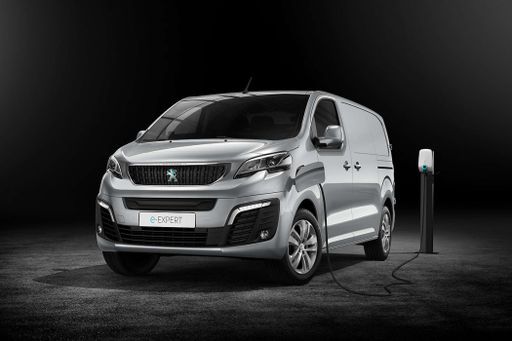
Mercedes Sprinter Transporter
The Mercedes Sprinter is the dependable workhorse that makes light of heavy loads, blending smart practicality with a surprisingly carlike cabin that keeps drivers sane on long runs. With a range of configurations and a reputation for durability, it’s the van buyers turn to when they need something tough, clever and oddly enjoyable to drive.
details
Citroen Jumpy Bus
Mercedes Sprinter Transporter
Costs and Consumption |
|
|---|---|
|
Price
37,900 - 43,900 £
|
Price
26,900 - 72,900 £
|
|
Consumption L/100km
-
|
Consumption L/100km
7.9 - 12.7 L/100km
|
|
Consumption kWh/100km
24.1 - 24.4 kWh/100km
|
Consumption kWh/100km
27.1 - 31.5 kWh/100km
|
|
Electric Range
221 - 352 km
|
Electric Range
194 - 444 km
|
|
Battery Capacity
-
|
Battery Capacity
56 - 113 kWh
|
|
co2
0 g/km
|
co2
0 - 333 g/km
|
|
Fuel tank capacity
-
|
Fuel tank capacity
71 L
|
Dimensions and Body |
|
|---|---|
|
Body Type
Bus
|
Body Type
Cargo Van
|
|
Seats
9
|
Seats
3
|
|
Doors
-
|
Doors
4
|
|
Curb weight
2,018 - 2,240 kg
|
Curb weight
2,052 - 3,166 kg
|
|
Trunk capacity
3,061 - 3,497 L
|
Trunk capacity
-
|
|
Length
-
|
Length
5,932 - 7,367 mm
|
|
Width
1,920 mm
|
Width
1,993 mm
|
|
Height
-
|
Height
2,331 - 2,663 mm
|
|
Max trunk capacity
-
|
Max trunk capacity
9,000 - 15,500 L
|
|
Payload
850 - 982 kg
|
Payload
577 - 2,641 kg
|
Engine and Performance |
|
|---|---|
|
Engine Type
Electric
|
Engine Type
Electric, Diesel
|
|
Transmission
Automatic
|
Transmission
Automatic, Manuel
|
|
Transmission Detail
Reduction Gearbox
|
Transmission Detail
Reduction Gearbox, Manual Gearbox, Automatic Gearbox
|
|
Drive Type
Front-Wheel Drive
|
Drive Type
Rear-Wheel Drive, All-Wheel Drive
|
|
Power HP
136 HP
|
Power HP
114 - 204 HP
|
|
Acceleration 0-100km/h
-
|
Acceleration 0-100km/h
-
|
|
Max Speed
-
|
Max Speed
90 km/h
|
|
Torque
260 Nm
|
Torque
300 - 450 Nm
|
|
Number of Cylinders
-
|
Number of Cylinders
4
|
|
Power kW
100 kW
|
Power kW
84 - 150 kW
|
|
Engine capacity
-
|
Engine capacity
1,950 cm3
|
General |
|
|---|---|
|
Model Year
2024
|
Model Year
2,024 - 2,025
|
|
CO2 Efficiency Class
A
|
CO2 Efficiency Class
A, G
|
|
Brand
Citroen
|
Brand
Mercedes-Benz
|
DriveDuel uses data analysis and artificial intelligence to evaluate vehicle data and create content. Content is regularly reviewed and improved.
The displayed prices are estimates based on German list prices, adjusted to the respective country’s VAT. Country-specific registration taxes are not included. This information is not legally binding.