
 Deutschland
 Schweiz (DE)
 France
 Nederland
 Great Britain
 Italia
 España
VS
GWM ORA 07 VS Toyota Prius – Specs, Efficiency & Price Comparison
Which model is the better choice – the GWM ORA 07 or the Toyota Prius? We compare performance (408 HP vs 223 HP), boot capacity (333 L vs 284 L), efficiency (16.50 kWh vs 0.50 L), and of course, the price (36000 £ vs 39400 £).
Find out now which car fits your needs better!
The GWM ORA 07 (Hatchback) is powered by a Electric engine and comes with a Automatic transmission. In comparison, the Toyota Prius (Hatchback) features a Plugin Hybrid engine and a Automatic gearbox.
When it comes to boot capacity, the GWM ORA 07 offers 333 L, while the Toyota Prius provides 284 L – depending on what matters most to you. If you’re looking for more power, you’ll need to decide whether the 408 HP of the GWM ORA 07 or the 223 HP of the Toyota Prius suits your needs better.
There are also differences in efficiency: 16.50 kWh vs 0.50 L. In terms of price, the GWM ORA 07 starts at 36000 £, while the Toyota Prius is available from 39400 £.
Compare all the key specs now and find out which model fits your lifestyle best!
GWM ORA 07
The GWM ORA 07 is a striking addition to the electric vehicle market, boasting a design that elegantly merges retro aesthetics with modern flair. Its interior offers a spacious and comfortable experience, enhanced by high-quality materials and innovative technology features. On the road, the ORA 07 delivers a smooth and responsive driving experience, making it an appealing choice for eco-conscious drivers who appreciate style and performance.
detailsToyota Prius
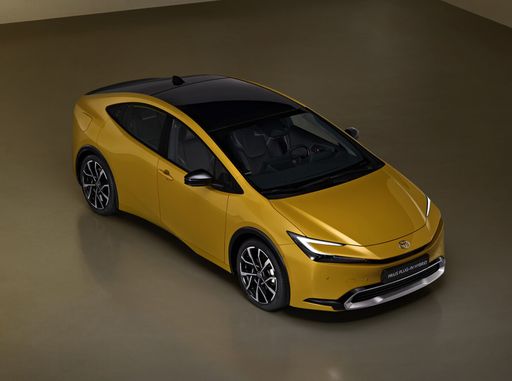
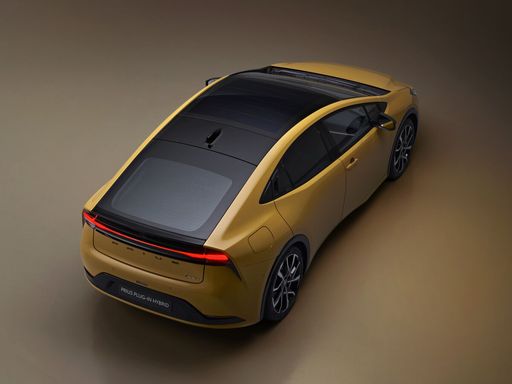
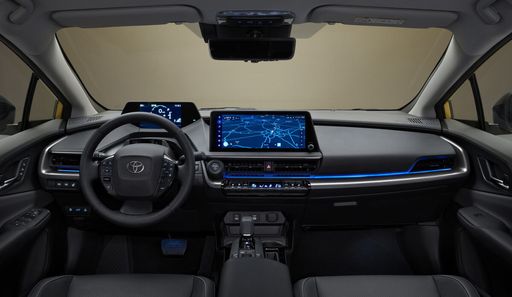
The Toyota Prius stands as a pioneer in the realm of hybrid vehicles, offering an eco-friendly driving alternative with its innovative technology. Its aerodynamic design and comfortable interior make it a practical choice for those looking to reduce their carbon footprint without sacrificing style. Additionally, the Prius boasts a reputation for reliability and efficiency, contributing to its lasting popularity among environmentally conscious drivers.
details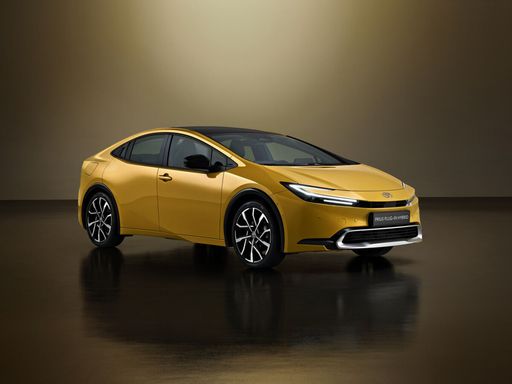 @ Toyota
 @ Toyota
 @ Toyota
 @ Toyota
GWM ORA 07
Toyota Prius
|
|
|
|
|
|
Costs and Consumption |
|
|---|---|
|
Price
36000 - 45800 £
|
Price
39400 - 45800 £
|
|
Consumption L/100km
-
|
Consumption L/100km
0.5 - 0.7 L
|
|
Consumption kWh/100km
16.5 - 17.5 kWh
|
Consumption kWh/100km
-
|
|
Electric Range
440 - 520 km
|
Electric Range
72 - 86 km
|
|
Battery Capacity
64.3 - 83.5 kWh
|
Battery Capacity
-
|
|
co2
0 g/km
|
co2
12 - 17 g/km
|
|
Fuel tank capacity
-
|
Fuel tank capacity
40 L
|
Dimensions and Body |
|
|---|---|
|
Body Type
Hatchback
|
Body Type
Hatchback
|
|
Seats
5
|
Seats
5
|
|
Doors
5
|
Doors
5
|
|
Curb weight
2065 - 2210 kg
|
Curb weight
1620 - 1630 kg
|
|
Trunk capacity
333 L
|
Trunk capacity
284 L
|
|
Length
4871 mm
|
Length
4599 mm
|
|
Width
1862 mm
|
Width
1782 mm
|
|
Height
1500 mm
|
Height
1470 mm
|
|
Payload
350 kg
|
Payload
365 - 375 kg
|
Engine and Performance |
|
|---|---|
|
Engine Type
Electric
|
Engine Type
Plugin Hybrid
|
|
Transmission
Automatic
|
Transmission
Automatic
|
|
Transmission Detail
-
|
Transmission Detail
CVT
|
|
Drive Type
All-Wheel Drive, Front-Wheel Drive
|
Drive Type
Front-Wheel Drive
|
|
Power HP
204 - 408 HP
|
Power HP
223 HP
|
|
Acceleration 0-100km/h
4.5 - 8.2 s
|
Acceleration 0-100km/h
6.80 s
|
|
Max Speed
170 - 180 km/h
|
Max Speed
177 km/h
|
|
Torque
340 - 680 Nm
|
Torque
-
|
|
Number of Cylinders
-
|
Number of Cylinders
4
|
|
Power kW
150 - 300 kW
|
Power kW
164 kW
|
|
Engine capacity
-
|
Engine capacity
1998 cm3
|
General |
|
|---|---|
|
Model Year
2024
|
Model Year
2023
|
|
CO2 Efficiency Class
A
|
CO2 Efficiency Class
B
|
|
Brand
GWM
|
Brand
Toyota
|
GWM ORA 07
Meet the GWM ORA 07: A Step into the Future of Electric Motoring
The GWM ORA 07 stands as a flagship model for Great Wall Motors, offering a formidable blend of style, power, and cutting-edge technology. With its sleek hatchback design, the ORA 07 captures both the eye and the imagination, positioning itself as a serious contender in the modern electric vehicle market.
Engineering Excellence: Power and Performance
Under the bonnet, the GWM ORA 07 boasts an electric motor that delivers between 204 and 408 PS, a testament to its engineering prowess. Depending on the configuration, it can sprint from 0 to 100 km/h in as little as 4.5 seconds. Furthermore, the car’s impressive torque range, topping at 680 Nm, ensures a smooth and exhilarating driving experience regardless of terrain.
Sustainable Innovation: Efficiency and Economy
The ORA 07 achieves a commendable energy consumption between 16.5 and 17.5 kWh per 100 km. Coupled with a battery capacity ranging from 64.3 to 83.5 kWh, the vehicle can traverse distances up to 520 km on a single charge. This remarkable range is perfect for both urban commuting and longer road trips, reducing range anxiety often associated with electric vehicles.
Advanced Driving Dynamics: All-Wheel and Front-Wheel Options
The GWM ORA 07 provides drivers with the choice between an all-wheel-drive and a front-wheel-drive system, augmenting its versatility. This not only enhances the car’s adaptability to different driving conditions but also allows users to tailor the vehicle to their specific lifestyle requirements.
Intelligent Design: Interior and Technology Features
Inside, the ORA 07 comfortably seats five passengers in a spacious and modern cabin. The car is equipped with a variety of technology features aimed at enhancing the driving experience. Its intuitive infotainment system is user-friendly, while the ergonomic seating ensures comfort on the longest drives. The ORA 07's 333-litre boot space is sufficient for most cargo needs, making it an ideal option for families.
Pioneering Safety: CO2-Free Performance
Besides its high performance and luxurious design, the GWM ORA 07 contributes positively to environmental sustainability, producing no CO2 emissions thanks to its electric powertrain. It achieves an A rating in CO2 efficiency, underscoring GWM’s commitment to reducing the automotive industry’s carbon footprint.
Pricing and Availability: A Competitive Offering
With prices ranging from €41,990 to €53,490, the GWM ORA 07 offers excellent value for its class. This competitive pricing, coupled with the range of features and strong performance metrics, ensures that the ORA 07 is a formidable player in the growing electric vehicle market.
Conclusion: The Future is Now
The GWM ORA 07 is more than just a vehicle; it's a glimpse into the future of transportation. With its blend of performance, efficiency, and sustainability, it proves that the electric car doesn’t just have to be environmentally friendly—it can also be thrilling. As it enters the market, the ORA 07 sets a high benchmark for competitors, championing the capabilities of modern electric vehicles.
Toyota Prius
The All-New Toyota Prius: Revolutionising Efficiency and Performance
The Toyota Prius, a name synonymous with hybrid innovation, has once again shown why it remains at the forefront of eco-friendly automotive technology. The latest models have enhanced technical features and innovations, setting new standards for efficiency and driving experience.
Hybrid Performance: A Leap Forward
The latest Prius models employ a sophisticated 2.0 litre Plug-in Hybrid system that flawlessly melds petrol and electric power. With a power output of 223 PS, it propels the Prius with impressive dynamism, reaching 0-100 km/h in just 6.8 seconds. This performance-oriented aspect of the Prius does not compromise on efficiency, with an astonishing fuel consumption ranging from 0.5 to 0.7 L/100km.
Electric Range and Efficiency
One of the key highlights of the new Prius is its substantial electric-only range. Depending on the variant, it can travel between 72 to 86 km on electric power alone, making it an ideal choice for urban commutes where zero emissions are preferred. The hybrid system's CO2 emissions are remarkably low, between 12 and 17 g/km, contributing to its CO2 Efficiency Class B rating.
Engineering Excellence with CVT
The Prius is equipped with a state-of-the-art Continuously Variable Transmission (CVT), ensuring a smooth and efficient drive. This advanced transmission supports the front-wheel-drive layout, delivering power seamlessly and enhancing driving pleasure without sacrificing fuel economy.
Stylish Design and Comfort
Designed as a sleek five-door hatchback, the Prius offers a comfortable and spacious interior with seating for five passengers. It measures 4599 mm in length, 1782 mm in width, and 1470 mm in height, offering a practical balance of size and comfort. The boot space, while tailored for the hybrid battery, still provides a decent 284 litres of storage.
Cost Efficiency
The running costs of the Prius are competitive, with monthly expenses estimated between €1064 and €1188, and cost per kilometre ranging from 42.6 to 47.5 cents. Its efficient design results in a maximum speed of 177 km/h and a practical fuel tank size of 40 litres, ensuring less frequent stops on longer journeys.
Conclusion: The Prius Legacy Continues
The Toyota Prius continues to lead by example in the realm of hybrid technology. Combining impressive power with unmatched efficiency and a sophisticated driving experience, it is clear that the Prius remains a compelling choice for the environmentally conscious driver. Its innovative features and favourable cost metrics only bolster its appeal in the modern automotive landscape.
The prices and data displayed are estimates based on German list prices and may vary by country. This information is not legally binding.