VS

Toyota Corolla vs Toyota Prius comparison

Compare performance (178 HP vs 223 HP), boot space and price (28,600 £ vs 39,400 £ ) at a glance. Find out which car is the better choice for you – Toyota Corolla or Toyota Prius?

Toyota Corolla vs Toyota Prius: Key differences

Toyota Corolla

5 (1 Reviews)
rate
  • visibly cheaper
  • a bit lighter
  • visibly more trunk space

Toyota Prius

4.7 (1 Reviews)
rate
  • noticeably more power
  • clearly more efficient
  • moderately quicker 0–100 km/h
Corolla

The Battle of Efficiency: Toyota Corolla vs. Toyota Prius

When it comes to environmentally conscious driving paired with reliable performance, Toyota has two shining stars that come to mind: the iconic Toyota Corolla and the futuristic Toyota Prius. Both vehicles are designed with efficiency and innovation as top priorities but cater to slightly different audiences. Let's delve into the technical aspects and innovations that differentiate these models.
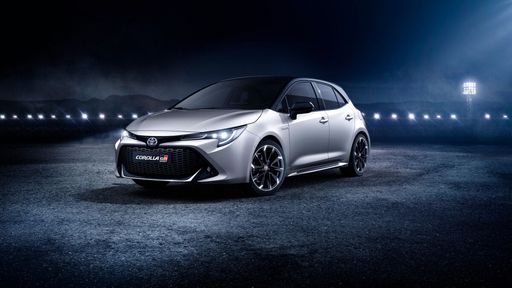
Prius

Engine and Performance

The Toyota Corolla stands as a staple in the hybrid market with its Full Hybrid engine, providing power ranging from 140 to 196 HP. It's equipped with a continuously variable transmission (CVT) for seamless gear shifts and features front-wheel drive, maximizing control and fuel efficiency. With a choice of engine capacities—1798 cm3 to 1987 cm3—it offers acceleration from 0 to 100 km/h between 9.2 and 7.5 seconds, ensuring a lively drive. The Corolla's CO2 emissions are kept at a modest 100 g/km.

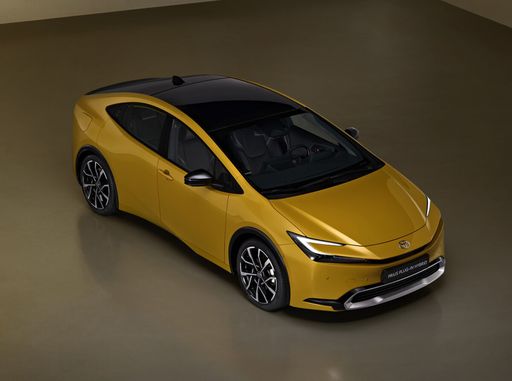
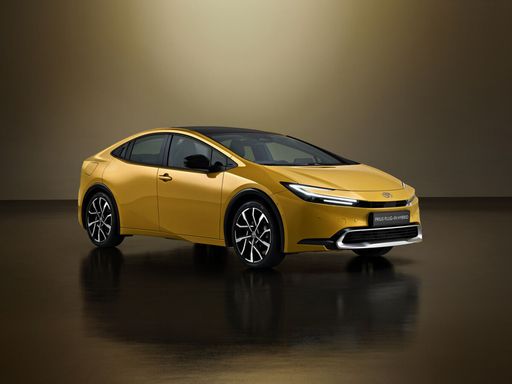
On the other hand, the Prius pushes the boundaries further by featuring a Plugin Hybrid engine, delivering a robust 223 HP. It also utilizes a CVT and front-wheel drive. A standout feature is its ability to cover 72 km to 86 km on electric power alone, showcasing an impressive fuel consumption of just 0.5 to 0.7 L/100km. Beyond efficiency, the Prius accelerates from 0 to 100 km/h in just 6.8 seconds and maintains CO2 emissions as low as 12 g/km, making it a formidable choice for the eco-conscious driver.

Corolla

Size and Design

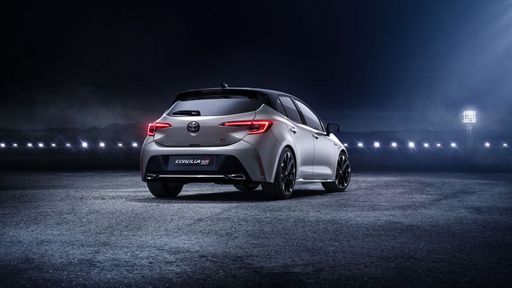
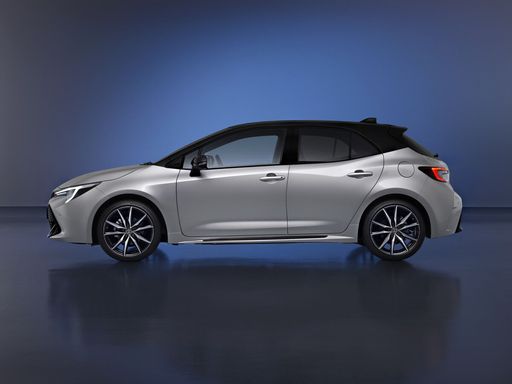
The Corolla, available in years spanning from 2023 to 2025, offers a compact design with a length of 4370 mm, a width of 1790 mm, and a height of 1435 mm. Despite its compact form, it doesn't skimp on practicality; it offers a trunk capacity of 313 to 361 liters and supports a payload of up to 450 kg.

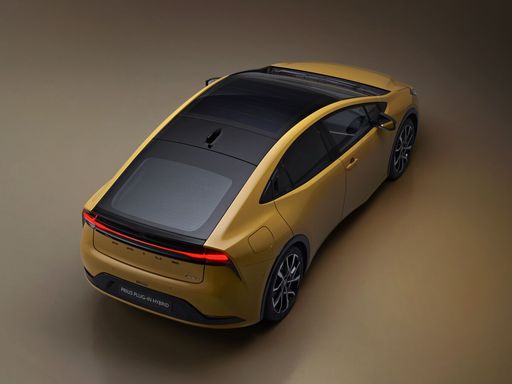
The Prius, launched in 2023, is slightly longer at 4599 mm, with a width of 1782 mm, and a height of 1470 mm. It presents a more aerodynamic silhouette, though it offers a lower trunk capacity of 284 liters. The focus on efficiency ensures a payload capacity of up to 375 kg.

Prius

Interior and Comfort

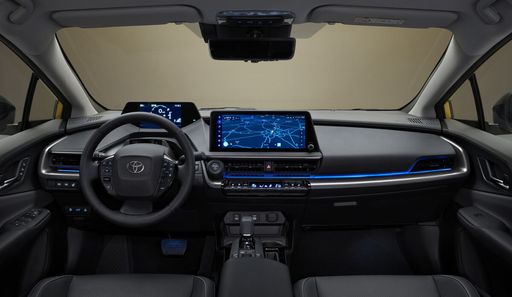
Both the Corolla and Prius accommodate five passengers, ensuring comfort and space for all occupants. Toyota's commitment to creating a pleasant driving experience is evident in the quality of materials used and the thoughtful layout of controls and infotainment systems in both models.

Corolla

Closing Thoughts

In summary, while both Toyota Corolla and Prius boast impressive efficiency and power, they appeal to different needs. The Corolla is versatile, offering various power outputs and a larger trunk space for those who frequently carry cargo, blending performance with practicality. Meanwhile, the Prius is ideal for those prioritizing minimal emissions and maximizing electric range without compromising power and acceleration. Automotive enthusiasts looking for eco-friendly technology combined with Toyota's renowned reliability will find an excellent choice in either model.

Here’s where it gets real: The technical differences in detail

Corolla

Costs and Efficiency:

Looking at overall running costs, both models reveal some interesting differences in everyday economy.

Toyota Corolla is visibly cheaper – starting at 28,600 £ , while the Toyota Prius costs 39,400 £ . That’s a price difference of around 10,843 £.

Fuel consumption also shows a difference: the Toyota Prius uses 0.5 L/100km and is clearly more efficient than the Toyota Corolla with 4.4 L/100km. The difference is about 3.9 L/100km.

Prius

Engine and Performance:

Power, torque and acceleration are the classic benchmarks for car enthusiasts – and here, some clear differences start to show.

When it comes to engine power, the Toyota Prius offers noticeably more power – delivering 223 HP compared to 178 HP. That’s roughly 45 HP more horsepower.

When accelerating from 0 to 100 km/h, the Toyota Prius is moderately quicker – completing the sprint in 6.8 s, while the Toyota Corolla takes 7.5 s. That’s about 0.7 s quicker.

Looking at top speed, the Toyota Corolla is very slightly faster – reaching 180 km/h, while the Toyota Prius tops out at 177 km/h. The difference is around 3 km/h.

Corolla

Space and Everyday Use:

Whether family car or daily driver – which one offers more room, flexibility and comfort?

Both vehicles offer seating for 5 people.

In terms of curb weight, Toyota Corolla is a bit lighter – 1,420 kg compared to 1,620 kg. The difference is around 200 kg.

Looking at boot space, the Toyota Corolla offers visibly more boot space – 361 L compared to 284 L. That’s a difference of about 77 L.

When it comes to payload, the Toyota Corolla carries somewhat more – 450 kg compared to 375 kg. That’s a difference of about 75 kg.

Who wins the race in the data check?

The Toyota Prius is decisively ahead in the objective data comparison.
This result only shows which model scores more points on paper – not which of the two cars feels right for you.

from £39,400
Prius

Toyota Prius

  • Engine Type : Plugin Hybrid
  • Transmission : Automatic
  • Drive Type : Front-Wheel Drive
  • Power HP : 223 HP
  • Consumption L/100km : 0.5 - 0.7 L/100km
  • Electric Range : 72 - 86 km
Toyota Corolla
Toyota Prius

Costs and Consumption

View detailed analysis

Engine and Performance

View detailed analysis

Dimensions and Body

View detailed analysis

Toyota Corolla

The Toyota Corolla remains the steady, no-nonsense compact that puts reliability and low running costs at the top of your shopping list, with a comfortable, well-built interior that won't embarrass you at the supermarket. It won't set your pulse racing, but it's an honest, easy-to-live-with car that makes smart sense for buyers who want dependability and sensible value with a dash of modern tech.

details

Toyota Prius

The Prius glides through traffic like a wise commuter's secret weapon, balancing miserly running costs with an unflappable sense of reliability. It's not a thrill seeker, but its roomy cabin, sensible packaging and low-stress driving personality make it a brilliant choice for buyers who value peace of mind over pulse-raising performance.

details
Toyota Corolla
Toyota Prius

Costs and Consumption

Price
28,600 - 34,900 £
Price
39,400 - 45,800 £
Consumption L/100km
4.4 L/100km
Consumption L/100km
0.5 - 0.7 L/100km
Consumption kWh/100km
-
Consumption kWh/100km
-
Electric Range
-
Electric Range
72 - 86 km
Battery Capacity
-
Battery Capacity
-
co2
100 g/km
co2
12 - 17 g/km
Fuel tank capacity
43 L
Fuel tank capacity
40 L

Dimensions and Body

Body Type
Hatchback
Body Type
Hatchback
Seats
5
Seats
5
Doors
5
Doors
5
Curb weight
1,420 - 1,460 kg
Curb weight
1,620 - 1,630 kg
Trunk capacity
313 - 361 L
Trunk capacity
284 L
Length
4,370 mm
Length
4,599 mm
Width
1,790 mm
Width
1,782 mm
Height
1,435 mm
Height
1,470 mm
Max trunk capacity
1,004 - 1,052 L
Max trunk capacity
-
Payload
400 - 450 kg
Payload
365 - 375 kg

Engine and Performance

Engine Type
Full Hybrid
Engine Type
Plugin Hybrid
Transmission
Automatic
Transmission
Automatic
Transmission Detail
CVT
Transmission Detail
CVT
Drive Type
Front-Wheel Drive
Drive Type
Front-Wheel Drive
Power HP
140 - 178 HP
Power HP
223 HP
Acceleration 0-100km/h
7.5 - 9.2 s
Acceleration 0-100km/h
6.8 s
Max Speed
180 km/h
Max Speed
177 km/h
Torque
-
Torque
-
Number of Cylinders
4
Number of Cylinders
4
Power kW
103 - 131 kW
Power kW
164 kW
Engine capacity
1,798 - 1,987 cm3
Engine capacity
1,998 cm3

General

Model Year
2,025
Model Year
2,023
CO2 Efficiency Class
C
CO2 Efficiency Class
B
Brand
Toyota
Brand
Toyota
DriveDuel uses data analysis and artificial intelligence to evaluate vehicle data and create content. Content is regularly reviewed and improved. The displayed prices are estimates based on German list prices, adjusted to the respective country’s VAT. Country-specific registration taxes are not included. This information is not legally binding.