VS

Toyota C-HR vs Toyota Corolla comparison

Compare performance (223 HP vs 178 HP), boot space and price (29,100 £ vs 28,600 £ ) at a glance. Find out which car is the better choice for you – Toyota C-HR or Toyota Corolla?

Toyota C-HR vs Toyota Corolla: Key differences

Toyota C-HR

4.9 (6 Reviews)
rate
  • clearly more power
  • substantially more efficient
  • marginally quicker 0–100 km/h
  • moderately more trunk space
details

Toyota Corolla

5 (1 Reviews)
rate
  • marginally cheaper
  • marginally lighter
details

All details on performance, efficiency, range and trunk space can be found in the technical comparison below – including user reviews for both models.

By Achim Sedelmaier

C-HR

Overview: Toyota C‑HR VS Toyota Corolla — personality versus pragmatism

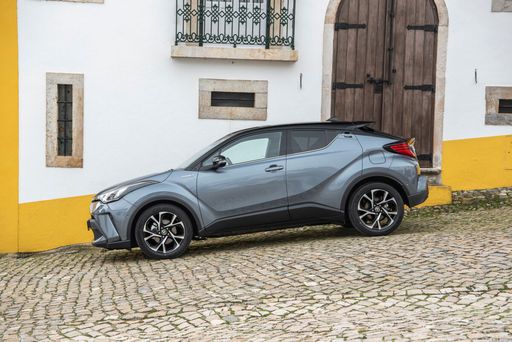
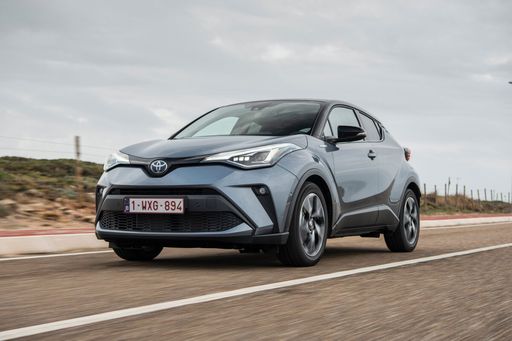
Toyota C‑HR VS Toyota Corolla frames a clear choice between a design‑led compact crossover and a more conventional, utility‑focused compact. The Toyota C‑HR sells itself on distinctive styling, a modern cabin feel and very low everyday fuel use with an optional plug‑in variant that changes commuting patterns. The Toyota Corolla trades some of that flair for a calmer, more spacious everyday experience and, in estate form, visibly better luggage handling. This comparison focuses on how those real‑world differences play out in daily life rather than on raw numbers.
Corolla

Character and driving feel

Driving the Toyota C‑HR feels intentionally assertive: the steering is direct, the car negotiates tight turns with poise and the hybrid systems are optimised for quiet city progress. The Toyota Corolla, by contrast, is tuned for composure — it behaves more anonymously on the road and rewards smooth inputs rather than sporty attempts. Both cars exhibit the familiar CVT vocal character when worked hard, but the C‑HR’s drivetrain tends to sound more strained during strong accelerations. In practice that means C‑HR buyers get livelier urban response while Corolla owners get a less dramatic, more relaxed daily drive.

C-HR

Comfort and long‑distance behaviour

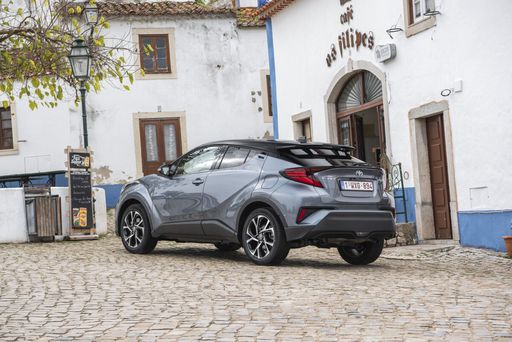
On long trips the Toyota Corolla generally feels the more relaxed companion thanks to seats and suspension set up for steady, low‑fatigue miles. The Toyota C‑HR is very comfortable around town and stable at speed, yet its lower roofline and occasionally larger wheels can make extended journeys feel firmer and the cabin a touch tighter. Rear‑seat occupants notice the difference most: Corolla’s rear space is more forgiving, especially in the estate version, while the C‑HR’s sloping roof creates a darker, more confined feeling. If you spend a lot of time on motorways or carry full‑size adults in the back, Corolla will tend to win on comfort over long distances.

Corolla

Practicality and everyday usability

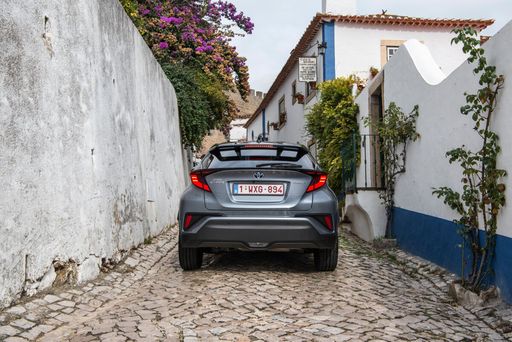
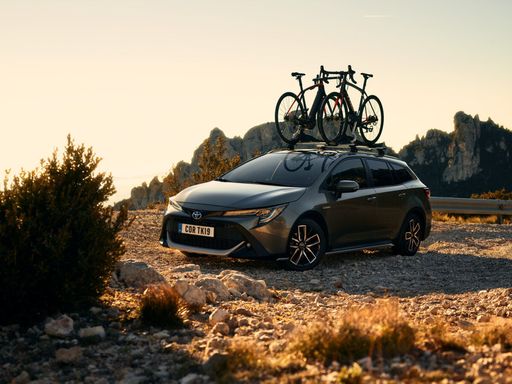
Practicality is where the Toyota Corolla starts to pull ahead in everyday life: the Corolla’s layout—most notably in Touring Sports form—makes loading, child‑seat access and bulky gear simpler than the Toyota C‑HR. The C‑HR’s boot is noticeably tighter, with a higher loading lip and awkward nooks that punish large or heavy items, and that penalty grows if you select the plug‑in version. Corolla’s hatch and estate packaging give flatter floors, easier stowage and generally fewer small hassles on grocery or weekend trips. In short, families and users who prioritise cargo flexibility will find Corolla less fussy day‑to‑day.

C-HR

Cabin feel and perceived quality

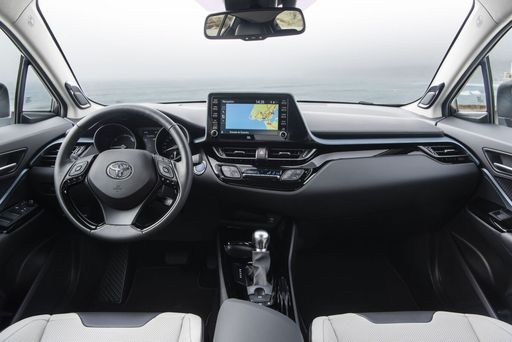
Inside, the Toyota C‑HR aims for a more contemporary, slightly more premium feel: materials, graphics and switchgear often feel a step above the Corolla’s workmanlike cabin. The Toyota Corolla answers with robust build quality and a practical control layout that prioritises clarity and long‑term durability over flash. Infotainment is a notable split — the C‑HR’s system feels snappier and physical climate controls are handy, but its persistent warning chimes irritate some owners. Corolla’s system has improved, yet it retains a staid, dependable character: less showy but likely to remain unobtrusive over years of use.

Corolla

Buyer fit — who should choose which car

Choosing between the Toyota C‑HR and Toyota Corolla ultimately comes down to lifestyle priorities rather than a single technical edge. Choose the C‑HR if you value bold design, a slightly more upscale cabin feel and the option of a plug‑in drivetrain that can make daily commutes almost electric. Choose the Corolla if you prioritise everyday practicality, easier rear‑seat accommodation and a quieter, more relaxed long‑distance companion—especially if you favour the Touring Sports estate. Below this editorial we’ll move into the technical comparison to map those everyday impressions onto specific powertrain, boot and economy differences so you can match features to real needs.

Here’s where it gets real: The technical differences in detail

C-HR

Costs and Efficiency:

Price and efficiency are key factors when choosing a car – and this is often where the real differences emerge.

Toyota Corolla is marginally cheaper – starting at 28,600 £ , while the Toyota C-HR costs 29,100 £ . That’s a price difference of around 557 £.

Fuel consumption also shows a difference: the Toyota C-HR uses 2.3 L/100km and is substantially more efficient than the Toyota Corolla with 4.4 L/100km. The difference is about 2.1 L/100km.

Corolla

Engine and Performance:

Under the bonnet, it becomes clear which model is tuned for sportiness and which one takes the lead when you hit the accelerator.

When it comes to engine power, the Toyota C-HR offers clearly more power – delivering 223 HP compared to 178 HP. That’s roughly 45 HP more horsepower.

When accelerating from 0 to 100 km/h, the Toyota C-HR is marginally quicker – completing the sprint in 7.4 s, while the Toyota Corolla takes 7.5 s. That’s about 0.1 s quicker.

C-HR

Space and Everyday Use:

Whether family car or daily driver – which one offers more room, flexibility and comfort?

Both vehicles offer seating for 5 people.

In terms of curb weight, Toyota Corolla is marginally lighter – 1,420 kg compared to 1,505 kg. The difference is around 85 kg.

Looking at boot space, the Toyota C-HR offers moderately more boot space – 447 L compared to 361 L. That’s a difference of about 86 L.

When it comes to payload, the Toyota Corolla carries marginally more – 450 kg compared to 425 kg. That’s a difference of about 25 kg.

Who wins the race in the data check?

The Toyota C-HR is far ahead overall in the objective data comparison.
This result only shows which model scores more points on paper – not which of the two cars feels right for you.

from £29,100
C-HR

Toyota C-HR

  • Engine Type : Full Hybrid, Plugin Hybrid
  • Transmission : Automatic
  • Drive Type : Front-Wheel Drive, All-Wheel Drive
  • Power HP : 140 - 223 HP
  • Consumption L/100km : 2.3 - 5.1 L/100km
  • Electric Range : 66 km
Toyota C-HR
Toyota Corolla

Costs and Consumption

View detailed analysis

Engine and Performance

View detailed analysis

Dimensions and Body

View detailed analysis

Toyota C-HR

The Toyota C-HR is a bold, coupe-styled crossover that grabs attention with angular lines and a modern interior design. It’s aimed at comfortable urban driving and sensible efficiency, offering practical features and distinctive looks rather than rugged off-road ability.

details

Toyota Corolla

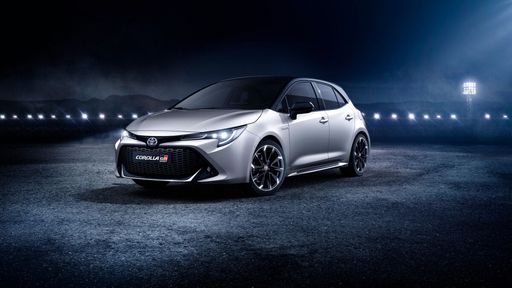
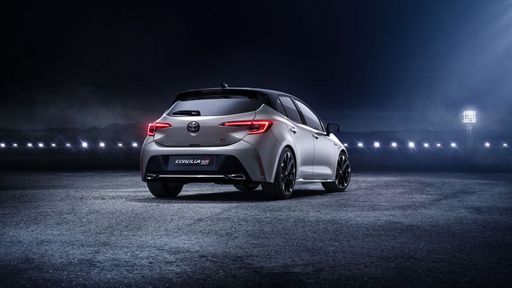
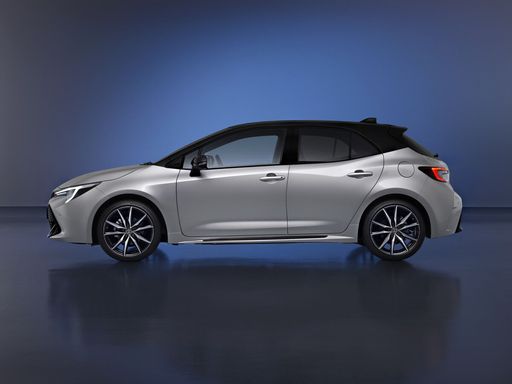
The Corolla is a reliable, no-nonsense compact car known for its practicality and composed ride. It’s economical to run, easy to maintain, and suits daily commuting while holding its value well.

details
Toyota C-HR
Toyota Corolla

Costs and Consumption

Price
29,100 - 42,800 £
Price
28,600 - 34,900 £
Consumption L/100km
2.3 - 5.1 L/100km
Consumption L/100km
4.4 L/100km
Consumption kWh/100km
-
Consumption kWh/100km
-
Electric Range
66 km
Electric Range
-
Battery Capacity
-
Battery Capacity
-
co2
52 - 116 g/km
co2
100 g/km
Fuel tank capacity
-
Fuel tank capacity
43 L

Dimensions and Body

Body Type
SUV
Body Type
Hatchback
Seats
5
Seats
5
Doors
-
Doors
5
Curb weight
1,505 - 1,755 kg
Curb weight
1,420 - 1,460 kg
Trunk capacity
350 - 447 L
Trunk capacity
313 - 361 L
Length
-
Length
4,370 mm
Width
1,832 mm
Width
1,790 mm
Height
-
Height
1,435 mm
Max trunk capacity
-
Max trunk capacity
1,004 - 1,052 L
Payload
375 - 425 kg
Payload
400 - 450 kg

Engine and Performance

Engine Type
Full Hybrid, Plugin Hybrid
Engine Type
Full Hybrid
Transmission
Automatic
Transmission
Automatic
Transmission Detail
CVT
Transmission Detail
CVT
Drive Type
Front-Wheel Drive, All-Wheel Drive
Drive Type
Front-Wheel Drive
Power HP
140 - 223 HP
Power HP
140 - 178 HP
Acceleration 0-100km/h
7.4 - 9.9 s
Acceleration 0-100km/h
7.5 - 9.2 s
Max Speed
-
Max Speed
180 km/h
Torque
-
Torque
-
Number of Cylinders
4
Number of Cylinders
4
Power kW
103 - 164 kW
Power kW
103 - 131 kW
Engine capacity
1,798 - 1,987 cm3
Engine capacity
1,798 - 1,987 cm3

General

Model Year
2026
Model Year
2025
CO2 Efficiency Class
C, D, B
CO2 Efficiency Class
C
Brand
Toyota
Brand
Toyota
DriveDuel uses data analysis and artificial intelligence to evaluate vehicle data and create content. Content is regularly reviewed and improved. The displayed prices are estimates based on German list prices, adjusted to the respective country’s VAT. Country-specific registration taxes are not included. This information is not legally binding.