VS

Toyota C-HR vs Toyota C-HR+ comparison

Compare performance (223 HP vs 343 HP), boot space and price (29,100 £ vs 36,000 £ ) at a glance. Find out which car is the better choice for you – Toyota C-HR or Toyota C-HR+?

Toyota C-HR vs Toyota C-HR+: Key differences

Toyota C-HR

4.9 (6 Reviews)
rate
  • clearly cheaper
  • visibly lighter
  • very slightly more trunk space
details

Toyota C-HR+

  • noticeably more power
  • substantially more electric range
  • significantly quicker 0–100 km/h
details

All details on performance, efficiency, range and trunk space can be found in the technical comparison below – including user reviews for both models.

By Achim Sedelmaier

C-HR

Toyota C-HR vs Toyota C-HR+: the real-world differences that matter

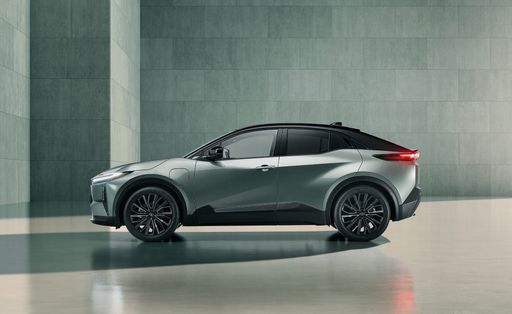
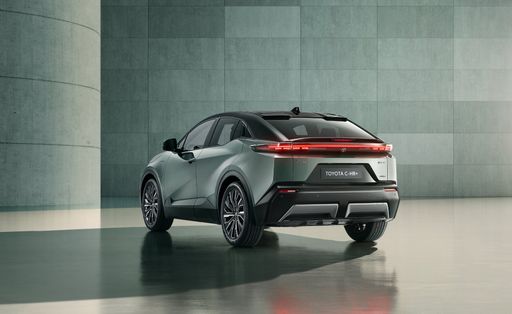
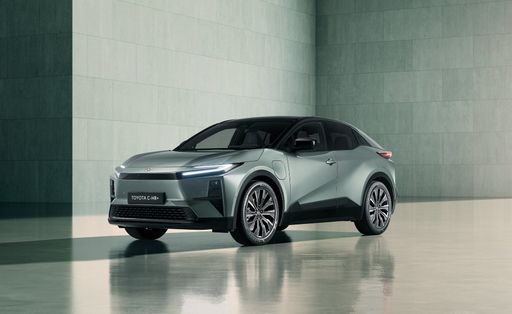
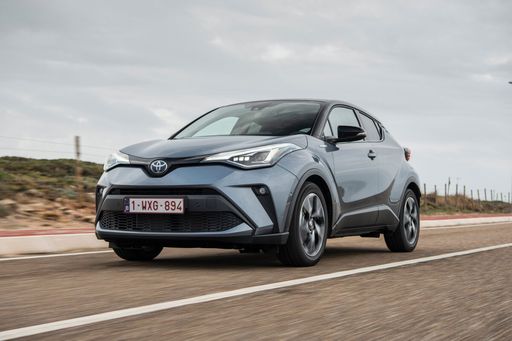
The Toyota C-HR and Toyota C-HR+ look near-identical, but they feel different where it counts: in how you power them, how they carry your stuff, and how they behave day to day. Think of the C-HR as the straightforward hybrid that sips fuel without asking for a plug, while the C-HR+ is the plug-in that can cover commutes on electricity if you charge regularly. Both share the same striking, coupe-like shape and a modern cabin, yet the extra hardware in the C-HR+ changes its character on the move and in the boot. Price and weight also pull them in different directions, so your usage pattern is the real tie-breaker. This Toyota C-HR VS Toyota C-HR+ matchup is about choosing the powertrain philosophy that fits your life, not just a trim step.
C-HR+

Driving character and pace

The Toyota C-HR has a lighter, breezier feel in everyday traffic, with easy steering and a relaxed, balanced gait. The Toyota C-HR+ responds more eagerly from a standstill thanks to its electric shove, and that extra punch makes short merges and gaps feel effortless. You do sense its added mass over sharp bumps, though, where the regular C-HR can feel a touch more fluid. Both settle down nicely at a cruise, and both can sound strained if you repeatedly floor it, but the C-HR+ often masks the effort better at urban speeds by gliding on electric power. If you want the livelier sprint, the C-HR+ is the one; if you prefer a more effortless, light-on-its-feet vibe, the C-HR leans that way.

C-HR

Comfort and long-distance behavior

On poor surfaces, the Toyota C-HR rides with a calm, supple rhythm that suits commuting, especially on sensible wheel sizes. The Toyota C-HR+ stays comfortable too, but its added hardware can translate to a firmer edge on sharp imperfections and a tad more thump over speed cushions. At motorway pace both are quiet and secure, with the C-HR+ feeling particularly serene when it can lean on its electric side at gentle throttle. For big trips, the C-HR’s simplicity plays well with spontaneous stops, while the C-HR+ is happiest when you treat charging as part of your routine rather than a road-trip tactic. Either way, they cruise with composure; how you refuel or recharge is the real comfort swing factor over distance.

C-HR+

Cabin feel and usability

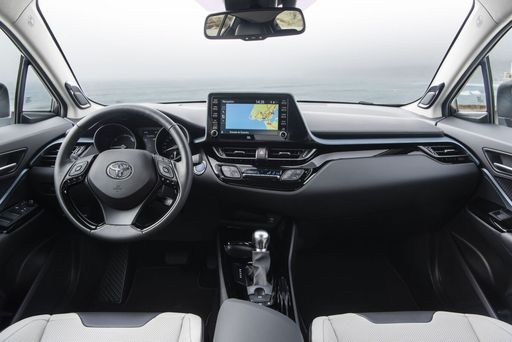
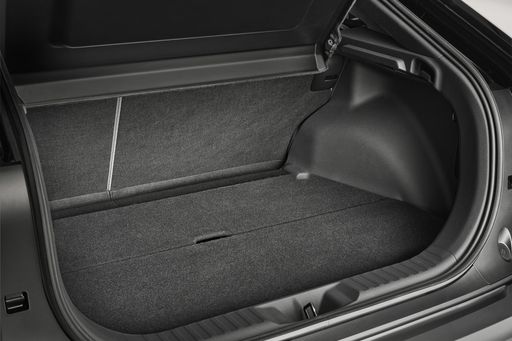
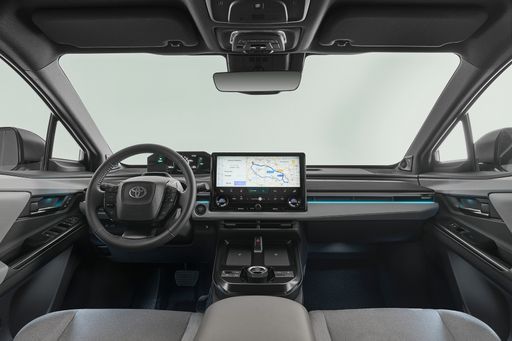
Inside, both Toyota C-HR versions deliver a modern, well-sorted cockpit with clear screens and welcome physical climate buttons. Rear space and window area are the same story for both: fine for kids or occasional adults, but taller passengers will notice the sloping roof and darker feel. The usability split appears in the boot, where the Toyota C-HR offers a bit more real-world flexibility, while the Toyota C-HR+ sacrifices some space to its battery and adds the hassle of storing charging cables. Small annoyances—like the high loading lip and limited rear visibility—affect both equally, so rely on cameras and plan packing carefully. If the weekly shop and ad-hoc luggage matter, the standard C-HR’s marginally easier cargo life is noticeable.

C-HR

City manners and daily running costs

Both Toyotas are city naturals thanks to compact dimensions, light controls, and smooth low-speed manners. The Toyota C-HR+ turns short-hop commutes into near-silent EV runs if you can plug in at home or work, and that can slash local running costs and emissions. Without regular charging, its advantage fades, and you’re carrying complexity and cost you won’t fully use—territory where the frugal Toyota C-HR shines. Also note that the C-HR+ typically relies on AC charging and isn’t built for frequent, rapid top-ups on the move. In town the C-HR+ feels more soothing when you live the EV lifestyle; if you just want to get in and go, the C-HR keeps costs low with zero charging admin.

C-HR+

Value, equipment, and who each suits best

Positioning makes the Toyota C-HR the value play: simpler to buy, still well equipped, and efficient without a plug. The Toyota C-HR+ often brings stronger acceleration and more drive modes, and it can be financially compelling where tax rules reward plug-ins and home charging is easy. Both feel solidly built and generously assisted, but the C-HR+ asks a higher entry price and gives back primarily through electric miles and punchier response. If you’re a private buyer focused on price, simplicity, and spontaneous long trips, the C-HR fits neatly. If you’re a commuter with off-street charging, chasing low Benefit-in-Kind and effortless EV town miles, the C-HR+ makes a sharper case—how each powertrain is packaged and used will decide it for you next.

Here’s where it gets real: The technical differences in detail

C-HR

Costs and Efficiency:

When it comes to price and running costs, the biggest differences usually appear. This is often where you see which car fits your budget better in the long run.

Toyota C-HR is clearly cheaper – starting at 29,100 £ , while the Toyota C-HR+ costs 36,000 £ . That’s a price difference of around 6,857 £.

As for electric range, the Toyota C-HR+ offers substantially more range – reaching up to 607 km, about 541 km more than the Toyota C-HR.

C-HR+

Engine and Performance:

Power, torque and acceleration are the classic benchmarks for car enthusiasts – and here, some clear differences start to show.

When it comes to engine power, the Toyota C-HR+ offers noticeably more power – delivering 343 HP compared to 223 HP. That’s roughly 120 HP more horsepower.

When accelerating from 0 to 100 km/h, the Toyota C-HR+ is significantly quicker – completing the sprint in 5.2 s, while the Toyota C-HR takes 7.4 s. That’s about 2.2 s quicker.

C-HR

Space and Everyday Use:

Whether family car or daily driver – which one offers more room, flexibility and comfort?

Both vehicles offer seating for 5 people.

In terms of curb weight, Toyota C-HR is visibly lighter – 1,505 kg compared to 1,810 kg. The difference is around 305 kg.

Looking at boot space, the Toyota C-HR offers very slightly more boot space – 447 L compared to 416 L. That’s a difference of about 31 L.

When it comes to payload, the Toyota C-HR+ carries markedly more – 655 kg compared to 425 kg. That’s a difference of about 230 kg.

Who wins the race in the data check?

The Toyota C-HR+ stands well ahead of its rival in the objective data comparison.
This result only shows which model scores more points on paper – not which of the two cars feels right for you.

from £36,000
C-HR+

Toyota C-HR+

  • Engine Type : Electric
  • Transmission : Automatic
  • Drive Type : Front-Wheel Drive, All-Wheel Drive
  • Power HP : 167 - 343 HP
  • Consumption kWh/100km : 13.4 - 15.5 kWh/100km
  • Electric Range : 458 - 607 km
Toyota C-HR
Toyota C-HR+

Costs and Consumption

View detailed analysis

Engine and Performance

View detailed analysis

Dimensions and Body

View detailed analysis

Toyota C-HR

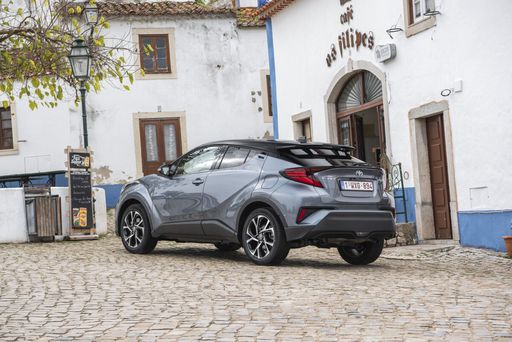
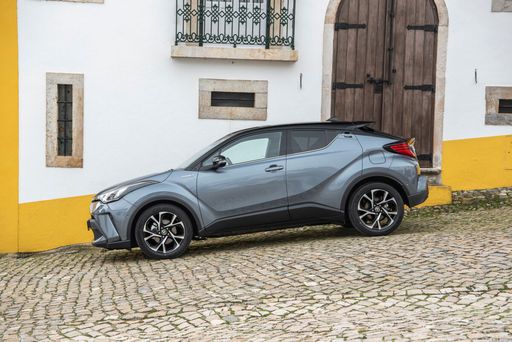
The Toyota C-HR is a bold, coupe-styled crossover that grabs attention with angular lines and a modern interior design. It’s aimed at comfortable urban driving and sensible efficiency, offering practical features and distinctive looks rather than rugged off-road ability.

details

Toyota C-HR+

The Toyota C‑HR is a distinctive crossover that pairs bold, coupe‑like styling with a comfortable, composed ride suited to daily city and suburban driving. It appeals to buyers who value standout design, practical cabin packaging and a refined, easy‑to‑use experience rather than outright performance or rugged off‑road ability.

details
Toyota C-HR
Toyota C-HR+

Costs and Consumption

Price
29,100 - 42,800 £
Price
36,000 - 46,300 £
Consumption L/100km
2.3 - 5.1 L/100km
Consumption L/100km
-
Consumption kWh/100km
-
Consumption kWh/100km
13.4 - 15.5 kWh/100km
Electric Range
66 km
Electric Range
458 - 607 km
Battery Capacity
-
Battery Capacity
-
co2
52 - 116 g/km
co2
0 g/km
Fuel tank capacity
-
Fuel tank capacity
-

Dimensions and Body

Body Type
SUV
Body Type
SUV
Seats
5
Seats
5
Doors
-
Doors
-
Curb weight
1,505 - 1,755 kg
Curb weight
1,810 - 2,010 kg
Trunk capacity
350 - 447 L
Trunk capacity
416 L
Length
-
Length
-
Width
1,832 mm
Width
1,870 mm
Height
-
Height
-
Max trunk capacity
-
Max trunk capacity
-
Payload
375 - 425 kg
Payload
550 - 655 kg

Engine and Performance

Engine Type
Full Hybrid, Plugin Hybrid
Engine Type
Electric
Transmission
Automatic
Transmission
Automatic
Transmission Detail
CVT
Transmission Detail
Reduction Gearbox
Drive Type
Front-Wheel Drive, All-Wheel Drive
Drive Type
Front-Wheel Drive, All-Wheel Drive
Power HP
140 - 223 HP
Power HP
167 - 343 HP
Acceleration 0-100km/h
7.4 - 9.9 s
Acceleration 0-100km/h
5.2 - 8.4 s
Max Speed
-
Max Speed
-
Torque
-
Torque
268 - 338 Nm
Number of Cylinders
4
Number of Cylinders
-
Power kW
103 - 164 kW
Power kW
123 - 252 kW
Engine capacity
1,798 - 1,987 cm3
Engine capacity
-

General

Model Year
2026
Model Year
2026
CO2 Efficiency Class
C, D, B
CO2 Efficiency Class
A
Brand
Toyota
Brand
Toyota
DriveDuel uses data analysis and artificial intelligence to evaluate vehicle data and create content. Content is regularly reviewed and improved. The displayed prices are estimates based on German list prices, adjusted to the respective country’s VAT. Country-specific registration taxes are not included. This information is not legally binding.