VS

Tesla Model Y vs Toyota C-HR+ comparison

Compare performance (460 HP vs 343 HP), boot space and price (34,300 £ vs 36,000 £ ) at a glance. Find out which car is the better choice for you – Tesla Model Y or Toyota C-HR+?

Tesla Model Y vs Toyota C-HR+: Key differences

Tesla Model Y

4.5 (5 Reviews)
rate
  • marginally cheaper
  • clearly more power
  • marginally more efficient
  • barely more electric range
  • substantially quicker 0–100 km/h
  • substantially more trunk space
details

Toyota C-HR+

  • marginally lighter
details

All details on performance, efficiency, range and trunk space can be found in the technical comparison below – including user reviews for both models.

By Achim Sedelmaier

Model Y

Tesla Model Y vs Toyota C-HR+: real-world differences that matter

The Tesla Model Y VS Toyota C-HR+ matchup pits a tech-forward electric SUV against a stylish, efficiency-focused plug-in hybrid. The Model Y leans into long-range ease, big-car usefulness and software polish, while the C-HR+ trades ultimate space for city-friendly size and straightforward controls. Both are quiet and frugal, but they go about everyday life very differently. If you’re choosing between them, it comes down to how you drive, where you park, and how much you carry.
C-HR+

Driving character: instant thrust or calm efficiency

The Tesla Model Y feels effortlessly quick and composed, with smooth one-pedal driving that takes the edge off stop‑go traffic and ramps cleanly into motorway pace. The Toyota C-HR+ is gentler by nature: electric glide around town, easygoing at a cruise, but its hybrid system can sound strained when you ask for full power. In tight streets the C-HR+ feels smaller and more nimble, whereas the Model Y’s size and turning circle are less forgiving in old-town car parks. On a flowing road, the Tesla is the brisker tool; the Toyota is the more relaxed companion.

Model Y

Ride comfort and cabin calm

The Model Y is impressively hushed at speed, but its suspension remains on the firm side, especially over battered surfaces or with big wheels. The C-HR+ rides with a softer baseline and stays settled in everyday use, though sharp jolts can still thump through if you go large on rims. Both settle down nicely on the motorway; the Tesla isolates wind noise better, the Toyota dials down effort with a soothing, predictable gait. Rear visibility isn’t a strength for either, so you’ll rely on cameras more than you might expect in rain or crowded streets.

C-HR+

Tech and usability: minimalism vs familiar buttons

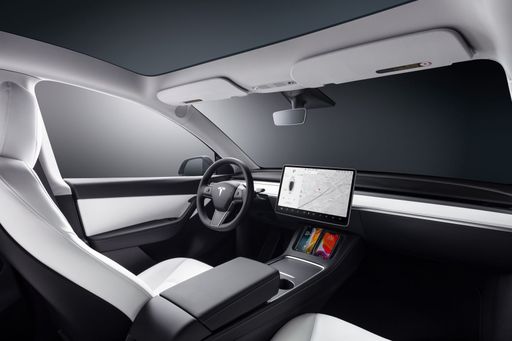
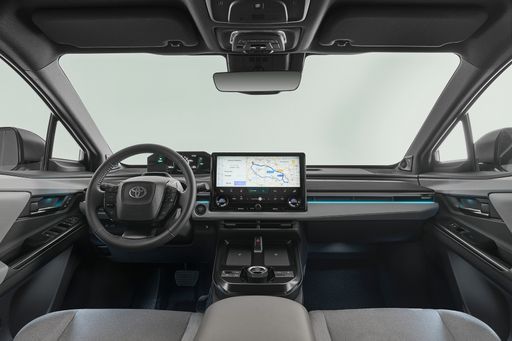
The Tesla Model Y runs almost everything through a slick central screen with quick responses and useful OTA features, but it forgoes Apple CarPlay and Android Auto and hides basics like wipers in menus. The Toyota C-HR+ mixes a big, clear display with proper climate knobs and straightforward steering‑wheel buttons, plus seamless smartphone mirroring that just works. Driver assists feel conservative and chatty in the Toyota; the Tesla’s are powerful but can be inconsistent, so trust builds more slowly. If you live on your phone and prefer tactile controls, the C-HR+ feels instantly friendly; if you value integrated nav with smart charging stops, the Tesla’s ecosystem shines.

Model Y

Space and practicality: family hauler or style-first

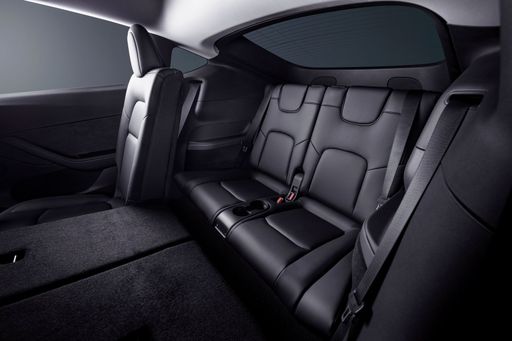
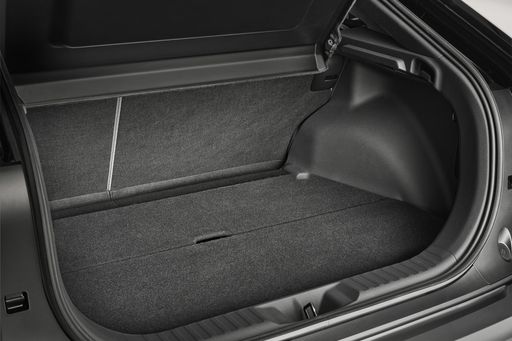
The Model Y is the easy choice if you measure life in strollers, sports bags and flat‑pack boxes: a huge, square cargo area, extra underfloor space and a frunk make errands simple. Rear access is generous and child seats click in without gymnastics, and there’s even an occasional‑use third row available in some configurations. The Toyota C-HR+ prioritizes style, which brings a tighter rear seat, smaller windows and a compact boot with a high loading lip in PHEV form. For couples or urbanites with light luggage it’s fine; for growing families, the Tesla’s sheer usability changes the week.

C-HR+

Range, charging and the ownership pattern

As a pure EV, the Tesla Model Y is built for distance: efficient at speed, calm on long days and backed by the Supercharger network that reduces planning stress. The Toyota C-HR+ is at its best if you plug in nightly and keep commutes within its EV comfort zone; on longer trips it cruises quietly as a hybrid but lacks DC fast charging. City dwellers with short routines and home charging will love the C-HR+’s electric glide and small‑car agility. Frequent road‑trippers, families and tech‑leaning buyers will feel more at home in the Model Y’s long‑legged, integrated EV ecosystem, and the tech spec below will help you lock in which trade‑offs suit your life.

Here’s where it gets real: The technical differences in detail

Model Y

Costs and Efficiency:

Looking at overall running costs, both models reveal some interesting differences in everyday economy.

Tesla Model Y is marginally cheaper – starting at 34,300 £ , while the Toyota C-HR+ costs 36,000 £ . That’s a price difference of around 1,714 £.

In terms of energy consumption, the Tesla Model Y is marginally more efficient: consuming 13.1 kWh/100km compared to 13.4 kWh/100km for the Toyota C-HR+. That’s a difference of about 0.3 kWh/100km.

As for electric range, the Tesla Model Y offers barely more range – reaching up to 622 km, about 15 km more than the Toyota C-HR+.

C-HR+

Engine and Performance:

Power, torque and acceleration are the classic benchmarks for car enthusiasts – and here, some clear differences start to show.

When it comes to engine power, the Tesla Model Y offers clearly more power – delivering 460 HP compared to 343 HP. That’s roughly 117 HP more horsepower.

When accelerating from 0 to 100 km/h, the Tesla Model Y is substantially quicker – completing the sprint in 3.5 s, while the Toyota C-HR+ takes 5.2 s. That’s about 1.7 s quicker.

There’s also a difference in torque: the Tesla Model Y delivers clearly more torque with 660 Nm compared to 338 Nm. That’s about 322 Nm more.

Model Y

Space and Everyday Use:

Whether family car or daily driver – which one offers more room, flexibility and comfort?

Seats: Tesla Model Y offers more seats – 7 vs 5.

In terms of curb weight, Toyota C-HR+ is marginally lighter – 1,810 kg compared to 1,976 kg. The difference is around 166 kg.

Looking at boot space, the Tesla Model Y offers substantially more boot space – 836 L compared to 416 L. That’s a difference of about 420 L.

When it comes to payload, the Toyota C-HR+ carries noticeably more – 655 kg compared to 472 kg. That’s a difference of about 183 kg.

Who wins the race in the data check?

The Tesla Model Y is far ahead overall in the objective data comparison.
This result only shows which model scores more points on paper – not which of the two cars feels right for you.

from £34,300
Model Y

Tesla Model Y

  • Engine Type : Electric
  • Transmission : Automatic
  • Drive Type : All-Wheel Drive, Rear-Wheel Drive
  • Power HP : 299 - 460 HP
  • Consumption kWh/100km : 13.1 - 16.2 kWh/100km
  • Electric Range : 534 - 622 km
Tesla Model Y
Toyota C-HR+

Costs and Consumption

View detailed analysis

Engine and Performance

View detailed analysis

Dimensions and Body

View detailed analysis

Tesla Model Y

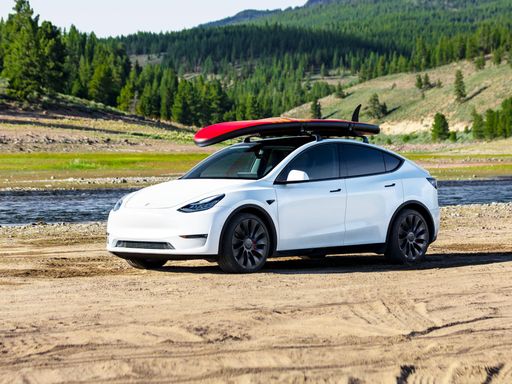
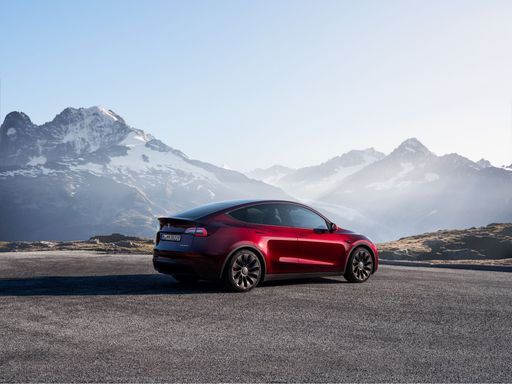
The Tesla Model Y is a compact electric SUV that pairs practical interior space with a minimalist, tech-forward cabin that feels modern and airy. Its confident electric performance and suite of driver-assist features make everyday driving effortless, and regular software updates help the car stay fresh over time.

details

Toyota C-HR+

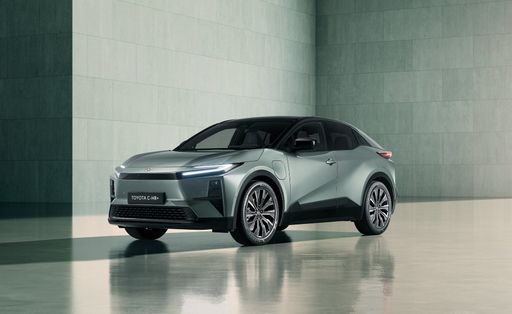
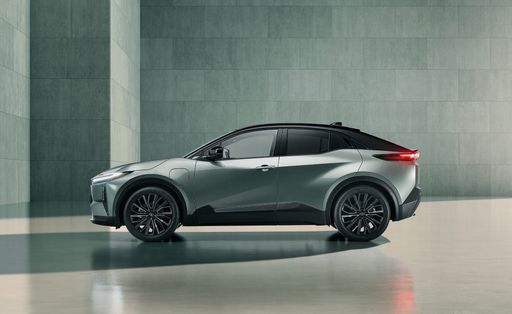
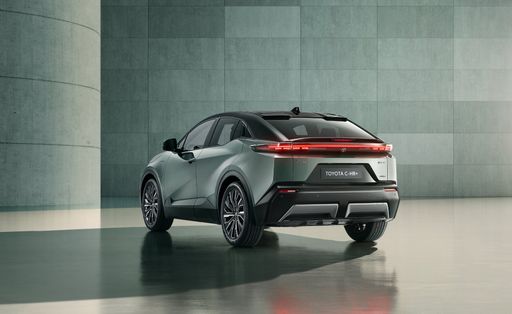
The Toyota C‑HR is a distinctive crossover that pairs bold, coupe‑like styling with a comfortable, composed ride suited to daily city and suburban driving. It appeals to buyers who value standout design, practical cabin packaging and a refined, easy‑to‑use experience rather than outright performance or rugged off‑road ability.

details
Tesla Model Y
Toyota C-HR+

Costs and Consumption

Price
34,300 - 53,100 £
Price
36,000 - 46,300 £
Consumption L/100km
-
Consumption L/100km
-
Consumption kWh/100km
13.1 - 16.2 kWh/100km
Consumption kWh/100km
13.4 - 15.5 kWh/100km
Electric Range
534 - 622 km
Electric Range
458 - 607 km
Battery Capacity
-
Battery Capacity
-
co2
0 g/km
co2
0 g/km
Fuel tank capacity
-
Fuel tank capacity
-

Dimensions and Body

Body Type
SUV
Body Type
SUV
Seats
5 - 7
Seats
5
Doors
-
Doors
-
Curb weight
1,976 - 2,108 kg
Curb weight
1,810 - 2,010 kg
Trunk capacity
822 - 836 L
Trunk capacity
416 L
Length
-
Length
-
Width
1,920 mm
Width
1,870 mm
Height
-
Height
-
Max trunk capacity
-
Max trunk capacity
-
Payload
435 - 472 kg
Payload
550 - 655 kg

Engine and Performance

Engine Type
Electric
Engine Type
Electric
Transmission
Automatic
Transmission
Automatic
Transmission Detail
Reduction Gearbox
Transmission Detail
Reduction Gearbox
Drive Type
All-Wheel Drive, Rear-Wheel Drive
Drive Type
Front-Wheel Drive, All-Wheel Drive
Power HP
299 - 460 HP
Power HP
167 - 343 HP
Acceleration 0-100km/h
3.5 - 7.2 s
Acceleration 0-100km/h
5.2 - 8.4 s
Max Speed
-
Max Speed
-
Torque
420 - 660 Nm
Torque
268 - 338 Nm
Number of Cylinders
-
Number of Cylinders
-
Power kW
220 - 338 kW
Power kW
123 - 252 kW
Engine capacity
-
Engine capacity
-

General

Model Year
2,025 - 2,026
Model Year
2026
CO2 Efficiency Class
A
CO2 Efficiency Class
A
Brand
Tesla
Brand
Toyota
DriveDuel uses data analysis and artificial intelligence to evaluate vehicle data and create content. Content is regularly reviewed and improved. The displayed prices are estimates based on German list prices, adjusted to the respective country’s VAT. Country-specific registration taxes are not included. This information is not legally binding.