VS

Toyota bZ4X vs Toyota C-HR+ comparison

Compare performance (380 HP vs 343 HP), boot space and price (36,800 £ vs 36,000 £ ) at a glance. Find out which car is the better choice for you – Toyota bZ4X or Toyota C-HR+?

Toyota bZ4X vs Toyota C-HR+: Key differences

Toyota bZ4X

4.5 (5 Reviews)
rate
  • barely more power
  • moderately quicker 0–100 km/h
  • very slightly more trunk space

Toyota C-HR+

  • very slightly cheaper
  • very slightly more efficient
  • very slightly more electric range
  • very slightly lighter

All details on performance, efficiency, range and trunk space can be found in the technical comparison below – including user reviews for both models.

bZ4X

Head-to-head: Toyota bZ4X vs Toyota C-HR+ — a direct comparison

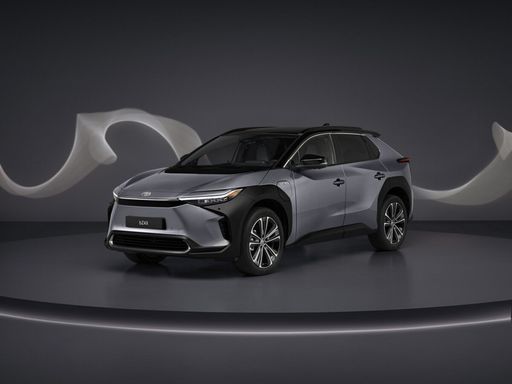
The Toyota bZ4X and the Toyota C-HR+ sit side-by-side in the showroom, which makes this Toyota bZ4X vs Toyota C-HR+ comparison one buyers ask for most: an electric crossover against Toyota’s stylish compact crossover offering. If you’re searching for the right blend of space, presence and everyday usability this page will cut through the brochures and marketing speak. We’re comparing how each car lives in the real world — from daily commutes to weekend loads — and highlighting the practical differences that actually matter. Expect clear contrasts in character, comfort and the kind of driver each model seems to court.

C-HR+

Two different personalities: serene cruiser vs statement maker

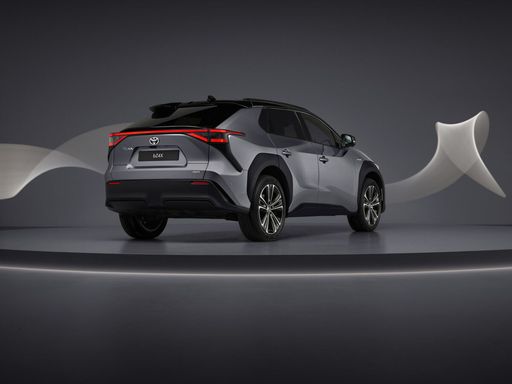
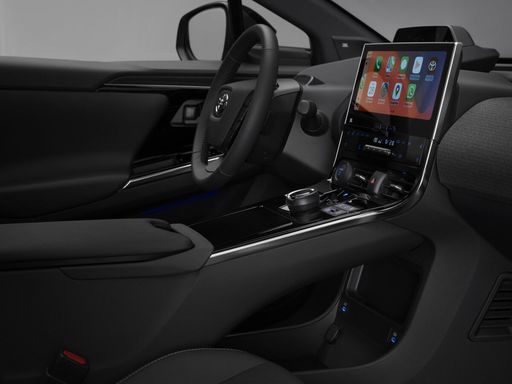
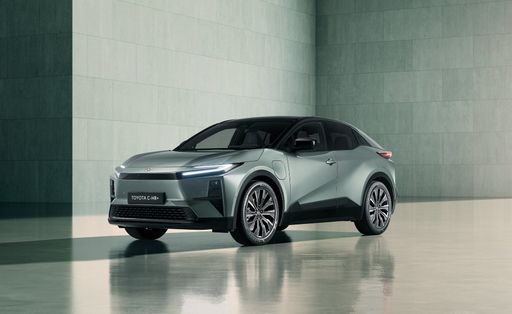
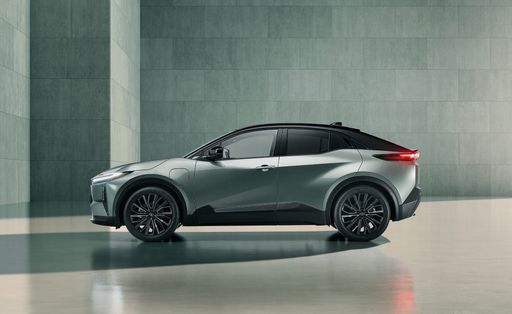
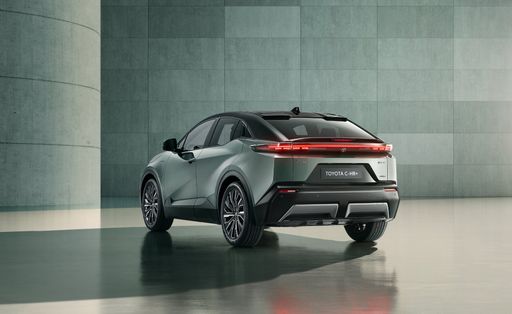
The Toyota bZ4X arrives with a calm, electrically tuned personality — understated, composed and clearly aimed at buyers who prize refinement and a modern, quiet cabin. The Toyota C-HR+ plays the opposite card: bold styling, sharper lines and an attitude that asks to be noticed in traffic. Where the bZ4X feels like a relaxed long-distance companion, the C-HR+ wants to be the city flirt — alert, agile and a bit more theatrical. Both wear their intentions on their sleeves, so your choice is as much about mood as it is about metrics.

bZ4X

How they handle real life: family trips, tight streets and daily routines

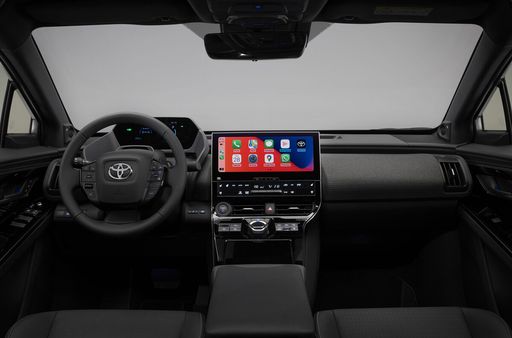
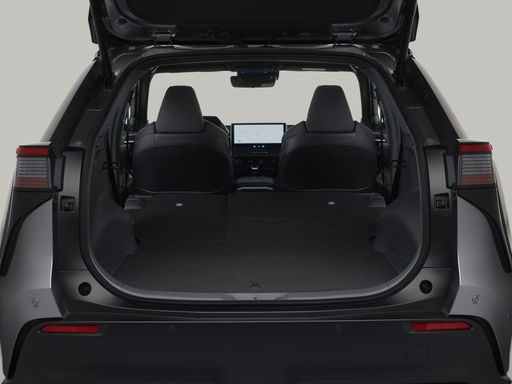
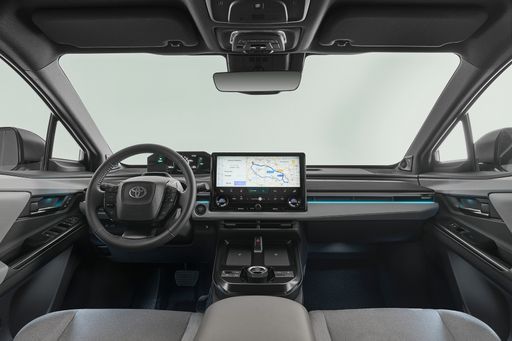
For everyday use the Toyota bZ4X leans toward comfort and luggage-friendly practicality, making it the quieter pick for long stretches and loaded weekends away. The Toyota C-HR+ earns points where tight parking, quick errands and lane-hopping in the city matter most thanks to its compact, alert feel. Interior ergonomics differ too: the bZ4X aims for calm and easy usability on long drives, while the C-HR+ keeps things visually interesting and slightly more driver-focused. If you ferry people and baggage frequently, the bZ4X feels more composed; if you live in town and value maneuverability, the C-HR+ is hard to beat.

C-HR+

Why people justify picking one over the other

Buyers choose the Toyota bZ4X to signal quiet competence — it reads as progressive, efficient and low-key premium without shouting. Drivers pick the Toyota C-HR+ to make a visual statement: something fun-looking that still covers practical bases and stands out in the parking lot. The bZ4X is the rationalized choice for those who value calm, refinement and a modern electric character, while the C-HR+ is the pick for anyone who treats their car as a personal billboard for style and personality. Neither choice is shy; they just say different things about you.

bZ4X

Who should buy the Toyota bZ4X?

If your checklist prioritizes relaxed long-distance cruising, quiet cabins and a modern electric identity, the Toyota bZ4X will speak to you — it’s tailor-made for the Rational and Comfort-minded buyer who values efficiency and serenity. Commuters who cover steady miles or weekenders with luggage will appreciate its composed ride and roomy-feeling interior compared with the sharper, city-focused Toyota C-HR+. The bZ4X feels like the logical step toward a low-fuss, future-facing daily driver rather than a fashion statement. If you want a car that quietly gets on with the job, this is the one to start your shortlist with.

C-HR+

Who should buy the Toyota C-HR+ (and when to still consider the bZ4X)

The Toyota C-HR+ is best for the Pragmatist who values city-friendly agility and the Design/Brand shopper who wants a car with visible personality and curb appeal. It’s also a clever choice for style-conscious owners who need a compact footprint without losing the flexibility of a small crossover, whereas the Toyota bZ4X remains the fallback for buyers leaning more heavily toward long-distance comfort and electric refinement. If you prize presence and playful character over hushed long-haul manners, the C-HR+ will reward you daily — and if you’re still torn, scroll down to the data to see how the numbers underpin the real-world differences.

Here’s where it gets real: The technical differences in detail

bZ4X

Costs and Efficiency:

Price and efficiency are key factors when choosing a car – and this is often where the real differences emerge.

Toyota C-HR+ is very slightly cheaper – starting at 36,000 £ , while the Toyota bZ4X costs 36,800 £ . That’s a price difference of around 857 £.

In terms of energy consumption, the Toyota C-HR+ is very slightly more efficient: consuming 13.4 kWh/100km compared to 13.5 kWh/100km for the Toyota bZ4X. That’s a difference of about 0.1 kWh/100km.

As for electric range, the Toyota C-HR+ offers very slightly more range – reaching up to 607 km, about 16 km more than the Toyota bZ4X.

C-HR+

Engine and Performance:

Power, torque and acceleration say a lot about how a car feels on the road. This is where you see which model delivers more driving dynamics.

When it comes to engine power, the Toyota bZ4X offers barely more power – delivering 380 HP compared to 343 HP. That’s roughly 37 HP more horsepower.

When accelerating from 0 to 100 km/h, the Toyota bZ4X is moderately quicker – completing the sprint in 4.4 s, while the Toyota C-HR+ takes 5.2 s. That’s about 0.8 s quicker.

Both models offer the same torque – 338 Nm.

bZ4X

Space and Everyday Use:

Whether family car or daily driver – which one offers more room, flexibility and comfort?

Both vehicles offer seating for 5 people.

In terms of curb weight, Toyota C-HR+ is very slightly lighter – 1,810 kg compared to 1,900 kg. The difference is around 90 kg.

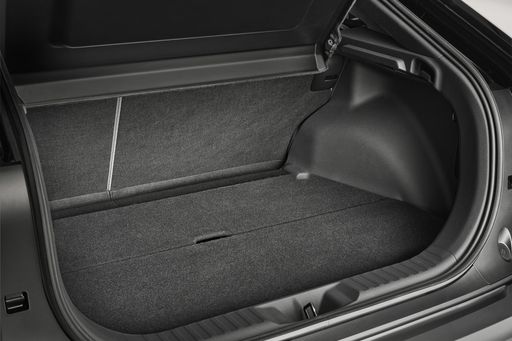
Looking at boot space, the Toyota bZ4X offers very slightly more boot space – 452 L compared to 416 L. That’s a difference of about 36 L.

When it comes to payload, the Toyota C-HR+ carries a bit more – 655 kg compared to 565 kg. That’s a difference of about 90 kg.

Who wins the race in the data check?

The Toyota bZ4X has the upper hand in the objective data comparison.
This result only shows which model scores more points on paper – not which of the two cars feels right for you.

from £36,800
bZ4X

Toyota bZ4X

  • Engine Type : Electric
  • Transmission : Automatic
  • Drive Type : Front-Wheel Drive, All-Wheel Drive
  • Power HP : 167 - 380 HP
  • Consumption kWh/100km : 13.5 - 16.6 kWh/100km
  • Electric Range : 444 - 591 km
Toyota bZ4X
Toyota C-HR+

Costs and Consumption

View detailed analysis

Engine and Performance

View detailed analysis

Dimensions and Body

View detailed analysis

Toyota bZ4X

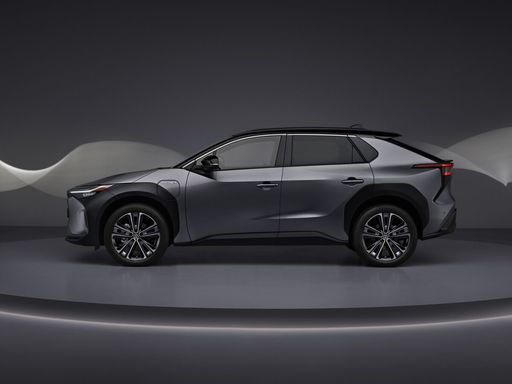
The Toyota bZ4X is a fresh, roomy electric crossover that pairs Toyota’s trademark reliability with bold, angular styling and a cabin designed for everyday comfort. It may not chase headlines like some flashier rivals, but for buyers who want sensible electric motoring with practical packaging and a relaxed, confident ride, it’s an easy, pleasant choice.

details

Toyota C-HR+

The Toyota C-HR+ mixes sharp, coupe-like styling with comfortable, surprisingly practical packaging, making a bold statement around town and on the weekend run. It’s aimed at drivers who value standout looks and fuss-free ownership over sports-car thrills, so if you want personality and reliability in one tidy package, book a test drive.

details
Toyota bZ4X
Toyota C-HR+

Costs and Consumption

Price
36,800 - 51,000 £
Price
36,000 - 46,300 £
Consumption L/100km
-
Consumption L/100km
-
Consumption kWh/100km
13.5 - 16.6 kWh/100km
Consumption kWh/100km
13.4 - 15.5 kWh/100km
Electric Range
444 - 591 km
Electric Range
458 - 607 km
Battery Capacity
-
Battery Capacity
-
co2
0 g/km
co2
0 g/km
Fuel tank capacity
-
Fuel tank capacity
-

Dimensions and Body

Body Type
SUV
Body Type
SUV
Seats
5
Seats
5
Doors
-
Doors
-
Curb weight
1,900 - 2,180 kg
Curb weight
1,810 - 2,010 kg
Trunk capacity
452 L
Trunk capacity
416 L
Length
-
Length
-
Width
1,860 mm
Width
1,870 mm
Height
-
Height
-
Max trunk capacity
-
Max trunk capacity
-
Payload
375 - 565 kg
Payload
550 - 655 kg

Engine and Performance

Engine Type
Electric
Engine Type
Electric
Transmission
Automatic
Transmission
Automatic
Transmission Detail
Reduction Gearbox
Transmission Detail
Reduction Gearbox
Drive Type
Front-Wheel Drive, All-Wheel Drive
Drive Type
Front-Wheel Drive, All-Wheel Drive
Power HP
167 - 380 HP
Power HP
167 - 343 HP
Acceleration 0-100km/h
4.4 - 8.6 s
Acceleration 0-100km/h
5.2 - 8.4 s
Max Speed
-
Max Speed
-
Torque
268 - 338 Nm
Torque
268 - 338 Nm
Number of Cylinders
-
Number of Cylinders
-
Power kW
123 - 280 kW
Power kW
123 - 252 kW
Engine capacity
-
Engine capacity
-

General

Model Year
2,025 - 2,026
Model Year
2,026
CO2 Efficiency Class
A
CO2 Efficiency Class
A
Brand
Toyota
Brand
Toyota
DriveDuel uses data analysis and artificial intelligence to evaluate vehicle data and create content. Content is regularly reviewed and improved. The displayed prices are estimates based on German list prices, adjusted to the respective country’s VAT. Country-specific registration taxes are not included. This information is not legally binding.