VS

Skoda Elroq vs Toyota C-HR+ comparison

Compare performance (340 HP vs 343 HP), boot space and price (37,900 £ vs 36,000 £ ) at a glance. Find out which car is the better choice for you – Skoda Elroq or Toyota C-HR+?

Skoda Elroq vs Toyota C-HR+: Key differences

Skoda Elroq

4.5 (4 Reviews)
rate
  • moderately more trunk space

Toyota C-HR+

  • barely cheaper
  • barely more power
  • a bit more efficient
  • marginally more electric range
  • very slightly quicker 0–100 km/h
  • somewhat lighter

All details on performance, efficiency, range and trunk space can be found in the technical comparison below – including user reviews for both models.

Elroq

Skoda Elroq VS Toyota C-HR+: a compact crossover comparison

Skoda Elroq and the Toyota C-HR+ go head-to-head as two of the most talked-about compact SUVs on the market today, and this comparison cuts through the marketing to show what each car really delivers in daily life. If you’re searching for a clear side-by-side of crossover character, practicality and road manners, this is where those questions get honest answers. The Skoda Elroq presents itself as the roomy, sensible alternative while the Toyota C-HR+ leans into personality and efficiency. Read on for a buyer-focused rundown that makes it easier to match a model to your routine and tastes.

C-HR+

Under the skin: understated pragmatism vs bold personality

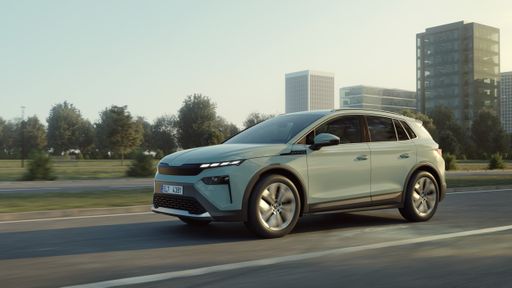
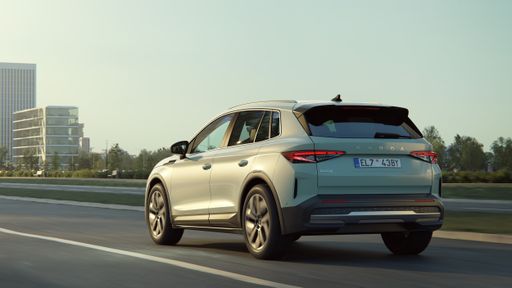
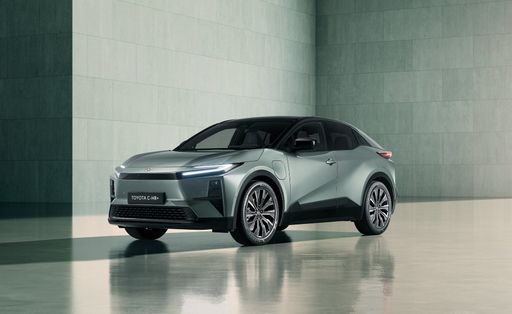
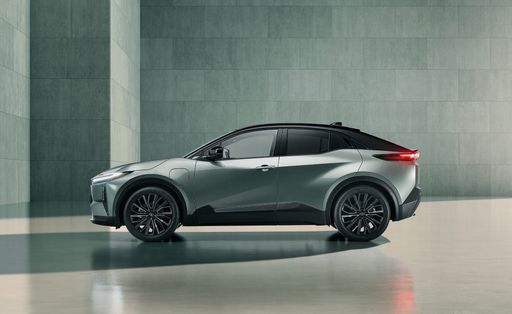
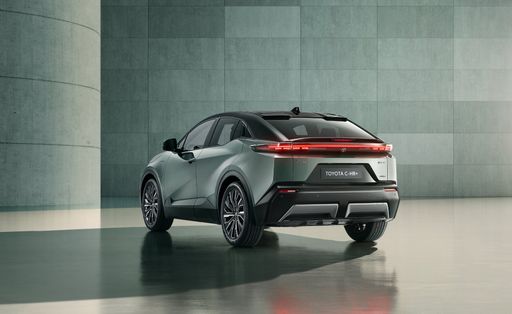
The Skoda Elroq plays the practical card with a composed, almost understated presence that suggests function first, design second; it’s the sort of car that wins on sensible details rather than headline-grabbing looks. By contrast the Toyota C-HR+ wears its styling like a badge — sharper angles, a more dramatic silhouette and an attitude that says “look at me” in tight urban traffic. That difference isn’t just cosmetic: the Elroq’s approach feels more comfort- and family-oriented, while the C-HR+ broadcasts individuality and economy. Both claim crossover usefulness, but they sell two different lifestyles — calm competence versus confident flair.

Elroq

How they perform in everyday life

For real-world routines the Skoda Elroq leans toward relaxed long-distance comfort and sensible packaging — it feels roomy inside and better suited to weekend suitcases or a child seat plus shopping. The Toyota C-HR+ is at its happiest in the city: nippier in traffic, easier to place in tight parking spots and generally more oriented toward quick, efficient trips. Neither car is a deal-breaker for daily driving, but the Elroq makes family errands and motorway miles feel less fussy, while the C-HR+ rewards shorter runs and those who value maneuverability. Noise, ride firmness and seating posture all tilt in that same direction: calm and accommodating from the Elroq, crisp and urban from the C-HR+.

C-HR+

Buying for image or for sense

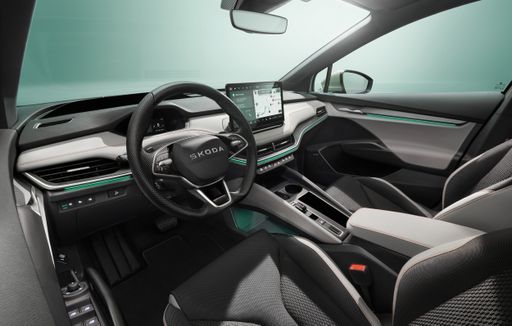
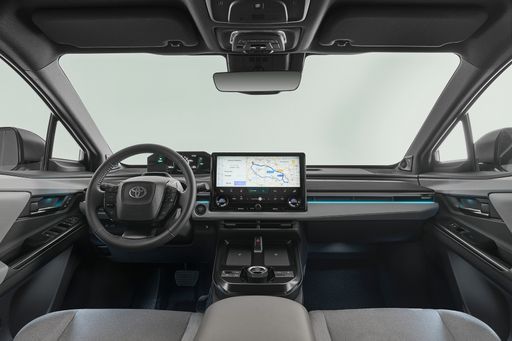
Choose the Skoda Elroq if you want a sensible statement — it’s the sort of car that says you prefer clever packaging and predictable comfort over flash. The Toyota C-HR+, meanwhile, is for buyers who want their car to add to their daily image: it reads as modern, a touch showy and focused on keeping running costs tidy. Materials and cabin mood differ accordingly: the Elroq aims for a quietly well-made interior, the C-HR+ aims to impress with tech-led styling touches. Ultimately you’re asking whether your next crossover should blend into a practical lifestyle or help you stand out at the lights.

Elroq

Who should seriously consider the Skoda Elroq?

If you’re the sort who plans trips with a checklist — car seats, weekend bags and a calm cruise home — the Skoda Elroq is aimed squarely at you: think Pragmatist and Comfort archetypes who value space, straightforward ergonomics and a relaxed demeanour. Compared with the Toyota C-HR+, the Elroq feels more grown-up for family duties and long runs, with an emphasis on usability over flash. It’s the crossover that won’t demand explanations at the school run but will quietly make life easier. If low fuss and everyday comfort top your list, the Elroq is worth a long test drive.

C-HR+

Who should seriously consider the Toyota C-HR+ (and why the Elroq still matters)

The Toyota C-HR+ suits buyers who prioritise Tech and Design/Brand — style-conscious drivers who want a car that looks current and feels clever in urban use. It’s tailored to people who enjoy sharper road manners and want a compact crossover that projects personality without sacrificing economy. That said, mention the Skoda Elroq during the decision — its quieter, more practical nature will keep drawing comparisons when you factor in space and passenger comfort. Take both for a spin: one answers the heart, the other answers the checklist — and the numbers below will help you weigh them up.

Video - Skoda Elroq

Video Thumbnail

Here’s where it gets real: The technical differences in detail

Elroq

Costs and Efficiency:

Price and efficiency are often the first things buyers look at. Here it becomes clear which model has the long-term edge – whether at the pump, the plug, or in purchase price.

Toyota C-HR+ is barely cheaper – starting at 36,000 £ , while the Skoda Elroq costs 37,900 £ . That’s a price difference of around 1,877 £.

In terms of energy consumption, the Toyota C-HR+ is a bit more efficient: consuming 13.4 kWh/100km compared to 15.2 kWh/100km for the Skoda Elroq. That’s a difference of about 1.8 kWh/100km.

As for electric range, the Toyota C-HR+ offers marginally more range – reaching up to 607 km, about 34 km more than the Skoda Elroq.

C-HR+

Engine and Performance:

Power, torque and acceleration say a lot about how a car feels on the road. This is where you see which model delivers more driving dynamics.

When it comes to engine power, the Toyota C-HR+ offers barely more power – delivering 343 HP compared to 340 HP. That’s roughly 3 HP more horsepower.

When accelerating from 0 to 100 km/h, the Toyota C-HR+ is very slightly quicker – completing the sprint in 5.2 s, while the Skoda Elroq takes 5.4 s. That’s about 0.2 s quicker.

There’s also a difference in torque: the Skoda Elroq delivers clearly more torque with 679 Nm compared to 338 Nm. That’s about 341 Nm more.

Elroq

Space and Everyday Use:

Whether family car or daily driver – which one offers more room, flexibility and comfort?

Both vehicles offer seating for 5 people.

In terms of curb weight, Toyota C-HR+ is somewhat lighter – 1,810 kg compared to 2,133 kg. The difference is around 323 kg.

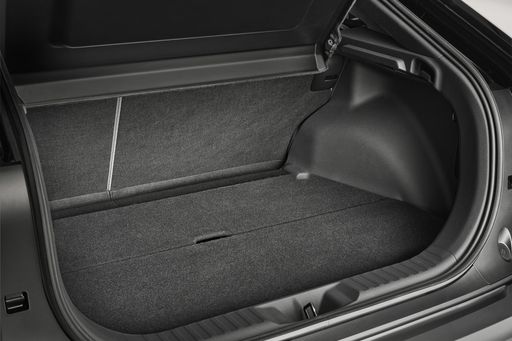
Looking at boot space, the Skoda Elroq offers moderately more boot space – 470 L compared to 416 L. That’s a difference of about 54 L.

When it comes to payload, the Toyota C-HR+ carries markedly more – 655 kg compared to 517 kg. That’s a difference of about 138 kg.

Who wins the race in the data check?

The Toyota C-HR+ holds a slight edge in the objective data comparison.
This result only shows which model scores more points on paper – not which of the two cars feels right for you.

from £36,000
C-HR+

Toyota C-HR+

  • Engine Type : Electric
  • Transmission : Automatic
  • Drive Type : Front-Wheel Drive, All-Wheel Drive
  • Power HP : 167 - 343 HP
  • Consumption kWh/100km : 13.4 - 15.5 kWh/100km
  • Electric Range : 458 - 607 km
Skoda Elroq
Toyota C-HR+

Costs and Consumption

View detailed analysis

Engine and Performance

View detailed analysis

Dimensions and Body

View detailed analysis

Skoda Elroq

The Skoda Elroq is a cleverly packaged family SUV that mixes roomy practicality with sharp, modern looks, making it an easy pick for buyers who prefer common sense over flash. On the road it's composed and user-friendly, with thoughtful interior details that turn everyday driving into something pleasantly efficient — a sensible companion with a wink.

details

Toyota C-HR+

The Toyota C-HR+ mixes sharp, coupe-like styling with comfortable, surprisingly practical packaging, making a bold statement around town and on the weekend run. It’s aimed at drivers who value standout looks and fuss-free ownership over sports-car thrills, so if you want personality and reliability in one tidy package, book a test drive.

details
Skoda Elroq
Toyota C-HR+

Costs and Consumption

Price
37,900 - 45,500 £
Price
36,000 - 46,300 £
Consumption L/100km
-
Consumption L/100km
-
Consumption kWh/100km
15.2 - 16.5 kWh/100km
Consumption kWh/100km
13.4 - 15.5 kWh/100km
Electric Range
529 - 573 km
Electric Range
458 - 607 km
Battery Capacity
77 - 79 kWh
Battery Capacity
-
co2
0 g/km
co2
0 g/km
Fuel tank capacity
-
Fuel tank capacity
-

Dimensions and Body

Body Type
SUV
Body Type
SUV
Seats
5
Seats
5
Doors
5
Doors
-
Curb weight
2,133 - 2,268 kg
Curb weight
1,810 - 2,010 kg
Trunk capacity
470 L
Trunk capacity
416 L
Length
4,488 mm
Length
-
Width
1,884 mm
Width
1,870 mm
Height
1,608 - 1,625 mm
Height
-
Max trunk capacity
1,580 L
Max trunk capacity
-
Payload
470 - 517 kg
Payload
550 - 655 kg

Engine and Performance

Engine Type
Electric
Engine Type
Electric
Transmission
Automatic
Transmission
Automatic
Transmission Detail
Reduction Gearbox
Transmission Detail
Reduction Gearbox
Drive Type
Rear-Wheel Drive, All-Wheel Drive
Drive Type
Front-Wheel Drive, All-Wheel Drive
Power HP
286 - 340 HP
Power HP
167 - 343 HP
Acceleration 0-100km/h
5.4 - 6.6 s
Acceleration 0-100km/h
5.2 - 8.4 s
Max Speed
180 km/h
Max Speed
-
Torque
545 - 679 Nm
Torque
268 - 338 Nm
Number of Cylinders
-
Number of Cylinders
-
Power kW
210 - 250 kW
Power kW
123 - 252 kW
Engine capacity
-
Engine capacity
-

General

Model Year
2,025
Model Year
2,026
CO2 Efficiency Class
A
CO2 Efficiency Class
A
Brand
Skoda
Brand
Toyota
DriveDuel uses data analysis and artificial intelligence to evaluate vehicle data and create content. Content is regularly reviewed and improved. The displayed prices are estimates based on German list prices, adjusted to the respective country’s VAT. Country-specific registration taxes are not included. This information is not legally binding.