VS

Toyota bZ4X vs BYD Sealion 7 comparison

Compare performance (380 HP vs 530 HP), boot space and price (36,800 £ vs 42,800 £ ) at a glance. Find out which car is the better choice for you – Toyota bZ4X or BYD Sealion 7?

Toyota bZ4X vs BYD Sealion 7: Key differences

Toyota bZ4X

4.5 (10 Reviews)
rate
  • somewhat cheaper
  • considerably more efficient
  • a bit more electric range
  • very slightly quicker 0–100 km/h
  • somewhat lighter
details

BYD Sealion 7

5 (2 Reviews)
rate
  • visibly more power
  • somewhat more trunk space
details

All details on performance, efficiency, range and trunk space can be found in the technical comparison below – including user reviews for both models.

By Achim Sedelmaier

bZ4X

Head-to-head: Toyota bZ4X VS BYD Sealion 7

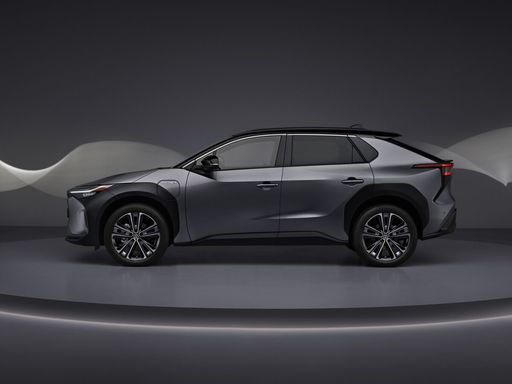
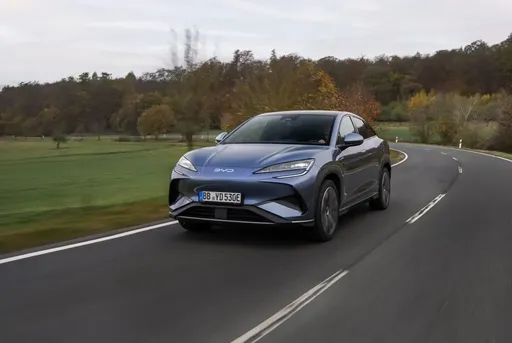
Toyota bZ4X VS BYD Sealion 7: a head-to-head between Toyota's electric crossover and BYD's sleek fastback sedan. This comparison cuts past press releases to focus on the real-world trade-offs—efficiency, comfort, packaging and personality—that matter to buyers deciding between the Toyota bZ4X and the BYD Sealion 7. If you're hunting for an EV comparison that explains which model suits daily commuting, family duties or weekend long runs, this is where you start. Expect clear impressions on perceived quality, driving feel and everyday usability rather than a spreadsheet of figures.
Sealion 7

Two very different personalities

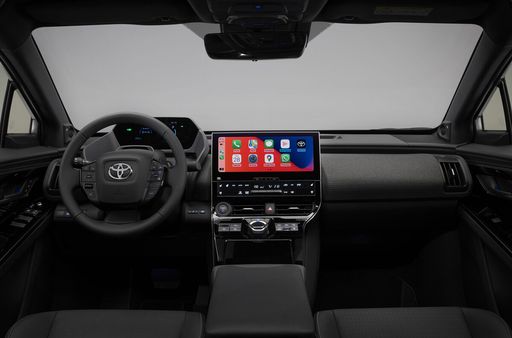
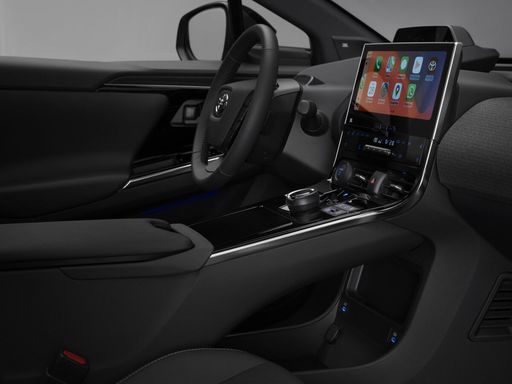
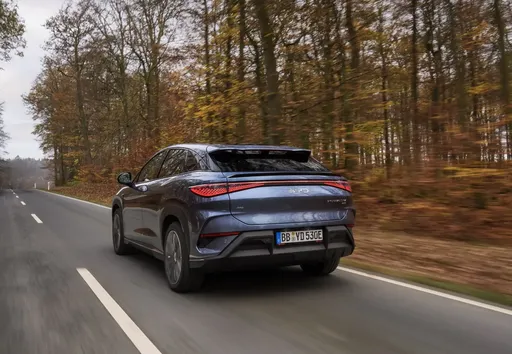
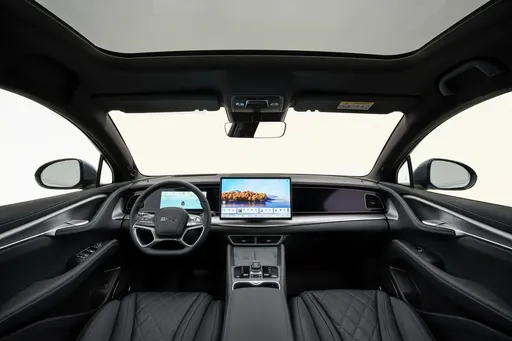
On the road the Toyota bZ4X reads as quietly confident—understated styling, calm ride and a packaging-first approach—while the BYD Sealion 7 leans into drama with taut lines, a performance-minded stance and a tech-forward cabin. The bZ4X feels like the sensible neighbor who keeps their lawn neat, prioritizing refinement and predictability. By contrast, the Sealion 7 plays the show-off role: sharper responses, a more expressive interior and materials that shout "modern" rather than "classic". That difference in attitude defines their positioning: Toyota aims for reassurance and low fuss, BYD aims for excitement and headline-grabbing presence.

bZ4X

What life with each car actually looks like

For day-to-day use the Toyota bZ4X edges toward people who value straightforward space usability, an easy driving posture and a relaxed highway demeanour. Families will appreciate the sense of room and the uncomplicated ergonomics that make loading kids and kit less of a wrestling match. The BYD Sealion 7 favours a more driver-centric layout that feels tighter and more engaging in the city but shows its strengths when you want punchier acceleration or a sportier ride on open roads. If your week is a blend of school runs, grocery drops and long commutes the bZ4X feels engineered to reduce friction; if your days include frequent motorway bursts or you crave a sharper turn-in, the Sealion 7 will keep you entertained.

Sealion 7

Buying it for the image — or the peace of mind?

Choosing the Toyota bZ4X is a justification rooted in logic: you want predictable ownership, sensible ergonomics and an EV that blends into daily life without drama. Opting for the BYD Sealion 7 is more of a statement—buying into technology, stronger performance cues and a cabin that feels like a gadget-lover’s prize. One buyer wants to be reassured every morning; the other wants to be mildly exhilarated on the way to the office. Both choices make sense depending on whether you value low fuss and efficiency or flair and technological theatre.

bZ4X

Who should steer into the Toyota bZ4X

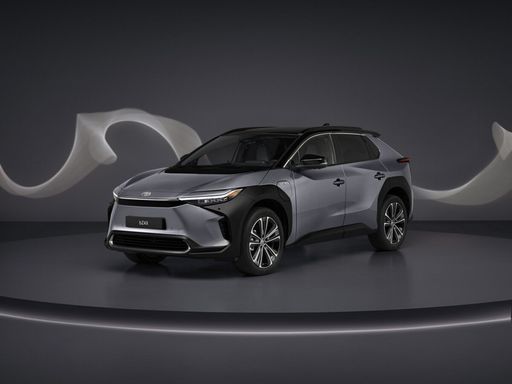
If you’re a Rational buyer who treats a car as a tool, the Toyota bZ4X will tick the boxes: dependable character, sensible packaging and a focus on efficiency over showmanship. Pragmatists who prize easy daily usability—clear sightlines, unpretentious controls and a comfortable, predictable ride—will find the bZ4X a calming companion. It’s the kind of car that rewards routine rather than thrills, reducing small annoyances rather than amplifying sensations. If those priorities sound right but you still like the idea of a sportier alternative, take a second look at the BYD Sealion 7 for a more expressive experience.

Sealion 7

Who will really enjoy the BYD Sealion 7 (and why Toyota still matters)

For buyers in the Tech and Status/Expression camps, the BYD Sealion 7 holds stronger appeal with its bolder design, technology-first cabin and performance bent. It’s the pick for drivers who want their EV to feel modern, tight and a little more performance-leaning than purely practical. That doesn’t make the Sealion 7 frivolous—many owners will happily live with a firmer ride for the sake of sharper dynamics and extra kit. Meanwhile, buyers who prioritise the quiet confidence of the Toyota bZ4X still have a compelling, low-drama option that will look after the family week after week, so decide which character fits your life and then scroll down for the detailed figures to see how those impressions map onto the numbers.

Here’s where it gets real: The technical differences in detail

bZ4X

Costs and Efficiency:

Price and efficiency are often the first things buyers look at. Here it becomes clear which model has the long-term edge – whether at the pump, the plug, or in purchase price.

Toyota bZ4X is somewhat cheaper – starting at 36,800 £ , while the BYD Sealion 7 costs 42,800 £ . That’s a price difference of around 6,000 £.

In terms of energy consumption, the Toyota bZ4X is considerably more efficient: consuming 13.5 kWh/100km compared to 19.9 kWh/100km for the BYD Sealion 7. That’s a difference of about 6.4 kWh/100km.

As for electric range, the Toyota bZ4X offers a bit more range – reaching up to 591 km, about 89 km more than the BYD Sealion 7.

Sealion 7

Engine and Performance:

Under the bonnet, it becomes clear which model is tuned for sportiness and which one takes the lead when you hit the accelerator.

When it comes to engine power, the BYD Sealion 7 offers visibly more power – delivering 530 HP compared to 380 HP. That’s roughly 150 HP more horsepower.

When accelerating from 0 to 100 km/h, the Toyota bZ4X is very slightly quicker – completing the sprint in 4.4 s, while the BYD Sealion 7 takes 4.5 s. That’s about 0.1 s quicker.

There’s also a difference in torque: the BYD Sealion 7 delivers significantly more torque with 690 Nm compared to 338 Nm. That’s about 352 Nm more.

bZ4X

Space and Everyday Use:

Cabin size, boot volume and payload all play a role in everyday practicality. Here, comfort and flexibility make the difference.

Both vehicles offer seating for 5 people.

In terms of curb weight, Toyota bZ4X is somewhat lighter – 1,900 kg compared to 2,225 kg. The difference is around 325 kg.

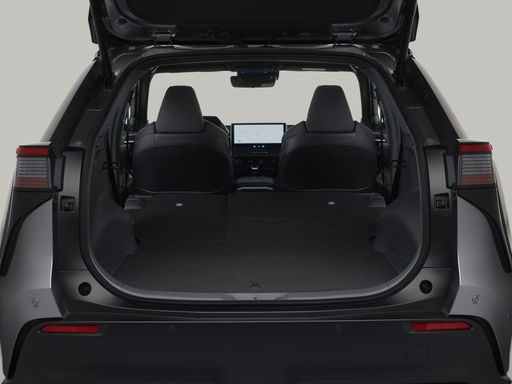
Looking at boot space, the BYD Sealion 7 offers somewhat more boot space – 520 L compared to 452 L. That’s a difference of about 68 L.

When it comes to payload, the Toyota bZ4X carries clearly more – 565 kg compared to 410 kg. That’s a difference of about 155 kg.

Who wins the race in the data check?

The Toyota bZ4X sits just ahead overall in the objective data comparison.
This result only shows which model scores more points on paper – not which of the two cars feels right for you.

from £36,800
bZ4X

Toyota bZ4X

  • Engine Type : Electric
  • Transmission : Automatic
  • Drive Type : Front-Wheel Drive, All-Wheel Drive
  • Power HP : 167 - 380 HP
  • Consumption kWh/100km : 13.5 - 16.6 kWh/100km
  • Electric Range : 444 - 591 km
Toyota bZ4X
BYD Sealion 7

Costs and Consumption

View detailed analysis

Engine and Performance

View detailed analysis

Dimensions and Body

View detailed analysis

Toyota bZ4X

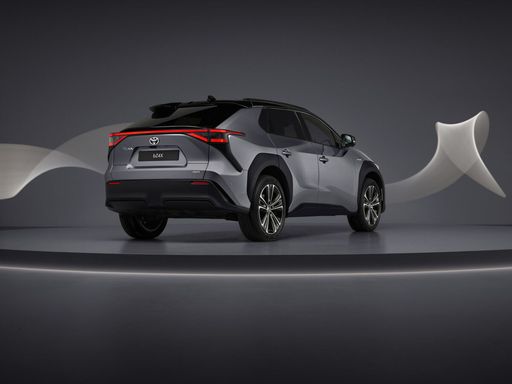
The Toyota bZ4X is an electric crossover that focuses on a calm ride, practical interior and predictable handling for everyday driving. It suits buyers who want an easygoing, reliable EV with Toyota's familiar build quality and a clean, simple design.

details

BYD Sealion 7

The BYD Sealion 7 is a sleek electric wagon that blends sporty styling with surprising practicality, making it a compelling choice for drivers who want something different from the usual hatchback or SUV. Its refined interior and composed road manners give it an upscale feel, while clever packaging keeps it versatile for daily use.

details
Toyota bZ4X
BYD Sealion 7

Costs and Consumption

Price
36,800 - 51,000 £
Price
42,800 - 52,300 £
Consumption L/100km
-
Consumption L/100km
-
Consumption kWh/100km
13.5 - 16.6 kWh/100km
Consumption kWh/100km
19.9 - 21.9 kWh/100km
Electric Range
444 - 591 km
Electric Range
456 - 502 km
Battery Capacity
-
Battery Capacity
-
co2
0 g/km
co2
0 g/km
Fuel tank capacity
-
Fuel tank capacity
-

Dimensions and Body

Body Type
SUV
Body Type
SUV
Seats
5
Seats
5
Doors
-
Doors
-
Curb weight
1,900 - 2,180 kg
Curb weight
2,225 - 2,435 kg
Trunk capacity
452 L
Trunk capacity
520 L
Length
-
Length
-
Width
1,860 mm
Width
1,925 mm
Height
-
Height
-
Max trunk capacity
-
Max trunk capacity
-
Payload
375 - 565 kg
Payload
410 kg

Engine and Performance

Engine Type
Electric
Engine Type
Electric
Transmission
Automatic
Transmission
Automatic
Transmission Detail
Reduction Gearbox
Transmission Detail
Reduction Gearbox
Drive Type
Front-Wheel Drive, All-Wheel Drive
Drive Type
Rear-Wheel Drive, All-Wheel Drive
Power HP
167 - 380 HP
Power HP
313 - 530 HP
Acceleration 0-100km/h
4.4 - 8.6 s
Acceleration 0-100km/h
4.5 - 6.7 s
Max Speed
-
Max Speed
-
Torque
268 - 338 Nm
Torque
380 - 690 Nm
Number of Cylinders
-
Number of Cylinders
-
Power kW
123 - 280 kW
Power kW
230 - 390 kW
Engine capacity
-
Engine capacity
-

General

Model Year
2,025 - 2,026
Model Year
2024
CO2 Efficiency Class
A
CO2 Efficiency Class
A
Brand
Toyota
Brand
BYD
DriveDuel uses data analysis and artificial intelligence to evaluate vehicle data and create content. Content is regularly reviewed and improved. The displayed prices are estimates based on German list prices, adjusted to the respective country’s VAT. Country-specific registration taxes are not included. This information is not legally binding.