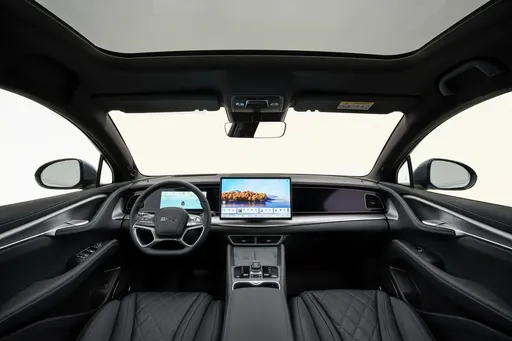
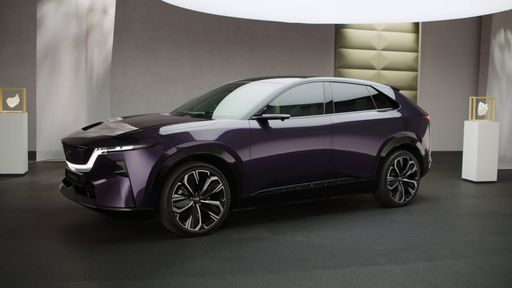
VS

BYD Sealion 7 vs Mazda CX-6e comparison

Compare performance (530 HP vs 258 HP), boot space and price (42,800 £ vs 42,800 £ ) at a glance. Find out which car is the better choice for you – BYD Sealion 7 or Mazda CX-6e?

BYD Sealion 7 vs Mazda CX-6e: Key differences

BYD Sealion 7

5 (2 Reviews)
rate
  • considerably more power
  • marginally more electric range
  • significantly quicker 0–100 km/h
  • barely more trunk space
details

Mazda CX-6e

  • marginally more efficient
  • only slightly lighter
details

All details on performance, efficiency, range and trunk space can be found in the technical comparison below – including user reviews for both models.

By Achim Sedelmaier

Sealion 7

Head-to-head: BYD Sealion 7 VS Mazda CX-6e — an electric comparison

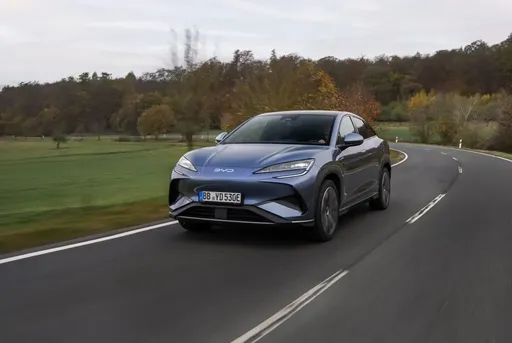
The BYD Sealion 7 VS Mazda CX-6e matchup pits two electric mid-size contenders against each other and sets the scene for a buyer’s duel. This comparison looks beyond badges to the real-world contrasts in character, perceived comfort and day-to-day appeal. BYD Sealion 7 and Mazda CX-6e take different routes to the same goal: convincing you their version of an EV suits your life. Expect clear differences in attitude, cabin feel and how each car presents itself on the road.
CX-6e

Personality clash: loud ambition versus quiet refinement

BYD Sealion 7 arrives with a deliberate, performance-oriented swagger while Mazda CX-6e prefers a quieter, more refined demeanour that rewards attention to detail. The Sealion 7 reads as extroverted and tech-forward, the CX-6e as composed and driver-focused — one aims to wow, the other to reassure. That contrast affects how each car feels from the driver’s seat: one invites aggressive inputs, the other encourages relaxed, considered control. Choose the voice you want to live with daily and the rest of the choices start to make themselves.

Sealion 7

Daily life: which one fits the commute, school run and weekend escape?

If your days are a mix of school runs, supermarket trips and occasional motorways, the BYD Sealion 7 and Mazda CX-6e present different everyday usability balances. The Sealion 7 leans toward long-distance composure and a more generous load feel, while the CX-6e rewards urban commuters with lighter, more economical manners and a tidy footprint. Inside, the Sealion 7 feels roomier and more relaxed for long hauls; the CX-6e emphasises driver ergonomics and predictability in tight traffic. Families who prioritise space and comfort will be drawn to the BYD; city-focused buyers will appreciate the Mazda’s thrift and nimbleness.

What it says about you: image, tech cred and taste

Buying a BYD Sealion 7 signals you like your EVs loud in intent — modern, powerful and visible; it’s a bit of a billboard on wheels. Choosing a Mazda CX-6e says you prefer subtlety, well-judged materials and a car that grows in appeal the longer you live with it. The Sealion 7 appeals to owners who want their drive to reflect ambition and new technology; the CX-6e suits people who prize restraint and thoughtfulness. Both are defensible choices — it’s about the message you want your car to send.

Who should shortlist the BYD Sealion 7?

The BYD Sealion 7 is for buyers who put electric performance and modern tech near the top of their checklist: think tech-savvy drivers and anyone who enjoys a car that turns heads. If you want a contemporary EV that doubles as a comfortable long-trip companion and a weekend thrill, the Sealion 7 makes a persuasive, characterful case. It’s less for the ultra-conservative buyer and more for someone who wants their car to feel like a statement. Even if Mazda CX-6e tempts with its restraint, the BYD will keep calling to those who want more drama.

Who should shortlist the Mazda CX-6e (and when the BYD still tempts)

The Mazda CX-6e suits pragmatic, efficiency-minded buyers who value predictability, sensible packaging and a cabin that prioritises comfort without shouting. For commuters and small families who measure worth in everyday usability and lower fuss, the CX-6e is a quietly compelling choice. If you occasionally crave performance or showier tech, the BYD Sealion 7 lurks as the flashier alternative, but the Mazda delivers on calm, sensible virtues. Read on to the technical breakdown to see exactly where the numbers draw the lines between them.

Here’s where it gets real: The technical differences in detail

Sealion 7

Costs and Efficiency:

When it comes to price and running costs, the biggest differences usually appear. This is often where you see which car fits your budget better in the long run.

Both models are evenly matched in price – each starts at 42,800 £ .

In terms of energy consumption, the Mazda CX-6e is marginally more efficient: consuming 18.9 kWh/100km compared to 19.9 kWh/100km for the BYD Sealion 7. That’s a difference of about 1 kWh/100km.

As for electric range, the BYD Sealion 7 offers marginally more range – reaching up to 502 km, about 18 km more than the Mazda CX-6e.

CX-6e

Engine and Performance:

Power, torque and acceleration say a lot about how a car feels on the road. This is where you see which model delivers more driving dynamics.

When it comes to engine power, the BYD Sealion 7 offers considerably more power – delivering 530 HP compared to 258 HP. That’s roughly 272 HP more horsepower.

When accelerating from 0 to 100 km/h, the BYD Sealion 7 is significantly quicker – completing the sprint in 4.5 s, while the Mazda CX-6e takes 7.9 s. That’s about 3.4 s quicker.

There’s also a difference in torque: the BYD Sealion 7 delivers substantially more torque with 690 Nm compared to 290 Nm. That’s about 400 Nm more.

Sealion 7

Space and Everyday Use:

Cabin size, boot volume and payload all play a role in everyday practicality. Here, comfort and flexibility make the difference.

Both vehicles offer seating for 5 people.

In terms of curb weight, Mazda CX-6e is only slightly lighter – 2,205 kg compared to 2,225 kg. The difference is around 20 kg.

Looking at boot space, the BYD Sealion 7 offers barely more boot space – 520 L compared to 468 L. That’s a difference of about 52 L.

When it comes to payload, the BYD Sealion 7 carries marginally more – 410 kg compared to 385 kg. That’s a difference of about 25 kg.

Who wins the race in the data check?

The BYD Sealion 7 holds a decisive overall lead in the objective data comparison.
This result only shows which model scores more points on paper – not which of the two cars feels right for you.

from £42,800
Sealion 7

BYD Sealion 7

  • Engine Type : Electric
  • Transmission : Automatic
  • Drive Type : Rear-Wheel Drive, All-Wheel Drive
  • Power HP : 313 - 530 HP
  • Consumption kWh/100km : 19.9 - 21.9 kWh/100km
  • Electric Range : 456 - 502 km
BYD Sealion 7
Mazda CX-6e

Costs and Consumption

View detailed analysis

Engine and Performance

View detailed analysis

Dimensions and Body

View detailed analysis

BYD Sealion 7

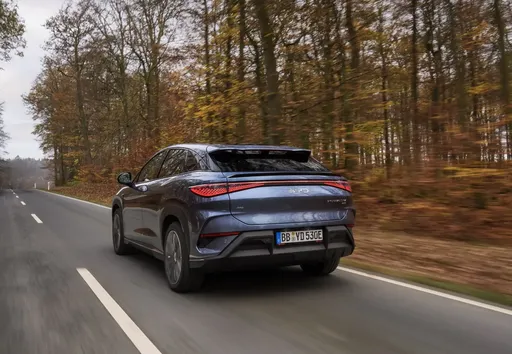
The Sealion 7 captivates with its striking design and impressive performance that appeals to both enthusiasts and casual drivers alike. With a focus on comfort and advanced technology, this model redefines the driving experience, making every journey enjoyable. Its sleek silhouette coupled with an innovative interior showcases the perfect blend of style and functionality.

details

Mazda CX-6e

The Mazda CX-6e blends Mazda’s flowing coupe‑SUV silhouette with electric propulsion to deliver a surprisingly engaging and polished driving experience that feels more premium than its price suggests. Inside, the cabin is quietly refined and ergonomically smart, with modern tech and practical space that make it a stylish, sensible choice for drivers who want EV manners without the fanfare.

details
BYD Sealion 7
Mazda CX-6e

Costs and Consumption

Price
42,800 - 52,300 £
Price
42,800 - 45,400 £
Consumption L/100km
-
Consumption L/100km
-
Consumption kWh/100km
19.9 - 21.9 kWh/100km
Consumption kWh/100km
18.9 - 19.4 kWh/100km
Electric Range
456 - 502 km
Electric Range
468 - 484 km
Battery Capacity
-
Battery Capacity
-
co2
0 g/km
co2
0 g/km
Fuel tank capacity
-
Fuel tank capacity
-

Dimensions and Body

Body Type
SUV
Body Type
SUV
Seats
5
Seats
5
Doors
-
Doors
-
Curb weight
2,225 - 2,435 kg
Curb weight
2,205 kg
Trunk capacity
520 L
Trunk capacity
468 L
Length
-
Length
-
Width
1,925 mm
Width
1,935 mm
Height
-
Height
-
Max trunk capacity
-
Max trunk capacity
-
Payload
410 kg
Payload
385 kg

Engine and Performance

Engine Type
Electric
Engine Type
Electric
Transmission
Automatic
Transmission
Automatic
Transmission Detail
Reduction Gearbox
Transmission Detail
Reduction Gearbox
Drive Type
Rear-Wheel Drive, All-Wheel Drive
Drive Type
Rear-Wheel Drive
Power HP
313 - 530 HP
Power HP
258 HP
Acceleration 0-100km/h
4.5 - 6.7 s
Acceleration 0-100km/h
7.9 s
Max Speed
-
Max Speed
-
Torque
380 - 690 Nm
Torque
290 Nm
Number of Cylinders
-
Number of Cylinders
-
Power kW
230 - 390 kW
Power kW
190 kW
Engine capacity
-
Engine capacity
-

General

Model Year
2024
Model Year
2026
CO2 Efficiency Class
A
CO2 Efficiency Class
A
Brand
BYD
Brand
Mazda
DriveDuel uses data analysis and artificial intelligence to evaluate vehicle data and create content. Content is regularly reviewed and improved. The displayed prices are estimates based on German list prices, adjusted to the respective country’s VAT. Country-specific registration taxes are not included. This information is not legally binding.