VS

BYD Atto 3 vs Toyota C-HR+ comparison

Compare performance (449 HP vs 343 HP), boot space and price (38,600 £ vs 36,000 £ ) at a glance. Find out which car is the better choice for you – BYD Atto 3 or Toyota C-HR+?

BYD Atto 3 vs Toyota C-HR+: Key differences

BYD Atto 3

4.7 (3 Reviews)
rate
  • visibly more power
  • clearly quicker 0–100 km/h
details

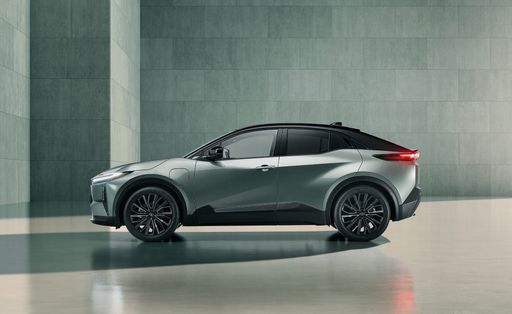
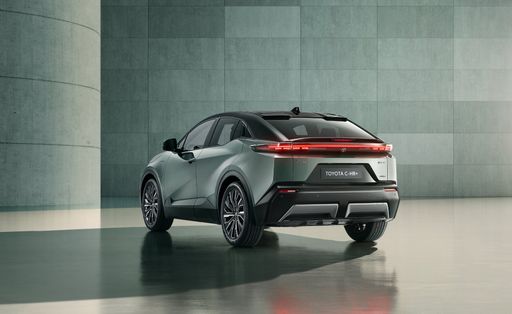
Toyota C-HR+

  • only slightly cheaper
  • moderately more electric range
details

All details on performance, efficiency, range and trunk space can be found in the technical comparison below – including user reviews for both models.

By Achim Sedelmaier

Atto 3

BYD Atto 3 vs Toyota C‑HR+: quick take for shoppers

BYD Atto 3 and Toyota C‑HR+ represent two distinct approaches to the compact crossover: one leans into plush electric comfort and tech flair, the other into efficient, refined hybrid practicality. The Atto 3 arrives as a tech-forward EV with a soft, composed city ride and a cockpit that wants attention; the C‑HR+ answers with tidy packaging, conservative refinement and very low real-world running costs for commuters. Buyers will quickly notice the Atto 3’s more playful, gadget-led personality against the C‑HR+’s sober, quality-first presentation. This comparison focuses on how those differences feel day-to-day, not just on specs, to help you match each car to your actual life and priorities.
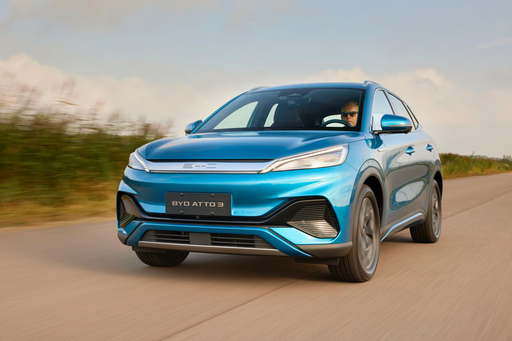
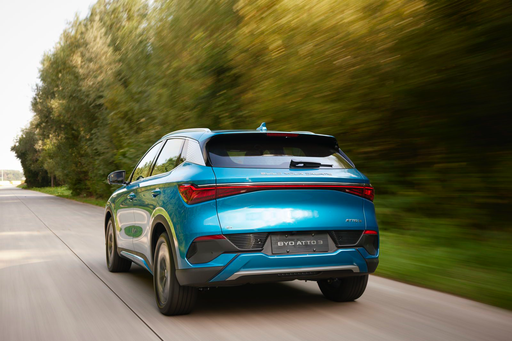
C-HR+

Character and driving dynamics

The BYD Atto 3 drives like a comfort-first electric: eager off the line and forgiving in urban traffic, but it lets body roll and light steering define its cornering limits. The Toyota C‑HR+ feels tighter and more composed on a twisty local road, rewarding confident inputs but revealing its character under strong acceleration with drivetrain noise. If you want brisk, immediate shove and a relaxed cruiser for everyday errands, the Atto 3’s electric thrust is engaging and effortless; if you favour steady, predictable responses and maximum efficiency on mixed runs, the C‑HR+ keeps things understated and economical. Both are comfortable in everyday use, but how they deliver momentum and feedback will determine which feels right on your commute.

Atto 3

Comfort, cabin feel and perceived quality

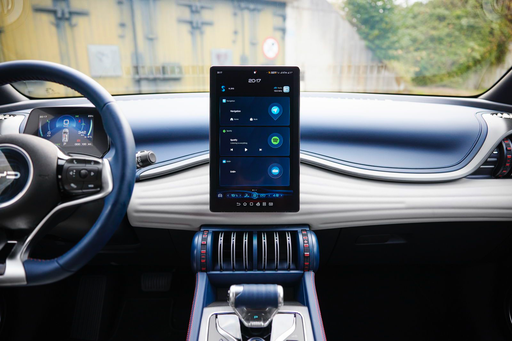
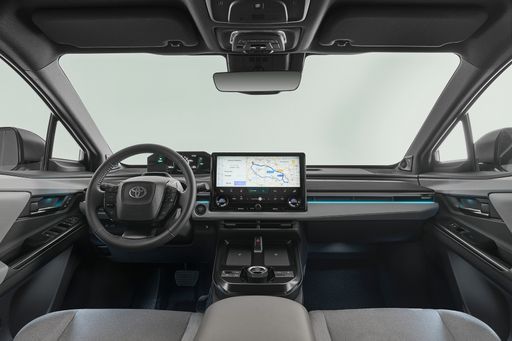
Inside, the BYD Atto 3 leans into playful tech — a large, rotating display and an interior that feels modern and deliberately styled, which gives it an immediate “future-car” vibe. The Toyota C‑HR+ trades a bit of show for substance: cleaner lines, firmer ergonomics and physical controls that make the cabin feel more traditionally premium and less tutorial‑dependent. Rear-seat space and headroom tilt in favour of the Atto 3 for taller passengers, whereas the C‑HR+ can feel a touch snug in the back despite nicer surface materials up front. Both cabins have strong points, but the Atto 3 rewards tech‑curious buyers while the C‑HR+ will please those who prioritise tactile controls and a composed, high‑quality ambience.

C-HR+

Usability and everyday practicality

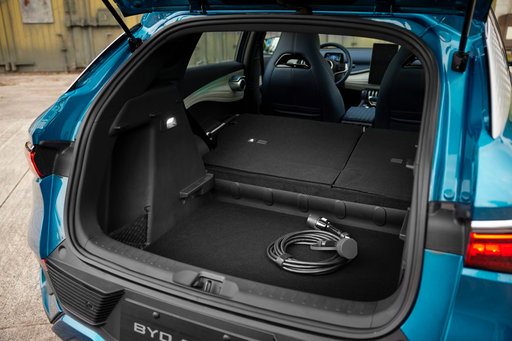
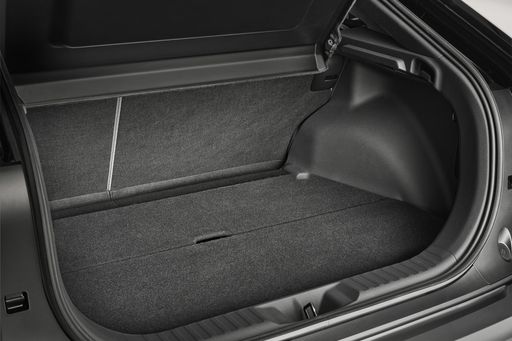
When it comes to real‑world chores, the BYD Atto 3 offers a practical, easy-to-live-with layout and useful tech aids such as a 360° camera, yet some control paths (notably climate functions) require menu diving and the boot is sensible but not generous. The Toyota C‑HR+ requires compromises too: its plug‑in packaging or hybrid layout reduces usable boot space and the load lip can be fiddly, but cabin controls are straightforward and everyday ergonomics are simpler. Parking and city manoeuvres are comfortable in both cars, though the Atto 3’s softer suspension makes urban potholes less of an annoyance while the C‑HR+ rewards repeatable, efficient routines. For shoppers who prioritise luggage capacity and flexible load solutions, neither car is class‑leading, but the nature of those compromises is different and worth checking on a practical test drive.

Atto 3

City friendliness vs long‑distance behaviour

The BYD Atto 3 excels in urban settings: soft suspension, light steering and strong low‑speed acceleration make it an easy, relaxed city companion that soaks up imperfections. On long motorway hauls it shows its limits more clearly — wind noise and a less assured high‑speed demeanour make extended trips a matter of preference, and charging behaviour on long drives rewards planning. The Toyota C‑HR+ is the more composed motorway partner at steady speeds and its efficient hybrid setup stretches range and lowers running cost for long commutes without constant charging. If your driving is split between short daily trips and occasional long runs, the C‑HR+ tilts toward consistent long‑distance calm, while the Atto 3 is the natural city‑centric cruiser with occasional touring capability.

C-HR+

Buyer fit: who should test which first

If your priority is a comfortable, tech-rich electric that feels modern, carries a family comfortably and delivers lively around-town performance, start your comparison with the BYD Atto 3; it suits buyers who value safety kit, interior flair and a softer ride. If you prize low running costs, consistent long‑distance refinement, straightforward controls and a badge that emphasizes predictability, the Toyota C‑HR+ deserves your attention first — especially if you can live with tighter rear space and a smaller boot. Both cars make coherent trade-offs, so choose the one whose compromises match your daily use: the next technical section will break down range, power delivery and charging/consumption so you can see how those real‑world traits map to numbers before you decide.

Here’s where it gets real: The technical differences in detail

Atto 3

Costs and Efficiency:

Looking at overall running costs, both models reveal some interesting differences in everyday economy.

Toyota C-HR+ is only slightly cheaper – starting at 36,000 £ , while the BYD Atto 3 costs 38,600 £ . That’s a price difference of around 2,571 £.

As for electric range, the Toyota C-HR+ offers moderately more range – reaching up to 607 km, about 97 km more than the BYD Atto 3.

C-HR+

Engine and Performance:

Power, torque and acceleration say a lot about how a car feels on the road. This is where you see which model delivers more driving dynamics.

When it comes to engine power, the BYD Atto 3 offers visibly more power – delivering 449 HP compared to 343 HP. That’s roughly 106 HP more horsepower.

When accelerating from 0 to 100 km/h, the BYD Atto 3 is clearly quicker – completing the sprint in 3.9 s, while the Toyota C-HR+ takes 5.2 s. That’s about 1.3 s quicker.

There’s also a difference in torque: the BYD Atto 3 delivers markedly more torque with 560 Nm compared to 338 Nm. That’s about 222 Nm more.

Atto 3

Space and Everyday Use:

Whether family car or daily driver – which one offers more room, flexibility and comfort?

Both vehicles offer seating for 5 people.

Who wins the race in the data check?

The BYD Atto 3 holds a decisive overall lead in the objective data comparison.
This result only shows which model scores more points on paper – not which of the two cars feels right for you.

from £38,600
Atto 3

BYD Atto 3

  • Engine Type : Electric
  • Transmission : Automatic
  • Drive Type : Rear-Wheel Drive, All-Wheel Drive
  • Power HP : 313 - 449 HP
  • Electric Range : 470 - 510 km
BYD Atto 3
Toyota C-HR+

Costs and Consumption

View detailed analysis

Engine and Performance

View detailed analysis

Dimensions and Body

View detailed analysis

BYD Atto 3

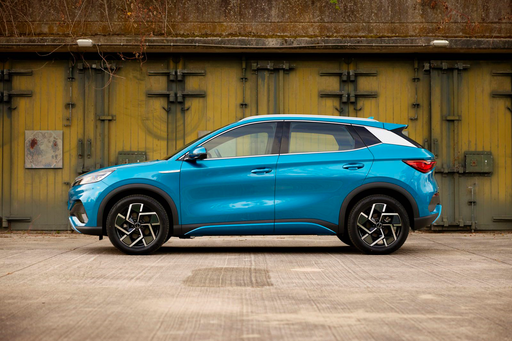
The BYD Atto 3 is an electric crossover that blends a distinctive, modern design with a comfortable, well-equipped cabin suited to everyday family use. It offers a relaxed, smooth driving feel and practical running costs, making it a sensible choice if you want an uncomplicated, value-focused EV.

details

Toyota C-HR+

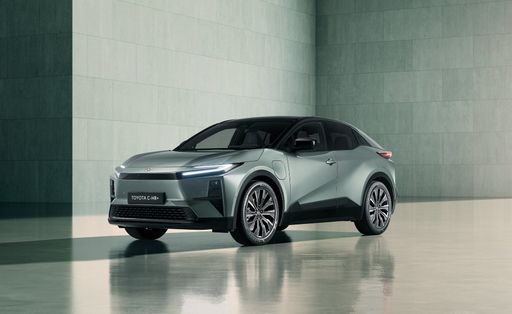
The Toyota C‑HR is a distinctive crossover that pairs bold, coupe‑like styling with a comfortable, composed ride suited to daily city and suburban driving. It appeals to buyers who value standout design, practical cabin packaging and a refined, easy‑to‑use experience rather than outright performance or rugged off‑road ability.

details
BYD Atto 3
Toyota C-HR+

Costs and Consumption

Price
38,600 - 43,700 £
Price
36,000 - 46,300 £
Consumption L/100km
-
Consumption L/100km
-
Consumption kWh/100km
-
Consumption kWh/100km
13.4 - 15.5 kWh/100km
Electric Range
470 - 510 km
Electric Range
458 - 607 km
Battery Capacity
-
Battery Capacity
-
co2
0 g/km
co2
0 g/km
Fuel tank capacity
-
Fuel tank capacity
-

Dimensions and Body

Body Type
SUV
Body Type
SUV
Seats
5
Seats
5
Doors
-
Doors
-
Curb weight
-
Curb weight
1,810 - 2,010 kg
Trunk capacity
-
Trunk capacity
416 L
Length
-
Length
-
Width
1,875 mm
Width
1,870 mm
Height
-
Height
-
Max trunk capacity
-
Max trunk capacity
-
Payload
-
Payload
550 - 655 kg

Engine and Performance

Engine Type
Electric
Engine Type
Electric
Transmission
Automatic
Transmission
Automatic
Transmission Detail
Reduction Gearbox
Transmission Detail
Reduction Gearbox
Drive Type
Rear-Wheel Drive, All-Wheel Drive
Drive Type
Front-Wheel Drive, All-Wheel Drive
Power HP
313 - 449 HP
Power HP
167 - 343 HP
Acceleration 0-100km/h
3.9 - 5.5 s
Acceleration 0-100km/h
5.2 - 8.4 s
Max Speed
-
Max Speed
-
Torque
380 - 560 Nm
Torque
268 - 338 Nm
Number of Cylinders
-
Number of Cylinders
-
Power kW
230 - 330 kW
Power kW
123 - 252 kW
Engine capacity
-
Engine capacity
-

General

Model Year
2026
Model Year
2026
CO2 Efficiency Class
A
CO2 Efficiency Class
A
Brand
BYD
Brand
Toyota
DriveDuel uses data analysis and artificial intelligence to evaluate vehicle data and create content. Content is regularly reviewed and improved. The displayed prices are estimates based on German list prices, adjusted to the respective country’s VAT. Country-specific registration taxes are not included. This information is not legally binding.