VS

Toyota C-HR+ vs Subaru Uncharted comparison

Compare performance (343 HP vs 343 HP), boot space and price (36,000 £ vs 31,700 £ ) at a glance. Find out which car is the better choice for you – Toyota C-HR+ or Subaru Uncharted?

Toyota C-HR+ vs Subaru Uncharted: Key differences

Toyota C-HR+

4.4 (1 Reviews)
rate
  • barely more efficient
  • only slightly more electric range
  • only slightly lighter
  • only slightly more trunk space
details

Subaru Uncharted

4.6 (1 Reviews)
rate
  • slightly cheaper
  • marginally quicker 0–100 km/h
details

All details on performance, efficiency, range and trunk space can be found in the technical comparison below – including user reviews for both models.

By Achim Sedelmaier

C-HR+

Introduction — Toyota C-HR+ VS Subaru Uncharted: short take

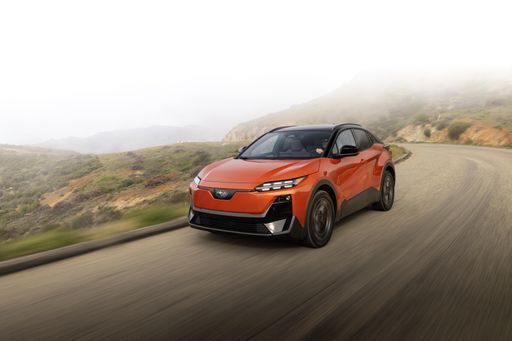
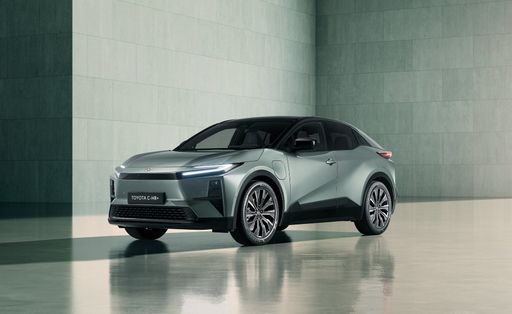
Toyota C-HR+ VS Subaru Uncharted frames a clear choice between a design-forward plug‑in hybrid and a compact electric crossover with Subaru’s traction focus. The Toyota C-HR+ leans into showy styling, a button-forward cabin and plug‑in efficiency for daily commutes, while the Subaru Uncharted brings full-electric drive, higher ground clearance and more off‑road confidence in a small footprint. Price positioning also separates them: Subaru arrives more accessibly, Toyota asks a premium for its hybrid packaging and kit. In practice the decision is about how you use the car — daily short trips and minimal luggage, or electric simplicity with better traction and everyday charging speed.

Uncharted

Comfort and long-distance behaviour

The Toyota C-HR+ feels settled on steady motorway cruising thanks to its hybrid calm, but you notice the drivetrain under heavy acceleration and the ride tightens on bigger wheels. The Subaru Uncharted is quietly composed as an EV in normal progress and its raised ride height soaks up rough road better, yet the AWD variants can eat into real‑world range at sustained high speeds. For long trips, Toyota’s seats and quiet cruise will fatigue fewer drivers when pace is constant; Subaru rewards with a firmer, more controlled ride over uneven surfaces. Choosing between them is a trade-off: Toyota for low‑effort motorway miles, Subaru if you want a firmer ride and better traction on mixed roads.

C-HR+

City friendliness and everyday usability

Both the Toyota C-HR+ and Subaru Uncharted feel at home in town, but they get there differently: the C-HR+ excels at stealthy electric starts, compact turning and an intuitive cockpit that makes stop‑and‑go driving effortless. The Uncharted’s immediate electric torque, light steering and narrow turning circle also make it excellent downtown, and its higher ride height helps with kerbs and rough inner‑city streets. Charging behaviour changes the everyday story — the C‑HR+ will cover most commutes electrically if you plug in regularly, while the Uncharted simplifies life as an EV and typically accepts faster AC charging for quicker top‑ups. If you park at home and can plug in, the C‑HR+ is supremely efficient; if you want plug‑and‑go EV simplicity and stronger traction, the Uncharted is more practical in the city.

Uncharted

Cabin feel, perceived quality and ergonomics

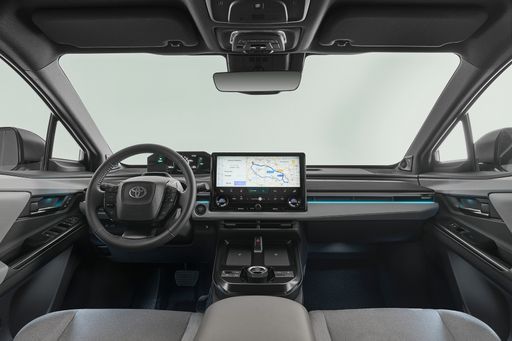
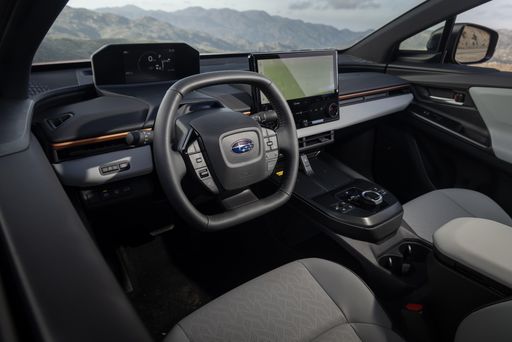
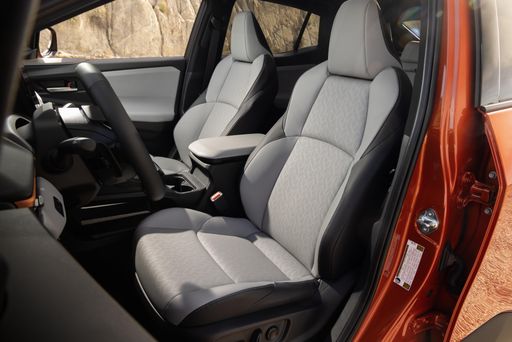
Step inside the Toyota C-HR+ and you’ll notice a more premium sketch: cleaner materials up front, a large touchscreen balanced by real climate buttons and overall a slightly more refined finish. The Subaru Uncharted goes the functional route — solid plastics, tactile knobs and practical touches like multiple wireless pads — and feels robust rather than plush. Both suffer the same design penalty: restricted rear visibility because of small rear glass, so rear cameras are almost mandatory for stress‑free parking. The practical consequence is that Toyota feels a touch more upmarket up front, while Subaru trades a bit of finesse for clearer, no‑nonsense usability.

C-HR+

Practicality, luggage and family suitability

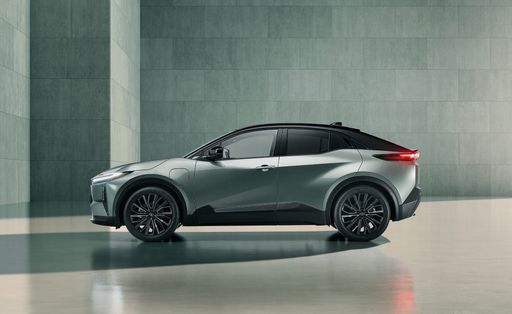
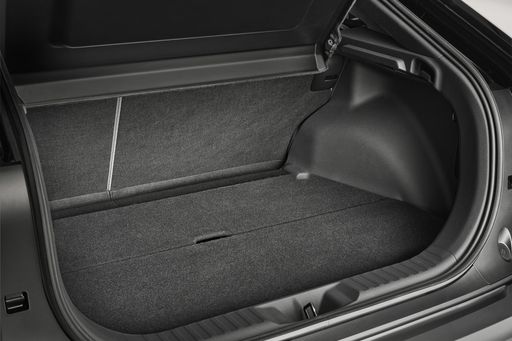
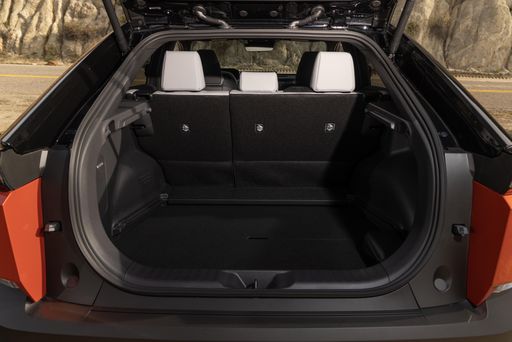
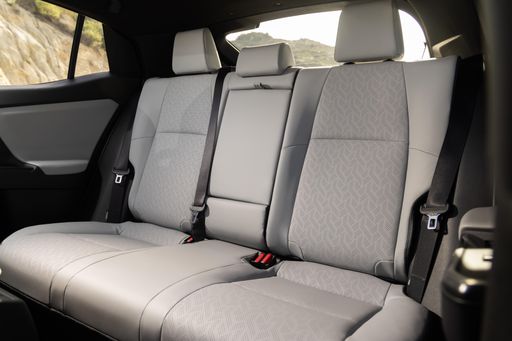
When it comes to real‑world hauling the Toyota C-HR+ shows its compromises: its plug‑in layout and sloping roofline shrink boot usability and raise the loading lip, making bulky items and child‑care gear fiddlier to manage. The Subaru Uncharted offers a more traditionally accessible boot opening and generally more straightforward luggage handling, but neither car is a spacious family hauler — rear headroom and bench length are limiting in both. For parents installing child seats, Toyota’s narrower door openings can make the task more awkward compared with Subaru’s easier access. In short, Subaru is the slightly more practical everyday carrier, while Toyota rewards buyers who prioritise efficiency and style over cargo volume.

Uncharted

Buyer fit — who should pick which

If you’re a design‑minded city commuter who values plug‑in electrical miles, a softer motorway character and a cabin that feels a step up, the Toyota C-HR+ will fit better into that lifestyle. If your priorities tilt toward full‑electric simplicity, stronger traction and a more affordable entry into this segment — plus quicker everyday charging and occasional rough‑road use — the Subaru Uncharted is the more sensible match. Both cars share compact dimensions and similar rear compromises, so the choice comes down to whether you want hybrid efficiency and refinement (Toyota) or EV drivability, traction tools and better charging practicality (Subaru). The technical comparison that follows will unpack range behaviour, charging speeds and drivetrain trade‑offs so you can match those details to your actual daily patterns.

Here’s where it gets real: The technical differences in detail

C-HR+

Costs and Efficiency:

Looking at overall running costs, both models reveal some interesting differences in everyday economy.

Subaru Uncharted is slightly cheaper – starting at 31,700 £ , while the Toyota C-HR+ costs 36,000 £ . That’s a price difference of around 4,286 £.

In terms of energy consumption, the Toyota C-HR+ is barely more efficient: consuming 13.4 kWh/100km compared to 13.7 kWh/100km for the Subaru Uncharted. That’s a difference of about 0.3 kWh/100km.

As for electric range, the Toyota C-HR+ offers only slightly more range – reaching up to 607 km, about 15 km more than the Subaru Uncharted.

Uncharted

Engine and Performance:

Under the bonnet, it becomes clear which model is tuned for sportiness and which one takes the lead when you hit the accelerator.

Both models deliver identical power – 343 HP each.

When accelerating from 0 to 100 km/h, the Subaru Uncharted is marginally quicker – completing the sprint in 5 s, while the Toyota C-HR+ takes 5.2 s. That’s about 0.2 s quicker.

There’s also a difference in torque: the Subaru Uncharted delivers noticeably more torque with 437 Nm compared to 338 Nm. That’s about 99 Nm more.

C-HR+

Space and Everyday Use:

Whether family car or daily driver – which one offers more room, flexibility and comfort?

Both vehicles offer seating for 5 people.

In terms of curb weight, Toyota C-HR+ is only slightly lighter – 1,810 kg compared to 1,916 kg. The difference is around 106 kg.

Looking at boot space, the Toyota C-HR+ offers only slightly more boot space – 416 L compared to 404 L. That’s a difference of about 12 L.

When it comes to payload, the Toyota C-HR+ carries barely more – 655 kg compared to 604 kg. That’s a difference of about 51 kg.

Who wins the race in the data check?

The Subaru Uncharted sits just ahead overall in the objective data comparison.
This result only shows which model scores more points on paper – not which of the two cars feels right for you.

from £31,700
Uncharted

Subaru Uncharted

  • Engine Type Electric
  • Transmission Automatic
  • Drive Type Front-Wheel Drive, All-Wheel Drive
  • Power HP 167 - 343 HP
  • Consumption kWh/100km 13.7 - 15.7 kWh/100km
  • Electric Range 451 - 592 km
Toyota C-HR+
Subaru Uncharted

Costs and Consumption

View detailed analysis

Engine and Performance

View detailed analysis

Dimensions and Body

View detailed analysis

Toyota C-HR+

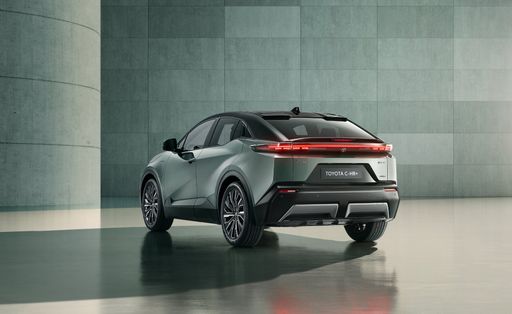
The Toyota C‑HR is a distinctive crossover that pairs bold, coupe‑like styling with a comfortable, composed ride suited to daily city and suburban driving. It appeals to buyers who value standout design, practical cabin packaging and a refined, easy‑to‑use experience rather than outright performance or rugged off‑road ability.

details

Subaru Uncharted

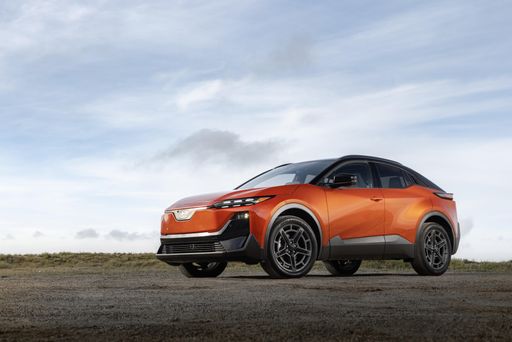
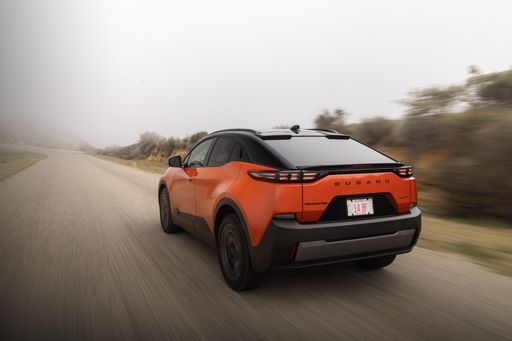
The Subaru Uncharted is a compact electric crossover that feels at home in the city, with easy steering and Subaru’s traction helpers giving it more off‑road composure than its size suggests. It’s practical and simple to use for daily life with convenient charging, but the rear seat is snug, rear visibility suffers without a wiper, and the all‑wheel‑drive version can be thirstier on long motorway runs.

details
Toyota C-HR+
Subaru Uncharted

Costs and Consumption

Price
36,000 - 46,300 £
Price
31,700 - 42,000 £
Consumption L/100km
-
Consumption L/100km
-
Consumption kWh/100km
13.4 - 15.5 kWh/100km
Consumption kWh/100km
13.7 - 15.7 kWh/100km
Electric Range
458 - 607 km
Electric Range
451 - 592 km
Battery Capacity
-
Battery Capacity
-
co2
0 g/km
co2
0 g/km
Fuel tank capacity
-
Fuel tank capacity
-

Dimensions and Body

Body Type
SUV
Body Type
SUV
Seats
5
Seats
5
Doors
-
Doors
-
Curb weight
1,810 - 2,010 kg
Curb weight
1,916 - 2,041 kg
Trunk capacity
416 L
Trunk capacity
403 - 404 L
Length
-
Length
-
Width
1,870 mm
Width
1,870 mm
Height
-
Height
-
Max trunk capacity
-
Max trunk capacity
-
Payload
550 - 655 kg
Payload
469 - 604 kg

Engine and Performance

Engine Type
Electric
Engine Type
Electric
Transmission
Automatic
Transmission
Automatic
Transmission Detail
Reduction Gearbox
Transmission Detail
Reduction Gearbox
Drive Type
Front-Wheel Drive, All-Wheel Drive
Drive Type
Front-Wheel Drive, All-Wheel Drive
Power HP
167 - 343 HP
Power HP
167 - 343 HP
Acceleration 0-100km/h
5.2 - 8.4 s
Acceleration 0-100km/h
5 - 8.4 s
Max Speed
-
Max Speed
-
Torque
268 - 338 Nm
Torque
268 - 437 Nm
Number of Cylinders
-
Number of Cylinders
-
Power kW
123 - 252 kW
Power kW
123 - 252 kW
Engine capacity
-
Engine capacity
-

General

Model Year
2026
Model Year
2026
CO2 Efficiency Class
A
CO2 Efficiency Class
A
Brand
Toyota
Brand
Subaru
DriveDuel uses data analysis and artificial intelligence to evaluate vehicle data and create content. Content is regularly reviewed and improved. The displayed prices are estimates based on German list prices, adjusted to the respective country’s VAT. Country-specific registration taxes are not included. This information is not legally binding.