VS

BYD Atto 3 vs BYD Atto 2 comparison

Compare performance (449 HP vs 212 HP), boot space and price (33,400 £ vs 27,400 £ ) at a glance. Find out which car is the better choice for you – BYD Atto 3 or BYD Atto 2?

BYD Atto 3 vs BYD Atto 2: Key differences

BYD Atto 3

5 (2 Reviews)
rate
  • substantially more power
  • a bit more electric range
  • substantially quicker 0–100 km/h

BYD Atto 2

5 (3 Reviews)
rate
  • clearly cheaper
  • only slightly more efficient
  • visibly lighter
  • barely more trunk space

All details on performance, efficiency, range and trunk space can be found in the technical comparison below – including user reviews for both models.

Atto 3

BYD Atto 3 vs. BYD Atto 2: A Comprehensive Comparison

In the ever-evolving world of electric vehicles, BYD has cemented its reputation as a forward-thinking automaker, offering a range of innovative and efficient models. Among its lineup, the BYD Atto 3 and Atto 2 stand out in the SUV segment. This article compares these two models, focusing on their technical specifications and innovative features, to help potential buyers make an informed decision.

Atto 2

Performance and Powertrain

A significant difference between the Atto 3 and Atto 2 lies in their power outputs. The BYD Atto 3 boasts a robust 204 HP (150 kW) electric motor, while the Atto 2 offers a commendable 177 HP (130 kW). Both vehicles utilize a front-wheel drive layout and come equipped with an automatic transmission featuring a reduction gearbox, ensuring a smooth driving experience.

When it comes to torque, the Atto 3 once again takes the lead with 310 Nm, compared to the 290 Nm provided by the Atto 2. This difference contributes to the Atto 3's quicker acceleration, achieving 0-100 km/h in just 7.3 seconds versus the Atto 2's 7.9 seconds.

Atto 3

Battery Efficiency and Range

Both models showcase similar energy consumption rates of 16 kWh/100km. However, the true differentiator is their electric range. The Atto 3 excels with an impressive range of 420 km, making it suitable for longer trips without the need for frequent recharging. Conversely, the Atto 2 offers a range of 312 km, making it ideal for city driving but perhaps less optimal for extended journeys.

Atto 2

Dimensions and Cargo Space

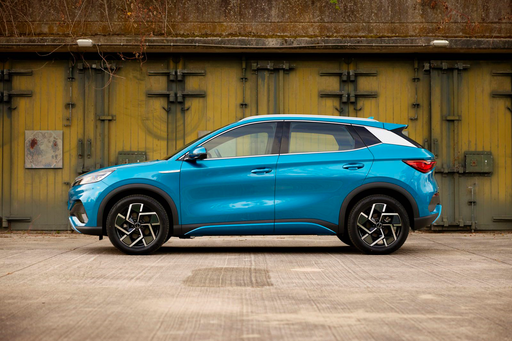
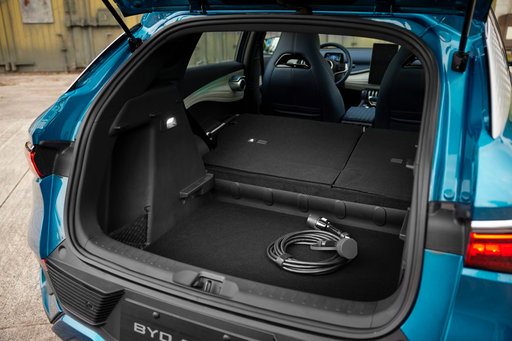
In terms of dimensions, the Atto 3 measures 4455 mm in length, 1875 mm in width, and 1615 mm in height, making it a slightly larger vehicle compared to the Atto 2, which comes in at 4310 mm long, 1830 mm wide, and 1675 mm tall. This increased size in the Atto 3 translates into a larger trunk capacity of 440 liters, compared to the Atto 2's 400 liters. While both models can comfortably seat five passengers, the additional cargo space in the Atto 3 provides a practical advantage for families or those requiring extra storage.

Atto 3

Weight and Efficiency

One area where the Atto 2 excels is its curb weight. Weighing in at 1570 kg, the Atto 2 is significantly lighter than the Atto 3, which has a curb weight of 1825 kg. This lower weight may enhance the Atto 2's agility and efficiency in urban environments, enabling better maneuverability in tight spaces.

Design and Comfort

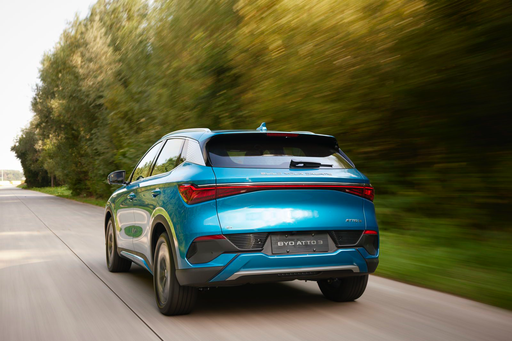
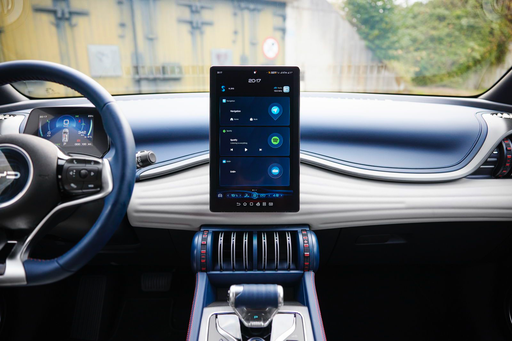
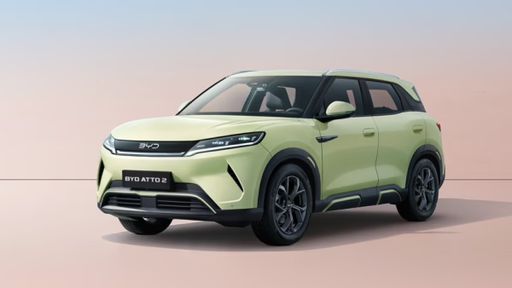
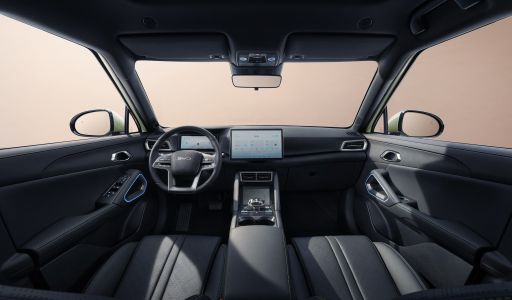
Both models feature a modern and sleek SUV design, reflecting BYD’s dedication to innovative styling. The Atto 2, being a slightly newer model, may incorporate design revisions and updates. Inside, both vehicles prioritize comfort and technology, ensuring passengers enjoy a pleasant ride. However, details about specific tech features and interior options may differentiate the two models beyond what is listed in their specifications.

Environmental Impact

As electric vehicles, both the Atto 3 and Atto 2 contribute positively to environmental sustainability with a CO2 efficiency class rating of A, producing zero emissions (0 g/km). This makes them excellent choices for eco-conscious consumers aiming to reduce their carbon footprint.

Conclusion: Choosing the Right Model

Ultimately, the choice between the BYD Atto 3 and Atto 2 comes down to individual needs and preferences. The Atto 3 shines in performance, range, and cargo space, making it an exceptional choice for families and long-distance driving. On the other hand, the Atto 2 may appeal to urban dwellers seeking a lighter, more maneuverable vehicle that excels in city environments.

Whichever model you choose, both the Atto 3 and Atto 2 are prime examples of BYD's commitment to delivering innovative electric vehicles that cater to a wide range of drivers.

Here’s where it gets real: The technical differences in detail

Atto 3

Costs and Efficiency:

Price and efficiency are often the first things buyers look at. Here it becomes clear which model has the long-term edge – whether at the pump, the plug, or in purchase price.

BYD Atto 2 is clearly cheaper – starting at 27,400 £ , while the BYD Atto 3 costs 33,400 £ . That’s a price difference of around 6,000 £.

In terms of energy consumption, the BYD Atto 2 is only slightly more efficient: consuming 15.8 kWh/100km compared to 16 kWh/100km for the BYD Atto 3. That’s a difference of about 0.2 kWh/100km.

As for electric range, the BYD Atto 3 offers a bit more range – reaching up to 510 km, about 80 km more than the BYD Atto 2.

Atto 2

Engine and Performance:

Under the bonnet, it becomes clear which model is tuned for sportiness and which one takes the lead when you hit the accelerator.

When it comes to engine power, the BYD Atto 3 offers substantially more power – delivering 449 HP compared to 212 HP. That’s roughly 237 HP more horsepower.

When accelerating from 0 to 100 km/h, the BYD Atto 3 is substantially quicker – completing the sprint in 3.9 s, while the BYD Atto 2 takes 7.5 s. That’s about 3.6 s quicker.

There’s also a difference in torque: the BYD Atto 3 delivers significantly more torque with 560 Nm compared to 310 Nm. That’s about 250 Nm more.

Atto 3

Space and Everyday Use:

Cabin size, boot volume and payload all play a role in everyday practicality. Here, comfort and flexibility make the difference.

Both vehicles offer seating for 5 people.

In terms of curb weight, BYD Atto 2 is visibly lighter – 1,510 kg compared to 1,825 kg. The difference is around 315 kg.

Looking at boot space, the BYD Atto 2 offers barely more boot space – 450 L compared to 440 L. That’s a difference of about 10 L.

When it comes to payload, the BYD Atto 2 carries visibly more – 490 kg compared to 335 kg. That’s a difference of about 155 kg.

Who wins the race in the data check?

The BYD Atto 3 is far ahead overall in the objective data comparison.
This result only shows which model scores more points on paper – not which of the two cars feels right for you.

from £33,400
Atto 3

BYD Atto 3

  • Engine Type : Electric
  • Transmission : Automatic
  • Drive Type : Front-Wheel Drive, Rear-Wheel Drive, All-Wheel Drive
  • Power HP : 204 - 449 HP
  • Consumption kWh/100km : 16 kWh/100km
  • Electric Range : 420 - 510 km
BYD Atto 3
BYD Atto 2

Costs and Consumption

View detailed analysis

Engine and Performance

View detailed analysis

Dimensions and Body

View detailed analysis

BYD Atto 3

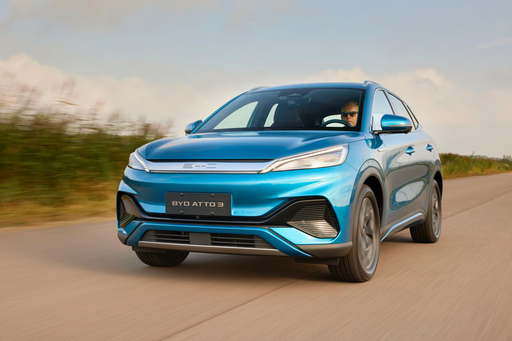
The BYD Atto 3 mixes quirky crossover styling with a cleverly packaged interior that feels more premium than its price suggests. Easy to drive, surprisingly practical and loaded with user-friendly tech, it's a strong choice for buyers who want an EV that's fun without being fussy.

details

BYD Atto 2

The Atto 2 is making waves in the electric vehicle market with its sleek design and impressive range. This innovative model combines cutting-edge technology with captivating aesthetics, making it a standout choice for eco-conscious drivers. With its spacious interior and advanced features, the Atto 2 offers both comfort and convenience for everyday use.

details
BYD Atto 3
BYD Atto 2

Costs and Consumption

Price
33,400 - 43,700 £
Price
27,400 - 36,000 £
Consumption L/100km
-
Consumption L/100km
-
Consumption kWh/100km
16 kWh/100km
Consumption kWh/100km
15.8 - 16 kWh/100km
Electric Range
420 - 510 km
Electric Range
40 - 430 km
Battery Capacity
-
Battery Capacity
-
co2
0 g/km
co2
0 - 41 g/km
Fuel tank capacity
-
Fuel tank capacity
-

Dimensions and Body

Body Type
SUV
Body Type
SUV
Seats
5
Seats
5
Doors
5
Doors
-
Curb weight
1,825 kg
Curb weight
1,510 - 1,720 kg
Trunk capacity
440 L
Trunk capacity
400 - 450 L
Length
4,455 mm
Length
-
Width
1,875 mm
Width
1,830 mm
Height
1,615 mm
Height
-
Max trunk capacity
1,338 L
Max trunk capacity
-
Payload
335 kg
Payload
260 - 490 kg

Engine and Performance

Engine Type
Electric
Engine Type
Electric, Plugin Hybrid
Transmission
Automatic
Transmission
Automatic
Transmission Detail
Reduction Gearbox
Transmission Detail
Reduction Gearbox, Automatic Gearbox
Drive Type
Front-Wheel Drive, Rear-Wheel Drive, All-Wheel Drive
Drive Type
Front-Wheel Drive
Power HP
204 - 449 HP
Power HP
166 - 212 HP
Acceleration 0-100km/h
3.9 - 7.3 s
Acceleration 0-100km/h
7.5 - 9.1 s
Max Speed
160 km/h
Max Speed
-
Torque
310 - 560 Nm
Torque
290 - 310 Nm
Number of Cylinders
-
Number of Cylinders
4
Power kW
150 - 330 kW
Power kW
122 - 156 kW
Engine capacity
-
Engine capacity
1,498 cm3

General

Model Year
2,023 - 2,026
Model Year
2,025 - 2,026
CO2 Efficiency Class
A
CO2 Efficiency Class
A, B
Brand
BYD
Brand
BYD
DriveDuel uses data analysis and artificial intelligence to evaluate vehicle data and create content. Content is regularly reviewed and improved. The displayed prices are estimates based on German list prices, adjusted to the respective country’s VAT. Country-specific registration taxes are not included. This information is not legally binding.